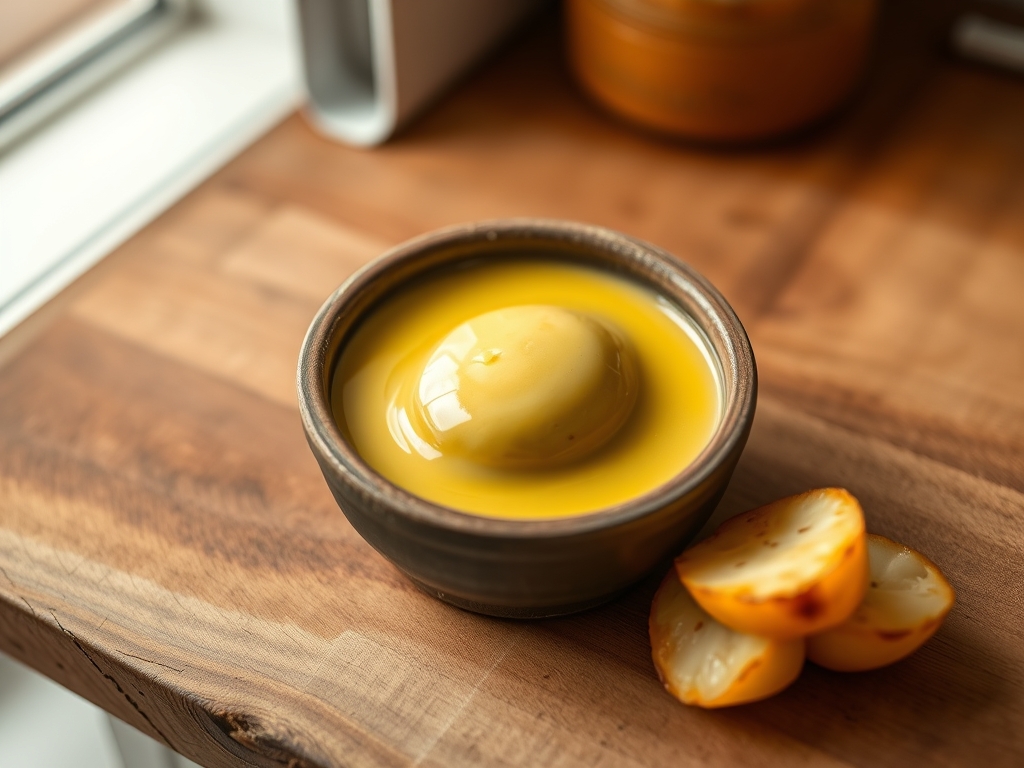
Stop looking at that bottle of shelf-stable, corn-syrup-laden slurry and start respecting the physics of your salad. We are here to talk about the most fundamental structural engineering project in the culinary arts: the Classic Vinaigrette. This is not just a liquid; it is a temporary truce between two sworn enemies. Oil and vinegar do not want to coexist. Left to their own devices, they will retreat to their respective corners of the bowl, leaving your greens either drowning in slick fat or scorched by raw acetic acid. To master this, you must become a master of surface tension. We are looking for a piquant, viscous suspension that clings to a leaf with the tenacity of a high-end primer. When executed correctly, the Classic Vinaigrette provides a shimmering, translucent coat that amplifies flavor without saturating the cellular structure of your vegetables. It is the difference between a soggy mess and a crisp, vibrant masterpiece. Grab your whisk and check your ego; we are going to audit your emulsion from the molecular level up.
THE DATA MATRIX
| Metric | Specification |
|---|---|
| Prep Time | 5 Minutes |
| Execution Time | 3 Minutes |
| Yield | 300ml / 1.25 Cups |
| Complexity (1-10) | 3 |
| Estimated Cost per Serving | $0.22 |
THE GATHERS
Ingredient Protocol:
- 60ml / 0.25 cup Champagne Vinegar (or high-quality White Wine Vinegar)
- 180ml / 0.75 cup Extra Virgin Olive Oil (Cold-pressed, low acidity)
- 15g / 1 tbsp Dijon Mustard (The primary emulsifier)
- 5g / 1 tsp Fine Sea Salt
- 2g / 0.5 tsp Freshly Cracked Black Pepper
- 10g / 2 tsp Shallots, minced to a fine paste
- 5g / 1 tsp Honey or Agave (Optional, for pH balance)
Section A: Ingredient Quality Audit:
The most common failure in a Classic Vinaigrette is the use of oxidized oil. If your olive oil smells like old crayons or cardboard, your dressing is dead on arrival. High-quality oil should smell like freshly cut grass or green tomatoes. If your vinegar is too aggressive, it will overwhelm the palate; fix this by adding a pinch of salt rather than more sugar. Salt suppresses the perception of acidity. If your shallots are too pungent, soak the minced pieces in the vinegar for five minutes before adding the oil. This process, known as maceration, softens the sulfur compounds and infuses the acid with a mellow, savory depth.
THE MASTERCLASS
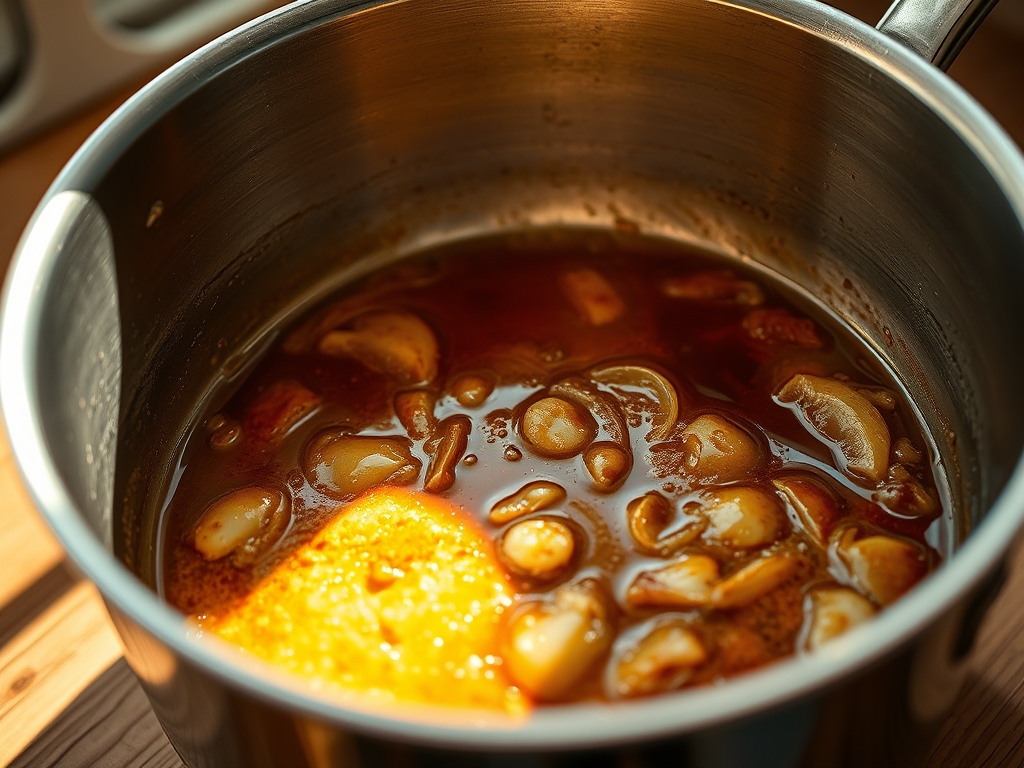
1. The Acid Base and Maceration
Begin by placing your minced shallots, salt, pepper, and vinegar into a stainless steel mixing bowl or a specialized saucier. Use a digital scale to ensure your ratios are exact. Let this mixture sit for three to five minutes. This allows the salt to dissolve completely in the aqueous phase, ensuring even seasoning throughout the final emulsion.
Pro Tip: Salt does not dissolve in fat. If you add your salt after the oil, you will end up with a gritty texture and uneven seasoning. Using a saucier with rounded bottom edges allows your whisk to reach every millimeter of the mixture, preventing "dead zones" where salt can accumulate.
2. The Emulsifier Integration
Whisk in the Dijon mustard and the optional honey. The mustard is the "glue" of your Classic Vinaigrette. It contains complex polysaccharides and proteins that act as surfactants, reducing the surface tension between the water-based vinegar and the fat-based oil.
Pro Tip: Think of the mustard as the bridge. Without it, your emulsion will break in seconds. A high-quality Dijon provides a chemical backbone that allows the oil droplets to remain suspended for hours rather than minutes.
3. The Slow Stream Aeration
While whisking vigorously with a balloon whisk, begin adding the olive oil one drop at a time. Do not rush this. You are trying to break the oil into microscopic spheres. Once you have established a thick, creamy base (about 25 percent of the oil), you can begin adding the remaining oil in a thin, steady stream.
Pro Tip: If you see "oil slicks" forming on the surface, stop adding oil immediately and whisk until the surface is uniform again. Professional chefs often use a damp towel rolled into a "nest" to stabilize the bowl on the counter, freeing both hands for the pour and the whisk.
4. The Final Surface Tension Check
Once all the oil is incorporated, the dressing should be thick enough to coat the back of a spoon. It should look opaque and slightly creamy, despite containing no dairy. Taste for balance. It should be bright and sharp but finished with a smooth, buttery mouthfeel.
Pro Tip: Use a bench scraper to clean the sides of the bowl and ensure every drop of your emulsion is captured. If the dressing feels too thick, whisk in a teaspoon of warm water; this thins the continuous phase and stabilizes the structure.
Section B: Prep & Timing Fault-Lines:
Temperature is the silent killer of the Classic Vinaigrette. If your oil is too cold (straight from a chilly larder), it will be too viscous to break into small droplets, leading to a greasy, heavy finish. Conversely, if your kitchen is a furnace, the emulsion will be unstable. Aim for a room temperature of 21 degrees Celsius (70 degrees Fahrenheit). Timing is also critical; never dress your greens more than two minutes before service. The acid will begin to denature the chlorophyll and soften the cellulose, turning a vibrant salad into a limp, gray disappointment.
THE VISUAL SPECTRUM
Section C: Thermal & Visual Troubleshooting:
Referencing the masterclass photo, a perfect Classic Vinaigrette should exhibit a "golden-hour" glow. If your dressing looks dull or muddy, you likely over-processed your shallots or used a low-quality, refined oil. If the dressing appears broken (visible droplets of clear oil), your whisking speed was insufficient or your oil stream was too aggressive. To fix a broken dressing, place a teaspoon of mustard in a clean bowl and slowly whisk the broken mixture into it. The visual cue for a successful audit is "cling." When you dip a leaf of butter lettuce into the bowl, the dressing should form an unbroken, shimmering film that does not pool at the bottom of the plate.
THE DEEP DIVE
Macro Nutrition Profile:
A standard 30ml (2 tbsp) serving contains approximately 180 calories, 20g of healthy monounsaturated fats, and negligible carbohydrates or proteins. It is a fat-dense component designed to facilitate the absorption of fat-soluble vitamins (A, D, E, and K) found in leafy greens.
Dietary Swaps:
- Vegan: Naturally vegan as long as you use agave or maple syrup instead of honey.
- Keto: Omit the sweetener entirely; the shallots and high-quality vinegar provide enough perceived sweetness.
- GF: Naturally gluten-free, but always audit your Dijon mustard for thickeners like wheat flour.
Meal Prep & Reheating Science:
Vinaigrettes are best stored in a glass jar in the refrigerator for up to two weeks. Do not reheat. If the oil solidifies, let it sit at room temperature for 20 minutes and then shake vigorously to re-establish the molecular suspension. The mustard will keep the structure intact even after a cold-storage cycle.
THE KITCHEN TABLE
Why does my vinaigrette separate so fast?
You likely added the oil too quickly or lacked enough emulsifier. Ensure you have a full tablespoon of Dijon for every cup of oil to provide the necessary surface-area coverage for the fat droplets.
Can I use a blender for this?
Yes, but be careful. High-speed blades can bruise high-quality olive oil, making it taste bitter. Use the lowest setting or a hand-immersion blender for a more permanent, mayo-like thickness.
My dressing is too salty. Help!
Do not add water, as it dilutes the flavor. Instead, increase the volume by adding a proportional amount of oil and vinegar. Alternatively, a tiny pinch of sugar can help mask the sodium spike.
What is the best vinegar to use?
Champagne vinegar is the gold standard for its delicate, floral profile. Red wine vinegar is better for hearty greens like kale, while balsamic should be reserved for dishes that can handle its heavy sugar content.