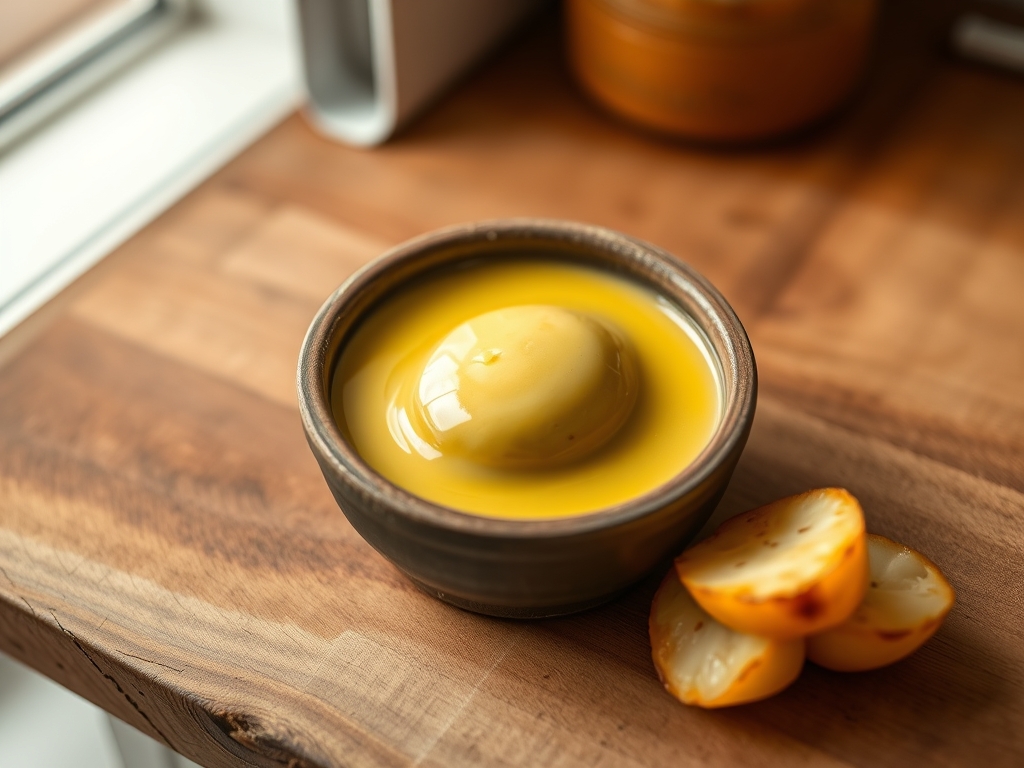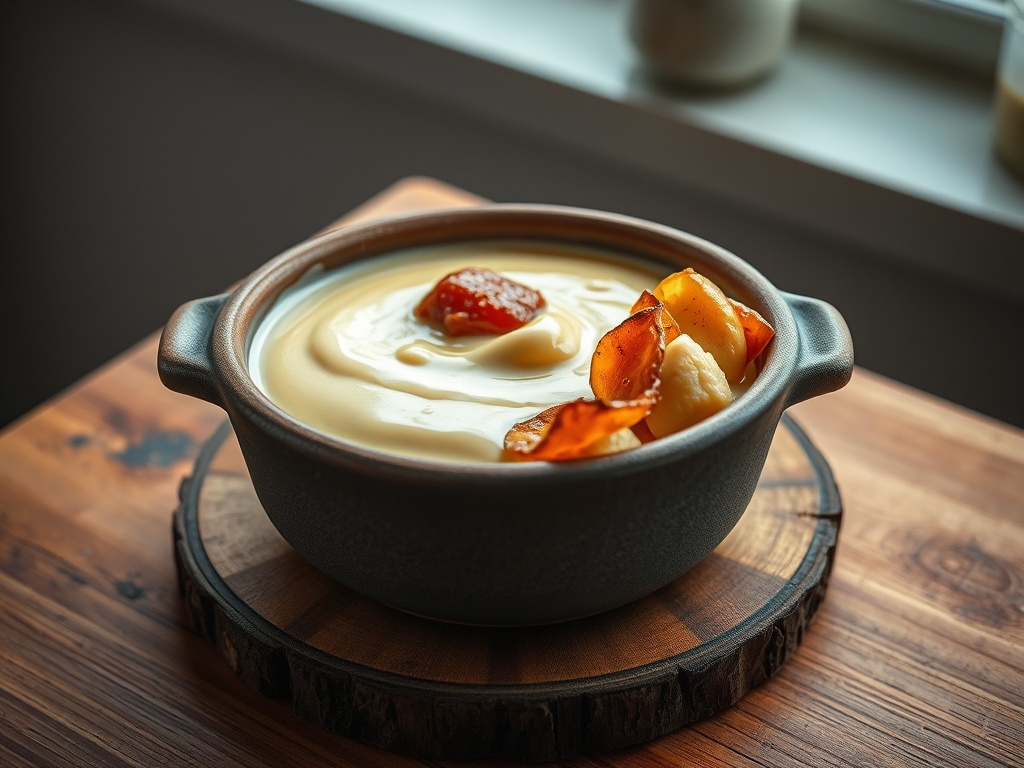
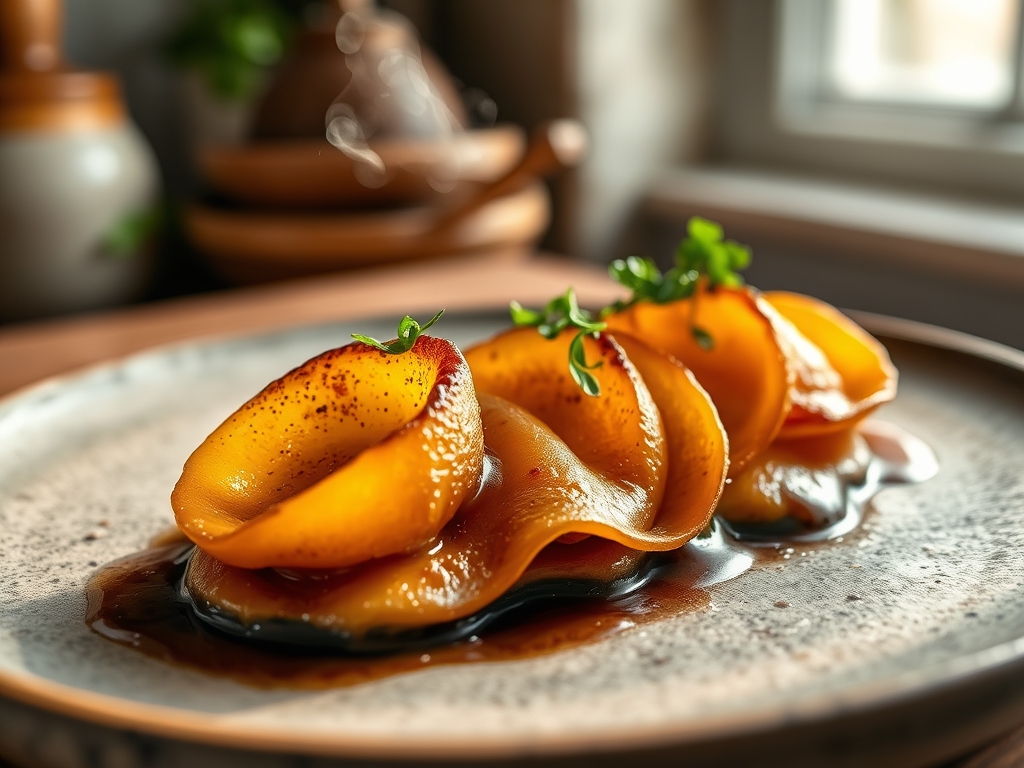
The kitchen is a high-stakes laboratory where physics meets gluttony; nowhere is this more evident than in the pursuit of Quenelle Geometry. Forget the haphazard scoop or the clumsy dollop. We are here to discuss the architecture of the perfect three-sided ellipsoid. Imagine a mousse so viscous it holds its shape against the heat of a gleaming copper saucier, its surface reflecting the ambient light of a professional pass. This is not merely food; it is a structural achievement. When your spoon glides through a chilled chocolate ganache or a savory salmon mousse, the resistance should be uniform. The goal is a seamless, aerodynamic curve that suggests the chef possesses the steady hands of a neurosurgeon and the aesthetic eye of a Renaissance sculptor. Achieving this level of precision requires an intimate understanding of surface tension and temperature gradients. If your protein is too warm, the structure collapses; if it is too cold, the texture becomes grainy and resistant to the aerate process. We are auditing the very soul of the plate.
THE DATA MATRIX
| Metric | Specification |
|---|---|
| Prep Time | 45 Minutes |
| Execution Time | 15 Minutes |
| Yield | 12 Ellipsoids |
| Complexity (1-10) | 8 |
| Estimated Cost per Serving | $4.50 |
THE GATHERS
Ingredient Protocol:
- 500g / 1.1 lbs High-Quality Bittersweet Chocolate (70% Cacao)
- 250ml / 1 cup Heavy Cream (36% Milk Fat)
- 50g / 3.5 tbsp Unsalted European Butter
- 5ml / 1 tsp Pure Vanilla Extract
- 2g / 0.25 tsp Flaked Sea Salt
- 100ml / 0.4 cup Whole Milk (for consistency adjustment)
Section A: Ingredient Quality Audit:
The most common failure point in Quenelle Geometry is the fat-to-solid ratio. If your heavy cream has a fat content lower than 36%, the resulting mousse will lack the structural integrity to hold a sharp edge. It becomes a puddle rather than a monument. To fix a low-fat cream issue, you must render out excess moisture by simmering the cream slightly before incorporation, though this risks scorching. If your chocolate is "bloomed" or has white streaks, the cocoa butter has separated. You can rescue this by using a digital scale to precisely measure and add 5% additional cocoa butter or a neutral oil to re-establish the emulsion. Never settle for "baking chips" which contain stabilizers that fight against a smooth, viscous finish.
THE MASTERCLASS
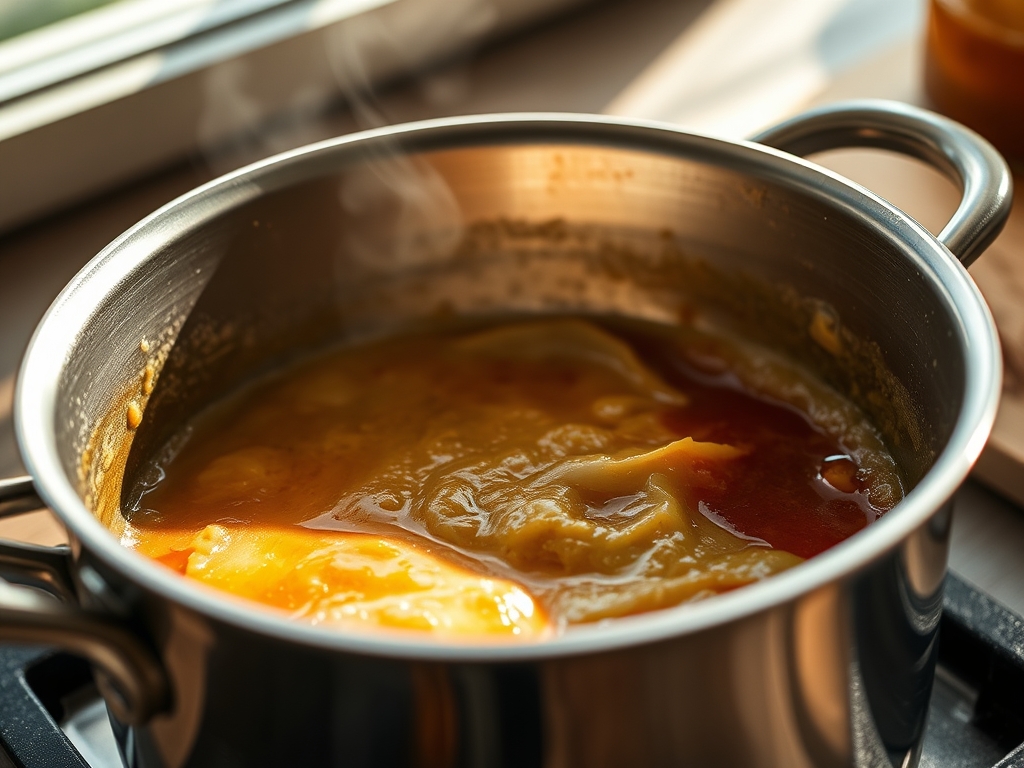
Step 1: The Thermal Foundation
Begin by creating a stable ganache base. Heat your cream in a heavy-bottomed saucier until it reaches a micro-simmer. Do not let it boil over; this destroys the protein structure. Pour the hot liquid over your finely chopped chocolate and let it sit for two minutes before stirring from the center outward to create a perfect emulsion.
Pro Tip: Use a digital scale to ensure your ratios are exact. The science of the quenelle relies on the specific gravity of the mixture. A deviation of even 5 grams can result in a texture that is too soft to hold the "peak" required for geometric excellence.
Step 2: The Aeration Phase
Once the mixture has cooled to 35 degrees Celsius, use a whisk to gently aerate the mass. You are looking for a change in light refraction; the mixture will turn from a deep, dark gloss to a slightly matte, velvet finish. This indicates that air micro-bubbles are supporting the fat molecules.
Pro Tip: Avoid over-whisking. If you push past the "soft peak" stage, the fat will begin to clump, destroying the silken mouthfeel. A bench scraper can be used to clean the sides of the bowl, ensuring every gram of product is uniformly aerated.
Step 3: The Two-Spoon Maneuver
Dip two large dessert spoons into a container of hot water. Shake off the excess moisture. Scoop a generous portion of the mousse with one spoon, then use the second spoon to "scrape" the mixture out of the first, rotating your wrist 180 degrees. Repeat this motion three times to create three distinct, sharp faces.
Pro Tip: The hot water reduces surface friction, allowing the spoon to glide across the fats without tearing the surface. This is the secret to that "glass-like" finish seen in high-end culinary photography.
Step 4: The Set and Polish
Place the formed quenelles onto a chilled parchment-lined tray. Use a bench scraper to nudge any imperfect edges into alignment while the mixture is still semi-pliable. Transfer to a blast chiller or the coldest part of your refrigerator for at least 20 minutes to lock in the Quenelle Geometry.
Pro Tip: Cold stabilizes the cocoa butter crystals. If you attempt to plate too early, the base of the ellipsoid will flatten under its own weight, ruining the aerodynamic profile.
Section B: Prep & Timing Fault-Lines:
Timing is the silent killer of the ellipsoid. If you wait too long after aeration, the mixture sets in the bowl, and your spoons will leave jagged, "torn" marks instead of smooth planes. Conversely, if you rush the process while the ganache is still warm, the quenelle will sag into a sad, circular mound. The "Goldilocks Zone" is typically between 18 and 22 degrees Celsius. Use an infrared thermometer to audit your workspace temperature. If the room is too hot, work over an ice bath to maintain the viscous nature of the fats.
THE VISUAL SPECTRUM
Section C: Thermal & Visual Troubleshooting:
In the Masterclass photo, observe the sharp "spine" running down the center of the ellipsoid. This is the hallmark of a successful audit. If your quenelles appear dull or "dusty," you have likely over-aerated, introducing too much oxygen which leads to rapid oxidation. If the color is uneven, your emulsion was not fully homogenized in the saucier. To fix a dull finish, a quick pass with a culinary blowtorch from a distance of twelve inches can flash-melt the surface just enough to restore a high-gloss sheen. If you see tiny air pockets or "pits" on the surface, your scooping motion was too slow, allowing the mixture to drag against the metal of the spoon.
THE DEEP DIVE
Macro Nutrition Profile:
A single 50g quenelle provides approximately 220 calories, 18g of fat, 14g of carbohydrates, and 2g of protein. It is a high-density energy unit designed for sensory impact rather than volume consumption.
Dietary Swaps:
For a Vegan alternative, replace heavy cream with full-fat coconut cream and use a dairy-free dark chocolate. The Quenelle Geometry remains possible because coconut fat mimics the saturation levels of dairy fat. For Keto enthusiasts, utilize a 100% cacao mass sweetened with erythritol; the lack of sugar actually increases the structural rigidity, making the shaping process easier.
Meal Prep & Reheating Science:
Quenelles are best served 20 minutes after being removed from refrigeration. To maintain the molecular structure, do not freeze them, as ice crystals will puncture the fat cells and cause "weeping" upon thawing. If you must store them, use an airtight container to prevent the absorption of "fridge smells" which can infuse the fat and ruin the piquant profile of the chocolate.
THE KITCHEN TABLE
How do I stop the mousse from sticking to the spoon?
The secret is the "hot dip." Keep your spoons in a carafe of 80 degree Celsius water. The heat creates a microscopic layer of melted fat that acts as a lubricant, ensuring a clean release every time.
Can I use a scoop instead of two spoons?
You can, but you will lose the "ellipsoid" designation. A scoop creates a sphere; Quenelle Geometry requires the three-sided tapered shape that only the two-spoon rotation can provide. Precision is non-negotiable in this audit.
Why did my quenelle collapse on the plate?
Your plate was likely too warm or the mousse didn't reach the proper set point. Always chill your service ware. A warm plate will render the bottom of the quenelle, causing it to slide and lose its structural integrity.
What is the best spoon shape for this?
Look for spoons with a deep, tapered bowl rather than a round, shallow one. The "taper" of the spoon dictates the final "point" of the quenelle. High-quality silver-plated spoons offer the best thermal conductivity for the hot-dip method.