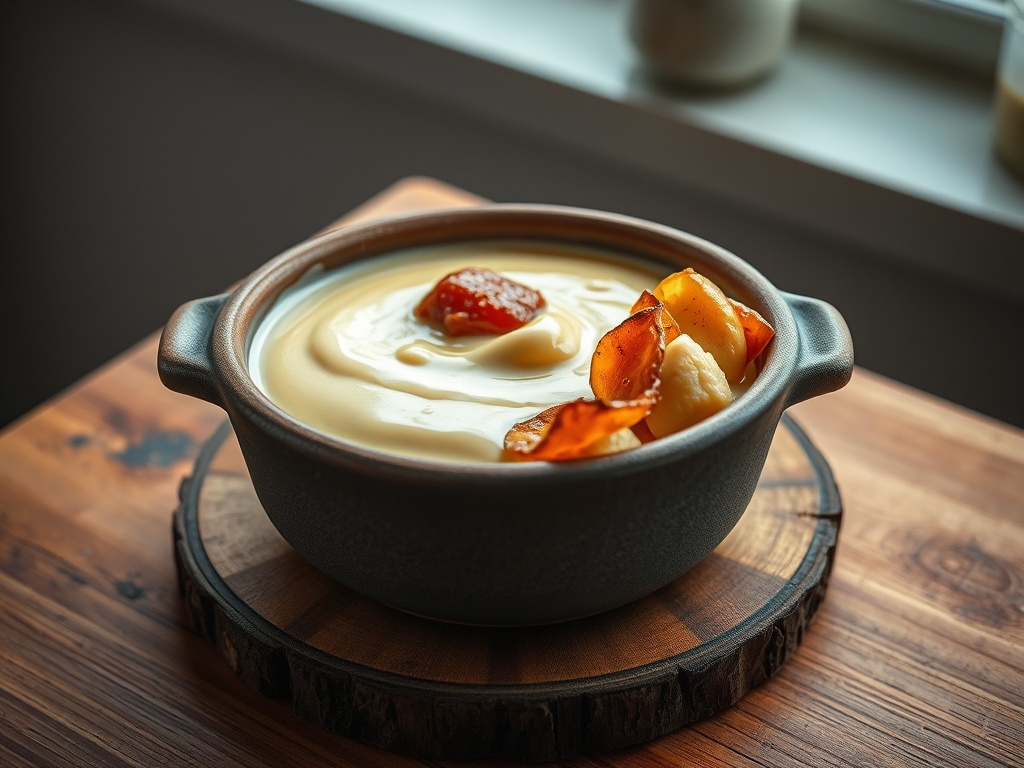
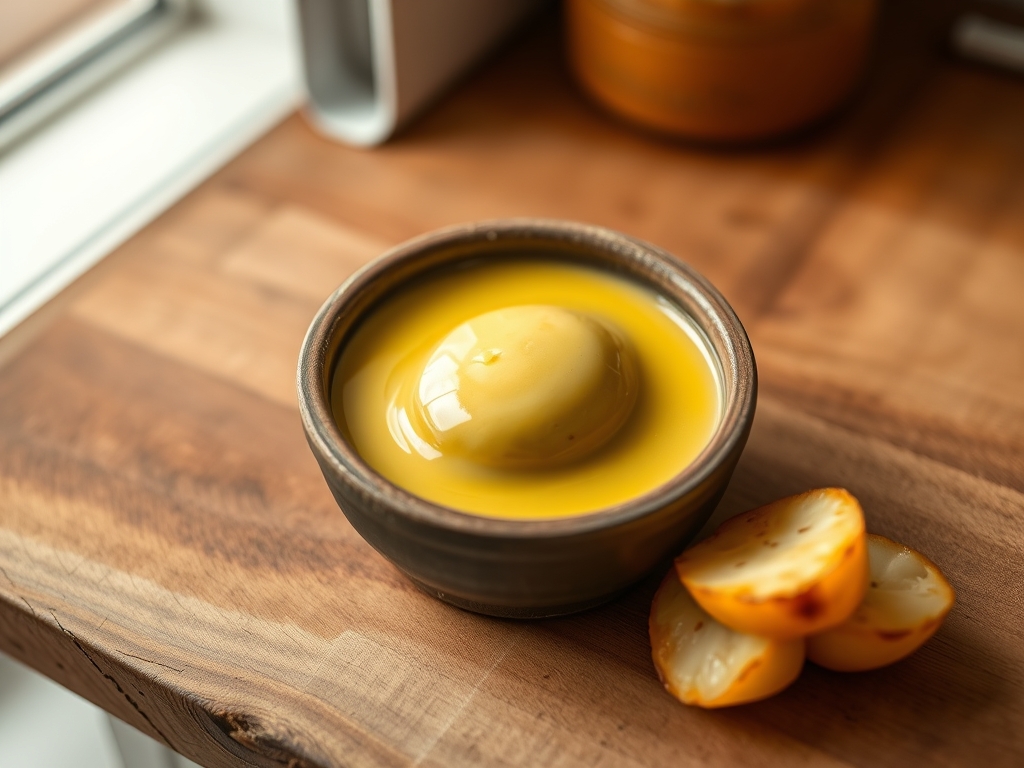
Listen up; the kitchen is a battlefield where the most volatile casualty is the Hollandaise Emulsion. We are not just making a sauce; we are conducting a high-stakes structural audit of lipid and aqueous phases. Imagine a velvet blanket of golden fat draped over a perfectly poached egg; it is the ultimate test of a chef's temperament and technical precision. If your butter is too hot, the proteins denature and flee. If your whisking is lethargic, the suspension collapses into an oily puddle of failure. We require a perfect marriage of clarified butter and egg yolks, bound together by the sheer force of kinetic energy and acidic intervention. This is the gold standard of the Mother Sauces. It demands a visceral commitment to temperature control and a piquant finish that cuts through the richness like a scalpel. We are here to master the physics of the Hollandaise Emulsion, ensuring every molecule stays in its lane while delivering a sensory explosion that defines the brunch experience.
THE DATA MATRIX
| Metric | Specification |
|---|---|
| Prep Time | 10 Minutes |
| Execution Time | 15 Minutes |
| Yield | 350ml / 1.5 Cups |
| Complexity (1-10) | 8 (High Risk) |
| Estimated Cost per Serving | $0.85 USD |
THE GATHERS
Ingredient Protocol:
- 3 Large Egg Yolks (approx. 55g / 2 oz): The primary emulsifier.
- 250g / 1 cup Unsalted Butter: High-quality European style preferred for lower water content.
- 15ml / 1 tbsp Fresh Lemon Juice: The structural acid and flavor brightener.
- 2g / 0.5 tsp Fine Sea Salt: To enhance the lipid profile.
- 0.5g / 1 pinch Cayenne Pepper: For a subtle heat finish.
- 15ml / 1 tbsp Warm Water: To stabilize the initial yolk foam.
Section A: Ingredient Quality Audit:
If your eggs are not farm-fresh, the lecithin content may be degraded; this results in a weak Hollandaise Emulsion that breaks under the slightest thermal stress. To fix this, add a half-teaspoon of mustard powder; the mucilage acts as a secondary stabilizer. If using salted butter, reduce the added sea salt to zero to prevent an electrolyte imbalance that can cause the sauce to taste metallic. If your lemons are old and lack acidity, the sauce will feel heavy and cloying on the palate; always use fresh citrus to ensure the pH level is low enough to cut through the butterfat.
THE MASTERCLASS
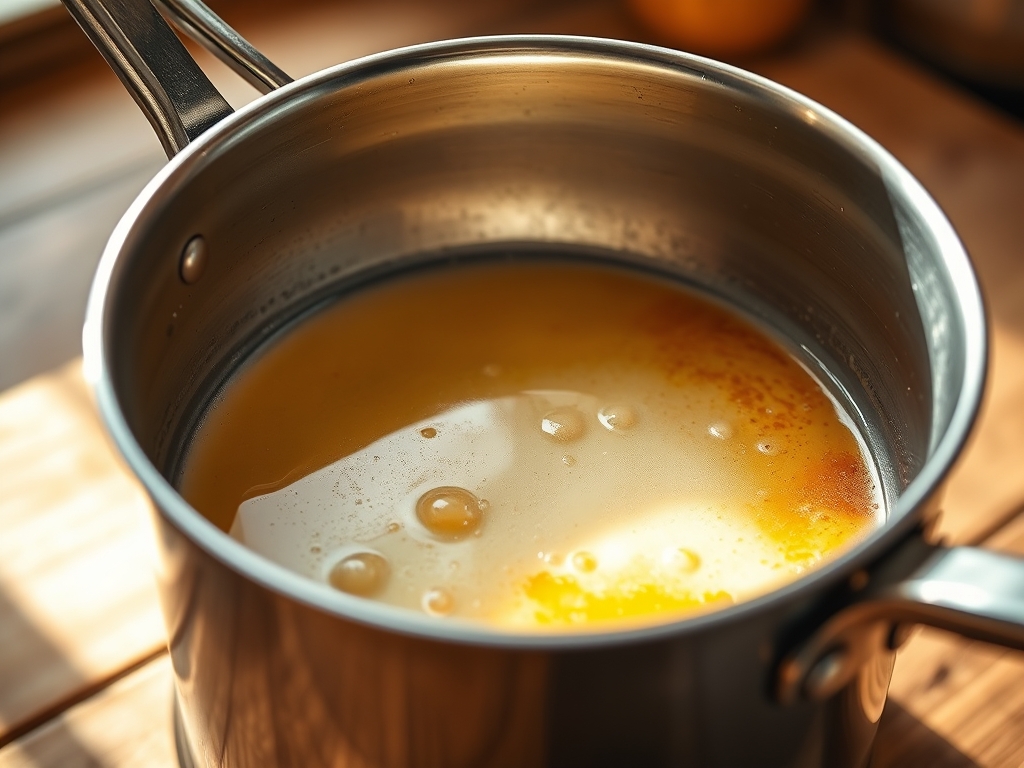
Step-by-Step Execution:
1. The Lipid Preparation: Rendering the Gold
Place your unsalted butter in a small heavy-bottomed saucepan over low heat. We need to render the fat until the milk solids separate and sink. Skim the foam from the surface to create a pure, translucent fat. This clarified butter should be held at approximately 60C (140F) on a digital scale or monitored with an infrared thermometer.
Pro Tip: Using clarified butter instead of whole butter raises the smoke point and removes the water that can destabilize the Hollandaise Emulsion. Professional chefs often use a saucier for this because the rounded bottom prevents solids from scorching in the corners.
2. The Sabayon Foundation: Aerate and Temper
In a stainless steel mixing bowl, combine the egg yolks, lemon juice, and warm water. Place the bowl over a pot of barely simmering water (a bain-marie). Whisk vigorously in a figure-eight motion until the mixture triples in volume and becomes pale and viscous.
Pro Tip: The goal here is to aerate the yolks while gently cooking them to 65C (150F). If you see scrambles forming, your heat is too high; immediately pull the bowl and whisk in a splash of cold water to drop the temperature.
3. The Emulsification Phase: Slow Integration
Begin drizzling the warm butter into the yolk mixture in a thin, microscopic stream. Whisk constantly. You are forcing tiny droplets of fat to be surrounded by the lecithin in the yolks. As the sauce thickens, you can slightly increase the pour rate, but never stop the kinetic motion.
Pro Tip: Use a silicone whisk to reach every millimeter of the bowl's surface. This ensures no pockets of un-emulsified fat remain, which are the primary cause of a sauce "breaking" or separating later.
4. The Final Calibration: Season and Infuse
Once all the butter is integrated, the sauce should hold a ribbon shape when the whisk is lifted. Whisk in the salt and cayenne pepper. Taste for balance; the acidity should be piquant enough to make the mouth water but not so sharp that it masks the creamy butter.
Pro Tip: If the sauce is too thick, whisk in a few drops of warm water. This adjusts the viscosity without adding more fat, maintaining the delicate structural integrity of the Hollandaise Emulsion.
Section B: Prep & Timing Fault-Lines:
The most common human error is the "Thermal Shock." If your butter is too hot (above 80C), it will cook the yolks instantly, turning your sauce into scrambled eggs. Conversely, if the butter is too cold, it will not properly integrate, leading to a greasy, heavy texture. Timing is also critical; if you whisk the yolks for too long before adding fat, they will lose their ability to stretch around the lipid molecules. Use a digital scale for your mise en place to ensure you aren't fumbling with measuring cups while your yolks are over-cooking.
THE VISUAL SPECTRUM
Section C: Thermal & Visual Troubleshooting:
Referencing the Masterclass photo above, look for the "Satin Sheen." A perfect Hollandaise Emulsion should have a glossy, reflective surface, not a matte or oily one. If your sauce looks dull or grainy, the proteins have likely over-coagulated; you can sometimes save this by whisking in a tablespoon of heavy cream. If you see yellow oil pooling at the edges, the emulsion has broken. To fix a broken sauce, start a new yolk with a teaspoon of water in a clean bowl, then slowly whisk the broken sauce into it as if it were the butter. The visual cue for a perfect finish is a pale lemon-yellow color; any brownish tint suggests the butter was burnt during the rendering phase.
THE DEEP DIVE
Macro Nutrition Profile:
This sauce is a lipid powerhouse. Per 30ml (2 tbsp) serving: 160 Calories, 18g Fat, 1g Protein, 0g Carbohydrates. It is a high-density energy source designed for indulgence.
Dietary Swaps:
- Vegan: Substitute butter with a high-quality vegan buttery spread and replace egg yolks with a mixture of silken tofu and nutritional yeast. Use a high-speed blender to achieve the necessary shear force.
- Keto/GF: Naturally compliant. Ensure your spices do not contain anti-caking agents that include gluten.
Meal Prep & Reheating Science:
Hollandaise is notoriously difficult to reheat because the emulsion is held together by delicate protein bonds. To store, place in a thermos to keep it warm for up to two hours. To reheat, use a double boiler on the lowest possible heat and whisk in a teaspoon of warm water. Never microwave it; the localized heat spikes will cause the lipids to separate instantly.
THE KITCHEN TABLE
Why did my sauce break after five minutes?
Temperature fluctuations are the culprit. If the sauce cools too much, the butter solidifies; if it stays too hot, the eggs overcook. Keep it in a warm (not hot) spot to maintain the Hollandaise Emulsion.
Can I use a blender for this?
Yes, a high-speed blender provides excellent shear force. However, the friction can generate heat quickly, so monitor the temperature closely to avoid cooking the yolks prematurely during the integration phase.
My sauce is too thin; what happened?
You likely did not whisk the yolks enough during the sabayon stage or added the butter too quickly. You need that initial aeration to create the "traps" for the fat droplets to sit in.
Is there a way to make it lighter?
You can fold in a whipped egg white at the very end to create a Mousseline sauce. This maintains the flavor profile while adding a cloud-like texture that feels less heavy on the palate.