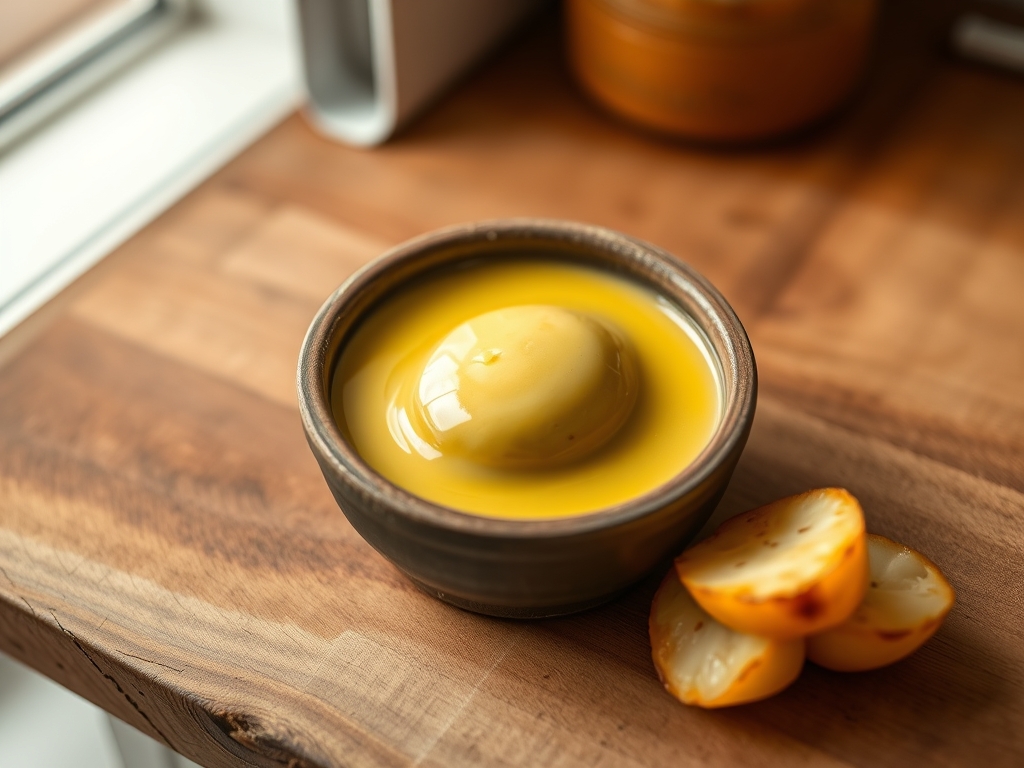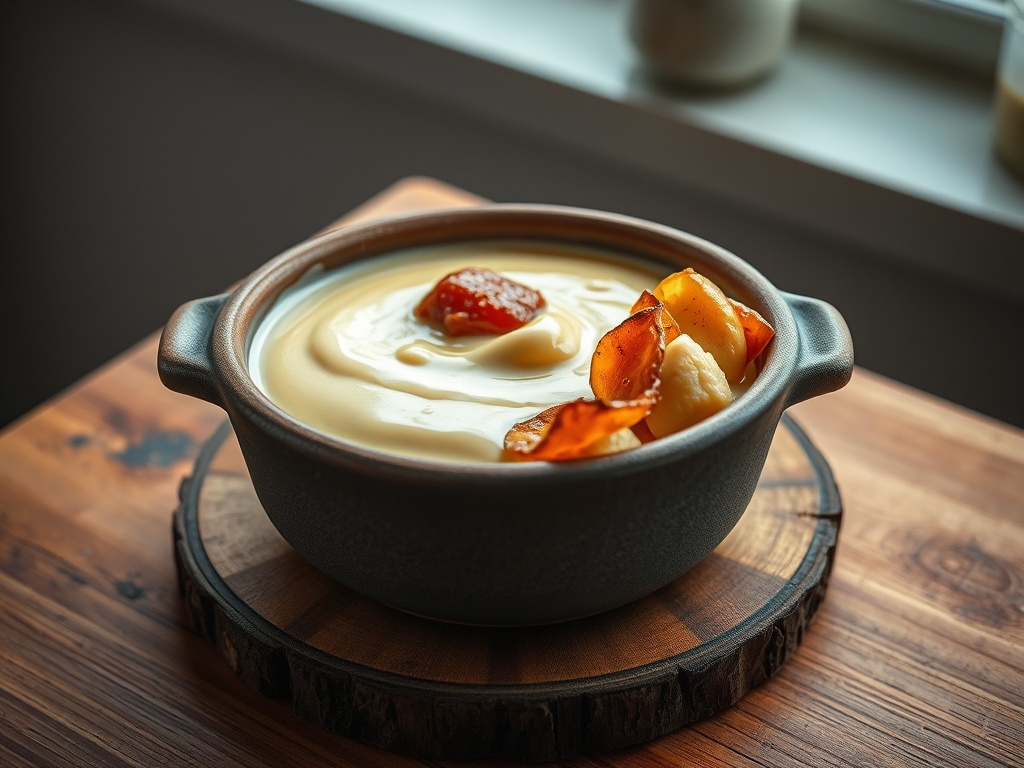
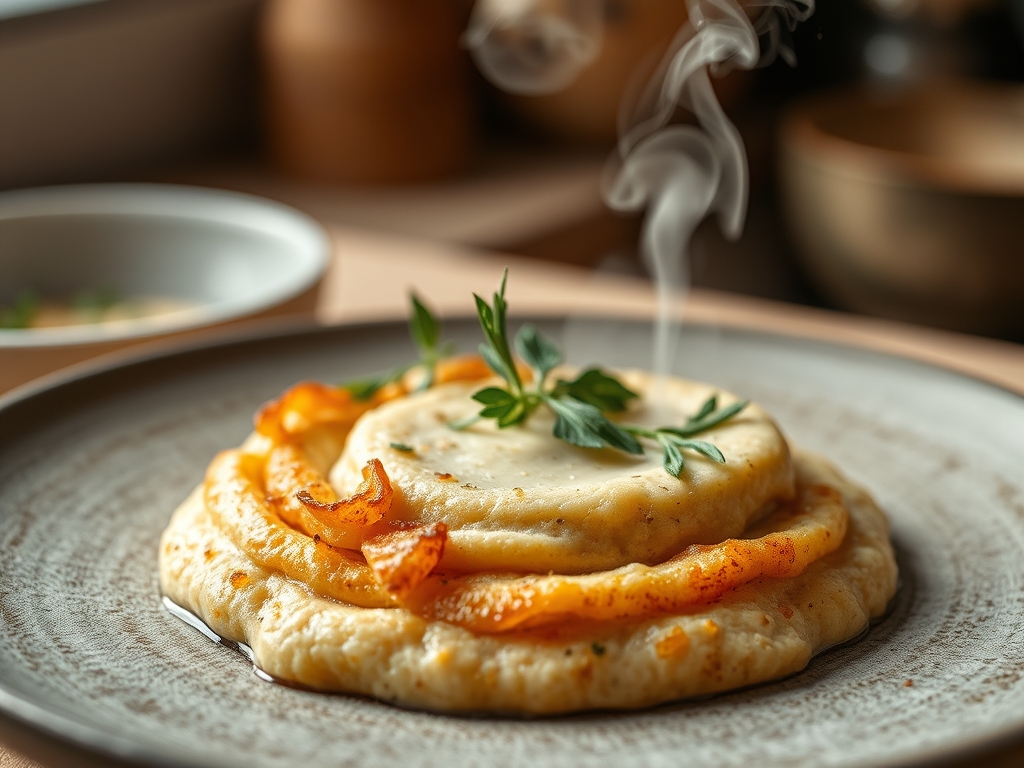
Forget everything you think you know about breakfast slurry. We are not here to discuss the beige, lumpy wallpaper paste of your childhood. We are here to conduct a high precision audit of semolina particle suspension. To the uninitiated, it is a bowl of hot cereal; to the culinary architect, it is a delicate balance of starch gelatinization and thermal management. We are diving deep into the Cream of Wheat Data to understand how a simple milled endosperm transforms into a velvet tapestry of carbohydrates. The margin for error is razor thin. One degree too high and you face a scorched bottom; one second too slow with the whisk and you have created a structural failure of dry, floury nodules. We are looking for a specific viscous profile that coats the palate without overwhelming it. This is about the physics of hydration. We are auditing the ratio of liquid to solid to ensure the final product achieves a shimmering, glass-like surface that holds its heat like a thermal battery. Let us begin the calibration.
THE DATA MATRIX
| Metric | Specification |
|---|---|
| Prep Time | 2 Minutes |
| Execution Time | 5 Minutes |
| Yield | 1 Serving (approx. 300g) |
| Complexity (1-10) | 4 |
| Estimated Cost per Serving | $0.45 |
THE GATHERS
Ingredient Protocol:
- Dry Semolina (Cream of Wheat): 45g / 3 tbsp
- Whole Milk or Water: 240ml / 1 cup
- Sea Salt: 1.5g / 1/4 tsp
- Unsalted Butter: 14g / 1 tbsp
- Granulated Sugar or Maple Syrup: 15ml / 1 tbsp
- Vanilla Bean Paste: 2ml / 1/2 tsp
Section A: Ingredient Quality Audit:
The primary failure point in the ingredient phase is the age of the semolina. If the particles have oxidized, the flavor profile shifts from nutty to metallic. To fix this, store your grains in an airtight, UV-protected container. If your milk is nearing its expiration, the lactic acid will react with the heat and cause premature curdling during the infusion stage. Always use the freshest dairy possible. If you find your cereal lacks depth, the issue is likely a salt deficiency. Salt is not a seasoning here; it is a chemical catalyst that unlocks the sweetness of the grain. If the texture feels "sandy," your water-to-grain ratio is likely skewed by evaporation. Use a lid during the resting phase to trap steam and ensure full hydration of the particle core.
THE MASTERCLASS
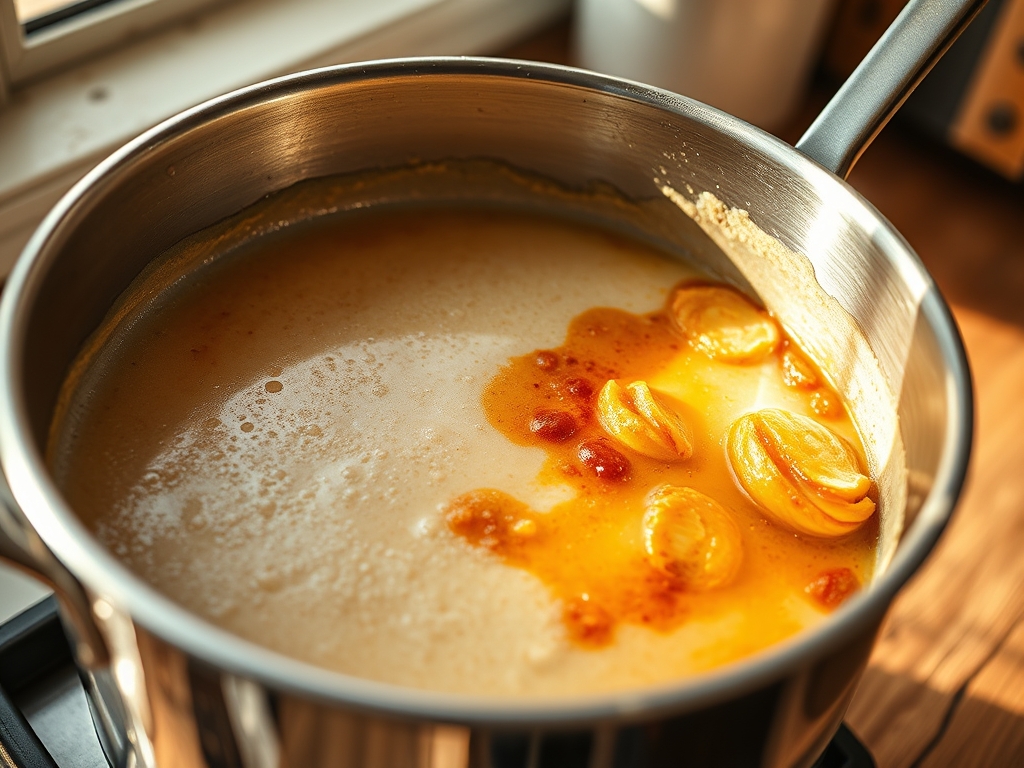
1. Thermal Priming
Place your saucier over medium-high heat and add your liquid base and salt. Bringing the liquid to a "shivering" boil rather than a violent rolling boil prevents excessive evaporation. Using a saucier with curved sides is essential because it eliminates the 90-degree corners where dry flour can hide and clump.
Pro Tip: Use a digital scale to measure your liquid by weight (1g = 1ml) rather than volume. This eliminates the "meniscus error" inherent in glass measuring cups and ensures your Cream of Wheat Data remains consistent every single morning.
2. The Vortex Injection
Once the liquid reaches 100 degrees Celsius, create a gentle whirlpool with a balloon whisk. Slowly rain the semolina into the center of the vortex. This method ensures that every individual particle is immediately surrounded by hydrating liquid, preventing the dreaded "clump-core" where dry flour is insulated by a gelatinous outer shell.
Pro Tip: Constant agitation with a whisk is required for the first 30 seconds to aerate the mixture and prevent the heavy grains from sinking to the bottom and scorching against the heat source.
3. The Gelatinization Phase
Reduce the heat to low. Continue to stir as the mixture thickens. You are looking for the moment the starch granules swell and burst, releasing amylose to create a thick, viscous matrix. This usually occurs around the 3-minute mark.
Pro Tip: Use a silicone spatula or a bench scraper to wipe the sides of the pan. Any stray grains left on the dry walls of the pot will not hydrate properly and will eventually fall back into the mix as hard, gritty artifacts.
4. The Emulsification Finish
Remove from heat while the mixture is still slightly more fluid than your desired final result. Whisk in the cold butter and vanilla paste. The cold fat will render into the hot starch, creating a glossy, silk-like emulsion that improves the mouthfeel and adds a piquant richness.
Pro Tip: Residual heat will continue to cook the grain for 2 minutes after it leaves the stove. If it looks "perfect" in the pan, it will be "too thick" in the bowl. Account for this thermal carryover.
Section B: Prep & Timing Fault-Lines:
The most common human error is the "Walk Away." If you leave the stove to check your phone, the bottom layer of the cereal will undergo a rapid Maillard reaction that is undesirable in a white cereal. This results in "burnt-bit syndrome." Another timing error is adding sugar too early. Sugar is hygroscopic; it competes with the grain for water. If you add it at the start, the grain may never fully soften. Always add sweeteners during the final 60 seconds of execution.
THE VISUAL SPECTRUM
Section C: Thermal & Visual Troubleshooting:
Look closely at the Masterclass photo. Notice the "sheen" on the surface. If your bowl looks matte or dull, you have under-hydrated the starch or omitted the fat. If the color is greyish, your water may have high mineral content; use filtered water for a brighter white. If you see uneven "islands" of thickness, your whisking technique was inconsistent, leading to uneven thermal distribution. The "crater" in the center of the photo suggests a perfectly weighted suspension that is dense enough to hold toppings but fluid enough to level itself out. If your spoon leaves a permanent canyon in the cereal, it is overcooked. Add a splash of warm milk to re-calibrate the viscosity.
THE DEEP DIVE
Macro Nutrition Profile:
A standard serving provides approximately 150 calories (prepared with water). It is a powerhouse of iron, often providing 50 percent of the daily recommended value. It is low in fat but high in complex carbohydrates, providing sustained glucose release rather than a sharp spike.
Dietary Swaps:
- Vegan: Substitute whole milk with oat milk. Oat milk contains natural gums that mimic the viscous nature of dairy fat perfectly.
- Keto: Semolina is a high-carb grain. For a keto "n'oatmeal," swap the grain for a mix of hemp hearts and almond flour.
- GF: Use certified gluten-free corn grits or rice farina, though the Cream of Wheat Data will shift toward a grittier texture.
Meal Prep & Reheating Science:
When Cream of Wheat cools, it forms a "retrograded" starch structure, becoming a solid block. To reheat, you must break this crystalline structure. Add 30ml of liquid and use a whisk to vigorously aerate the mixture while microwaving in 30-second bursts. This restores the fluid suspension.
THE KITCHEN TABLE
Why is my Cream of Wheat lumpy?
You likely added the grain too fast or didn't whisk during the initial dump. The outer starch gelatinizes instantly, trapping dry flour inside. Next time, use the "rain" method into a boiling vortex.
Can I make this in a microwave?
Yes, but you sacrifice texture control. Use a deep bowl to prevent boil-over and stop every 45 seconds to whisk. The lack of constant agitation usually results in a less silky finish.
How do I get a "restaurant shine" on top?
The secret is the final "mount" of cold butter. Whisking in fat at the very end creates a lipid film that reflects light and prevents a skin from forming on the surface.
Is there a difference between 1-minute and 2-minute versions?
It comes down to particle size. The 1-minute version is ground finer for faster hydration. The standard version offers a superior "tooth" and more complex structural integrity.