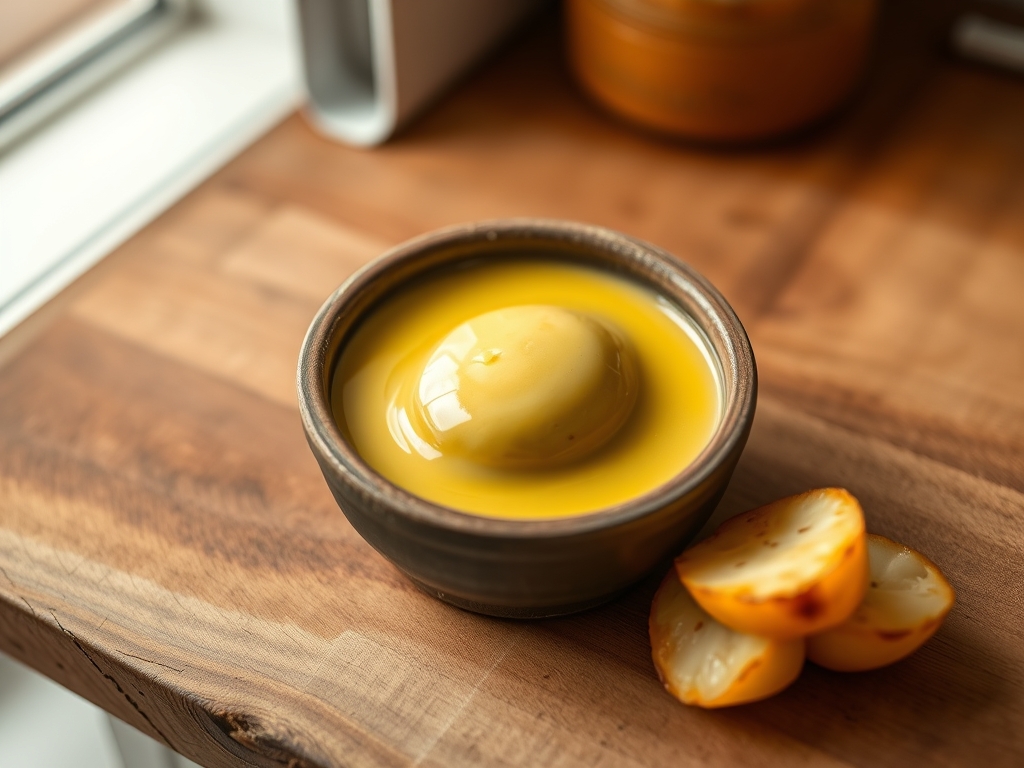
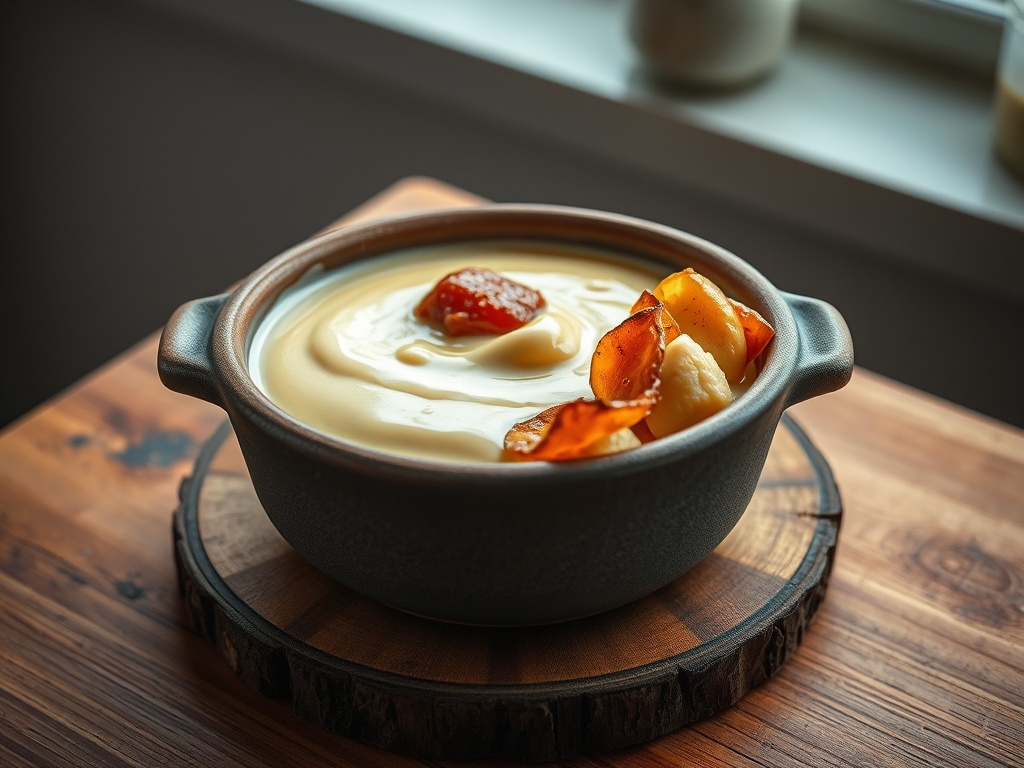
Imagine a high-speed collision between raw fat and aqueous protein. This is not just a condiment; it is a structural marvel of culinary engineering. When you whisk oil into a yolk, you are performing a delicate act of molecular defiance. You are forcing two substances that naturally loathe one another into a permanent, stable embrace. This is the Mayonnaise Suspension, a microscopic lattice where billions of tiny oil droplets are held captive by the phospholipid power of egg yolk lecithin. The result is a texture that is simultaneously heavy and ethereal; it is viscous, rich, and carries a piquant punch that cuts through the heaviest of proteins. If you fail, you have a greasy, broken puddle. If you succeed, you have created a structural foundation that serves as the bedrock for global saucier traditions. We are moving beyond the jar. We are auditing the very infrastructure of cold emulsions to ensure your kitchen produces nothing less than a masterpiece of textural stability and flavor density.
THE DATA MATRIX
| Metric | Specification |
|---|---|
| Prep Time | 10 Minutes |
| Execution Time | 5 Minutes |
| Yield | 350ml / 1.5 Cups |
| Complexity (1-10) | 7 |
| Estimated Cost per Serving | $0.12 |
THE GATHERS
Ingredient Protocol:
- 2 Large Egg Yolks (Room Temperature)
- 15ml / 1 tbsp Dijon Mustard
- 5ml / 1 tsp White Wine Vinegar or Lemon Juice
- 300ml / 1.25 cups Neutral Oil (Grapeseed or Avocado)
- 2g / 0.5 tsp Fine Sea Salt
- 15ml / 1 tbsp Warm Water (The stabilizer)
Section A: Ingredient Quality Audit:
The primary failure point in a Mayonnaise Suspension is the temperature of the lipids and proteins. Cold yolks are stubborn; their lecithin molecules are tightly coiled and resistant to bonding. If your yolks are straight from the refrigerator, place them in a small bowl over a warm water bath for three minutes to infuse them with just enough kinetic energy to loosen their molecular grip. Furthermore, avoid extra virgin olive oil for the primary volume. The high-speed shearing of a whisk or blender can oxidize the polyphenols in premium olive oil, resulting in a bitter, metallic aftertaste. Use a neutral oil for the structure and finish with a splash of premium oil for flavor.
THE MASTERCLASS
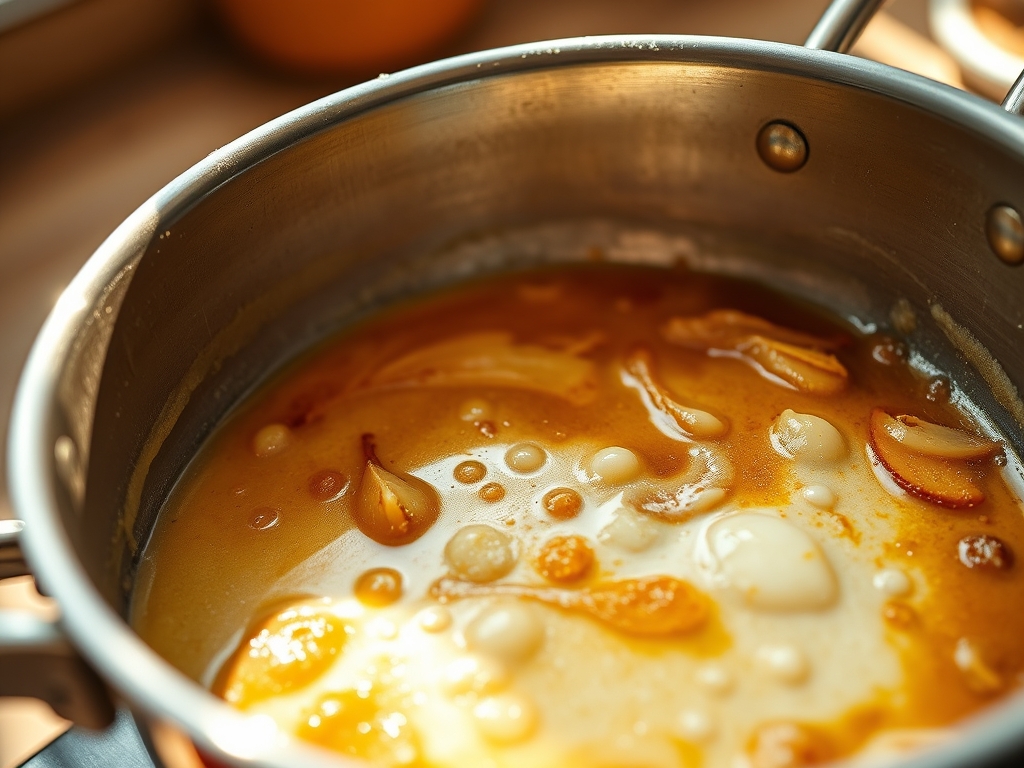
Step-by-Step Execution:
1. The Anchor Phase
Place your yolks, mustard, and acid into a heavy stainless steel bowl or a specialized saucier. Use a damp kitchen towel rolled into a "nest" to secure the bowl to the counter. This allows for two-handed control during the critical phase. Whisk the base until it is completely homogenous and slightly pale.
Pro Tip: Use a digital scale to measure your oil by weight rather than volume. 0.92 grams per milliliter is the standard density for most vegetable oils. Precision prevents over-saturation of the protein base.
2. The Micro-Drop Initiation
Begin adding the oil one drop at a time. This is the most volatile stage of the Mayonnaise Suspension. You are establishing the initial "seeds" of the emulsion. If you pour too fast now, the oil will coalesce and the mixture will break. Whisk vigorously to aerate the base while incorporating the fat.
Pro Tip: If the mixture looks oily or "shaggy" instead of smooth, stop adding oil immediately. Add a few drops of warm water and whisk until the surface becomes matte before continuing.
3. The Stream Integration
Once the mixture has thickened to the consistency of heavy cream, you can increase the oil flow to a thin, steady stream. Continue whisking in a figure-eight pattern to ensure every sector of the bowl is engaged. You will feel the resistance increase as the oil droplets pack closer together.
Pro Tip: Use a high-quality balloon whisk with at least 10 wires. The increased surface area of the wires helps to shear the oil into smaller, more stable droplets.
4. The Structural Finish
As you reach the end of your oil supply, the sauce should be stiff enough to hold a peak. Whisk in the salt and the tablespoon of warm water. The water acts as a buffer, providing more "room" for the oil droplets to move without colliding and merging. Use a bench scraper to clean the sides of the bowl and ensure total integration.
Pro Tip: Taste the emulsion now. The salt needs to be fully dissolved to properly season the fat. The warm water at the end also gives the mayo a professional, glossy sheen.
Section B: Prep & Timing Fault-Lines:
The most common human error is "Whisk Fatigue." If you slow down your agitation before the emulsion is set, the oil will pool. If you must rest, stop pouring the oil first. Another timing issue is the "Acid Delay." If you add all your vinegar at the very end, you risk thinning the suspension too much. Always start with half the acid to prime the proteins and finish with the rest to balance the flavor.
THE VISUAL SPECTRUM
Section C: Thermal & Visual Troubleshooting:
Look at the reference image above. Notice the "Satin Sheen" and the way the peaks hold their shape without drooping. If your mayo looks dull or "chalky," you have likely over-whisked and incorporated too much air, or your oil-to-yolk ratio is too high. If the color is overly yellow, your mustard ratio is high or your yolks were exceptionally rich in carotenoids. To fix a "broken" look where the oil is visible on the edges, start a fresh yolk in a clean bowl and slowly whisk the broken mixture into the new yolk. This resets the infrastructure from the ground up.
THE DEEP DIVE
Macro Nutrition Profile
A single tablespoon of this suspension carries approximately 100 calories, primarily derived from healthy fats. It contains trace amounts of Vitamin E and K from the oil, and Choline from the egg yolks. Because this is a raw preparation, the nutritional integrity of the fats remains uncompromised by high heat.
Dietary Swaps (Vegan/Keto/GF)
For a Vegan infrastructure, replace the egg yolks with aquafaba (chickpea canning liquid). The proteins in aquafaba mimic the emulsifying properties of lecithin. For Keto, ensure your oil source is 100% avocado or macadamia oil to maintain high monounsaturated fat content. This recipe is naturally Gluten-Free.
Meal Prep & Reheating Science
Never reheat a Mayonnaise Suspension. High heat will cause the proteins to coagulate and the oil to render out, destroying the lattice. For storage, place a piece of plastic wrap directly on the surface of the sauce to prevent a skin from forming. It will remain stable in the refrigerator for up to five days. If it firms up too much in the cold, whisk in a teaspoon of room-temperature water before serving to restore the viscous flow.
THE KITCHEN TABLE
Why did my mayonnaise turn out thin?
You likely added the oil too quickly or used too much acid early on. To fix this, whisk in another egg yolk or a teaspoon of boiling water to tighten the molecular bonds.
Can I use a food processor instead?
Yes, but use the slowest setting. High-speed blades can generate friction heat that "cooks" the yolk slightly, leading to a heavy, greasy texture rather than a light, aerated suspension.
Is it safe to use raw egg yolks?
For maximum safety, use pasteurized eggs. The acid from the lemon juice or vinegar also provides a mild antimicrobial environment, but temperature control remains the most critical safety factor.
Why is my mayo bitter?
This usually happens when using extra virgin olive oil in a high-speed blender. The blades break the oil's molecular structure, releasing bitter compounds. Hand-whisking or using neutral oils prevents this.