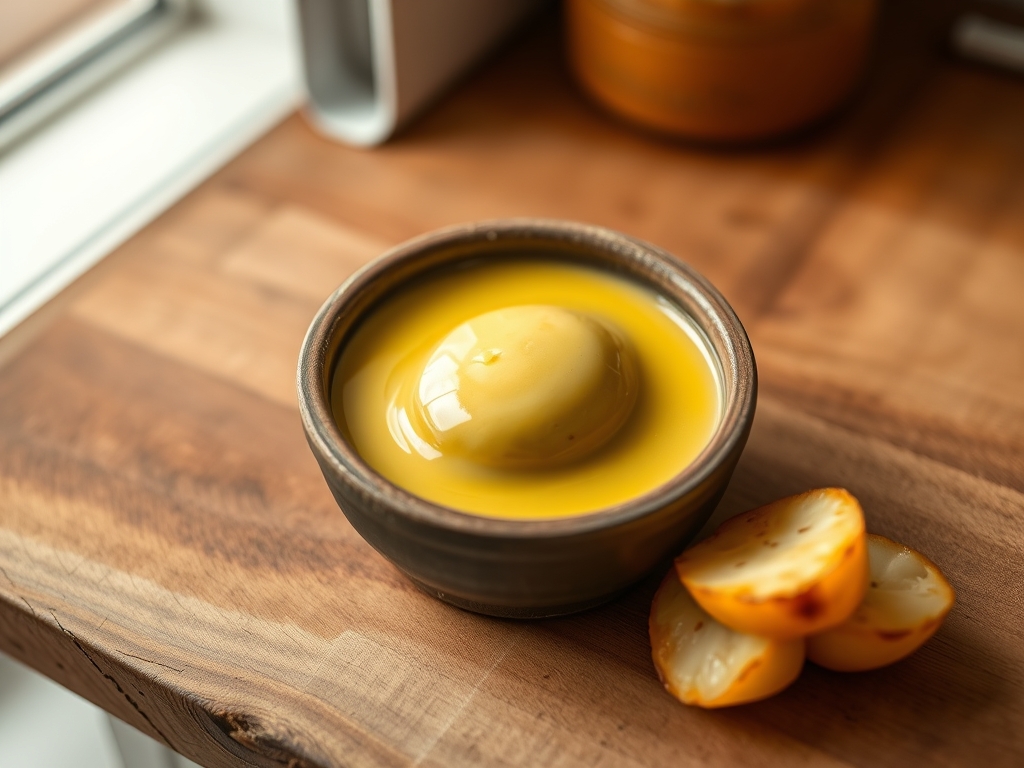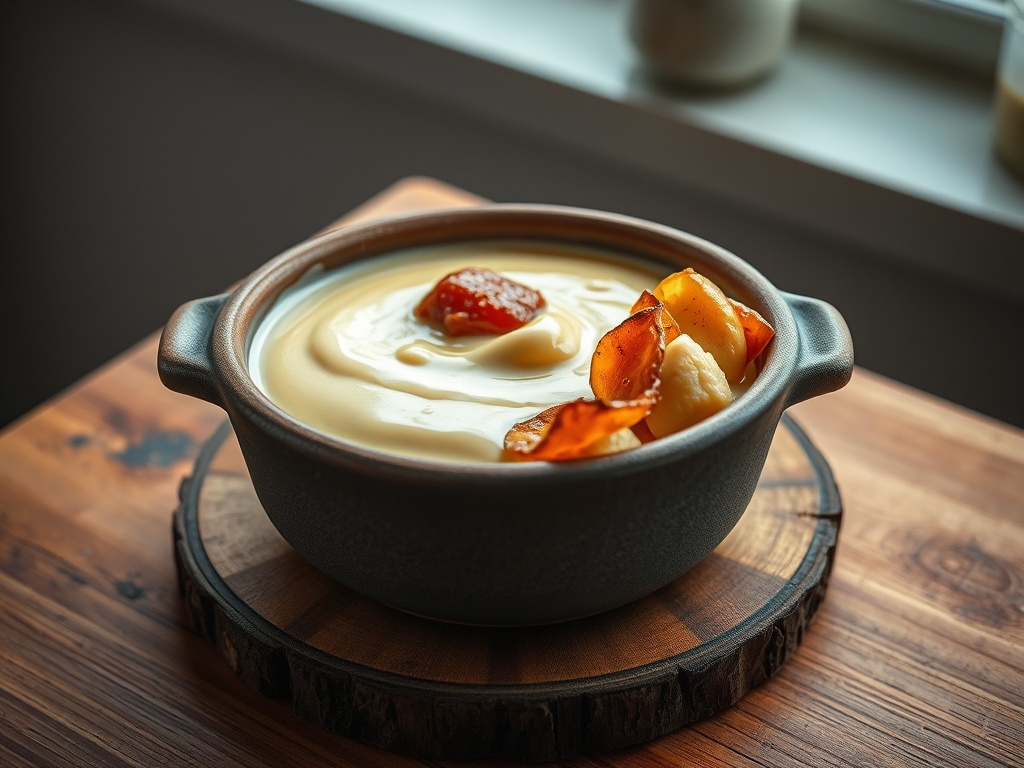
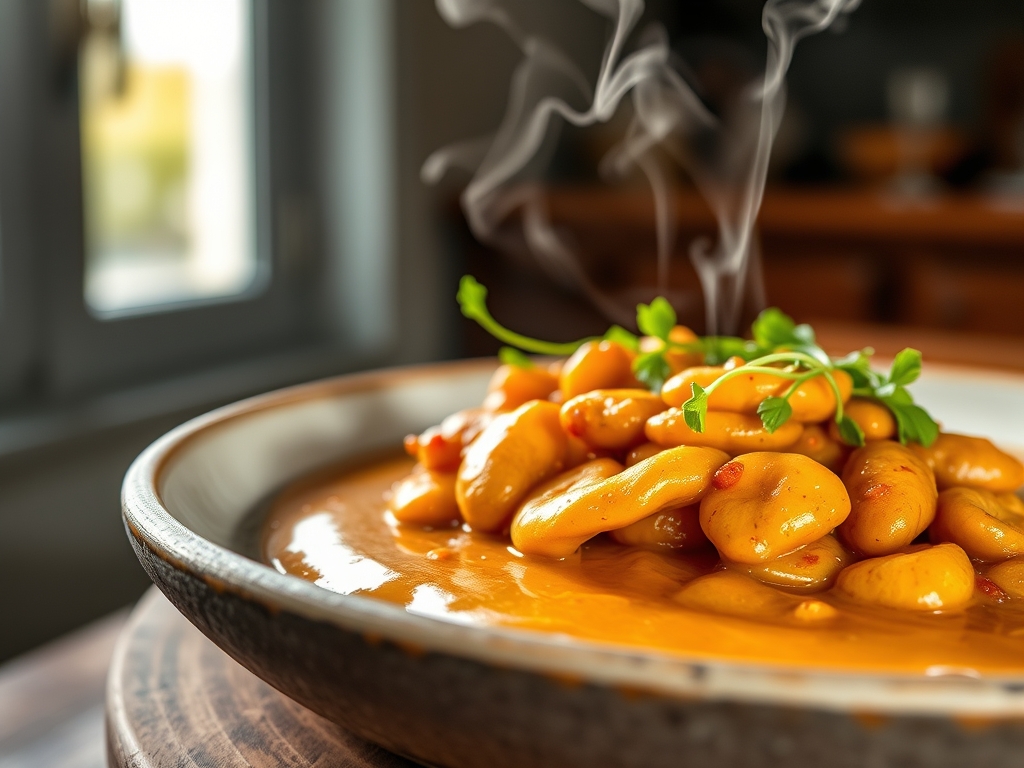
Stop treating your satay as a mere condiment and start viewing it as a structural masterpiece of lipid engineering. We are not just making a dip; we are constructing a high-viscosity suspension that must withstand the rigors of heat, humidity, and the gravitational pull of a skewered protein. The secret to a world-class satay lies in the concept of Peanut Sauce Density. This is the precise measurement of solid-to-liquid ratios that determines whether your sauce clings to the meat like a velvet shroud or slides off in a tragic, watery puddle. When you achieve the correct density, the sauce becomes a piquant vehicle for flavor, carrying the warmth of roasted legumes and the sharp sting of aromatics directly to the palate. We are looking for a texture that is thick enough to hold its shape on a spoon but fluid enough to coat a surface with a glossy, uniform sheen. This requires a deep understanding of how fats and sugars interact under thermal stress. Prepare your station; we are about to audit your emulsion protocols.
THE DATA MATRIX
| Metric | Specification |
|---|---|
| Prep Time | 20 Minutes |
| Execution Time | 15 Minutes |
| Yield | 500ml / 2 Cups |
| Complexity (1-10) | 4 |
| Estimated Cost per Serving | $0.85 USD |
THE GATHERS
Ingredient Protocol:
- 250g / 1.5 cups Dry Roasted Peanuts (Unsalted)
- 400ml / 1.7 cups Full-Fat Coconut Milk
- 50g / 3.5 tbsp Red Curry Paste
- 60ml / 4 tbsp Palm Sugar (Grated)
- 30ml / 2 tbsp Tamarind Paste
- 15ml / 1 tbsp Fish Sauce (or Soy Sauce for Vegan)
- 5g / 1 tsp Sea Salt
- 100ml / 0.4 cup Water (for thinning)
Section A: Ingredient Quality Audit:
If your peanuts are stale, your Peanut Sauce Density will suffer due to the breakdown of essential oils. Rancid nuts produce a bitter aftertaste that no amount of sugar can mask. Fix: Toast your nuts in a dry saucier for 3 minutes to reactivate the oils. If your coconut milk is "lite" or contains stabilizers like guar gum, the emulsion will be unstable and prone to breaking. Fix: Use only high-fat, canned coconut milk. If the curry paste lacks vibrancy, it has likely oxidized. Fix: Fry the paste in a small amount of neutral oil until it darkens and the fragrance becomes aggressive before adding the bulk of the liquids.
THE MASTERCLASS
Step 1: The Mechanical Breakdown
Begin by placing your roasted peanuts into a high-speed blender or food processor. Pulse the nuts until they reach a fine, sandy consistency. Do not over-process into a smooth butter yet; we need textural variance to ensure the sauce has "grip." Use a bench scraper to ensure all debris is removed from your workspace and measured accurately on a digital scale.
Pro Tip: The particle size of the peanut determines the surface area available for the coconut fats to bond with. A mix of fine powder and small granules creates a superior matrix for maintaining high viscosity.
Step 2: Aromatics and Oil Separation
Place your saucier over medium heat and add a splash of the coconut milk cream (the thick part at the top of the can). Stir in the curry paste. Cook this mixture until the oil begins to separate from the solids, a process known as "breaking the cream." This ensures the spices are fully toasted and the flavors are infused into the fat.
Pro Tip: This separation is a visual cue that the water content has evaporated, allowing the fat-soluble flavor compounds in the chili and lemongrass to reach their peak potency.
Step 3: Integrating the Lipid Base
Whisk in the remaining coconut milk and the ground peanuts. Increase the heat slightly to bring the mixture to a gentle simmer. Use a silicone whisk to ensure no solids stick to the bottom of the pan. The mixture will begin to thicken rapidly as the peanuts absorb the moisture from the coconut milk.
Pro Tip: This is the critical phase for Peanut Sauce Density. As the proteins in the peanuts hydrate, they form a network that traps the coconut fats, creating a stable, viscous emulsion.
Step 4: Balancing the Flavor Profile
Add the palm sugar, tamarind paste, and fish sauce. Continue to simmer for 5 to 8 minutes. The sugar will melt and contribute to a glossy finish, while the acidity of the tamarind will brighten the heavy fat profile. If the sauce becomes too thick to pour, add water 10ml at a time until the desired flow rate is achieved.
Pro Tip: Using a digital scale to measure your tamarind and sugar ensures consistency across batches. Balancing the pH is essential; the acid prevents the fats from feeling cloying on the tongue.
Section B: Prep & Timing Fault-Lines:
The most common error is rushing the simmer. If you do not allow the sauce enough time to reduce, the flavors will remain disjointed and the texture will be watery. Conversely, if the heat is too high, the sugars will scorch, introducing a burnt carbon note. Always maintain a "lazy bubble" simmer. If the sauce breaks (oil pools on top), whisk in a tablespoon of warm water to re-emulsify the mixture.
THE VISUAL SPECTRUM
Section C: Thermal & Visual Troubleshooting:
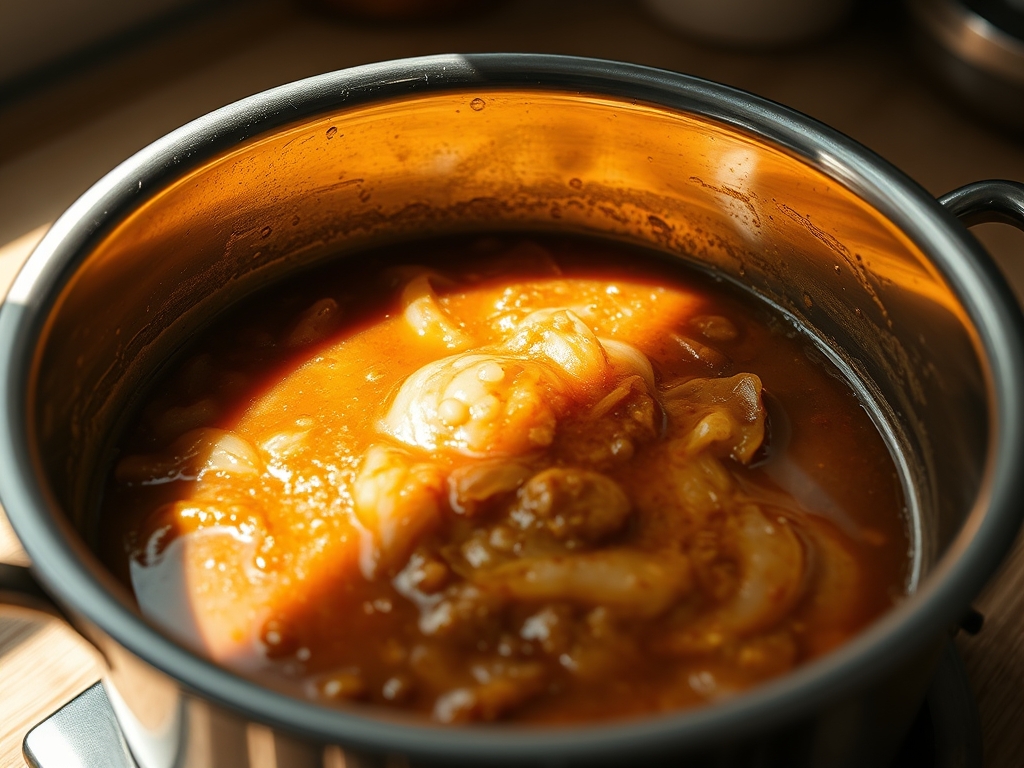
Referencing the Masterclass photo, your sauce should exhibit a deep, burnt-orange hue with visible specks of crushed peanuts. If your sauce looks pale or beige, you likely under-cooked your curry paste or used low-quality peanuts. If the surface looks dull rather than glossy, the sugar has not fully caramelized or the emulsion is failing. A perfect satay sauce should have a "sheeting" action; when you lift a spoon, the sauce should fall in a thick ribbon rather than individual drops. This visual cue is the ultimate test of your Peanut Sauce Density.
THE DEEP DIVE
- Macro Nutrition Profile: This sauce is a calorie-dense powerhouse. A single 60ml serving contains approximately 220 calories, 18g of fat, 12g of carbohydrates, and 6g of protein. It is high in monounsaturated fats and provides a significant hit of potassium and magnesium from the peanuts.
- Dietary Swaps: For a Vegan version, substitute fish sauce with a high-quality light soy sauce or coconut aminos. For Keto adherents, replace the palm sugar with an erythritol-based sweetener and increase the peanut-to-coconut ratio. For Gluten-Free needs, ensure your curry paste is certified GF, as some commercial brands use wheat flour as a thickener.
- Meal Prep & Reheating Science: Peanut sauce is a non-Newtonian fluid that thickens significantly as it cools. When reheating, the molecular structure will often tighten. To restore the original Peanut Sauce Density, you must add a splash of water or coconut milk and whisk vigorously over low heat. Avoid the microwave, as it can cause localized overheating and "break" the fat emulsion.
THE KITCHEN TABLE
Why is my sauce gritty instead of creamy?
You likely processed the peanuts while they were still hot. Residual heat causes the oils to leak out prematurely, creating a sandy texture. Always allow roasted peanuts to reach room temperature before grinding them for your emulsion base.
How do I fix a sauce that is too salty?
Increase the Peanut Sauce Density by adding more ground peanuts and a splash of coconut milk. Alternatively, a small squeeze of lime juice can help mask the sodium by providing a sharp acidic counterpoint to the salt.
Can I use peanut butter instead of whole nuts?
Yes, but use only "natural" varieties containing just peanuts and salt. Commercial brands with hydrogenated oils or stabilizers will alter the viscosity and result in a cloying, overly sweet profile that lacks the traditional viscous mouthfeel.
How long will this emulsion stay stable in the fridge?
Stored in an airtight container, the sauce will maintain its structural integrity for up to 7 days. The fats will solidify when cold, so expect a firm paste that requires gentle tempering before it returns to its pourable state.