Stop settling for the grainy, broken, or lackluster white sludge that masquerades as a classic. We are here to conduct a full-scale forensic audit of your dairy management. The pursuit of Alfredo Sauce Smoothness is not a casual hobby; it is a high-stakes engineering challenge involving the delicate suspension of lipids within a water-based matrix. When you fail to respect the chemistry, your sauce curdles into a tragic landscape of gritty solids and yellow oil slicks. We demand better. We demand a sauce that is velvety, viscous, and possesses a structural integrity that clings to every strand of fettuccine like a designer silk gown. To achieve this, we must look beyond the surface level of simple boiling. We are talking about the molecular dance between casein proteins and butterfat. This audit will dismantle your current process, identify the points of thermal failure, and rebuild your technique from the foundation up. Prepare to transform your kitchen into a high-performance laboratory where the only acceptable outcome is absolute, unyielding creaminess.
THE DATA MATRIX
| Metric | Specification |
|---|---|
| Prep Time | 10 Minutes |
| Execution Time | 15 Minutes |
| Yield | 4 Servings |
| Complexity (1-10) | 4 |
| Estimated Cost per Serving | $3.50 |
THE GATHERS
Ingredient Protocol:
- Heavy Cream (36-40% Milkfat): 475ml / 2 cups
- European-Style Unsalted Butter: 115g / 0.5 cups
- Parmigiano-Reggiano (Aged 24 Months): 150g / 1.5 cups finely grated
- Fresh Garlic (Microplaned): 3 cloves
- Kosher Salt: 5g / 1 tsp
- White Pepper: 2g / 0.5 tsp
- Fresh Nutmeg: 0.5g / 1 pinch
- Pasta Water (Starchy Gold): 60ml / 0.25 cups
Section A: Ingredient Quality Audit:
The most common failure point in Alfredo Sauce Smoothness is the use of pre-shredded cheese. These commercial products are coated in potato starch or cellulose to prevent clumping in the bag; however, these anti-caking agents are the sworn enemies of a smooth emulsion. They create a "sandpaper" mouthfeel that no amount of whisking can fix. If your sauce feels gritty, audit your cheese source immediately. Use only DOP-certified Parmigiano-Reggiano and grate it yourself using a microplane to ensure the smallest possible surface area for rapid melting. Furthermore, if your cream is ultra-pasteurized, it may resist thickening. Counteract this by using a high-fat European butter, which introduces more milk solids to help stabilize the suspension.
THE MASTERCLASS
Step-by-Step Execution:
1. Thermal Foundation and Lipid Reduction
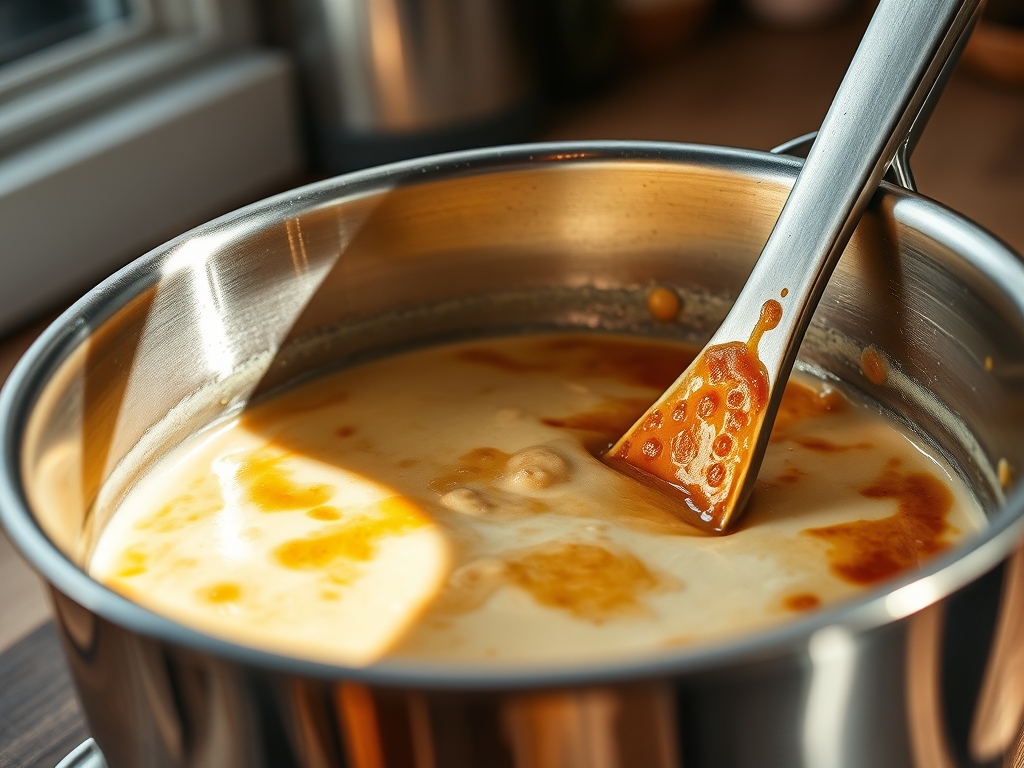
Place your saucier over medium-low heat and add the heavy cream and butter. You are not looking for a violent boil; you want a gentle simmer to render the water out of the cream and concentrate the fats. Use a digital scale to ensure your ratios are exact, as guessing leads to instability.
Pro Tip: Reducing the cream by one-third before adding cheese is the secret to a viscous coating. This process concentrates the proteins, providing a sturdier framework for the emulsion.
2. Aromatic Infusion
Once the cream has begun to reduce, add the microplaned garlic and white pepper. Use a whisk to aerate the mixture slightly. This ensures the garlic does not brown but instead softens into the fat, allowing its piquant essence to infuse the entire base without adding a bitter charred note.
Pro Tip: White pepper is used instead of black to maintain the pristine visual profile of the sauce. Using a bench scraper to gather every bit of minced garlic ensures no flavor is left on the cutting board.
3. The Gradual Cheese Integration
Reduce heat to the lowest setting. Add the finely grated cheese in three distinct stages. Do not dump it all at once. Whisk vigorously after each addition until the cheese is fully incorporated and the sauce is perfectly uniform.
Pro Tip: If the heat is too high during this stage, the proteins in the cheese will tighten and "rope," leading to a stringy mess. A low-temperature approach ensures the cheese melts into the cream rather than seizing against it.
4. The Starch-Water Emulsion Bridge
Just before the pasta is finished, take a small amount of the starchy pasta water and whisk it into the sauce. This acts as a bridge between the fats and the noodles, ensuring the Alfredo Sauce Smoothness is maintained even after the dish is plated.
Pro Tip: The amylopectin in the pasta water acts as a natural stabilizer. It prevents the sauce from breaking into oil and solids as it cools on the plate.
Section B: Prep & Timing Fault-Lines:
Timing is the silent killer of dairy-based emulsions. If you grate your cheese too early and leave it at room temperature, it can begin to sweat out its oils, making it harder to incorporate smoothly. Conversely, if you add cold cheese to boiling cream, the thermal shock causes the proteins to contract instantly. Your goal is a synchronized finish. The sauce should reach its peak thickness exactly thirty seconds before the pasta reaches al dente. If you find your sauce thickening too quickly, do not add more cream; add a tablespoon of hot pasta water to loosen the structure without diluting the flavor profile.
THE VISUAL SPECTRUM
Section C: Thermal & Visual Troubleshooting:
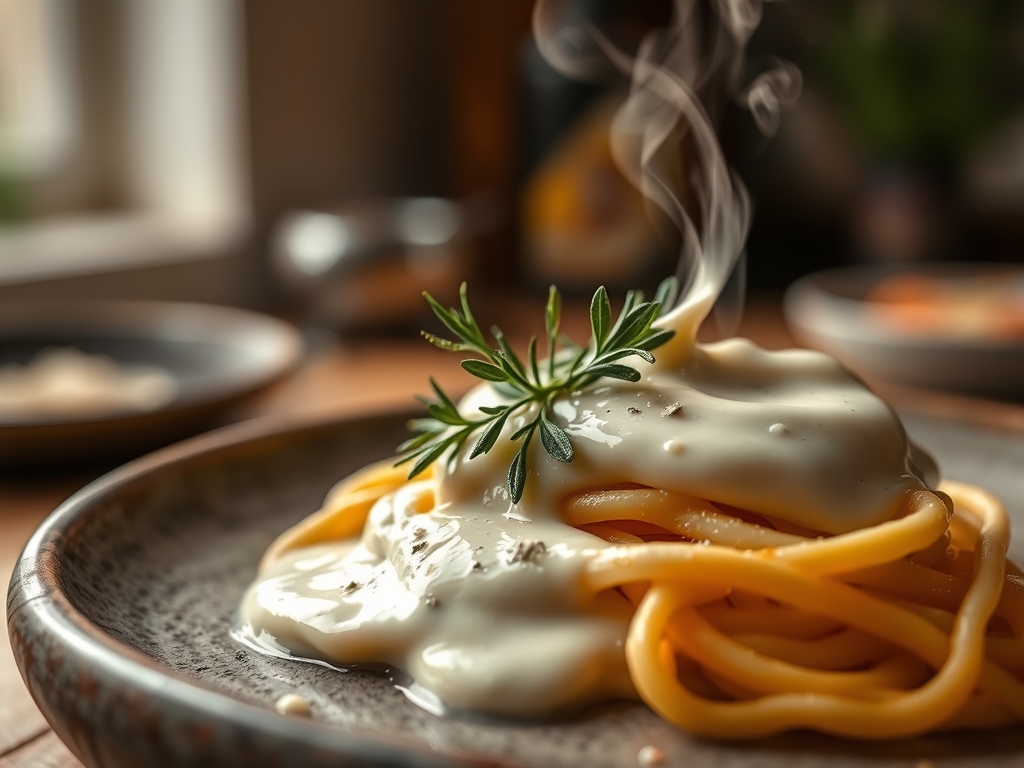
Review the Masterclass photo above. Note the glossy, reflective surface of the sauce; this is the primary indicator of a successful emulsion. If your sauce appears dull or matte, it lacks sufficient fat-to-liquid integration. If you see yellow droplets on the surface, the sauce has "broken," meaning the fat has separated from the solids. To fix a broken sauce, remove it from the heat immediately and whisk in a teaspoon of cold heavy cream to lower the temperature and re-emulsify the lipids. If the sauce looks too translucent, you likely under-reduced the cream base. Continue to simmer until the sauce coats the back of a spoon (the nappe stage) and leaves a clear trail when you run a finger through it.
THE DEEP DIVE
Macro Nutrition Profile:
This is a high-density fuel source. A standard serving contains approximately 650 calories, with 55g of fat, 25g of carbohydrates, and 18g of protein. It is a significant source of calcium and Vitamin A, though it should be treated as a performance-tier indulgence rather than a daily staple.
Dietary Swaps:
- Keto: Replace pasta with zoodles or steamed cauliflower. The sauce itself is naturally keto-compliant.
- Vegan: Use full-fat cashew cream and nutritional yeast, though the molecular behavior will differ significantly from dairy.
- GF: Ensure your pasta is a high-quality corn or brown rice blend; the sauce is naturally gluten-free.
Meal Prep & Reheating Science:
Alfredo is notoriously difficult to reheat because the emulsion is fragile. To maintain the molecular structure, do not use a microwave. Instead, reheat in a small pan over low heat, adding a splash of milk or cream to replace the moisture lost during refrigeration. Stir constantly to encourage the fats to re-integrate into the liquid phase.
THE KITCHEN TABLE
Why is my sauce clumping?
Clumping is usually caused by high heat or pre-shredded cheese. The proteins in the cheese seize up and bond to each other instead of dispersing. Keep the heat low and use freshly grated Parmigiano-Reggiano for the best results.
Can I use half-and-half instead of heavy cream?
You can, but the stability will suffer. Half-and-half has a lower fat content and higher water content, making it prone to breaking. You may need a roux (flour and butter) to maintain Alfredo Sauce Smoothness with lower-fat dairy.
How do I get that restaurant-style shine?
The shine comes from a perfect emulsion and a final "mounting" of cold butter at the very end. Whisking in a tablespoon of cold butter just before serving adds a glossy finish and a rich mouthfeel.
Is nutmeg absolutely necessary?
Nutmeg is the secret aromatic that bridges the gap between the heavy fat of the cream and the sharp saltiness of the cheese. It provides a subtle depth that makes the sauce taste "complete" without being overtly spicy.
What is the best pasta shape for this sauce?
Fettuccine is the standard because its wide, flat surface area provides the maximum "grip" for the viscous sauce. However, ridged shapes like penne rigate are also excellent for trapping the sauce in their hollow centers.