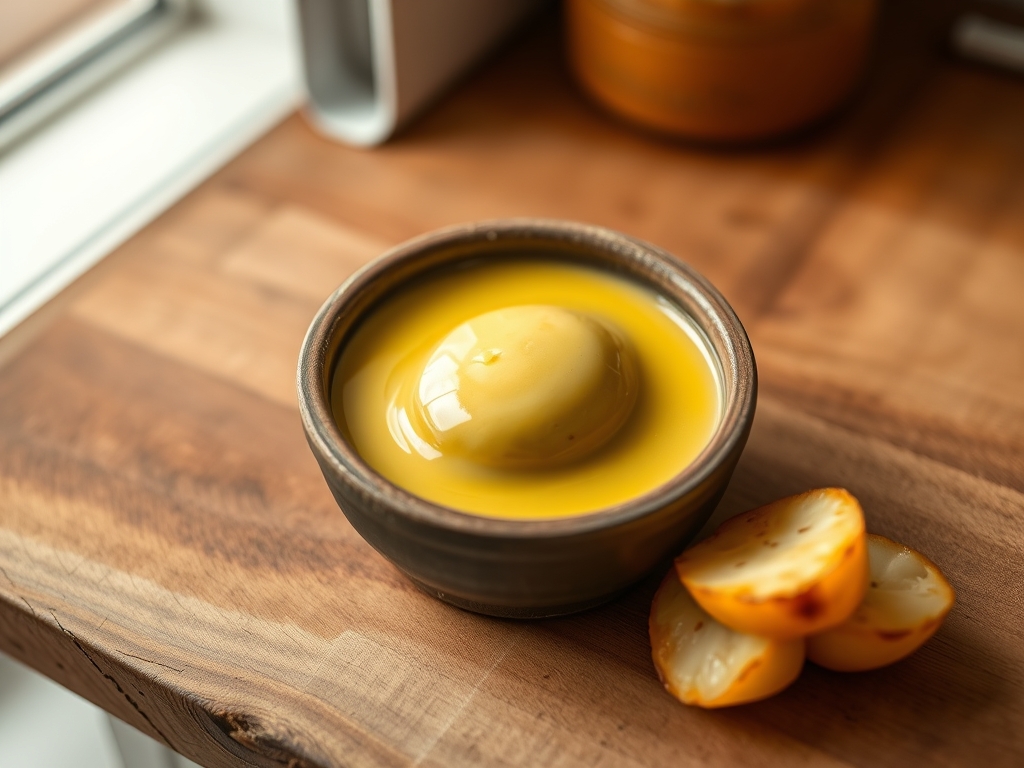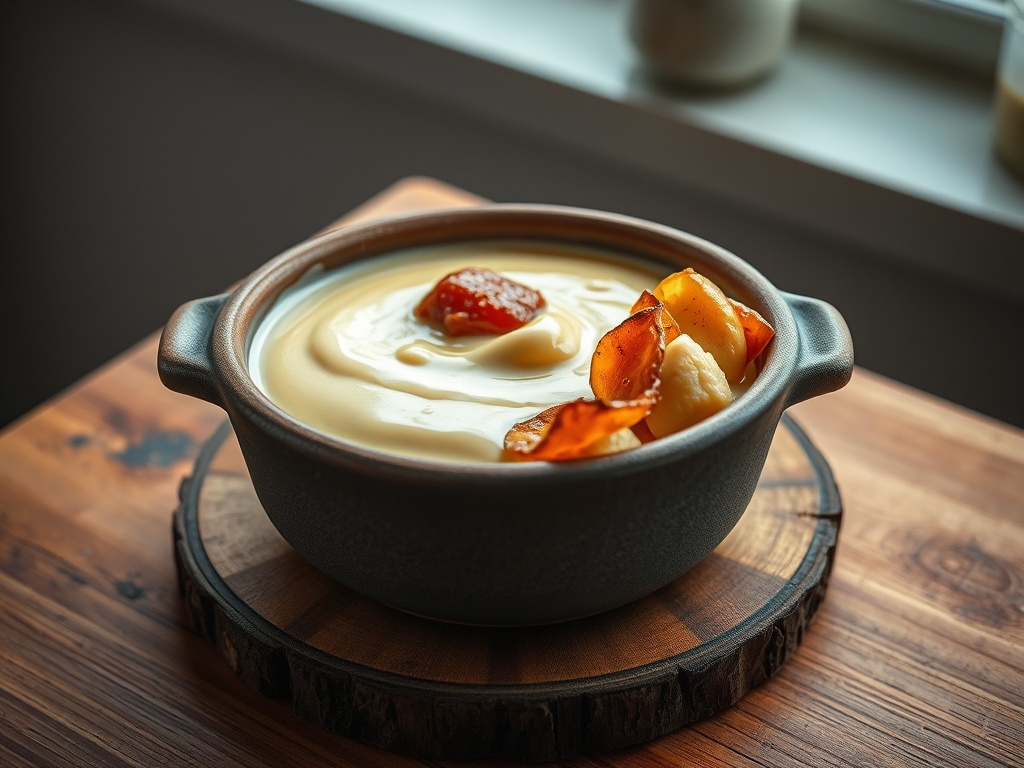
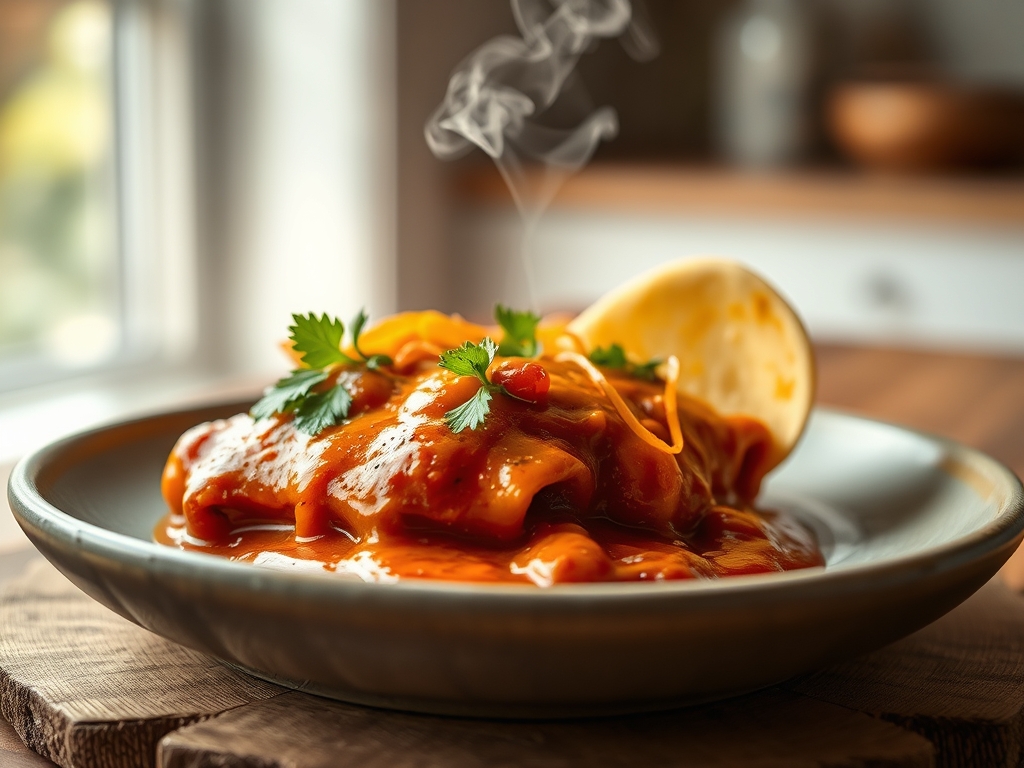
Imagine a liquid that behaves like a molten velvet current; it is a structural masterpiece of suspension and spice. This is not merely a condiment. We are discussing the structural integrity of the Enchilada Sauce Flow. When executed with precision, this sauce achieves a perfect state of non-Newtonian grace. It must possess enough viscosity to cling to a corn tortilla without saturating the fiber into a structural failure. The aroma should be an aggressive olfactory assault of toasted capsaicin and earthy cumin. We are looking for a deep, brick-red hue that suggests a long-term marriage between the fats and the solids. Most amateur attempts result in a gritty, separated mess or a translucent, flavorless slurry. We do not do amateur. We are here to engineer a piquant masterpiece that utilizes a toasted flour roux to stabilize the volatile oils of the chili. This is culinary infrastructure at its finest. Prepare your palate for a high-velocity journey through the mechanics of starch gelatinization and the chemistry of dried fruit rehydration.
THE DATA MATRIX
| Metric | Specification |
|---|---|
| Prep Time | 10 Minutes |
| Execution Time | 15 Minutes |
| Yield | 500ml / 2 Cups |
| Complexity (1-10) | 4 |
| Estimated Cost per Serving | $0.45 |
THE GATHERS
Ingredient Protocol:
- 60ml / 1/4 cup Neutral Oil (Avocado or Grapeseed)
- 30g / 1/4 cup All-Purpose Flour (or GF All-purpose blend)
- 45g / 1/2 cup High-Quality Chili Powder (Ancho or Guajillo base)
- 2g / 1/2 tsp Garlic Powder
- 1g / 1/2 tsp Dried Oregano (Mexican variety preferred)
- 1g / 1/4 tsp Salt (adjust to taste)
- 500ml / 2 cups Low-Sodium Vegetable or Chicken Stock
- 5ml / 1 tsp Apple Cider Vinegar
Section A: Ingredient Quality Audit:
The primary failure point in most chili suspensions is the age of the dried spices. If your chili powder smells like dust rather than a sun-baked field, your Enchilada Sauce Flow will be flat and bitter. To fix this, you can "bloom" the spices in the fat for an extra sixty seconds to release any remaining essential oils. If your stock is too salty, it will overwhelm the subtle fruitiness of the peppers. Always use low-sodium bases to maintain control over the mineral profile. If using gluten-free flour, ensure it contains a stabilizer like xanthan gum to prevent the sauce from weeping liquid over time.
THE MASTERCLASS
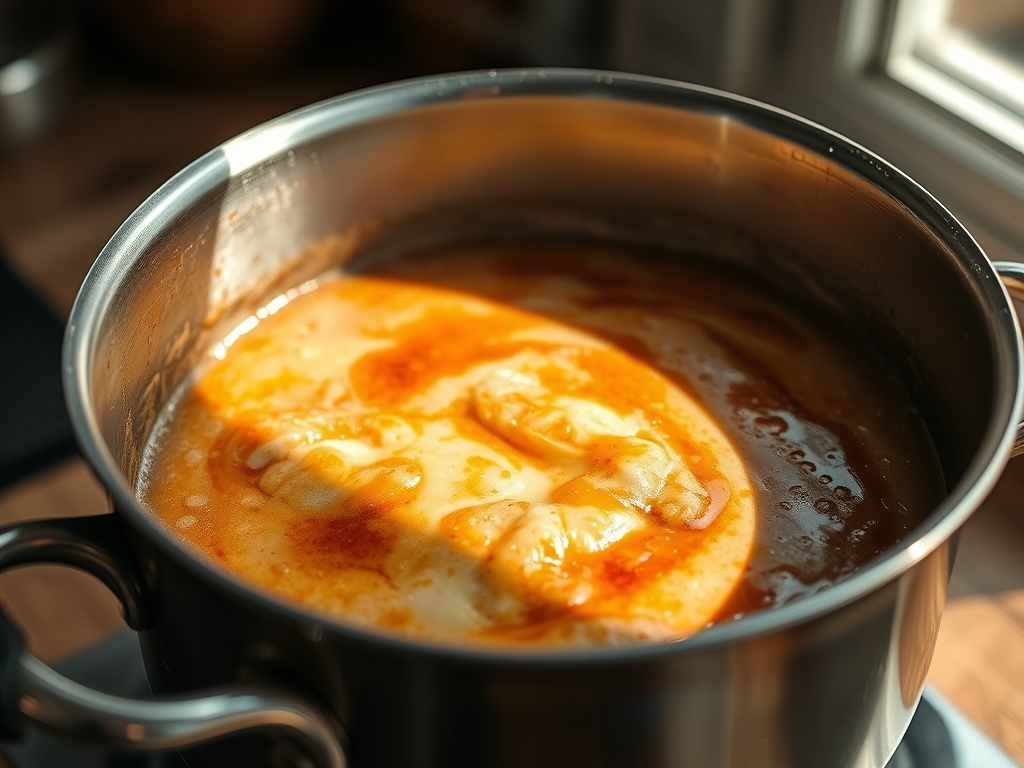
Step-by-Step Execution:
1. The Lipid Thermal Induction
Place your saucier over medium heat and introduce the neutral oil. Use a digital infrared thermometer to verify the oil has reached 175C / 350F. This temperature is critical for the immediate dehydration of the flour particles.
Pro Tip: Using a saucier with rounded bottom edges prevents flour from clumping in the corners, ensuring a uniform thermal distribution and preventing localized burning.
2. Roux Synthesis
Whisk in the flour steadily. You are looking for a "Blonde Roux" state. The mixture should bubble vigorously as the moisture evaporates from the starch. Continue whisking for two minutes until a nutty aroma develops.
Pro Tip: This stage is where you render the raw grain flavor inert. If you skip this, your final sauce will taste like wet cardboard rather than a professional grade base.
3. Capsaicin Activation
Add the chili powder, garlic powder, oregano, and salt. Lower the heat slightly. Stir constantly for 60 seconds. The oil should turn a dark, vibrant crimson as the pigments and oils infuse into the lipid base.
Pro Tip: Spices are fat-soluble. By toasting them directly in the roux, you maximize the bioavailability of the flavor compounds before introducing any aqueous liquids.
4. Aqueous Integration
Slowly stream in the stock while whisking at high velocity. This is the moment of emulsification. The starch granules will begin to swell and trap the liquid, creating the desired viscous texture.
Pro Tip: Add the liquid in four stages. This prevents the formation of "starch lumps" and ensures a smooth, consistent Enchilada Sauce Flow that will coat the back of a spoon perfectly.
5. The Acidic Finish
Simmer for 5 to 8 minutes until the sauce thickens. Remove from heat and stir in the apple cider vinegar. This small addition of acid provides the necessary brightness to cut through the heavy fats of the cheese and tortillas.
Pro Tip: Use a bench scraper to clean your workstation while the sauce simmers. A clean environment ensures precision during the final assembly of your enchiladas.
Section B: Prep & Timing Fault-Lines:
The most common human error is the "Flash Burn." Chili powder has a high sugar content and can burn in seconds if the heat is too high. If you see black flecks, the batch is compromised; discard and restart. Another timing error is under-simmering. If the sauce is not allowed to reach a gentle boil, the starch will not fully hydrate, leading to a thin, watery flow that ruins the structural integrity of the dish. Use a digital scale for all measurements to ensure the ratio of fat to starch is mathematically perfect every time.
THE VISUAL SPECTRUM
Section C: Thermal & Visual Troubleshooting:
Observe the Masterclass photo above. Notice the high-gloss finish and the absence of visible particulates. This is the "Gold Standard" of Enchilada Sauce Flow. If your sauce looks dull or matte, you likely over-cooked the flour or used insufficient oil. A "broken" sauce, where oil pools on top, indicates that the emulsion was forced too quickly. To fix a broken sauce, whisk in a tablespoon of hot water vigorously to re-establish the bond. If the color is too light, your chili powder was likely diluted with fillers like cornmeal; next time, source a pure ground chili.
THE DEEP DIVE
Macro Nutrition Profile
Per 125ml serving, this sauce provides approximately 120 calories, 9g of fat, 10g of carbohydrates, and 1g of protein. The primary caloric driver is the lipid base, which is necessary for the suspension of the capsaicinoids. The fiber content from the chili powder contributes to a lower glycemic impact than standard gravy-style sauces.
Dietary Swaps (Vegan/Keto/GF)
To make this Vegan, ensure your stock is vegetable-based. For a Keto-compliant version, replace the flour with 1/2 teaspoon of xanthan gum whisked into the oil at low heat, though the texture will be more gelatinous. For Gluten-Free requirements, a 1:1 rice flour blend works exceptionally well as it maintains a high degree of transparency in the final Enchilada Sauce Flow.
Meal Prep & Reheating Science
This sauce is highly stable in cold storage for up to 7 days. Upon cooling, the starch will undergo retrogradation, becoming a firm gel. To restore the molecular structure, reheat slowly over low heat while adding a splash of water to compensate for evaporation. Do not microwave on high power, as this can cause the oils to separate from the starch matrix.
THE KITCHEN TABLE
Why is my sauce bitter?
Bitterness usually stems from over-toasting the chili powder or using low-quality spices. A pinch of sugar or a teaspoon of cocoa powder can neutralize these harsh notes and add a complex depth to the flavor profile.
Can I use fresh chilis instead?
Yes, but the infrastructure changes. You must roast, peel, and puree them. This increases moisture content, requiring a longer reduction time to achieve the same Enchilada Sauce Flow viscosity found in the starch-based version.
How do I make it spicier?
Do not just add more chili powder, as this alters the thickness. Instead, incorporate a concentrated cayenne extract or finely ground habanero powder during the spice-blooming phase to increase heat without compromising the structural suspension.
Why did my sauce turn out lumpy?
Lumps are the result of adding liquid too quickly to the roux. The outer layer of flour hydrates and seals off the dry center. Always use a whisk and add liquid in a slow, controlled stream.