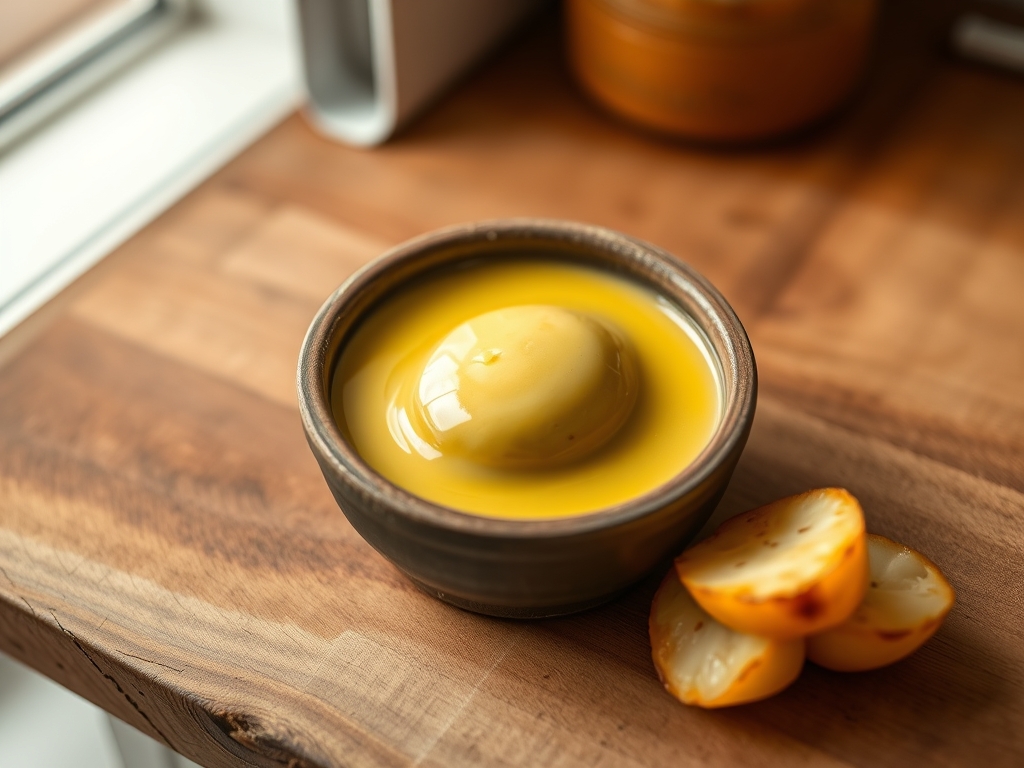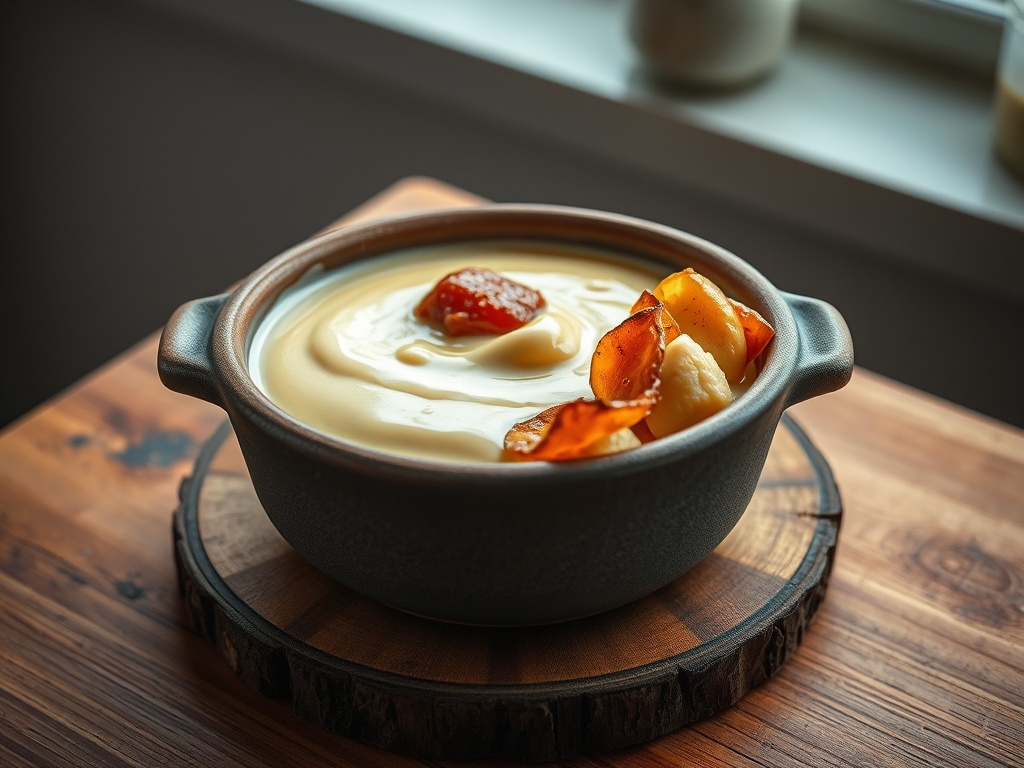
The kitchen is no longer just a room for assembly; it is a pressurized laboratory where physics meets fine dining. Forget the limp, soapy bubbles of the past. We are talking about the structural integrity of the perfect Espuma Culinary Foam. When you pull the trigger on a professional siphon, you are witnessing a violent, beautiful transition of matter. Liquid, pressurized by nitrous oxide, undergoes a rapid expansion that creates a lattice of microscopic bubbles. This is the gold standard of modern plating. It is a method that allows a chef to capture the most intense, piquant flavors of a reduction and deliver them with the weight of a cloud. If your foam is collapsing into a sad puddle, your infrastructure is failing. We are here to audit your process, tighten your tolerances, and ensure that every siphon charge results in a stable, viscous masterpiece that defies gravity. Let us strip away the mystery of aeration and get down to the brass tacks of molecular suspension.
THE DATA MATRIX
| Metric | Specification |
|---|---|
| Prep Time | 20 Minutes |
| Execution Time | 5 Minutes |
| Yield | 1 Liter of Foam |
| Complexity | 7/10 |
| Estimated Cost per Serving | $0.85 |
THE GATHERS
Ingredient Protocol:
- 500ml / 2 cups Heavy Cream (36% Milk Fat)
- 250ml / 1 cup Roasted Red Pepper Puree (Strained)
- 5g / 1 tsp Xanthan Gum
- 10ml / 2 tsp Lemon Juice
- 7g / 1.5 tsp Fine Sea Salt
- 2 N2O Chargers (Nitrous Oxide)
Section A: Ingredient Quality Audit:
The primary failure point in an Espuma Culinary Foam is often the fat-to-water ratio. If your cream is under 36% fat, the bubbles will lack the structural scaffolding required to hold their shape. Use a digital scale to ensure your ratios are exact; volume measurements are for amateurs. If your vegetable puree is too watery, the foam will weep. To fix this, render the liquid down in a saucier until it reaches a thick, syrupy consistency before adding it to the fat base. If the mixture is too viscous to pour, thin it slightly with a high-quality stock, but never sacrifice the concentration of flavor.
THE MASTERCLASS
Step 1: The Base Reduction
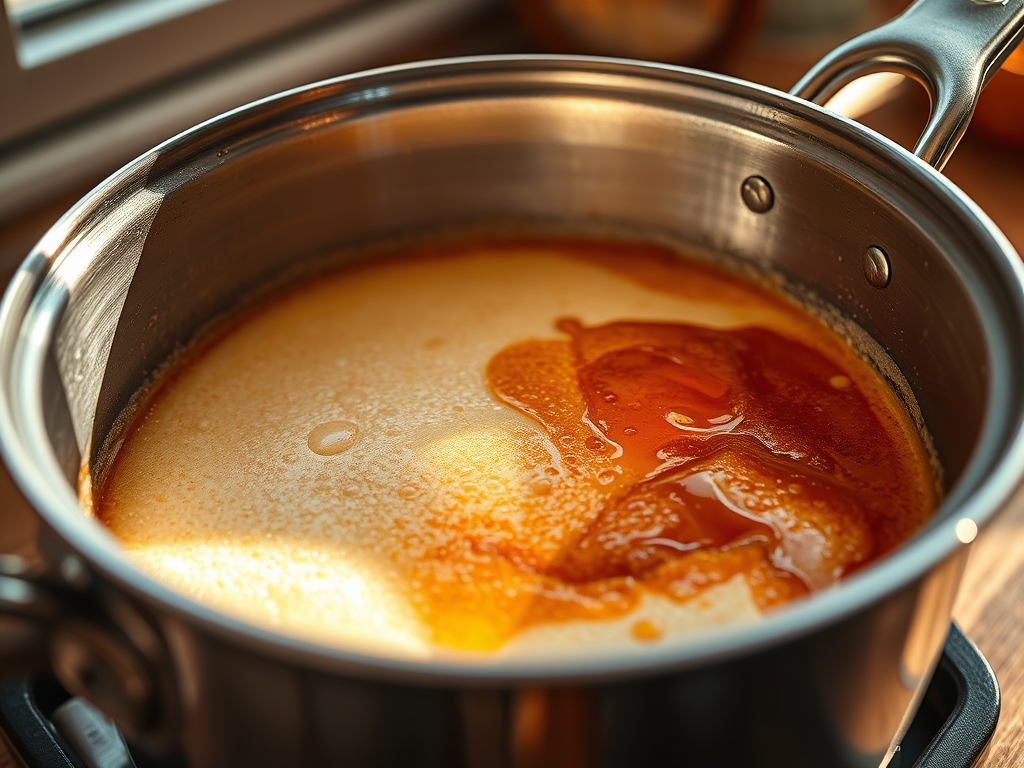
Begin by simmering your flavor base in a heavy-bottomed saucier. You must infuse the liquid with aromatics, then strain it through a fine-mesh chinois. Any particulate matter larger than a grain of sand will clog the siphon nozzle and ruin the aeration process.
Pro Tip: Use a bench scraper to clean your workspace as you go. The science here is simple: a clean station prevents cross-contamination of fats, which can interfere with the surface tension of your foam.
Step 2: The Emulsification Phase
Incorporate your stabilizer. Whether you use gelatin, agar-agar, or xanthan gum, you must use an immersion blender to create a shearing force. This ensures the stabilizer is perfectly distributed throughout the liquid.
Pro Tip: Xanthan gum is the secret weapon for cold foams because it does not require heat to activate. It creates a "pseudo-plastic" flow, meaning the foam stays firm until it is disturbed by a spoon.
Step 3: The Siphon Charge
Pour the mixture into a professional-grade siphon, ensuring you do not exceed the maximum fill line. Screw on the head, insert the N2O charger, and listen for the hiss. This is the moment of infusion.
Pro Tip: Shake the siphon vigorously 10 to 15 times. This physical agitation helps the gas dissolve into the fat molecules. Without this, your foam will emerge as a liquid spray rather than a structured cloud.
Step 4: The Temperature Set
Place the siphon in a refrigerator or a warm water bath, depending on whether you are serving a cold or hot foam. The temperature must be consistent to maintain the molecular structure of the stabilizers.
Pro Tip: Use an infrared thermometer to audit the external temperature of the canister. A cold foam should be exactly 4 degrees Celsius to ensure the fat solids provide maximum support for the gas bubbles.
Section B: Prep & Timing Fault-Lines:
Timing is the silent killer of the Espuma Culinary Foam. If you charge the siphon too early, the gas can escape the liquid matrix, leading to a "flat" result. If you charge it too late, the stabilizers may not have had time to fully hydrate. Always allow a minimum of 20 minutes for the pressurized liquid to rest. If your foam is sputtering, the nozzle is likely partially obstructed or the canister was not shaken enough to distribute the gas.
THE VISUAL SPECTRUM
Section C: Thermal & Visual Troubleshooting:
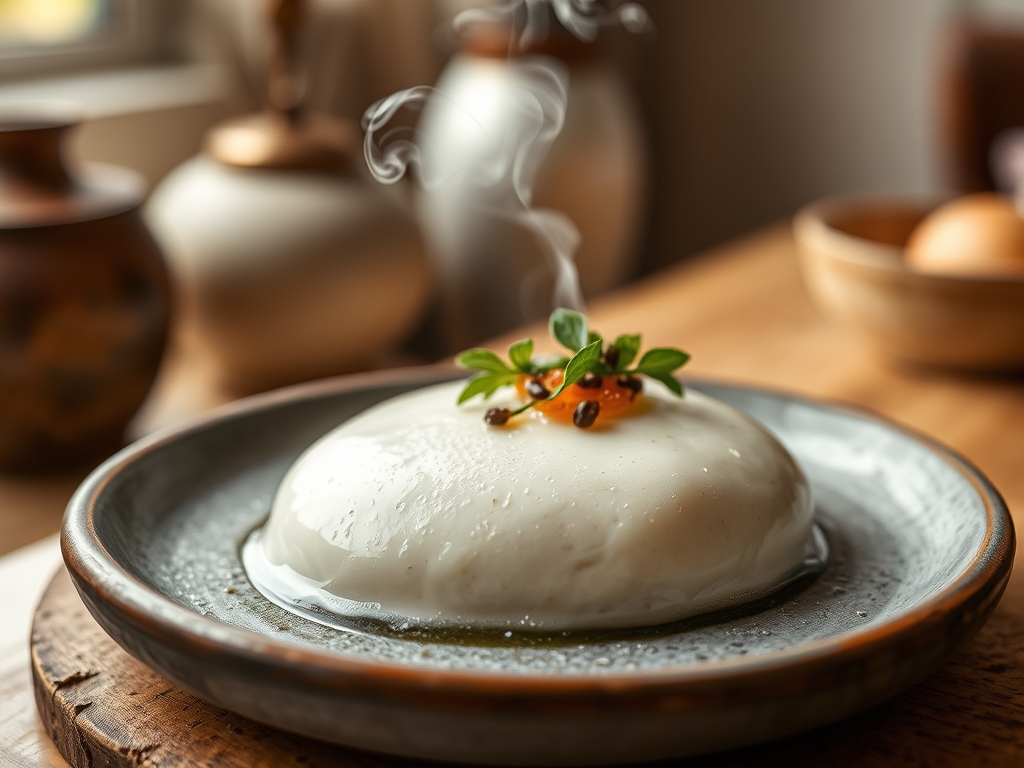
Look at the Masterclass photo above. Notice the tight, uniform pore structure and the matte finish of the foam. If your foam looks shiny or has large, irregular bubbles, your aeration is uneven. This usually indicates a lack of protein or fat in the base. If the color is dull, you likely overcooked your vegetable base, destroying the chlorophyll or carotenoids. To maintain a vibrant hue, blanch your vegetables quickly and shock them in ice water before pureeing. If you see "weeping" (liquid pooling at the bottom of the foam), your stabilizer concentration is too low. Increase the xanthan gum by 0.1% increments until the structure holds.
THE DEEP DIVE
Macro Nutrition Profile:
A standard savory foam is surprisingly low in calories compared to traditional sauces. Because the volume is mostly air, a 50ml serving of foam typically contains only 45 calories, 4g of fat, and 1g of carbohydrates. It is the ultimate tool for flavor density without caloric bloat.
Dietary Swaps:
- Vegan: Replace heavy cream with coconut cream or a high-protein soy milk. Use agar-agar or xanthan gum instead of gelatin.
- Keto: The standard heavy cream base is already keto-friendly. Ensure your flavor base (like red pepper) is low in sugar.
- GF: Most foams are naturally gluten-free, but always audit your thickeners.
Meal Prep & Reheating Science:
Foams are best served immediately, but the base can be prepped 48 hours in advance. Once the siphon is charged, the pressure will maintain the environment. For hot foams, keep the siphon in a sous-vide bath at 65 degrees Celsius. Never boil the siphon; excessive heat will denature the proteins and cause the emulsion to break.
THE KITCHEN TABLE
Why is my foam coming out as a liquid?
You likely skipped the shaking step or used a low-fat base. The N2O needs fat or protein to latch onto. Give it ten hard shakes and ensure your cream is at least 36% milk fat.
Can I use CO2 instead of N2O?
No. CO2 creates large, acidic bubbles (carbonation) which will make your sauce taste like soda. N2O dissolves into fats and creates the creamy, microscopic bubbles required for a true Espuma Culinary Foam.
How do I prevent the siphon from clogging?
Strain everything. Use a fine-mesh chinois or a coffee filter. Even a single flake of black pepper can jam the valve, turning your elegant plating session into a pressurized mess.
Can I make a foam without a siphon?
You can use an immersion blender to create a "froth," but it will lack the density and velvety mouthfeel of a pressurized espuma. The siphon is the only way to achieve that specific molecular structure.