Imagine a golden, molten river cascading across a wooden board; it is the ultimate architectural feat of the rustic kitchen. We are not merely boiling cornmeal here. We are managing a complex suspension of starch granules in a high-temperature hydration cycle. This is the Soft Polenta Flow. When executed with precision, the result is a velvety, viscous masterpiece that holds its heat like a thermal battery while yielding to the slightest pressure of a spoon. Most home cooks fail because they treat cornmeal like a passive ingredient. In this theater of operations, cornmeal is a structural agent. You are the foreman of a molecular construction site where the goal is total gelatinization without the structural collapse of over-working the starch. We want a texture that is piquant and rich, a medium that carries the weight of braised meats or roasted fungi without breaking into a grainy slurry. This is the audit of fluid cornmeal; a technical breakdown of how to achieve the perfect, shimmering consistency that defines elite Italian comfort.
THE DATA MATRIX
| Metric | Specification |
|---|---|
| Prep Time | 5 Minutes |
| Execution Time | 45 Minutes |
| Yield | 4 Servings |
| Complexity (1-10) | 4 |
| Estimated Cost per Serving | $1.25 |
THE GATHERS
Ingredient Protocol:
- 250g / 1.5 cups Coarse-ground yellow cornmeal (stone-ground preferred)
- 1.2L / 5 cups Filtered water or high-clarity chicken stock
- 115g / 0.5 cup Unsalted high-fat butter (European style)
- 60g / 0.5 cup Finely grated Parmigiano-Reggiano
- 15g / 1 tbsp Fine sea salt
- 2g / 0.5 tsp Freshly cracked black pepper
- 30ml / 2 tbsp Heavy cream (optional for additional aeration)
Section A: Ingredient Quality Audit:
The primary failure point in any corn-based emulsion is the age of the grain. If your cornmeal smells like a dusty attic, the natural oils have oxidized; discard it immediately. To fix a "gritty" mouthfeel caused by inferior, quick-cook varieties, you must extend the hydration phase. If your stock is overly salted, it will inhibit the starch granules from swelling properly. Always use a neutral or low-sodium base to maintain control over the mineral balance. If the butter lacks a high fat percentage, the final emulsion will lack the necessary sheen and mouth-coating properties.
THE MASTERCLASS
1. Thermal Priming and Salting
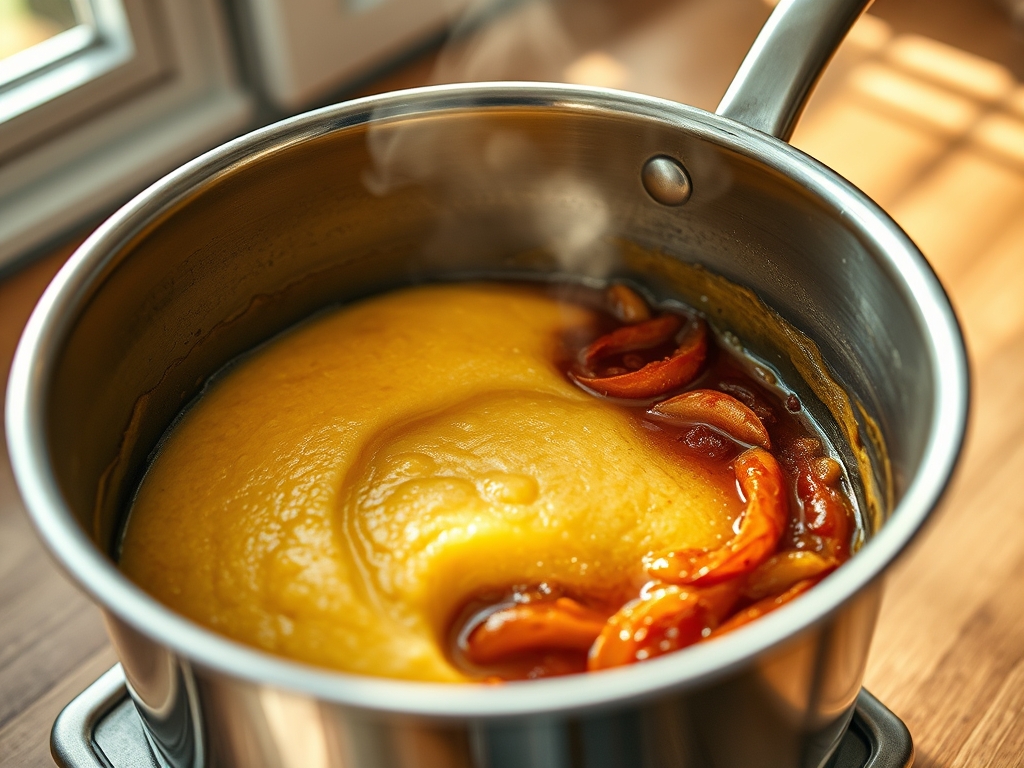
Bring your liquid to a rolling boil in a heavy-bottomed saucier. The curved sides of a saucier are superior to a standard saucepan as they prevent starch from stagnating in the corners. Add the salt before the grain.
Pro Tip: Salting the water early ensures the salt is absorbed into the heart of the corn kernel during the expansion phase, rather than just seasoning the surface of the porridge.
2. The Laminar Stream Addition
Switch to a balloon whisk. Begin whisking the water into a vortex and rain the cornmeal in a steady, thin stream. This prevents the formation of "polenta bombs," which are dry pockets of flour trapped inside a hydrated shell.
Pro Tip: Use a digital scale to measure your grain. Volumetric measurements are notoriously inaccurate for coarse grains, and a 10% deviation in weight can ruin your Soft Polenta Flow.
3. The Gelatinization Long-Haul
Reduce heat to the lowest possible setting. Switch from a whisk to a silicone spatula or a wooden spoon. Cover the pot and stir vigorously every five minutes. You are looking for the corn to lose its crunch and transform into a smooth, cohesive mass.
Pro Tip: Constant agitation is a myth that leads to steam loss. Periodic, aggressive stirring is better for maintaining internal temperature while preventing scorching.
4. The Fat-Phase Emulsion
Once the corn is tender, remove from heat. Vigorously whisk in the cold butter and cheese. This is where you aerate the mixture, incorporating tiny air bubbles that lighten the density of the starch.
Pro Tip: Cold butter creates a more stable emulsion than melted butter. The milk solids and fats integrate slowly, creating a glossy, reflective surface.
5. Final Viscosity Adjustment
If the mixture looks too stiff, whisk in a small amount of warm water or cream. The goal is a "slow creep" when poured onto a plate; it should move like lava, not sit like a brick.
Pro Tip: Use a bench scraper to clean the sides of your vessel during the final fold to ensure no dehydrated crust ruins the silkiness of the pour.
Section B: Prep & Timing Fault-Lines:
The most common human error is rushing the clock. If you attempt to finish the polenta in twenty minutes, the starches will remain crystalline and sandy. If your heat is too high, you will evaporate the hydration liquid before the grain has softened, leading to a "tight" set that resembles cold concrete. If you notice the polenta pulling away from the sides of the pan too early, lower the flame and add 50ml of hot liquid to recalibrate the moisture levels.
THE VISUAL SPECTRUM
Section C: Thermal & Visual Troubleshooting:
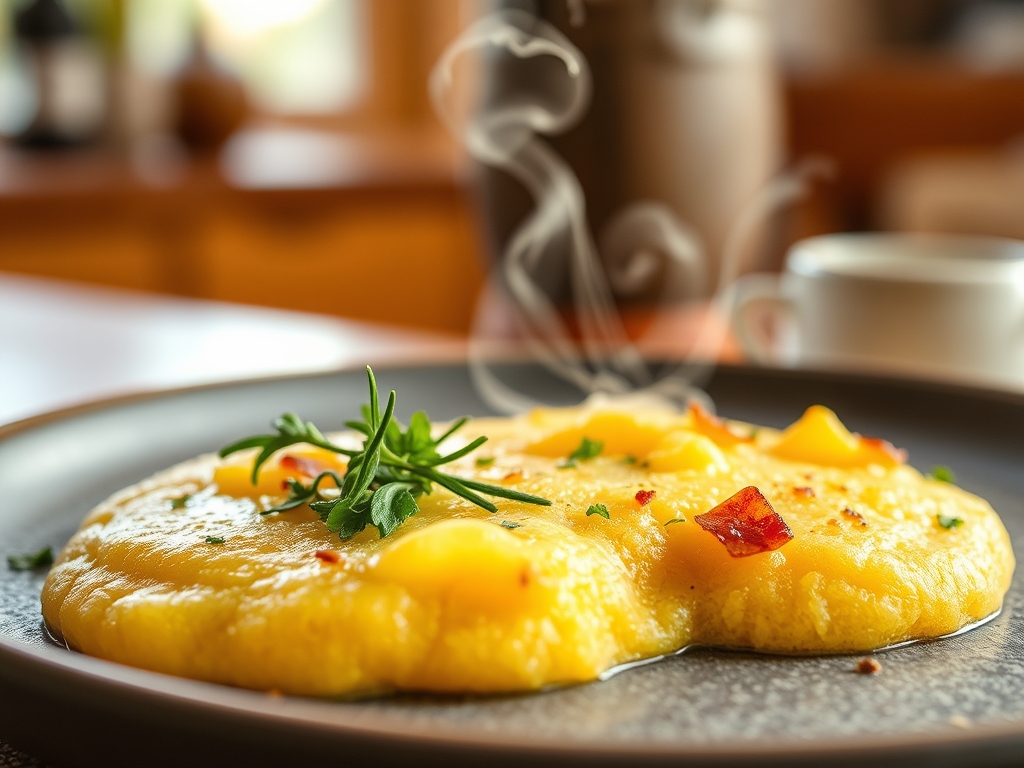
In the reference image, notice the "shimmer" on the surface. This is the visual indicator of a successful fat emulsion. If your polenta looks dull or matte, you have insufficient fat or have overheated the cheese, causing the oils to separate. If the color is pale rather than a vibrant marigold, your cornmeal is likely old or highly processed. Uneven browning on the bottom of the pot suggests a "hot spot" in your cookware; switch to a heat diffuser or a heavier pan next time. The Soft Polenta Flow should show soft, undulating ridges when poured, indicating it is thick enough to hold shape but fluid enough to move.
THE DEEP DIVE
Macro Nutrition Profile:
A standard serving of this soft polenta provides approximately 320 calories, 18g of fat, 35g of carbohydrates, and 7g of protein. While starch-heavy, the slow-cooking process lowers the glycemic impact compared to instant varieties.
Dietary Swaps:
- Vegan: Replace butter with a high-quality emulsified olive oil and use nutritional yeast instead of Parmigiano.
- Keto: This is a grain-based dish and is inherently high-carb; however, you can mimic the texture using finely riced cauliflower simmered in heavy cream and xanthan gum.
- GF: Cornmeal is naturally gluten-free, but ensure your source is certified to avoid cross-contamination.
Meal Prep & Reheating Science:
Polenta sets into a firm block as it cools due to retrogradation, where starch molecules realign into a rigid structure. To restore the Soft Polenta Flow, you must break this structure by whisking the cold polenta with a splash of liquid over medium heat. Do not microwave it without covering, or you will create localized dehydration zones that turn into rubber.
THE KITCHEN TABLE
How do I fix lumpy polenta?
If lumps have already formed, do not panic. Pass the entire mixture through a fine-mesh sieve or use an immersion blender to mechanically break the starch pockets. Return to the heat and continue the hydration process as normal.
Can I make this in a slow cooker?
Yes, though you lose some control over the render of the starches. Use a 4:1 liquid-to-grain ratio and cook on low for 4 hours. Whisk in the fats and cheese only at the very end of the cycle.
Why does my polenta taste bitter?
Bitterness usually indicates the cornmeal is rancid. Whole-grain corn contains germ oils that spoil quickly. Always store your cornmeal in the freezer to preserve the delicate, sweet profile of the maize and prevent oxidation.
What is the best cornmeal grind?
For the ultimate flow, a "medium-coarse" stone-ground meal is the gold standard. It provides enough surface area for a creamy mouthfeel while maintaining enough structural integrity to provide a subtle, pleasant "bite" amidst the creaminess.