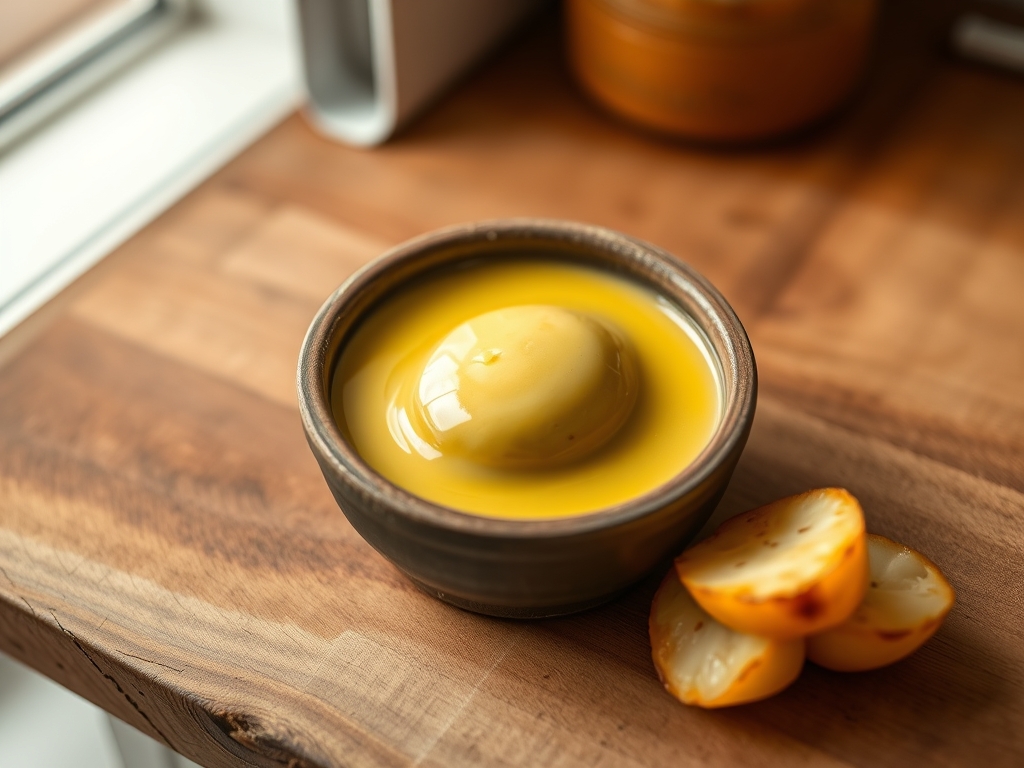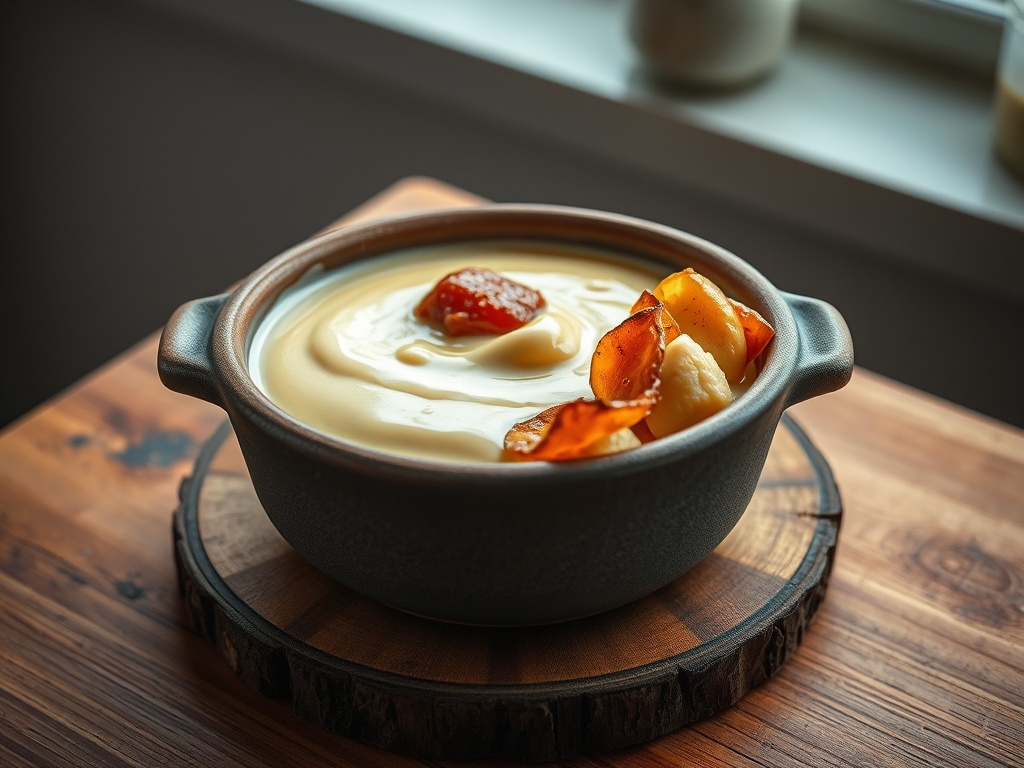
Forget everything you know about the humble side dish. We are not here to discuss a passive pile of starch; we are here to engineer a masterpiece of structural integrity. When you enter the arena of high-end culinary infrastructure, the primary metric of success is Mashed Potato Viscosity. This is the delicate balance between a liquid and a solid; a non-Newtonian fluid that must hold its shape on a plate while surrendering instantly to the palate. Achieving this requires more than a masher and a prayer. It requires an understanding of the amylopectin matrix and the precise application of thermal energy. We are looking for a texture that is silk-spun and cloud-like, yet rich enough to coat the back of a silver spoon with defiant persistence. If your current results resemble library paste or, heaven forbid, a gritty slurry, you have suffered a catastrophic failure in starch management. We are about to recalibrate your kitchen protocols to ensure every spoonful is a testament to aerodynamic lightness and lipid-heavy indulgence. Prepare for a total system overhaul.
THE DATA MATRIX
| Metric | Specification |
|---|---|
| Prep Time | 20 Minutes |
| Execution Time | 30 Minutes |
| Yield | 4 Standard Servings |
| Complexity | 7/10 (Precision Dependent) |
| Estimated Cost | $1.15 per Serving |
THE GATHERS
Ingredient Protocol:
- 1 kg / 2.2 lbs Yukon Gold Potatoes (High starch-to-sugar ratio).
- 250 ml / 1.05 cups Heavy Cream (Minimum 36% milkfat).
- 200 g / 0.88 cups Unsalted European-style Butter (High butterfat content).
- 15 g / 1 tbsp Fine Sea Salt (For osmotic seasoning).
- 2 g / 0.5 tsp White Pepper (To maintain visual purity).
- 2 cloves / 10 g Fresh Garlic (For aromatic infusion).
Section A: Ingredient Quality Audit:
If your potatoes are sprouting or feel soft, the starch has already begun converting into sugar. This results in a gummy, sweet mess that defies aeration. To fix this, soak peeled cubes in ice-cold water for thirty minutes to leach out excess surface sugars. If your butter is "American Standard," it likely contains too much water. You must render the butter slightly in a small saucier to evaporate that moisture before incorporation. Low-fat milk is a non-starter; it lacks the phospholipids required to emulsify the starch granules, leading to a broken, weeping texture. Always opt for the highest fat content available to ensure the final product remains viscous and stable.
THE MASTERCLASS
1. The Cold Start Submersion
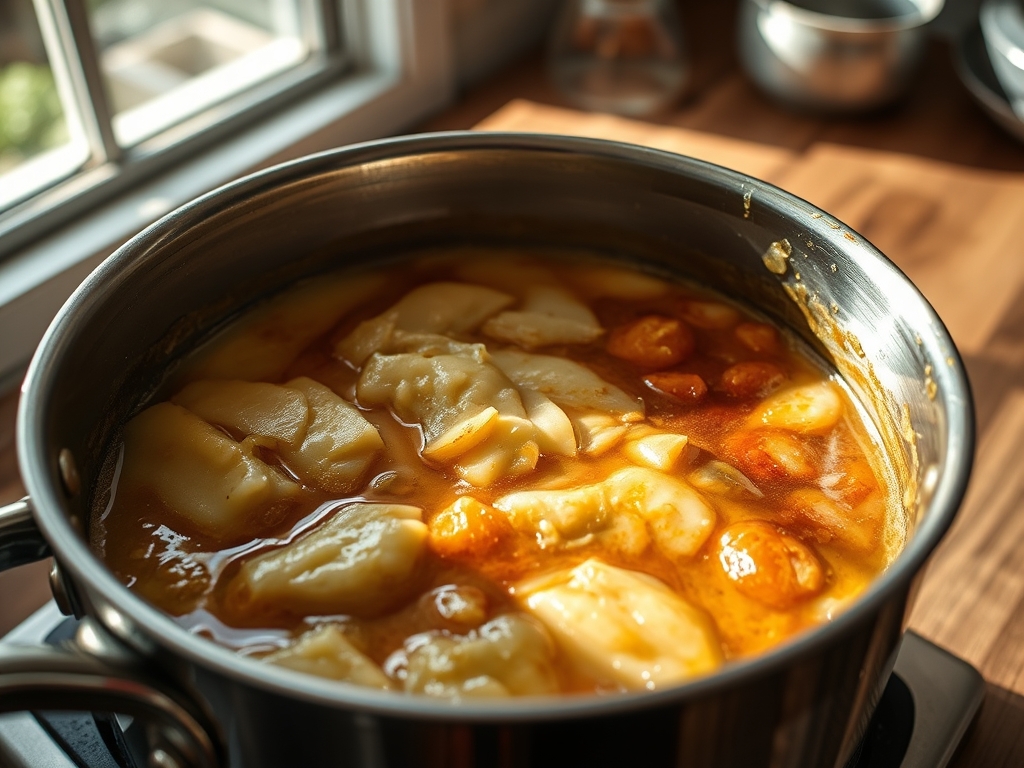
Place your peeled, uniformly cut potato cubes into a heavy-bottomed pot and cover with cold, highly salted water. Starting with hot water causes the exterior to cook and disintegrate before the core reaches the gelatinization point. Use your digital scale to ensure the salt ratio is exactly 1.5% of the water weight.
Pro Tip: This cold start ensures even heat penetration. Scientifically, it allows the pectin in the cell walls to strengthen before the starch granules swell, preventing the potatoes from falling apart and becoming waterlogged.
2. The Thermal Dehydration Phase
Once the potatoes are fork-tender, drain them immediately. Return them to the hot pot over low heat for sixty seconds. Use a bench scraper to toss them gently, watching for a fine white film to form on the bottom of the pot.
Pro Tip: This is the most ignored step in home kitchens. You are removing residual moisture to make "room" for the lipids. If the potato cells are full of water, they cannot absorb the butter, which ruins your Mashed Potato Viscosity.
3. The Mechanical Milling
Pass the hot potatoes through a fine-mesh ricer or a food mill into a clean bowl. Do not use a whisk or a hand mixer at this stage; high-speed blades tear the starch molecules apart, releasing glue-like amylose.
Pro Tip: A food mill is the professional tool of choice here. It ensures a uniform particle size without over-working the starch. Over-working leads to a "long" texture that resembles taffy rather than velvet.
4. The Lipid Infusion
In a separate saucier, heat your cream, butter, and smashed garlic until the butter is fully melted and the mixture is steaming. Slowly stream this hot emulsion into the milled potatoes while folding gently with a silicone spatula.
Pro Tip: Temperature parity is vital. Adding cold cream to hot potatoes causes the starch to seize. By keeping both components hot, you create a stable emulsion where the fat globules are suspended perfectly within the starch matrix.
5. The Final Aeration
Once the liquid is incorporated, use a stiff whisk to aerate the mixture for exactly thirty seconds. This introduces micro-bubbles that lighten the density without compromising the structural integrity of the mash.
Pro Tip: Use a digital thermometer to ensure the final serving temperature is 165 degrees Fahrenheit. This is the "Goldilocks zone" where the fats are liquid enough to feel silky but stable enough to hold a peak.
Section B: Prep & Timing Fault-Lines:
The most common human error is the "Wait Time." If you let the potatoes cool before milling, the starch undergoes retrogradation, turning into hard, crystalline lumps that no amount of butter can fix. You must work with speed. If your timing is off, keep the un-mashed potatoes in a 150-degree oven covered with a damp cloth. Never boil the potatoes too vigorously; a gentle simmer prevents the exterior from sloughing off and creating a "starchy silt" that destroys the clarity of the flavor profile.
THE VISUAL SPECTRUM
Section C: Thermal & Visual Troubleshooting:
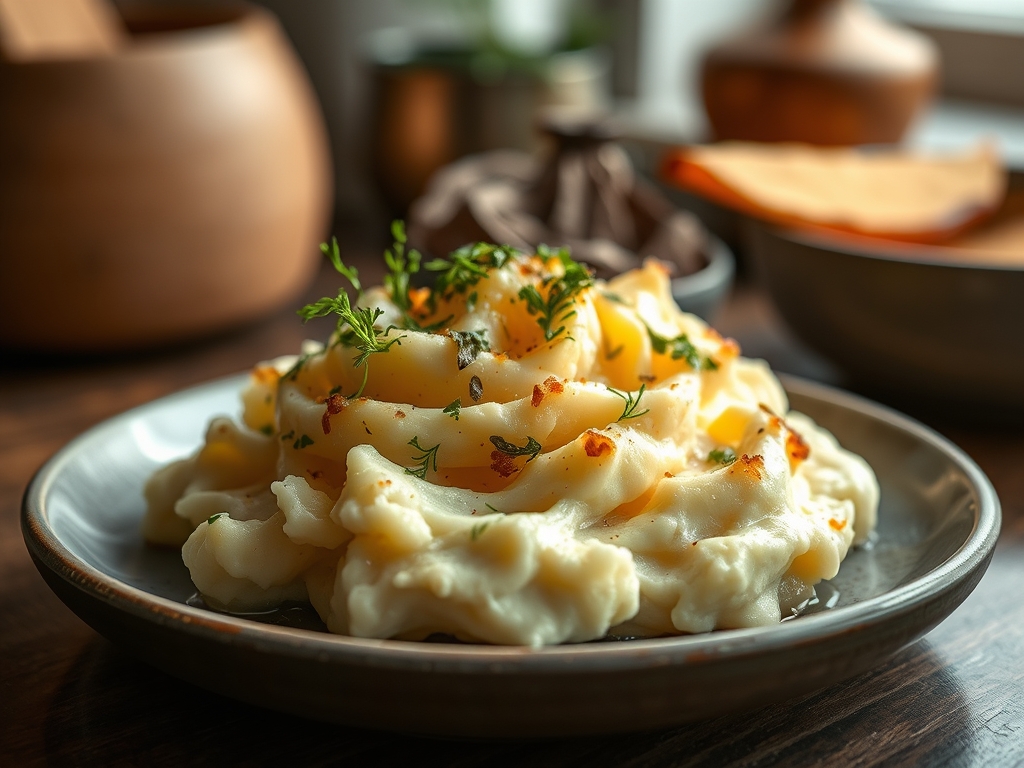
Look closely at the Masterclass photo. The surface should have a soft, matte sheen; not a greasy oil-slick. A greasy appearance indicates the emulsion has broken, likely because the fat was added too quickly. To fix this, whisk in a tablespoon of hot cream to pull the fats back into the fold. If the color is dull or grayish, you likely used a reactive aluminum pot; always use stainless steel or enameled cast iron. If the mash looks "heavy" or flat, it lacks aeration. A quick, vigorous fold with a spatula just before plating will re-introduce the necessary lift. The peaks should be soft and rounded, indicating a perfect balance of moisture and solids.
THE DEEP DIVE
Macro Nutrition Profile:
A standard 200g serving contains approximately 320 calories, 22g of fat, 28g of carbohydrates, and 4g of protein. While high in lipids, the satiety index of high-quality Mashed Potato Viscosity is exceptionally high, meaning a smaller portion provides greater sensory satisfaction.
Dietary Swaps:
- Vegan: Replace butter with a high-quality cashew-based butter and the cream with full-fat coconut milk or oat cream. Ensure the coconut milk is shaken to infuse the fats evenly.
- Keto: This infrastructure is starch-dependent; however, a 50/50 blend of steamed cauliflower and turnip can mimic the texture if processed through a high-speed blender with xantham gum.
- GF: Naturally gluten-free, but ensure your salt and spices are not processed in facilities with wheat dust.
Meal Prep & Reheating Science:
To maintain molecular structure when reheating, do not use a microwave. The localized high heat ruptures the starch cells. Instead, use a double boiler (bain-marie). Add a splash of cream and whisk gently as it warms. This prevents the "skin" from forming and keeps the lipids from separating from the starch solids.
THE KITCHEN TABLE
Why are my potatoes gluey?
You likely over-worked them or used a blender. High-speed blades shatter the starch granules, releasing amylose. Once that "glue" is out of the cell, there is no way to put it back. Use a ricer next time.
Can I peel the potatoes the night before?
Yes, but they must be fully submerged in acidified water (add a squeeze of lemon). This prevents oxidation and enzymatic browning. Ensure you rinse them thoroughly before boiling to remove excess surface starch.
Is it possible to use too much butter?
In the world of professional gastronomy, "too much butter" is a myth. However, for structural stability, the ratio should not exceed 50% of the potato weight. Beyond that, the Mashed Potato Viscosity collapses into a sauce.
Why use white pepper instead of black?
This is a matter of visual infrastructure. Black pepper creates "specks" that can be mistaken for dirt or debris. White pepper provides a clean, piquant heat that integrates invisibly into the snowy white landscape of the mash.