Imagine a liquid velvet that coats the palate with the precision of a high-performance lubricant. We are not just discussing lunch; we are engineering the definitive Creamy Tomato Soup. This is a study in lycopene suspension and lipid integration. Most home cooks settle for a watery, acidic slurry that separates upon contact with a spoon. We are here to audit that failure and replace it with a structural masterpiece. The goal is a piquant, vibrant, and perfectly viscous broth that maintains its integrity from the first dip of a grilled cheese to the final scrape of the bowl. We are hunting for that specific chemical sweet spot where the sharp acidity of the Solanum lycopersicum meets the luxurious mouthfeel of emulsified dairy. This is culinary infrastructure at its finest. Forget the tin can nostalgia. We are building a high-gloss, deep-crimson engine of flavor that utilizes thermal kinetic energy to fuse aromatics into a seamless, aerated cloud of comfort. Strap in; the audit of your kitchen's current soup protocol begins now.
THE DATA MATRIX
| Metric | Specification |
|---|---|
| Prep Time | 20 Minutes |
| Execution Time | 45 Minutes |
| Yield | 1.5 Liters / 6 Servings |
| Complexity (1-10) | 4 (Technique Dependent) |
| Estimated Cost per Serving | $1.85 USD |
THE GATHERS
Ingredient Protocol:
- 800g / 28oz San Marzano Whole Peeled Tomatoes
- 60ml / 4 tbsp Unsalted High-Fat Butter
- 15ml / 1 tbsp Extra Virgin Olive Oil
- 200g / 1 Large Yellow Onion (Small Dice)
- 15g / 3 Cloves Garlic (Microplaned)
- 500ml / 2 cups Low-Sodium Chicken or Vegetable Bone Broth
- 120ml / 0.5 cup Heavy Cream (36% Milkfat)
- 5g / 1 tsp Dried Oregano
- 2g / 0.5 tsp Red Pepper Flakes
- 10g / 2 tsp Kosher Salt (Adjust to taste)
- 15g / 1 tbsp Granulated Sugar (Acid Balancer)
- 10g / 1 bunch Fresh Basil (Post-process infusion)
Section A: Ingredient Quality Audit:
If your tomatoes taste like metallic water, your infrastructure is compromised. Sub-par canned tomatoes often lack the necessary sugar-to-acid ratio. To fix this, perform a Maillard reduction on a small portion of the tomato paste or add a pinch of baking soda to neutralize excess citric acid. If your heavy cream is ultra-pasteurized, it may resist smooth integration; ensure it is at room temperature before introduction to prevent thermal shock and curdling. Always use high-quality butter with at least 82% butterfat to ensure the lipid phase of your emulsion provides maximum silkiness.
THE MASTERCLASS
1. Aromatic Foundation and Lipid Rendering
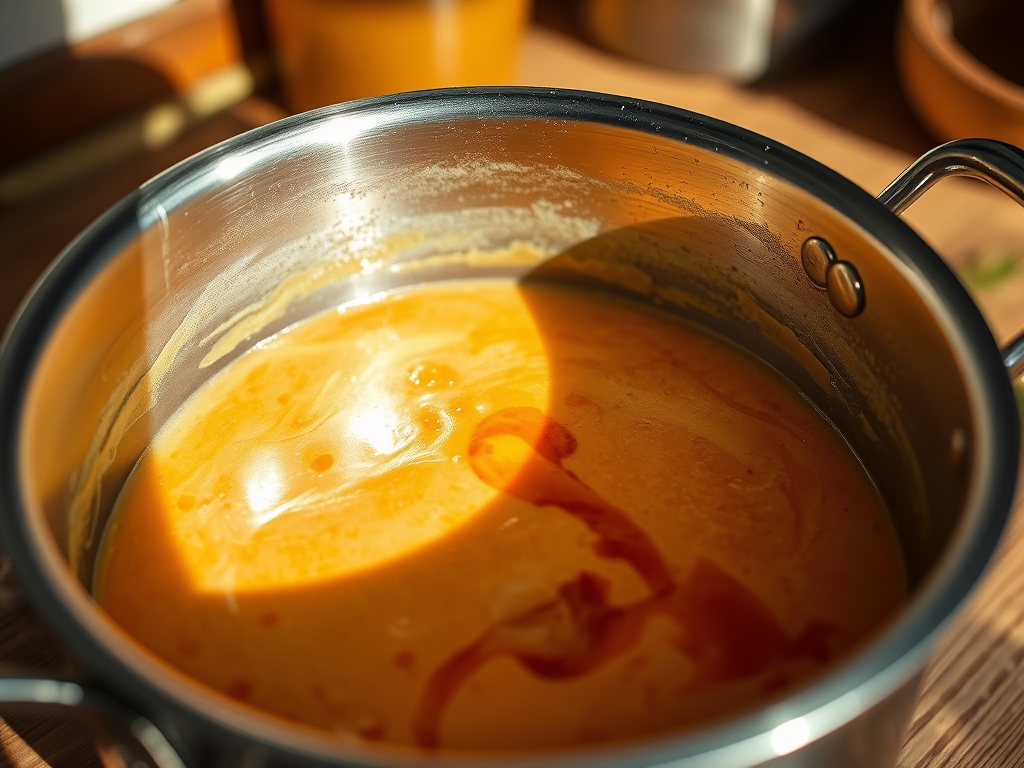
Set your heavy-bottomed saucier over medium heat and add the olive oil and butter. Once the butter solids begin to foam, introduce the diced onions. Sauté until translucent but not browned. We are looking to render the sweetness from the cellular structure without creating bitter carbon notes.
Pro Tip: Use a digital scale to measure your aromatics. Consistency in the onion-to-lipid ratio ensures the base of your emulsion has enough body to support the liquid weight later.
2. The Maillard Catalyst
Add the microplaned garlic, oregano, and red pepper flakes. Stir constantly for 60 seconds. This short window allows the volatile oils in the spices to infuse into the fat, creating a flavor carrier that will permeate the entire soup.
Pro Tip: Use a silicone spatula to scrape the bottom of the pan. This ensures no garlic particles stick and burn, which would introduce an acrid profile to the delicate cream base.
3. Deglazing and Structural Integration
Pour in the San Marzano tomatoes and their juices. Use a bench scraper or a sturdy wooden spoon to crush the whole tomatoes against the side of the pot. Add the broth and sugar. Bring the mixture to a simmer, then reduce heat to low. Cover and let the flavors marry for 30 minutes.
Pro Tip: Deglaze the pan thoroughly. Those tiny brown bits (fond) stuck to the bottom are concentrated umami deposits that act as the structural "rebar" for your flavor profile.
4. High-Shear Emulsification
Remove from heat. Use a high-speed immersion blender to aerate and pulverize the solids. While the blade is spinning, slowly stream in the heavy cream. This creates a stable lycopene-lipid emulsion that will not separate.
Pro Tip: For a restaurant-grade finish, pass the blended liquid through a chinois (fine-mesh strainer). This removes any remaining seed fragments or skin, resulting in a perfectly smooth, viscous texture.
5. Final Calibration
Return the soup to a very low flame. Stir in the fresh basil leaves and allow them to steep for five minutes before removing them. Taste for salt and acidity. If the soup feels "thin" on the palate, whisk in a final knob of cold butter (the monter au beurre technique) for an extra gloss.
Pro Tip: Use a thermapen to ensure the soup stays below 190 degrees Fahrenheit once the cream is added. Boiling a cream-based soup can break the protein bonds, leading to a grainy texture.
Section B: Prep & Timing Fault-Lines:
The most common failure in Creamy Tomato Soup is "The Split." This occurs when the acidic tomato base is combined with cold dairy too quickly or at too high a temperature. If your timing is off and the soup sits too long before blending, the vegetables may over-extract, leading to a dull, "canned" flavor. Always monitor your simmer; a violent boil will evaporate too much water, leaving you with a thick paste rather than a fluid broth.
THE VISUAL SPECTRUM
Section C: Thermal & Visual Troubleshooting:
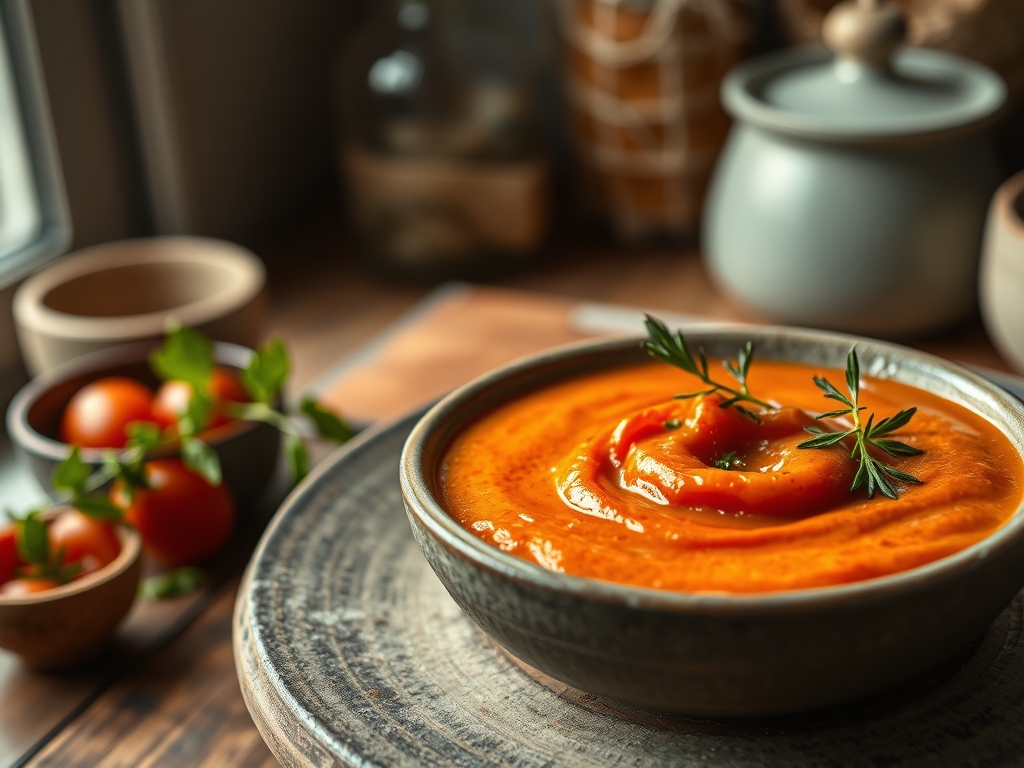
Referencing the Masterclass photo, the ideal soup should exhibit a "Sunset Ochre" hue rather than a flat, matte red. If your soup looks dull, it likely lacks sufficient aeration or lipid content. A glossy surface indicates a successful emulsion. If you see small white dots or "feathering," your cream has curdled due to high acidity or heat. To fix this, immediately blend in a tablespoon of warm broth or use a high-shear blender to force the proteins back into suspension. Uneven browning of the onions will result in dark flecks; if this occurs, you must strain the soup through a finer mesh to maintain visual purity.
THE DEEP DIVE
Macro Nutrition Profile:
A standard 250ml serving provides approximately 220 calories, 14g of fat, 18g of carbohydrates, and 4g of protein. The high lycopene content is a potent antioxidant, and the addition of healthy lipids (olive oil/butter) actually increases the bioavailability of these nutrients.
Dietary Swaps:
- Vegan: Replace butter with vegan buttery sticks and use full-fat coconut milk or cashew cream in place of heavy dairy.
- Keto: Omit the sugar and ensure the onion count is minimized. Increase the heavy cream ratio for higher fat macros.
- GF: This recipe is naturally gluten-free, provided your broth is certified.
Meal Prep & Reheating Science:
To maintain the molecular structure during reheating, avoid the microwave. Use a small saucepan over low heat and whisk constantly. This prevents the lipids from separating from the tomato solids. If the soup has thickened too much in the fridge, add 15ml of water or broth to restore the original viscosity.
THE KITCHEN TABLE
Why is my soup orange instead of red?
This is a sign of high-quality emulsification. When you aerate the soup and incorporate fats, the light refracts differently through the lycopene, shifting the color spectrum from deep red to a vibrant, creamy orange.
Can I use fresh tomatoes instead of canned?
Yes, but you must roast them first to concentrate the sugars and remove excess water. Canned San Marzano tomatoes are preferred for their consistent pH levels and structural reliability in high-fluid broths.
How do I fix a soup that is too acidic?
Do not just add sugar. Try a pinch of baking soda to chemically neutralize the acid, or add more butter. The fats coat the tongue, naturally buffering the perception of sharpness without oversweetening the profile.
What is the best way to store leftovers?
Store in airtight glass containers for up to four days. Glass is non-reactive, ensuring the acidic tomato base doesn't pick up metallic notes from plastic or foil during long-term storage.