Imagine a sphere of pure starch suspended in a state of kinetic potential. This is not just a dessert; it is a structural engineering feat where hydration levels dictate the difference between a gummy failure and a sublime, velvet experience. We are talking about the Tapioca Pearl Flow. It is that specific, rhythmic movement of translucent orbs as they cascade through a thickened coconut or dairy matrix. When the infrastructure of your pudding is sound, each pearl acts as a reservoir of moisture, yielding to the tooth with a gentle, elastic resistance. Most amateur attempts result in a structural collapse; the pearls clump into a gelatinous monolith or remain chalky at the core. We are here to audit those failures. We are here to ensure that your fluid cassava pudding achieves a viscosity that is both indulgent and mobile. From the initial thermal shock of the soak to the final, glossy finish, every micro-adjustment in temperature and agitation serves the ultimate goal: a flawless, suspended Tapioca Pearl Flow that defies the laws of ordinary thickening agents.
THE DATA MATRIX
| Metric | Specification |
|---|---|
| Prep Time | 20 Minutes |
| Execution Time | 45 Minutes |
| Yield | 6 Servings |
| Complexity (1-10) | 6 |
| Estimated Cost per Serving | $1.15 |
THE GATHERS
Ingredient Protocol:
- Small Pearl Tapioca (Non-Instant): 150g / 3/4 cup
- Full-Fat Coconut Milk: 400ml / 1.7 cups
- Whole Milk or Cashew Milk: 500ml / 2.1 cups
- Granulated Cane Sugar: 100g / 0.5 cups
- Kosher Salt: 2g / 0.25 tsp
- Pure Vanilla Bean Paste: 5ml / 1 tsp
- Fresh Mango or Passionfruit (for acid balance): 200g / 1.2 cups
Section A: Ingredient Quality Audit:
The primary failure point in cassava infrastructure is the age of the starch. Old pearls undergo retrogradation even before they hit the water, leading to a core that never softens. If your pearls are brittle or dusty in the bag, they will shatter during the boil. To fix this, perform a "Float Test" in room temperature water; if they disintegrate instantly, your starch bonds are compromised. Furthermore, avoid "Instant" or "Minute" tapioca for this specific protocol. Those products are pre-gelatinized and cannot sustain the structural integrity required for a true Tapioca Pearl Flow. If using coconut milk, ensure it is not "Lite." You need the medium-chain triglycerides to emulsify with the starch to create a silky mouthfeel. If the fat has separated in the tin, use a high-speed blender to aerate and re-homogenize the liquid before beginning the thermal phase.
THE MASTERCLASS
1. The Hydration Phase
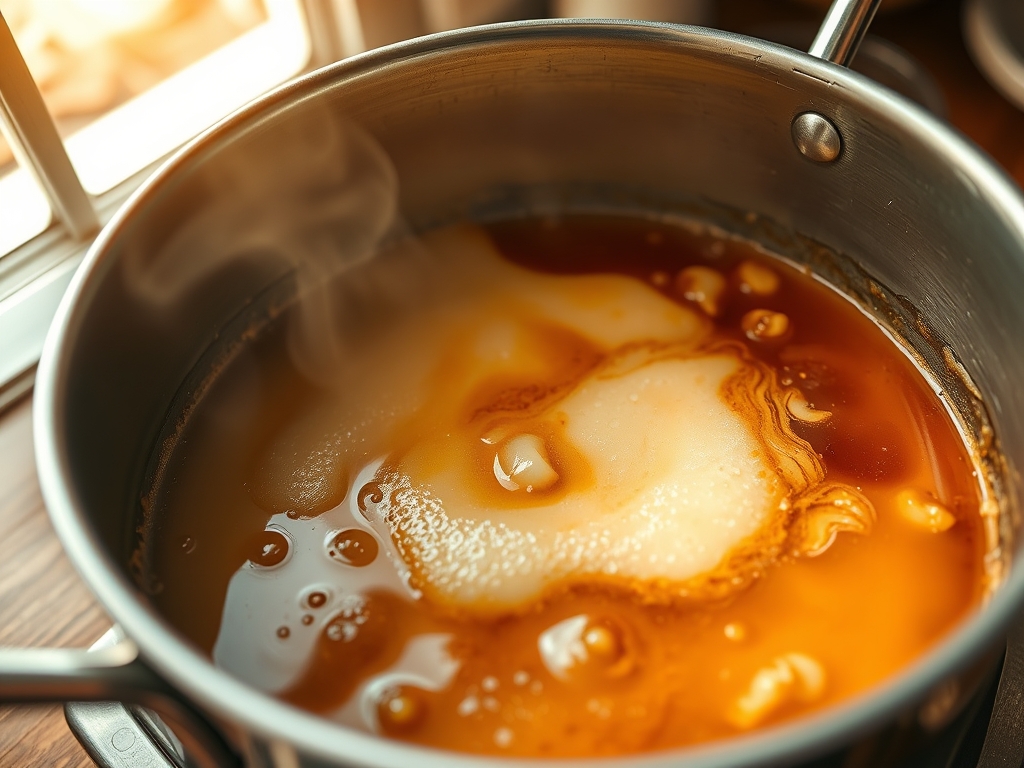
Begin by placing your pearls in a heavy-bottomed saucier. Add the whole milk and salt. Allow the pearls to soak for exactly 15 minutes at room temperature. This initiates the capillary action required to saturate the starch core without premature gelatinization.
Pro Tip: Use a digital scale for this phase. Volumetric measurements are notoriously inaccurate for dry starch, and a 10 percent variance in liquid-to-starch ratio will ruin the final viscosity.
2. Thermal Activation
Place the saucier over medium-low heat. Use a silicone whisk to gently agitate the mixture. You are looking for the moment the liquid begins to infuse with the starch, turning from a thin milk to a light syrup. Do not allow the mixture to reach a rolling boil yet.
Pro Tip: Constant agitation is mandatory. Starch granules are heavier than the liquid matrix and will sink, creating a scorched insulation layer on the bottom of the pan that prevents even heat distribution.
3. The Translucency Transition
As the mixture thickens, add the coconut milk and sugar. Increase the heat slightly. The pearls will begin to transition from opaque white to a ghostly, translucent state. This is the gelatinization point. Continue to stir until the center of the largest pearl is nearly clear.
Pro Tip: Use a thermapen or infrared thermometer to monitor the internal temperature. You are targeting 185 degrees Fahrenheit (85 Celsius). This is the "Sweet Spot" where the starch molecules fully expand but have not yet burst.
4. The Final Emulsification
Remove from heat and fold in the vanilla bean paste. The residual heat will render the aromatic compounds of the vanilla without boiling them off. The pudding will appear slightly loose; this is intentional. The Tapioca Pearl Flow relies on the thickening that occurs during the cooling phase.
Pro Tip: Transfer the pudding to a wide glass bowl and press plastic wrap directly onto the surface. This prevents the formation of a protein skin, which would act as a structural contaminant in your smooth pudding.
Section B: Prep & Timing Fault-Lines:
Timing is the silent killer of cassava puddings. If you cook the pearls too fast, the exterior over-hydrates and sloughs off into the liquid, creating a "gluey" mess, while the interior remains a hard pellet. This is a classic thermal gradient error. If you find your liquid is disappearing before the pearls are clear, do not add more milk. Instead, cover the pot and remove it from the heat for five minutes. The trapped steam will finish the hydration of the cores without further reducing the moisture in the matrix. Another common fault is adding the sugar too early. Sugar is hygroscopic; it competes with the starch for water. Adding it halfway through the process ensures the pearls have already claimed the hydration they need to swell.
THE VISUAL SPECTRUM
Section C: Thermal & Visual Troubleshooting:
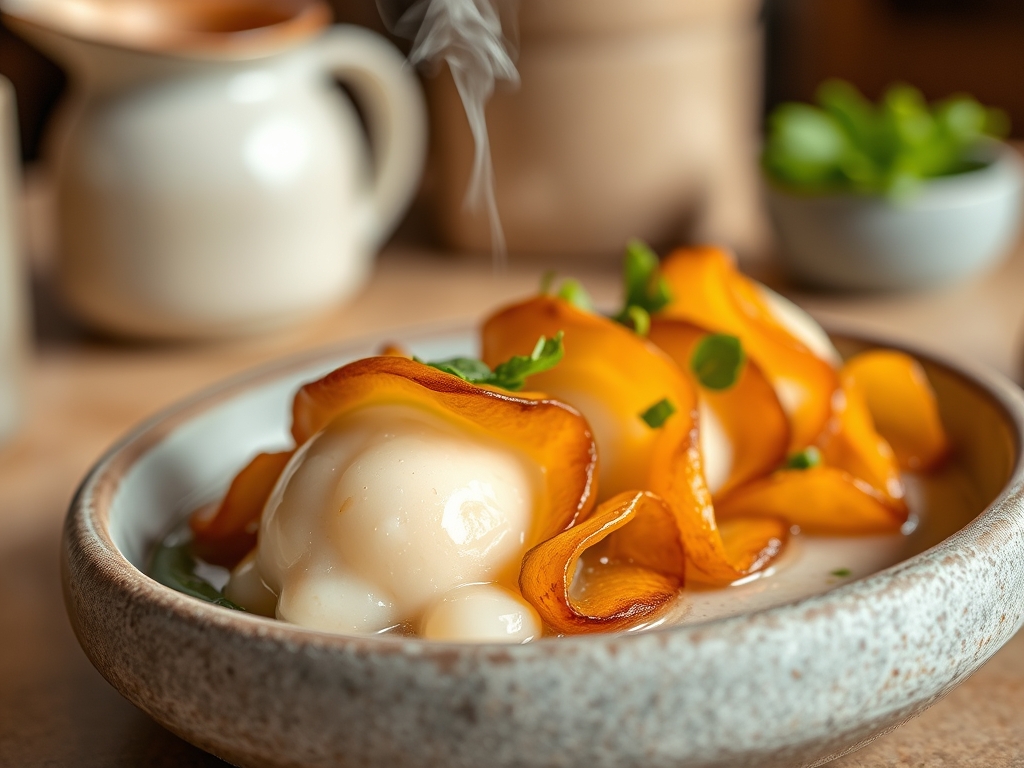
Look closely at the Masterclass photo. Notice the distinct separation of the pearls; they are suspended, not clumped. If your pudding looks like a solid block of translucent jelly, your starch-to-liquid ratio was too high. You can salvage this by whisking in a small amount of warm coconut milk to re-establish the flow. If the color is dull or grayish, you likely scorched the milk solids at the bottom of the pan. To prevent this, always use a saucier with rounded edges, which allows the whisk to reach every millimeter of the surface area. If the pearls are "shaggy" or have lost their spherical shape, you agitated too aggressively. Use a folding motion rather than a vigorous whip once the gelatinization begins. The goal is a high-gloss finish that reflects light, indicating a perfect emulsification of fats and hydrated starches.
THE DEEP DIVE
Macro Nutrition Profile:
A single serving of this infrastructure-grade pudding provides approximately 280 calories. The profile is carbohydrate-dominant (42g), supported by the healthy fats in the coconut milk (12g). While low in protein (3g), its primary value is as a high-energy, easily digestible fuel source.
Dietary Swaps:
For a Vegan audit, ensure your base milk is plant-derived; oat milk provides an excellent creamy texture that rivals dairy. For a Keto version, tapioca is unfortunately a non-starter due to its pure starch composition; however, glucomannan pearls can be substituted, though the "flow" will differ. This recipe is naturally Gluten-Free, provided your starch source is certified.
Meal Prep & Reheating Science:
Tapioca is notorious for "tightening" in the fridge. To maintain the molecular structure, reheat the pudding in a double boiler rather than a microwave. The gentle, indirect heat allows the starch bonds to relax without seizing. If the pudding has become too viscous, add a tablespoon of coconut water to restore the original Tapioca Pearl Flow.
THE KITCHEN TABLE
Why are my pearls still white in the middle?
This indicates an incomplete hydration cycle. The thermal energy did not reach the core. Next time, extend your initial soak or lower the cooking temperature to allow for a slower, deeper moisture penetration.
Can I use honey instead of cane sugar?
Yes; however, honey contains enzymes that can occasionally break down starch chains. Add honey only after the pudding has been removed from the heat to preserve both the flavor and the structural integrity of the gel.
My pudding turned into a watery soup. What happened?
You likely undercooked the starch or used too much acid (like lime juice) too early. Acid interferes with the starch's ability to form a network. Always add acidic fruit toppings just before serving to protect the viscosity.
How do I get that "restaurant" gloss?
The secret is the final emulsification. A tiny pinch of salt and a high-fat coconut milk create a colloidal suspension that reflects light. Ensure you do not boil the pudding after adding the final fats to keep them stable.