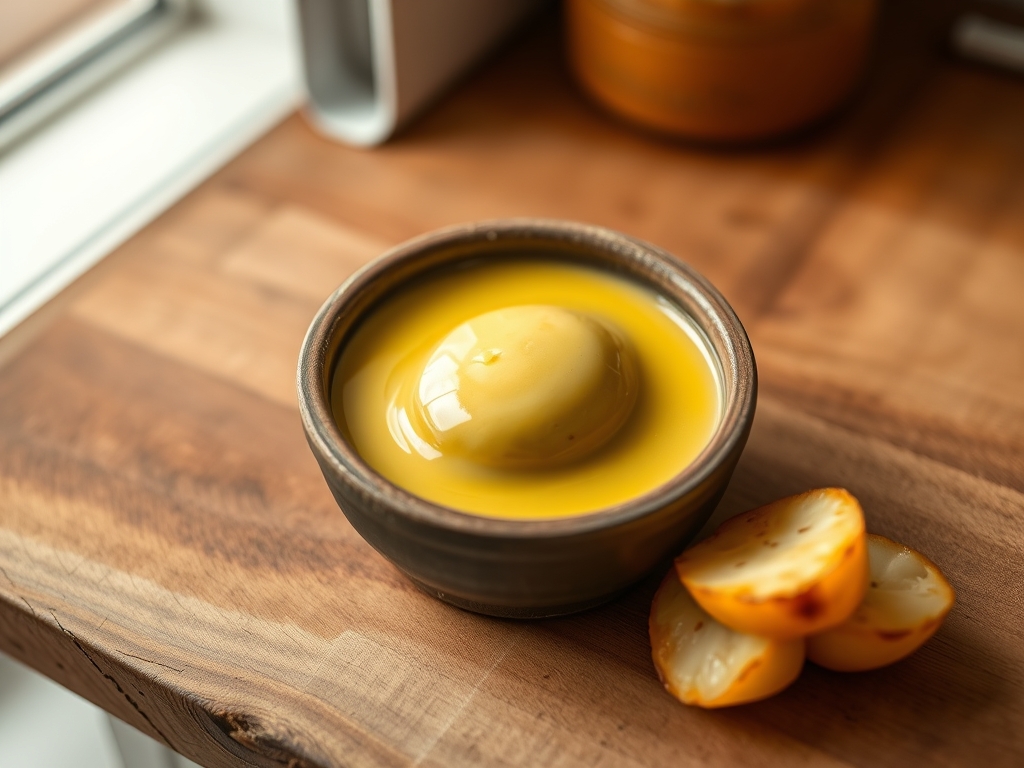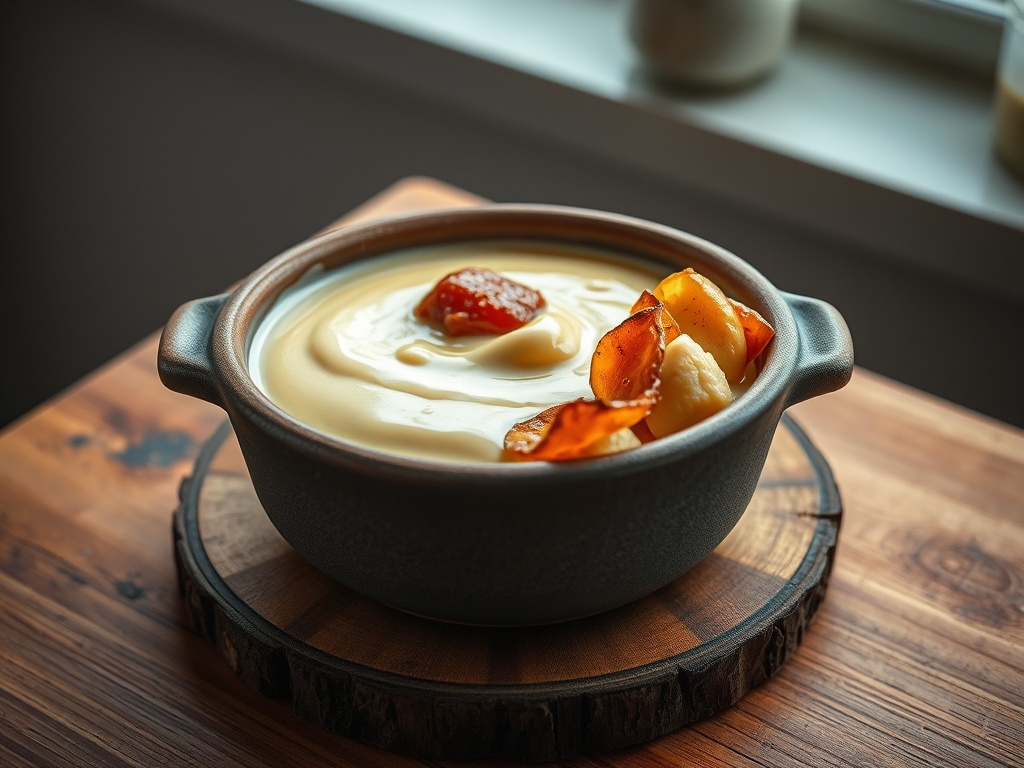
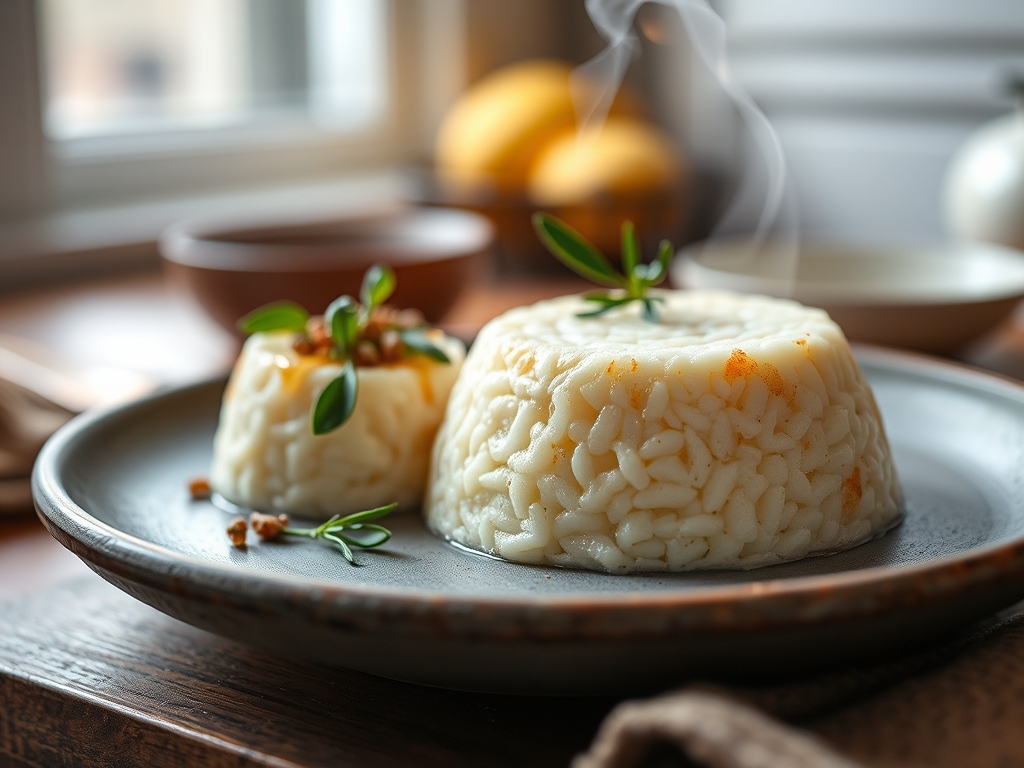
Stop settling for that gelatinous, over-sweetened sludge masquerading as a classic dessert in the back of your local deli. We are here to conduct a structural audit of the most misunderstood grain-based suspension in the culinary canon. The secret to a world-class result is not just the sugar or the spice; it is the meticulous management of Rice Pudding Viscosity. When you achieve the perfect state of fluid dynamics, the grains remain distinct yet suspended in a velvet custard that coats the palate without clinging to it like industrial adhesive. We are looking for a luxurious, slow-motion flow that signals the successful liberation of amylopectin. This is a high-stakes game of thermal regulation and starch manipulation. If your pudding stands up like a brick of mortar, you have failed the audit. If it runs across the plate like spilled milk, you have lacked the patience for proper reduction. We demand a medium that is luscious, creamy, and technically precise. Let us recalibrate your kitchen for peak performance.
THE DATA MATRIX
| Metric | Specification |
|---|---|
| Prep Time | 10 Minutes |
| Execution Time | 45 Minutes |
| Yield | 4 Servings |
| Complexity (1-10) | 4 |
| Estimated Cost per Serving | $0.85 |
THE GATHERS
Ingredient Protocol:
- 200g / 1 cup Arborio or Short-Grain Rice
- 1000ml / 4 cups Whole Milk (3.5% Fat)
- 120ml / 0.5 cup Heavy Cream
- 100g / 0.5 cup Granulated Sugar
- 1 Vanilla Bean (split and scraped)
- 2g / 0.25 tsp Kosher Salt
- 1 Cinnamon Stick
- 15g / 1 tbsp Unsalted Butter (cold)
Section A: Ingredient Quality Audit:
The primary failure point in many audits is the selection of long-grain rice. Long-grain varieties contain high levels of amylose, which results in dry, separate grains that refuse to create a cohesive bond with the dairy. To fix this, always opt for short-grain varieties like Arborio. These grains are packed with amylopectin, which sloughs off during the simmering process to create that signature Rice Pudding Viscosity. If your milk lacks the necessary fat content, the emulsion will break under high heat. If you find yourself with only skim milk, you must fortify the solution with an extra 30ml of heavy cream to ensure the lipid structure can support the starch suspension.
THE MASTERCLASS
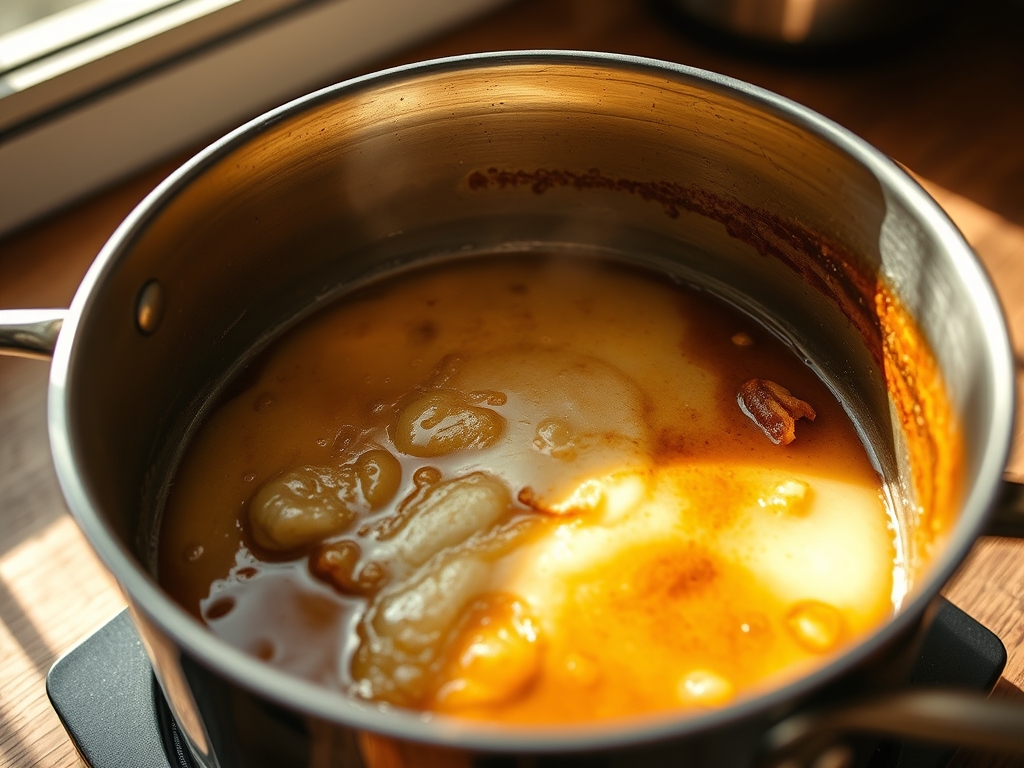
1. The Hydration Phase
Combine the rice, milk, salt, and cinnamon stick in a heavy-bottomed saucier. Using a saucier is critical because the curved bottom prevents rice grains from becoming trapped in "dead zones" where they would otherwise scorch. Bring the mixture to a gentle simmer over medium heat.
Pro Tip: Use a digital scale for your measurements. Volumetric cups are notoriously inaccurate for dry grains; a 10 percent variance in rice weight can completely compromise your final Rice Pudding Viscosity.
2. The Starch Liberation
Reduce the heat to the lowest possible setting. You want a lazy bubble, not a rolling boil. Stir the mixture every three to four minutes with a heat-resistant silicone spatula. This agitation encourages the rice to release its starch into the milk, thickening the liquid naturally without the need for external thickeners like cornstarch.
Pro Tip: Constant agitation is a myth that leads to broken grains. Intermittent stirring is the superior protocol to infuse the dairy with starch while maintaining the structural integrity of the rice.
3. The Sweetness Integration
Once the rice is tender but still possesses a slight "al dente" core (usually around the 30-minute mark), whisk in the sugar and the vanilla bean paste. Adding sugar too early can inhibit the rice from softening properly due to osmotic pressure.
Pro Tip: Use a bench scraper to clean your workstation of any stray sugar granules before they can find their way into the pot and create an unwanted gritty texture.
4. The Final Emulsion
Remove the pot from the heat while the mixture still looks slightly looser than your desired final result. Stir in the heavy cream and the cold butter. The cold butter will render into the warm pudding, creating a glossy sheen and a more complex mouthfeel through a process of rapid emulsification.
Pro Tip: Residual heat will continue to cook the starch. If you wait until it looks "perfect" in the pan, it will be a solid mass by the time it reaches the table.
Section B: Prep & Timing Fault-Lines:
The most common human error is the "High Heat Shortcut." Increasing the temperature to speed up the process will cause the milk proteins to denature and "break," resulting in a grainy, curdled texture. If you notice the milk starting to foam aggressively, immediately remove the saucier from the heat and whisk in a tablespoon of cold milk to reset the thermal baseline. Timing is a function of evaporation; if you cover the pot, you trap steam and prevent the reduction necessary for the correct Rice Pudding Viscosity. Always cook uncovered.
THE VISUAL SPECTRUM
Section C: Thermal & Visual Troubleshooting:
Referencing the Masterclass photo, observe the "nappe" consistency. The pudding should coat the back of a spoon without dripping instantly. If your pudding looks dull or matte, you likely skipped the cold butter finish or overcooked the starch. A vibrant, pearlescent sheen indicates a healthy lipid-to-starch ratio. If you see uneven browning or dark flecks that are not vanilla beans, your heat was too high, causing the lactose to undergo a premature Maillard reaction on the bottom of the pan. To fix a "tight" pudding that has set too hard, gently fold in two tablespoons of warm milk until the visual flow is restored.
THE DEEP DIVE
Macro Nutrition Profile:
A standard 150g serving provides approximately 320 calories, 12g of fat, 48g of carbohydrates, and 6g of protein. The high glycemic index of the short-grain rice provides a rapid energy spike, while the fats in the whole milk and cream slow down the overall digestion process.
Dietary Swaps:
For a Vegan audit, replace the dairy with a combination of full-fat coconut milk and cashew cream. The high fat content in coconut milk mimics the mouthfeel of heavy cream. For a Keto version, rice must be swapped for riced cauliflower or konjac grains, though the Rice Pudding Viscosity will require a stabilizer like xanthan gum to compensate for the lack of natural starch.
Meal Prep & Reheating Science:
Rice pudding is a molecular shapeshifter. As it cools, the starch molecules undergo retrogradation, forming a firmer crystalline structure. To reheat, you must break these bonds by adding a splash of liquid and applying gentle, indirect heat. Avoid the microwave if possible; a small saucepan over low heat is the only way to preserve the original emulsion.
THE KITCHEN TABLE
Why is my rice pudding crunchy?
You likely added the sugar too early or failed to maintain a consistent simmer. Sugar can prevent the rice from fully hydrating. Ensure the rice is 90 percent cooked before introducing sweeteners to the matrix.
Can I use Basmati rice instead?
Basmati is a long-grain rice with high amylose. It will not release enough starch to create the necessary Rice Pudding Viscosity. You will end up with rice soup rather than a thickened, creamy custard.
How do I prevent a skin from forming?
As the pudding cools, proteins and fats at the surface dehydrate. To prevent this, press a piece of parchment paper or plastic wrap directly onto the surface of the pudding while it is still warm.
Why did my pudding turn watery the next day?
This is often caused by amylase, an enzyme found in human saliva. If you double-dip your spoon into the main container, the enzymes will begin digesting the starches, liquefying the pudding overnight. Always use clean serving utensils.