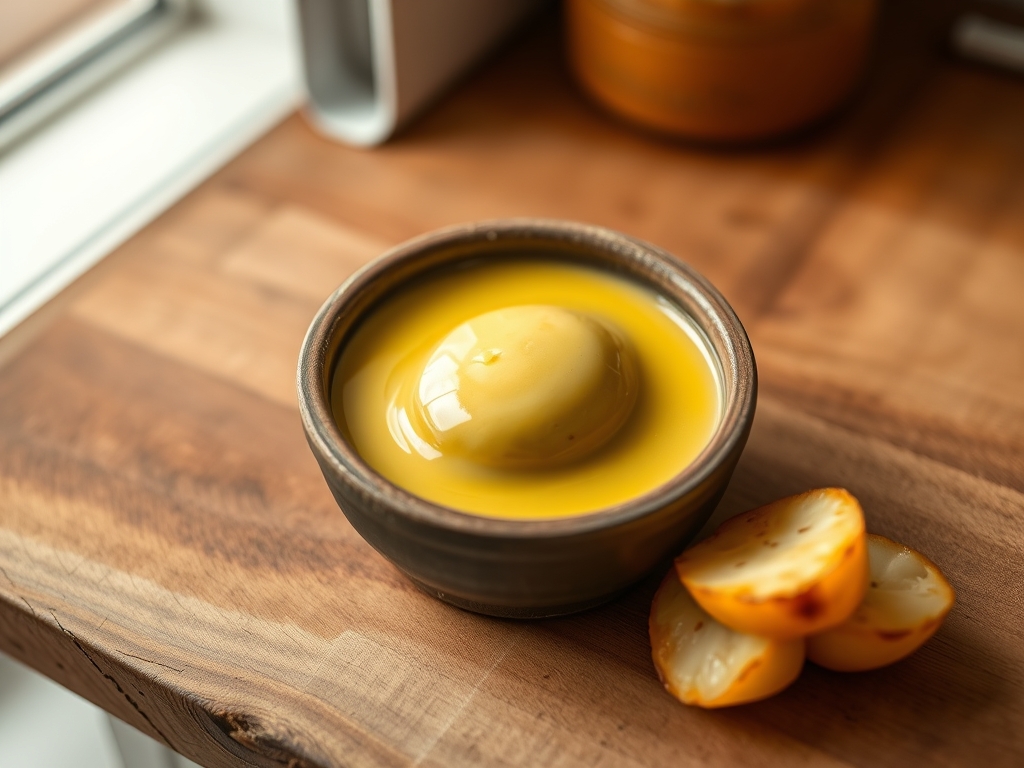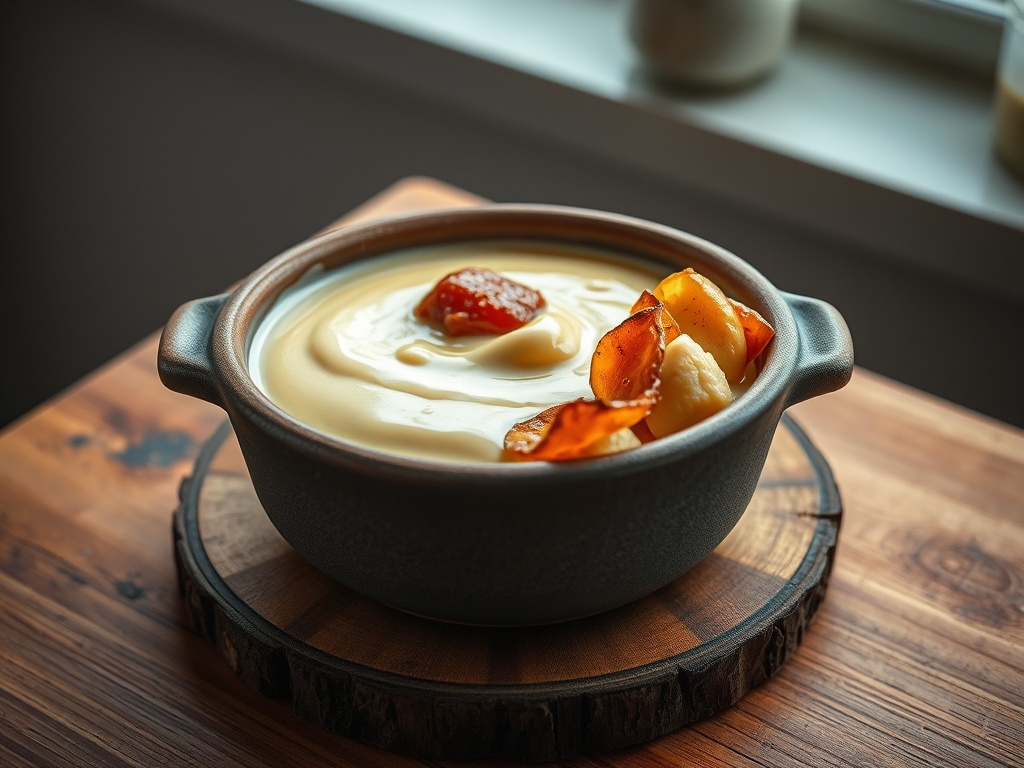
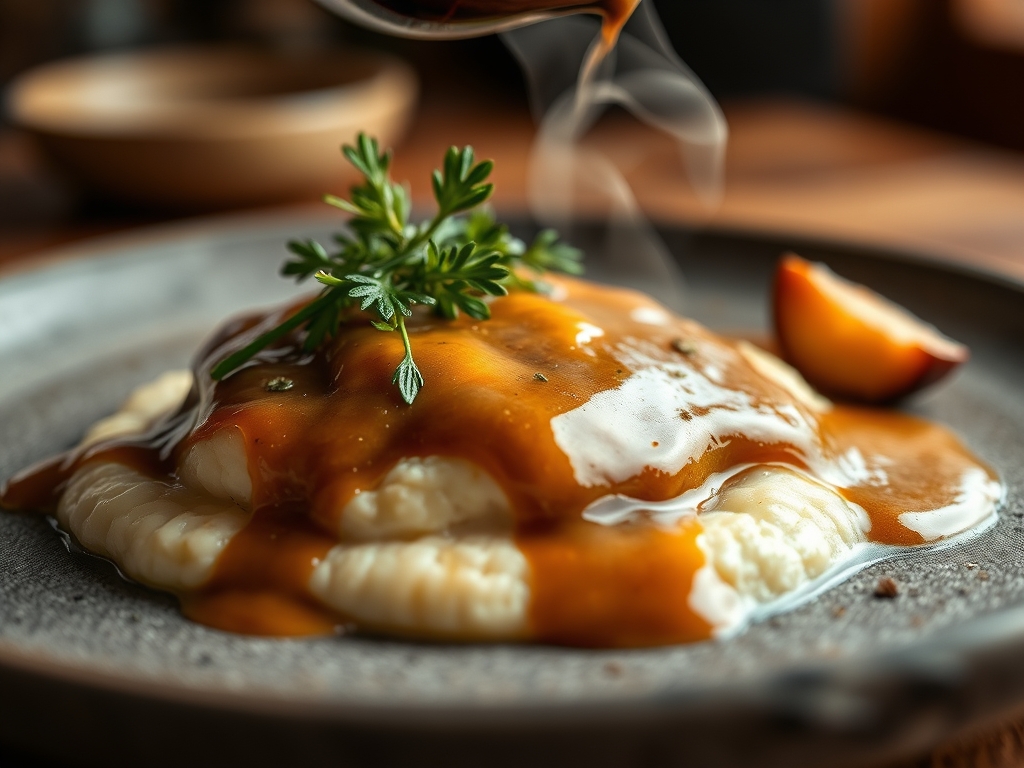
The kitchen is not a sanctuary; it is a high-stakes laboratory where the laws of thermodynamics dictate the success of your breakfast. We are here to master the Grits and Gravy Flow. This is the ultimate study in Southern fluid dynamics. Imagine a base of stone-ground cornmeal, hydrated to the point of structural collapse yet maintaining a velvety, weightless suspension. Over this, we layer a dense, opaque pork-fat emulsion, peppered with the debris of scorched protein. This is not just comfort food. It is a technical achievement of starch gelatinization and lipid stabilization. When the Grits and Gravy Flow is executed with precision, the two distinct viscosities merge without losing their individual integrity. The grits provide a mineral, earthy foundation, while the gravy delivers a piquant, savory punch that cuts through the starch. We are looking for a specific mouthfeel: a luxurious coating of the palate that lingers without feeling heavy. If your gravy is translucent or your grits are gritty, you have failed the audit. Let us recalibrate your technique.
THE DATA MATRIX
| Metric | Specification |
|---|---|
| Prep Time | 15 Minutes |
| Execution Time | 45 Minutes |
| Yield | 4 Servings |
| Complexity (1-10) | 6 |
| Estimated Cost per Serving | $1.85 |
THE GATHERS
Ingredient Protocol:
- Stone-Ground White Corn Grits: 240g / 1.25 cups
- Whole Milk: 480ml / 2 cups
- Filtered Water: 480ml / 2 cups
- High-Fat Unsalted Butter: 56g / 4 tablespoons
- Kosher Salt: 10g / 2 teaspoons
- Breakfast Sausage (Bulk): 450g / 1 pound
- All-Purpose Flour: 30g / 0.25 cups
- Heavy Cream: 120ml / 0.5 cups
- Whole Milk (for gravy): 360ml / 1.5 cups
- Freshly Cracked Black Pepper: 5g / 1 tablespoon
Section A: Ingredient Quality Audit:
If your grits resemble sand after thirty minutes of cooking, you have likely purchased "instant" or "quick" varieties which lack the germ and hull necessary for a complex flavor profile. Technical Fix: Always source stone-ground heirloom corn. If your sausage lacks enough fat to create a proper roux, do not panic. Simply supplement the pan with lard or high-quality butter until you achieve a 1:1 ratio of fat to flour. If your milk is nearing its expiration, the lactic acid may cause the gravy to break; ensure all dairy is fresh and brought to room temperature before it hits the heat.
THE MASTERCLASS
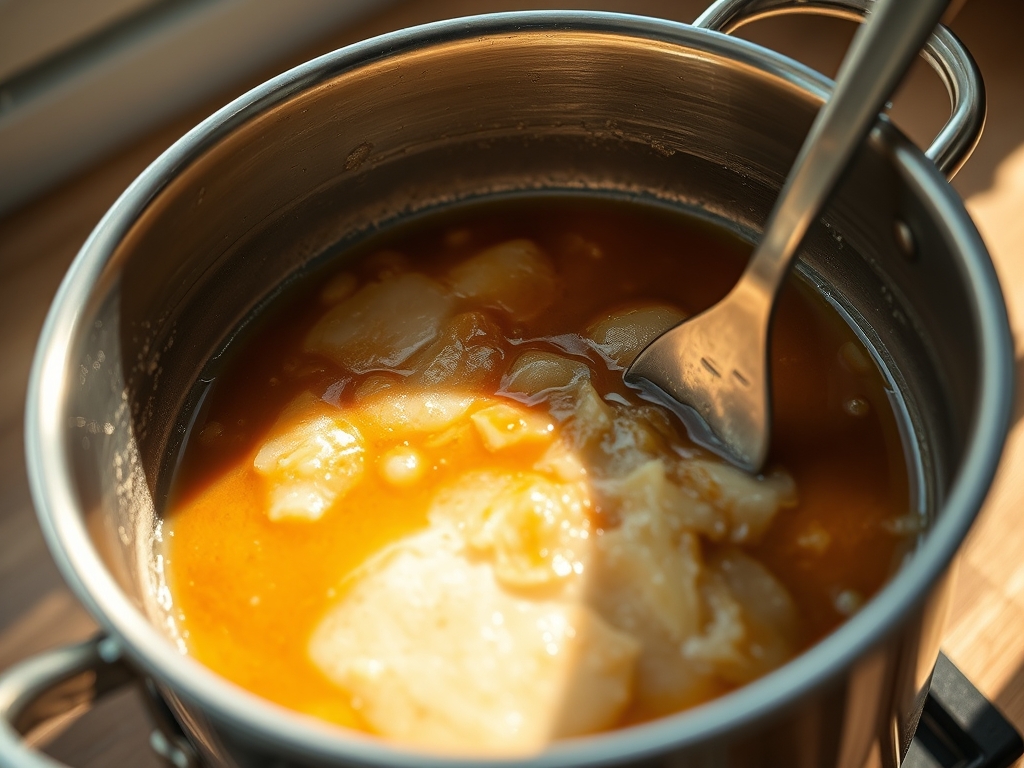
1. Hydration and Initial Gelatinization
Combine your water, milk, and salt in a heavy-bottomed saucier. Bring the liquid to a gentle simmer, never a rolling boil, to prevent premature evaporation. Slowly rain the grits into the liquid while whisking constantly to prevent clumping.
Pro Tip: Use a digital scale to measure your grits by weight rather than volume. This ensures a consistent starch-to-liquid ratio every time, accounting for the varying density of different corn grinds.
2. The Low and Slow Infusion
Reduce the heat to the lowest possible setting. Cover the pot and allow the corn to infuse with the dairy. Stir every five to seven minutes, scraping the bottom of the pan to prevent the starch from scorching and creating a bitter film.
Pro Tip: A silicone spatula is superior to a spoon here. It allows you to sweep the entire radius of the saucier, ensuring no pockets of starch become isolated and overcooked.
3. Protein Rendering and Fond Development
While the grits simmer, place your sausage in a cold cast-iron skillet. Turn the heat to medium and use a bench scraper or stiff spatula to break the meat into small, uniform crumbles. Continue cooking until the meat is deeply browned and a "fond" (browned bits) forms on the bottom of the pan.
Pro Tip: The Maillard reaction is your primary flavor driver. Do not move the meat too much at first; let it sear to develop those complex, savory compounds before breaking it down.
4. The Roux and Lipid Emulsification
Remove the cooked sausage with a slotted spoon, leaving exactly three tablespoons of rendered fat in the pan. Sprinkle the flour over the fat and whisk for two minutes to cook out the raw starch flavor. Slowly stream in the milk and cream while whisking vigorously to aerate and emulsify the mixture.
Pro Tip: Use a flat whisk for gravy. It reaches into the corners of the skillet better than a balloon whisk, ensuring all the flour is incorporated into the liquid for a lump-free finish.
5. Final Integration and Seasoning
Fold the sausage back into the gravy and add a generous amount of black pepper. Taste for seasoning. Once the grits are tender and have absorbed the liquid, stir in the cold butter to create a glossy, viscous finish. Plate immediately by ladling the gravy directly over the center of the grits.
Pro Tip: Use an infrared thermometer to ensure your grits are served at exactly 180 degrees Fahrenheit. This is the thermal sweet spot where the flavor profile is most expressive without scalding the palate.
Section B: Prep & Timing Fault-Lines:
The most common failure in the Grits and Gravy Flow is "Starch Stalling." This occurs when the grits sit too long and turn into a solid block. If your timing is off, keep the grits in a warm water bath (bain-marie). If the gravy becomes too thick while waiting for the grits, deglaze the pan with a tablespoon of warm water or milk to loosen the proteins and restore the flow.
THE VISUAL SPECTRUM
Section C: Thermal & Visual Troubleshooting:
Look at the reference image. Notice the "crater effect" where the gravy sits atop the grits. If your gravy is sinking through the grits, your grits are too thin; increase the simmer time to evaporate more moisture. If the gravy looks grey and dull, you did not allow the sausage to render and brown sufficiently. The final product should show a stark contrast between the ivory-white grits and the rich, tan, pepper-flecked gravy. If you see oil pooling on the surface of the gravy, the emulsion has broken. Whisk in a splash of heavy cream to pull the fats back into suspension.
THE DEEP DIVE
Macro Nutrition Profile:
This dish is a caloric powerhouse designed for sustained energy. A standard serving contains approximately 550 calories, with 35g of carbohydrates, 42g of fats, and 18g of protein. It is high in sodium and saturated fats, making it a "recovery" meal rather than a daily staple.
Dietary Swaps:
- Vegan: Substitute the sausage with seasoned mushroom crumbles, use coconut milk for the gravy, and utilize vegetable stock and vegan butter for the grits.
- Keto: Replace the grits with riced cauliflower cooked in heavy cream and use xanthan gum as a thickener for the gravy instead of flour.
- GF: Ensure the grits are certified gluten-free and use a 1:1 gluten-free flour blend for the gravy roux.
Meal Prep & Reheating Science:
Grits undergo retrogradation when cooled, meaning the starch molecules realign into a hard structure. To reheat, you must add liquid (milk or water) and heat slowly while whisking to break those bonds. Do not microwave on high; use medium power to avoid "breaking" the fat in the gravy.
THE KITCHEN TABLE
Why are my grits still crunchy after an hour?
You likely have old corn or a very coarse grind. Add another 120ml of water and continue to simmer. Next time, soak your stone-ground grits overnight to jumpstart the hydration process and reduce active cooking time.
Can I use pre-ground pepper?
Absolutely not. Pre-ground pepper loses its volatile oils almost instantly. For the piquant punch required in a traditional Southern gravy, you must use a high-quality burr grinder to crack whole peppercorns directly into the pan.
My gravy tastes like flour. What happened?
The roux was undercooked. You must whisk the flour and fat together for at least two minutes until it smells slightly nutty. If it already happened, simmer the gravy for an extra five minutes to help the starch granules fully hydrate.
Why is my gravy translucent instead of white?
This is a sign of insufficient dairy or an incorrect fat-to-flour ratio. A proper Southern gravy relies on the opacity of milk proteins. Ensure you are using whole milk and not skimming on the flour during the roux phase.