Listen up, kitchen architects and flavor engineers. We are not just boiling legumes today. We are orchestrating a masterpiece of fluid dynamics and lipid-soluble spice extraction. The subject of our audit is the Curried Lentil Dahl; a dish that serves as the gold standard for high-viscosity comfort and nutritional density. If your previous attempts at dahl resulted in a watery, insipid slurry or a scorched, sedimentary mess, your technical infrastructure is failing you. We are here to rebuild that foundation from the molecular level up. We are looking for a finished product that is velvet-smooth yet structurally sound, where every red lentil has surrendered its starch to create a creamy, golden emulsion. This is about the precise calibration of heat, the strategic timing of aromatics, and the aggressive infusion of piquant spices into a fat-based carrier. Strap on your apron and calibrate your digital scales. We are moving from amateur simmering to professional-grade culinary engineering. It is time to render, infuse, and deglaze our way to the perfect bowl.
THE DATA MATRIX
| Metric | Specification |
|---|---|
| Prep Time | 15 Minutes |
| Execution Time | 30 Minutes |
| Yield | 4 Standard Servings |
| Complexity | 3 / 10 |
| Estimated Cost per Serving | $1.15 USD |
THE GATHERS
Ingredient Protocol:
- 250g / 1.25 cups Red Split Lentils (Masoor Dal); thoroughly rinsed.
- 1L / 4.25 cups Filtered Water or Vegetable Stock.
- 400ml / 13.5 oz Full-Fat Coconut Milk; for lipid-based creaminess.
- 2 Large Yellow Onions; finely diced for Maillard potential.
- 30ml / 2 tbsp Neutral Oil or Ghee.
- 45g / 3 tbsp Fresh Ginger; microplaned.
- 4 Cloves Garlic; minced.
- 10g / 2 tsp Ground Turmeric.
- 15g / 1 tbsp Ground Cumin.
- 15g / 1 tbsp Ground Coriander.
- 5g / 1 tsp Kashmiri Chili Powder; for vibrant hue and mild heat.
- 10g / 2 tsp Sea Salt; plus more to taste.
- 15ml / 1 tbsp Lemon Juice; for acid-based brightness.
- 1 bunch Fresh Cilantro; for aromatic garnish.
Section A: Ingredient Quality Audit:
The primary failure point in Curried Lentil Dahl is often the age of the legumes. Old lentils develop a "hard shell" syndrome where they refuse to break down regardless of thermal exposure. If your lentils remain gritty after 30 minutes, they are likely past their shelf life. To fix this, add a pinch of baking soda to the pot; this increases the pH and accelerates the breakdown of hemicellulose in the cell walls. Furthermore, ensure your spices are not expired. If your cumin smells like dust rather than an earthy punch, it is spent. Bloom stale spices in hot oil for an extra 60 seconds to "wake up" any remaining volatile oils.
THE MASTERCLASS
1. The Aromatics Foundation
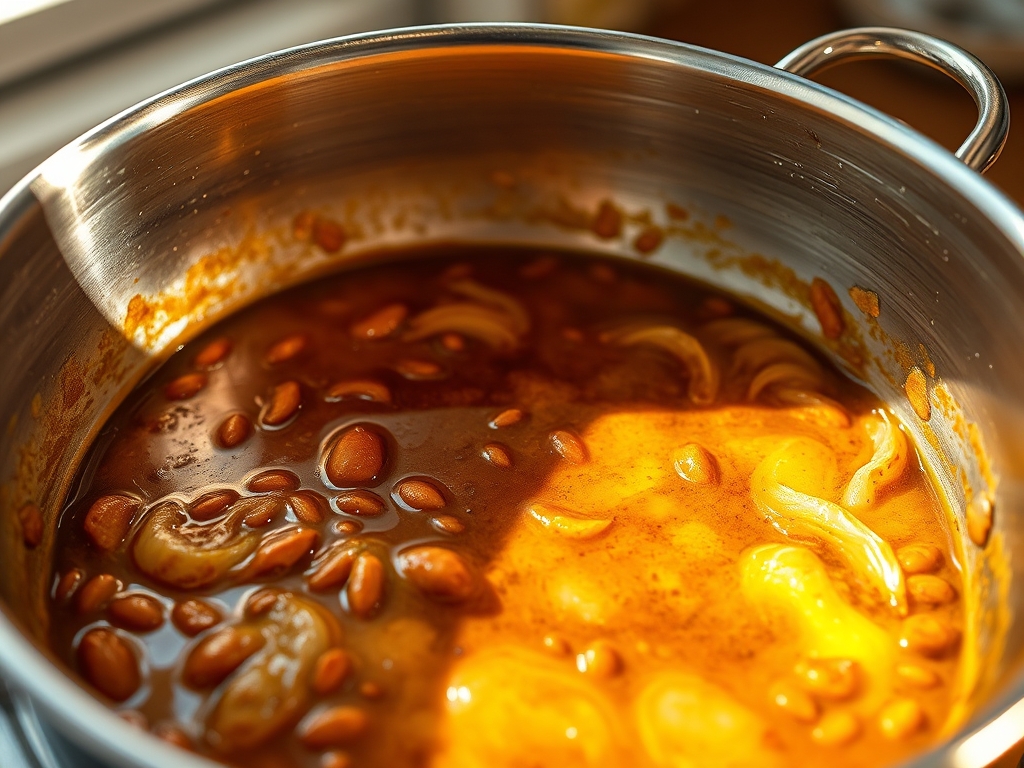
Start by placing your heavy-bottomed saucier or Dutch oven over medium heat. Add your ghee or oil and wait for the shimmering phase. Introduce your diced onions. Use a bench scraper to transfer them cleanly from your cutting board. Sauté until the onions are translucent and the edges begin to undergo the Maillard reaction, turning a deep golden brown.
Pro Tip: This stage is about moisture removal. By slowly rendering the water out of the onions, you concentrate the sugars, providing a savory backbone that prevents the dahl from tasting "flat" or one-dimensional.
2. The Tadka Infusion
Add your garlic, ginger, and dry spices to the fat. Stir constantly for 60 to 90 seconds. You are looking for the spices to become fragrant and the oil to take on a deep, sunset-orange hue from the turmeric and chili powder.
Pro Tip: This is a dry-heat infusion. Many flavor compounds in spices are fat-soluble, not water-soluble. If you add spices after the liquid, you lose 50% of the flavor potential. Professional chefs call this "blooming" the spices.
3. Hydration and Starch Activation
Incorporate your rinsed lentils into the pot and stir to coat them in the spiced oil. Use your digital scale to measure out your 1L of liquid precisely. Pour the liquid over the lentils and bring the mixture to a vigorous boil. Once boiling, reduce to a low simmer and cover partially.
Pro Tip: Rinsing the lentils removes excess surface starch that can cause the pot to boil over. However, the internal starch is what creates the viscous texture we desire. Maintain a gentle simmer to prevent the lentils from catching on the bottom of the pan.
4. The Lipid Emulsification
After 20 minutes, the lentils should be soft and beginning to lose their shape. Pour in the full-fat coconut milk. Use a whisk to vigorously stir the mixture, which will help break down the remaining lentil structures and incorporate the fats into the water-based broth.
Pro Tip: The addition of coconut milk at the end creates a stable emulsion. The fats provide a "mouthfeel" that coats the tongue, allowing the piquant spices to linger longer on the palate.
5. The Acidic Calibration
Once the dahl has reached your desired thickness, remove it from the heat. Stir in the sea salt and the fresh lemon juice. Taste and adjust. The acid should cut through the richness of the coconut milk without making the dish taste sour.
Pro Tip: Salt and acid are the "brightness" controls of your dish. If the dahl tastes heavy or "muddy," it almost always needs more lemon juice to lift the flavor profile and highlight the earthy notes of the cumin.
Section B: Prep & Timing Fault-Lines:
The most common human error is the "rushed boil." If you apply excessive heat to "speed up" the process, you will evaporate the liquid before the lentils have softened, resulting in a burnt bottom and raw centers. Use a heavy-bottomed pot to ensure even heat distribution. If you find the mixture thickening too quickly, deglaze the bottom of the pot with a splash of warm water and reduce your burner setting immediately.
THE VISUAL SPECTRUM
Section C: Thermal & Visual Troubleshooting:
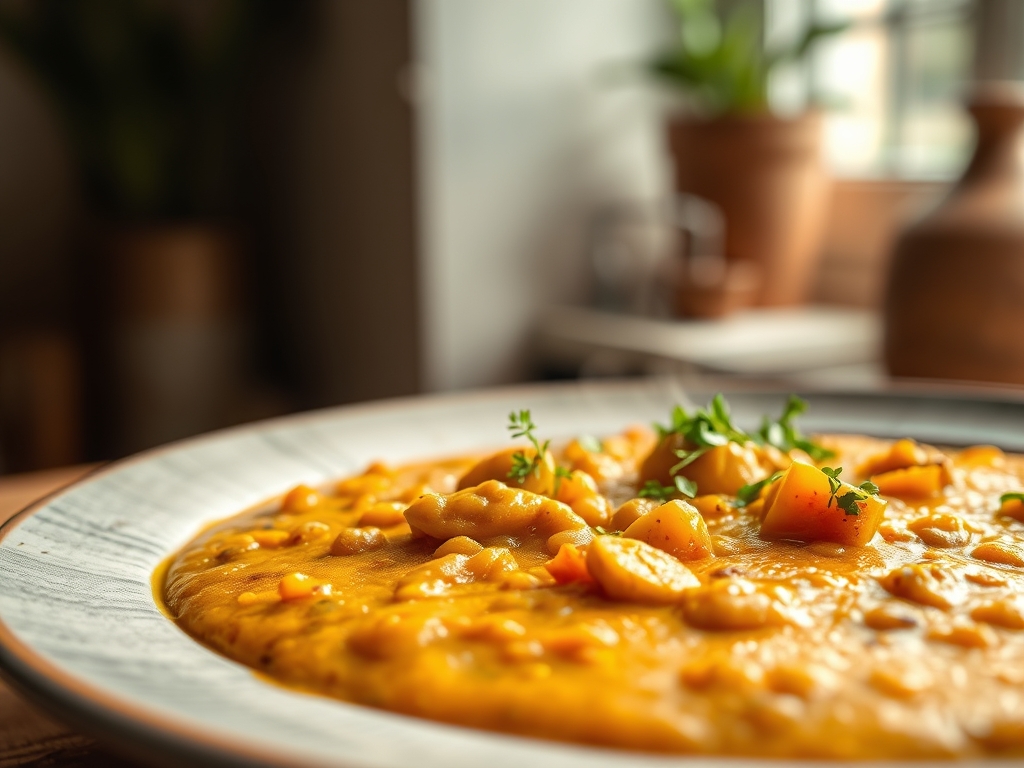
Referencing the Masterclass photo above, your dahl should exhibit a vibrant, sun-drenched yellow-orange hue. If your dahl looks brown or "muddy," you likely over-caramelized the onions or used too much coriander. If the texture looks "broken" (oil floating on top), your emulsion has failed. To fix this, use an immersion blender for exactly three seconds to release more starch and pull the fats back into the body of the curry. The final visual cue is the "slow flow" test; when you tilt the bowl, the dahl should move like molten lava, not like soup.
THE DEEP DIVE
Macro Nutrition Profile:
A single serving of this Curried Lentil Dahl is a powerhouse of plant-based protein (approx 18g) and dietary fiber (15g). It is low in saturated fat if using ghee sparingly and contains zero cholesterol. The lentils provide a slow-release carbohydrate source, making this an ideal "fuel" meal for sustained cognitive and physical performance.
Dietary Swaps:
- Vegan: Use neutral oil or coconut oil instead of ghee.
- Keto: This is difficult due to lentil starch; however, you can substitute 50% of the lentils with riced cauliflower to lower the net carb count.
- GF: Naturally gluten-free. Ensure your vegetable stock is certified.
Meal Prep & Reheating Science:
Lentils are hygroscopic; they will continue to absorb liquid as they sit in the refrigerator. When reheating, the molecular structure will have tightened. To restore the original viscous texture, add 30ml of water per serving and reheat slowly on the stovetop. Avoid the microwave if possible, as it can create "hot spots" that break the coconut milk emulsion.
THE KITCHEN TABLE
Why is my dahl watery?
You likely over-hydrated the lentils or didn't simmer long enough for the starch to release. Continue to simmer uncovered for 10 minutes, or blend a small portion of the dahl and stir it back in to increase thickness.
Can I use green lentils instead?
Green lentils hold their shape and have a peppery flavor. They will not create the creamy, porridge-like consistency of red lentils. If using green, increase the cook time by 15 minutes and expect a "chunky" result rather than a smooth one.
Is the coconut milk mandatory?
While not mandatory, it provides the essential lipid bridge for the spices. If you prefer to omit it, substitute with a splash of heavy cream or an extra cup of water and a tablespoon of butter for richness.
How do I make it spicier?
Increase the Kashmiri chili powder or add two slit green chilies during the "Tadka Infusion" stage. For a cleaner heat, add a pinch of cayenne pepper, but be careful not to mask the delicate aromatics of the ginger.