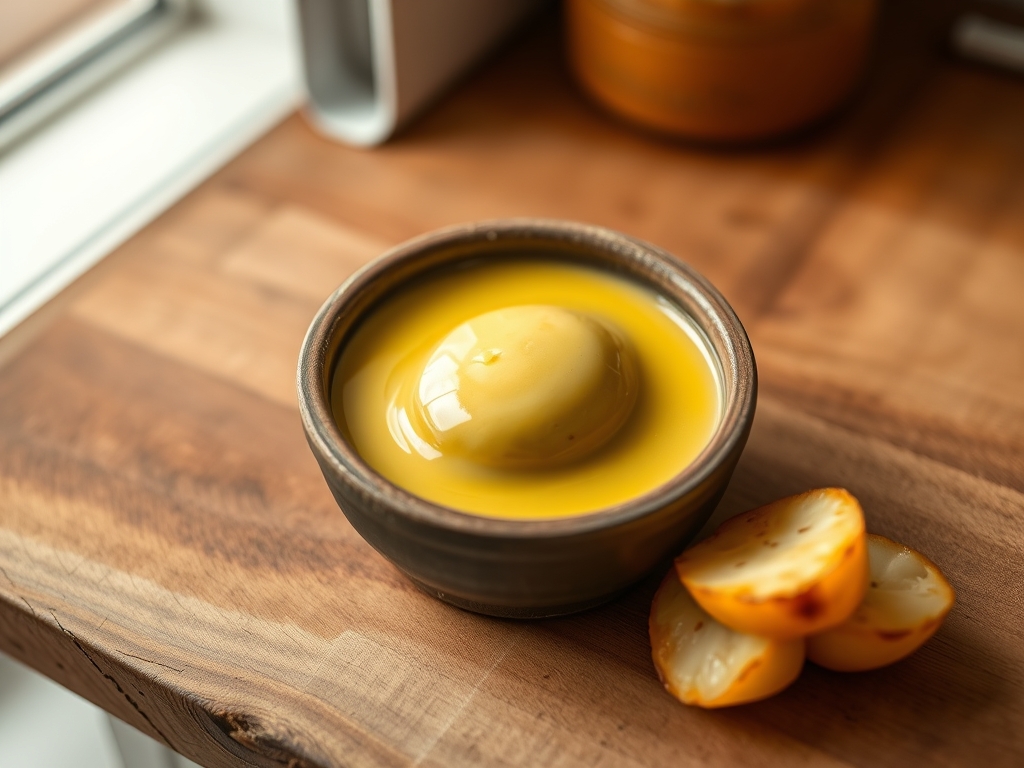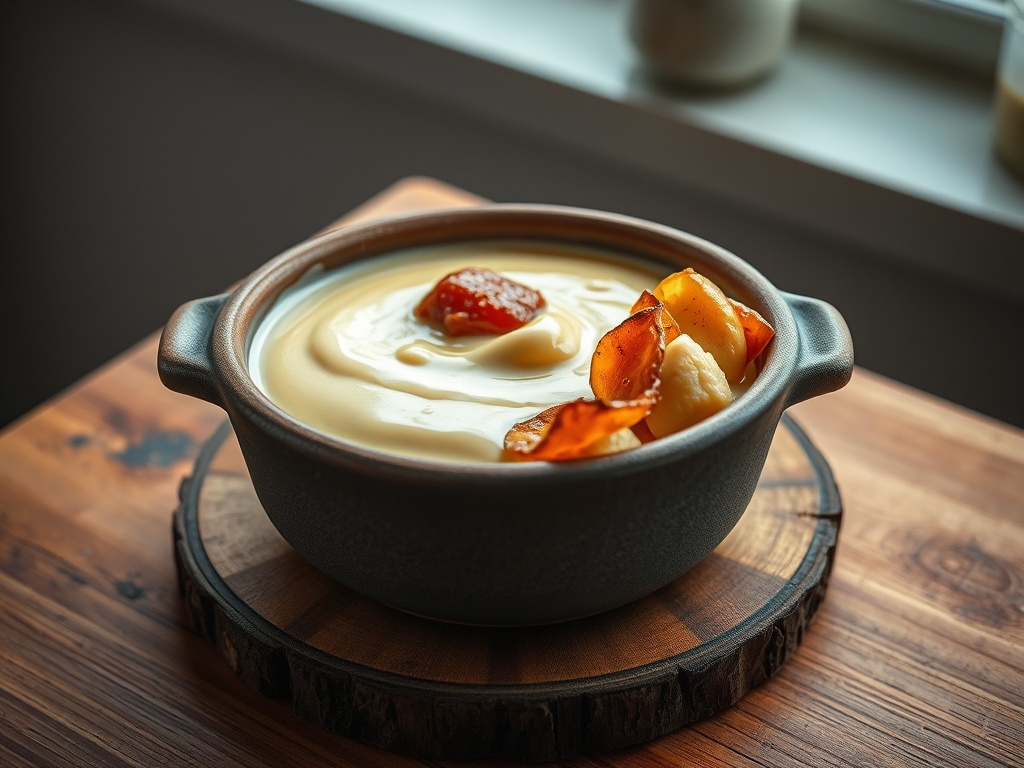
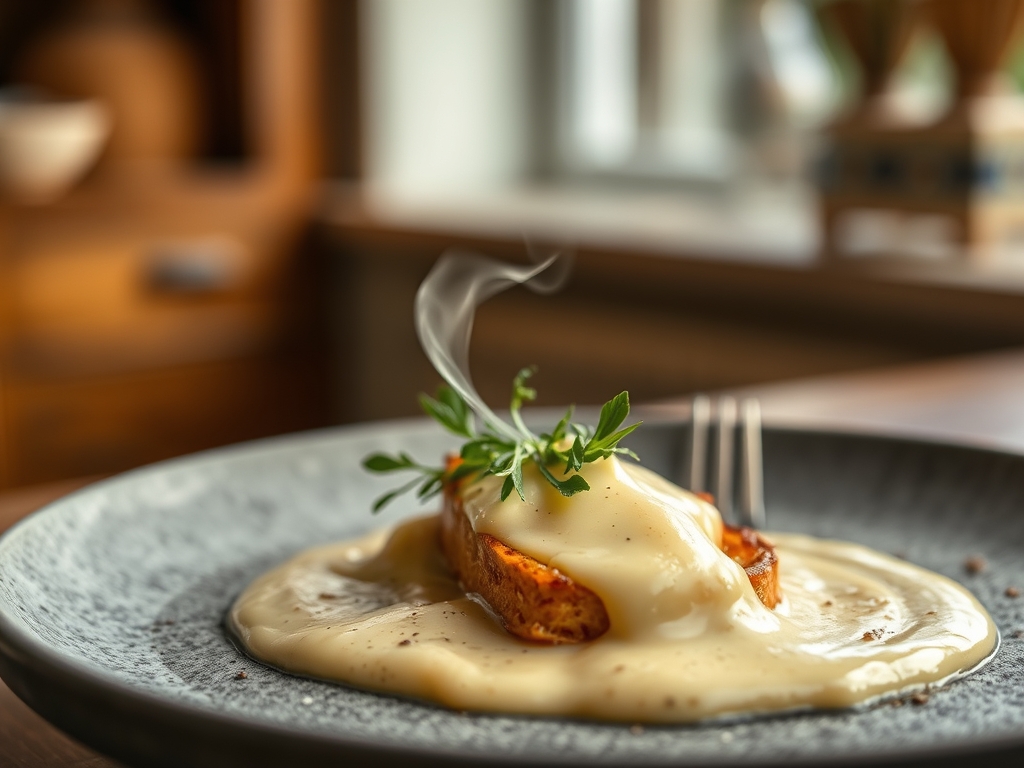
Listen closely because your lasagna is screaming for help and your croque monsieur is currently a structural liability. We are not just making white sauce; we are engineering a suspension of lipids within a gelatinized starch matrix. This is the foundational architecture of French cuisine. If your sauce is weeping water or clumping into a gritty paste, you have failed the most basic principle of Béchamel Flow Logic. This logic dictates that the viscosity of a mother sauce is a direct result of the thermal agitation of wheat proteins and the encapsulation of butterfat. We want a coating that clings to the back of a spoon with the confidence of a velvet curtain. It should be glossy, ivory, and possess a structural integrity that defies gravity without turning into a rubberized puck. We are looking for a liquid that moves like heavy silk; a substance that carries the piquant whisper of nutmeg while providing the rich, creamy mouthfeel that only a perfectly executed roux can deliver. Let us calibrate your kitchen for peak performance.
THE DATA MATRIX
| Metric | Specification |
|---|---|
| Prep Time | 5 Minutes |
| Execution Time | 15 Minutes |
| Yield | 500ml / 2 Cups |
| Complexity (1-10) | 4 |
| Estimated Cost per Serving | $0.45 |
THE GATHERS
Ingredient Protocol:
- 50g / 3.5 tbsp Unsalted High-Fat Butter
- 50g / 6 tbsp All-Purpose Flour (Sifted)
- 500ml / 2 cups Whole Milk (Room Temperature)
- 2g / 0.5 tsp Fine Sea Salt
- 0.5g / 0.25 tsp Freshly Grated Nutmeg
- 1g / 0.25 tsp White Pepper (Finely Ground)
Section A: Ingredient Quality Audit:
If your butter has a high water content (typical of budget supermarket brands), your roux will foam excessively and potentially break. The fix is to render the butter slowly until the bubbling stops before adding flour. If your flour is old, it may have absorbed ambient moisture, leading to "clumping syndrome." Always sift your flour to aerate the particles, ensuring a higher surface area for lipid coating. Using cold milk is the primary cause of thermal shock; this leads to "seizing" where the starch granules hydrate unevenly. Always bring your milk to room temperature or warm it slightly in a separate small saucepan to ensure a smooth transition into the roux.
THE MASTERCLASS
Step-by-Step Execution:
1. The Lipid Liquefaction
Place your heavy-bottomed saucier over medium-low heat. Add the butter and allow it to melt completely without browning. We are aiming for a "White Roux," not a nutty Meuniere. Use a digital scale to ensure your 1:1 ratio of fat to flour is exact.
Pro Tip: A saucier with rounded bottom edges is superior to a straight-sided saucepan because it prevents flour from "hiding" in the corners and burning.
2. The Starch Encapsulation
Whisk in the sifted flour all at once. Use a silicone-coated whisk to vigorously combine the two. Cook this paste for 2 to 3 minutes. You are looking for a "wet sand" texture that smells slightly like toasted bread but remains pale.
Pro Tip: This stage is vital to cook out the "raw" flour taste. The heat breaks down the starch molecules so they can later absorb the milk without tasting like paste.
3. The Incremental Hydration
Begin adding the milk one-quarter cup at a time. Whisk constantly. The mixture will initially seize into a thick dough; do not panic. This is the viscous transition. Continue adding milk slowly, whisking until each addition is fully incorporated before adding more.
Pro Tip: If you see lumps forming, use a bench scraper to push the paste against the sides of the pan to flatten them before adding more liquid.
4. The Molecular Expansion
Once all the milk is added, increase the heat to medium. Bring the sauce to a gentle simmer. You must reach the "bursting point" of the starch granules, which occurs around 175 degrees Fahrenheit. The sauce will suddenly thicken and become glossy.
Pro Tip: Constant agitation is required here. If you stop whisking, the starch will settle at the bottom and scorch, ruining the ivory color.
5. The Flavor Infusion
Reduce heat to low. Season with salt, white pepper, and freshly grated nutmeg. Continue to cook for another 5 minutes to ensure a silky finish. Taste and adjust.
Pro Tip: Use white pepper instead of black to maintain the pristine visual aesthetic of the mother sauce. Black specks are considered a technical flaw in a classic Béchamel.
Section B: Prep & Timing Fault-Lines:
The most common human error is impatience during the hydration phase. Adding milk too fast results in "swimming lumps" that are nearly impossible to whisk out. If this happens, your only salvage operation is a high-speed immersion blender. Another fault-line is temperature control; if the roux is too hot when the milk is added, the starch gelatinizes instantly on the outside of the flour clump, creating a waterproof seal around a dry center. Keep the heat moderate and the whisking rhythmic.
THE VISUAL SPECTRUM
Section C: Thermal & Visual Troubleshooting:
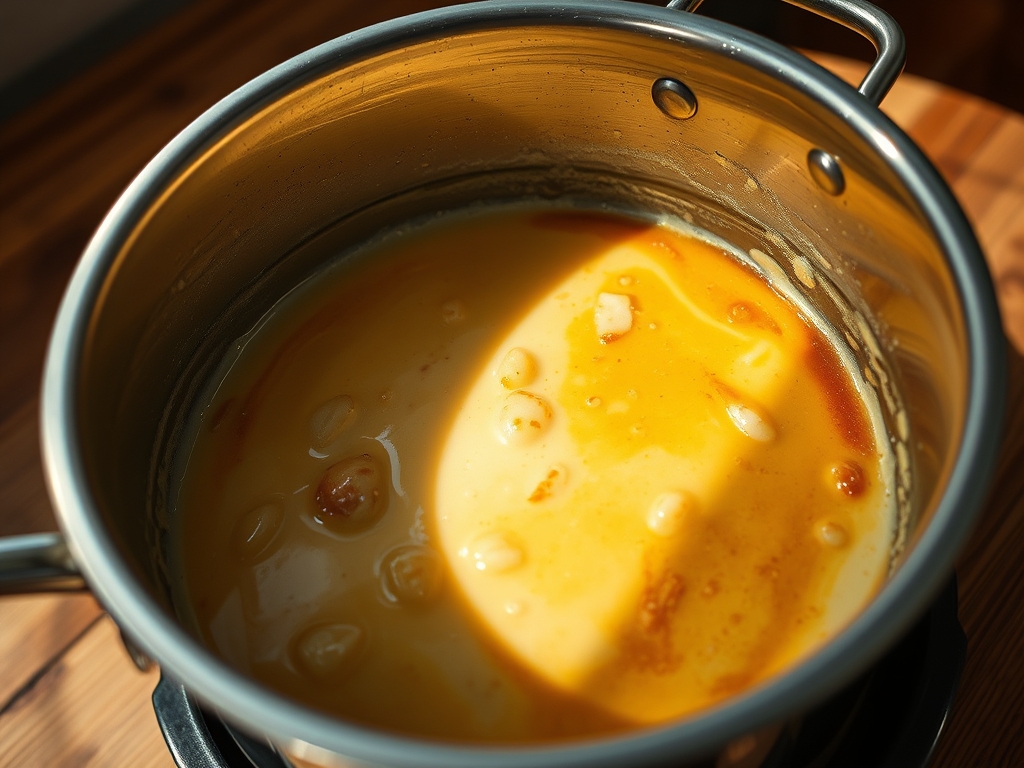
Referencing the Masterclass photo above, the sauce should exhibit a "nappe" consistency. This means it should coat a spoon and hold a clear line when you run your finger through it. If your sauce looks dull or matte, you have likely under-cooked the roux or used low-fat milk. A glossy finish indicates proper emulsification. If you see yellow oil droplets on the surface, your sauce has "broken." This happens when the heat is too high or the fat-to-flour ratio was skewed. To fix a broken sauce, whisk in a tablespoon of cold milk or a splash of heavy cream to re-emulsify the fats. If the color is tan rather than ivory, you over-cooked the roux; start over, as the flavor will be too toasted for a delicate Béchamel.
THE DEEP DIVE
Macro Nutrition Profile:
A standard 100ml serving contains approximately 150 calories, 10g of fat, 12g of carbohydrates, and 4g of protein. It is a high-density energy source designed for satiety.
Dietary Swaps:
- Vegan: Substitute butter with a high-quality vegan butter stick (oil-based) and use unsweetened soy or oat milk. Avoid almond milk as it lacks the necessary protein to stabilize the suspension.
- Keto: Replace flour with 1/4 teaspoon of Xanthan gum and use heavy cream instead of milk. Be cautious; Xanthan gum hydrates differently and can become "slimy" if overused.
- Gluten-Free: Use a 1:1 gluten-free flour blend. These often contain rice flour and potato starch which mimic the thickening power of wheat effectively.
Meal Prep & Reheating Science:
Béchamel forms a skin as it cools due to evaporation. To prevent this, press plastic wrap directly onto the surface of the sauce. When reheating, the molecular structure will have tightened. Add a splash of milk and whisk over low heat to "unlock" the starch bonds and restore the original Béchamel Flow Logic.
THE KITCHEN TABLE
Why is my sauce gritty?
Grittiness usually results from undissolved salt or using cold, un-sifted flour. It can also occur if the milk was added so fast that the flour never properly hydrated. A quick pass through a fine-mesh sieve can often save the texture.
Can I use margarine instead of butter?
Technically yes, but margarine has a higher water content and lower melting point. This makes the roux unstable. The flavor profile will also lack the essential "dairy" backbone required for a true mother sauce. Stick to high-butterfat options.
How do I make it a Mornay sauce?
Simply whisk in 50g of grated Gruyere or Parmesan cheese once the Béchamel is finished and removed from the heat. The residual heat will melt the cheese without breaking the emulsion, maintaining your hard-earned viscosity.
My sauce is too thick to pour!
This is a "Starch Overload." You likely measured your flour by volume rather than weight. Whisk in warm milk, one tablespoon at a time, until the Béchamel Flow Logic is restored to a pourable, silken state.