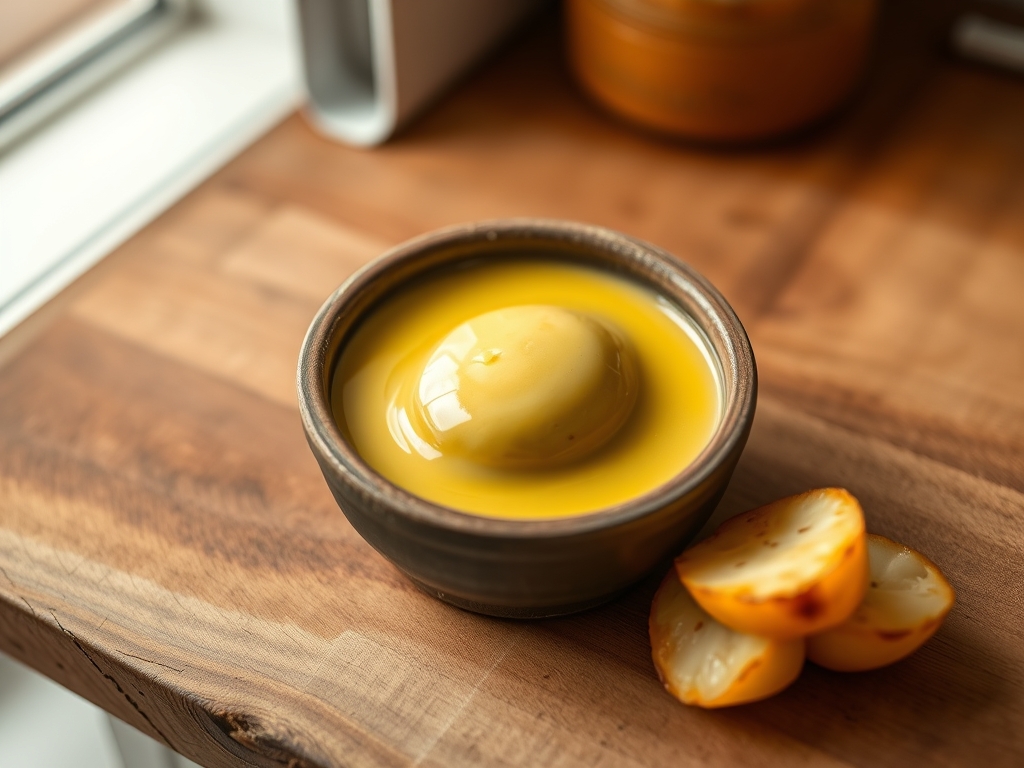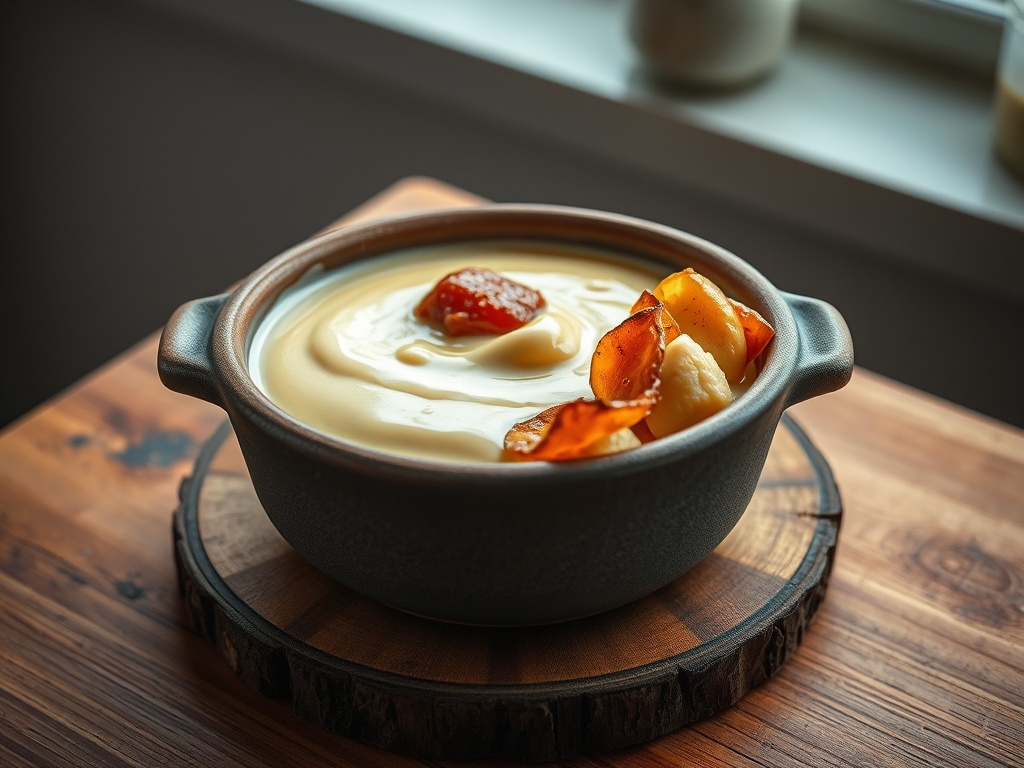

Imagine the architectural shift of a liquid becoming a monolith. You start with a gallon of milk, a fluid ecosystem of proteins and sugars, and through the sheer force of bacterial fermentation and gravity, you engineer a substance so structurally sound it can hold the weight of a silver spoon upright. This is the pursuit of the ultimate Greek Yogurt Density. We are not merely making a snack; we are performing a structural audit on dairy. The goal is to strip away the excess whey, leaving behind a concentrated matrix of casein micelles that feels like velvet on the tongue and marble on the plate. It is a high-stakes game of moisture management. If you fail, you are left with a thin, weeping slurry that lacks the gravitas of a professional ferment. If you succeed, you produce a substance so viscous and piquant that it rivals the finest imported labneh. We are looking for a total evacuation of the greenish, translucent liquid known as acid whey to achieve a density that defies the standard laws of supermarket dairy.
THE DATA MATRIX
| Metric | Specification |
|---|---|
| Prep Time | 20 Minutes |
| Execution Time | 12 to 18 Hours (Incubation + Straining) |
| Yield | 1.2 Liters / 5 Cups |
| Complexity (1-10) | 4 |
| Estimated Cost per Serving | $0.65 USD |
THE GATHERS
Ingredient Protocol:
- 3.8 Liters / 1 Gallon Whole Milk (preferably non-ultrapasteurized)
- 120ml / 0.5 Cup Active Greek Yogurt (must contain S. Thermophilus and L. Bulgaricus)
- 5ml / 1 Teaspoon Vanilla Bean Paste (optional for aromatic infusion)
- 2g / 0.25 Teaspoon Sea Salt (to sharpen the lactic profile)
Section A: Ingredient Quality Audit:
The primary failure point in achieving peak Greek Yogurt Density is the use of Ultra-High Temperature (UHT) milk. UHT processing denatures proteins so aggressively that they cannot form a stable curd. If your milk refuses to set, check the carton; you need standard pasteurization to maintain the structural integrity of the casein. Furthermore, if your starter culture is dormant or expired, the fermentation will stall. Always "bloom" your starter by whisking it with a small amount of warm milk before introducing it to the main vessel. If the final product tastes metallic, audit your cookware. Reactive metals like aluminum will clash with the increasing acidity; always use stainless steel or glass.
THE MASTERCLASS
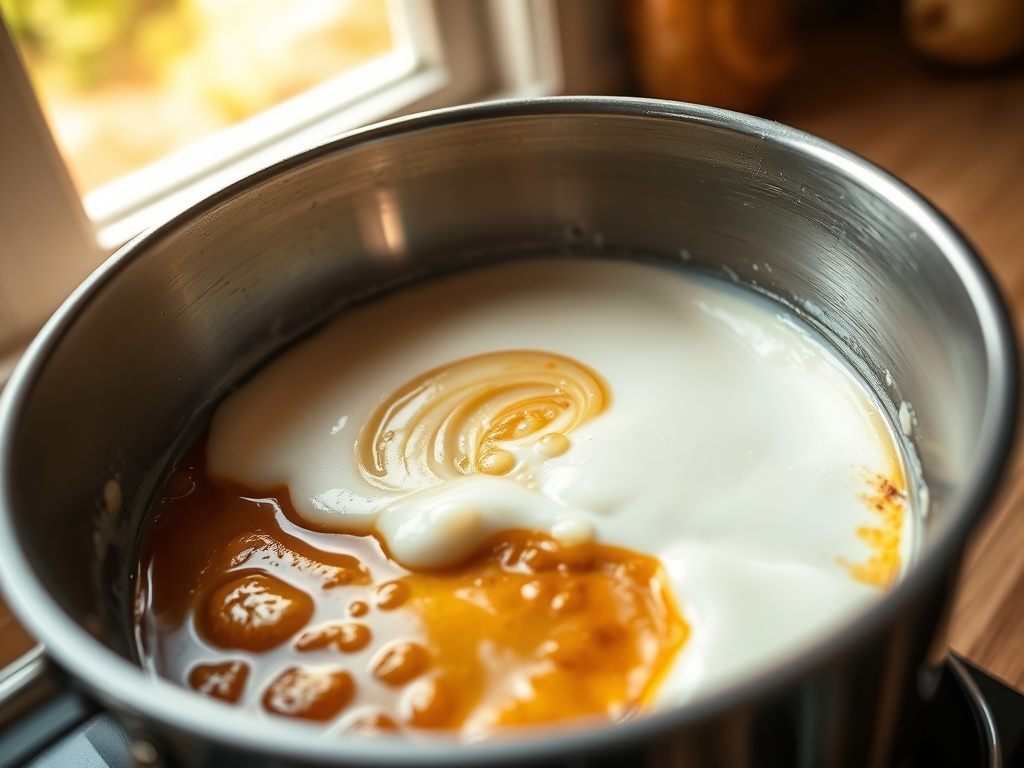
1. Thermal Denaturation
Pour your milk into a heavy-bottomed saucier or Dutch oven. Heat the liquid slowly to 82 degrees Celsius (180 degrees Fahrenheit). You are not just warming it; you are unfolding the whey proteins so they can later bond with the casein.
Pro Tip: Use a digital thermometer to track the temperature precisely. If you exceed 90 degrees Celsius, you risk scorching the sugars, which creates a "cooked" flavor profile that ruins the clean, piquant finish.
2. The Rapid Cool-Down
Once the milk reaches the target temperature, remove it from the heat. You must cool it to 43 degrees Celsius (110 degrees Fahrenheit) before inoculation. A cold-water bath in the sink can accelerate this process significantly.
Pro Tip: A bench scraper can be used to gently agitate the surface of the water bath to increase thermal transfer, ensuring the milk cools evenly without forming a thick "skin" on top.
3. Precision Inoculation
Whisk your starter culture into a small bowl with a cup of the warm milk to aerate and liquefy it. Gently fold this slurry back into the main pot. Do not whisk aggressively; you want to distribute the bacteria without breaking the emerging molecular bonds.
Pro Tip: Use a silicone spatula to ensure no starter is left clinging to the sides of the bowl. Even distribution is the secret to a uniform Greek Yogurt Density.
4. Controlled Incubation
Place the vessel in a warm, draft-free environment (like an oven with the light on) for 8 to 12 hours. The bacteria will consume the lactose and convert it into lactic acid, which thickens the mixture into a fragile gel.
Pro Tip: Stability is key. If the temperature fluctuates more than five degrees, the bacteria may produce a stringy texture rather than a clean, firm break.
5. The Whey Extraction Phase
Line a fine-mesh strainer with triple-layered cheesecloth or a dedicated nut milk bag. Pour the set yogurt in and allow it to drain in the refrigerator for at least 4 hours. For maximum Greek Yogurt Density, let it strain for 8 hours until it reaches the consistency of soft cream cheese.
Pro Tip: Place a heavy plate on top of the yogurt while it strains. This mechanical pressure acts as a force multiplier, speeding up the render of the whey from the solids.
Section B: Prep & Timing Fault-Lines:
Timing is the silent killer of texture. If you strain the yogurt while it is still warm, you will lose too many solids along with the whey, resulting in a low yield. Always chill the yogurt for at least two hours before beginning the extraction. If your incubation goes too long (over 18 hours), the acidity will spike, causing the proteins to tighten too much and expel liquid unevenly, leading to a grainy mouthfeel.
THE VISUAL SPECTRUM
Section C: Thermal & Visual Troubleshooting:
Referencing the Masterclass photo, your final product should exhibit a matte, opaque surface with zero visible bubbling. If you see small holes on the surface, your incubation temperature was too high, causing gas production. If the yogurt looks "shaggy" or separated, you likely moved the vessel during the set; the gel is delicate and requires absolute stillness. The color should be a stark, brilliant white. If it appears yellowish, you have either over-concentrated the fats or used milk with a high beta-carotene content, which is common in grass-fed varieties but may affect the perceived "cleanliness" of the visual profile.
THE DEEP DIVE
Macro Nutrition Profile:
A 200g serving of high-density Greek yogurt typically contains 20g of protein, 8g of carbohydrates, and 0 to 10g of fat depending on the milk used. Because we have extracted the whey, the sugar (lactose) content is significantly lower than standard yogurt, making it a powerhouse for muscle synthesis and satiety.
Dietary Swaps:
- Vegan: Use full-fat coconut milk and a vegan-specific probiotic starter. Note that the density will rely on saturated fats rather than protein bonds.
- Keto: Use a mix of heavy cream and whole milk (75/25 ratio) to increase the lipid count while maintaining a low glycemic index.
- GF: Naturally gluten-free, but ensure your vanilla paste does not use grain-based alcohol as a carrier.
Meal Prep & Reheating Science:
Greek yogurt is a living structure. Never boil it; high heat will cause the proteins to clump and the water to separate. If using in a hot sauce, temper the yogurt by adding small amounts of the hot liquid to the yogurt first to equalize the temperature. For storage, keep it in an airtight glass container; it will remain structurally sound for up to 10 days.
THE KITCHEN TABLE
Why is my yogurt runny after straining?
You likely used UHT milk or your starter was weak. Without a strong protein bond, the water remains trapped. Ensure you heat the milk to exactly 82C to properly denature the proteins for a better set.
Can I use the leftover whey?
Absolutely. It is rich in protein and minerals. Use it to infuse flavor into bread doughs or as a liquid base for smoothies. It adds a piquant tang to fermented vegetables and helps render grains more digestible.
How do I get that commercial smoothness?
After straining, whisk the yogurt vigorously for 60 seconds. This breaks down any small protein clumps and incorporates a small amount of air to aerate the mixture, resulting in a glossy, professional-grade finish.
What is the best way to sweeten it?
Fold in sweeteners at the very end. Adding honey or sugar before the fermentation can interfere with the bacteria. For the best texture, use a liquid sweetener to maintain that signature viscous mouthfeel without adding grit.