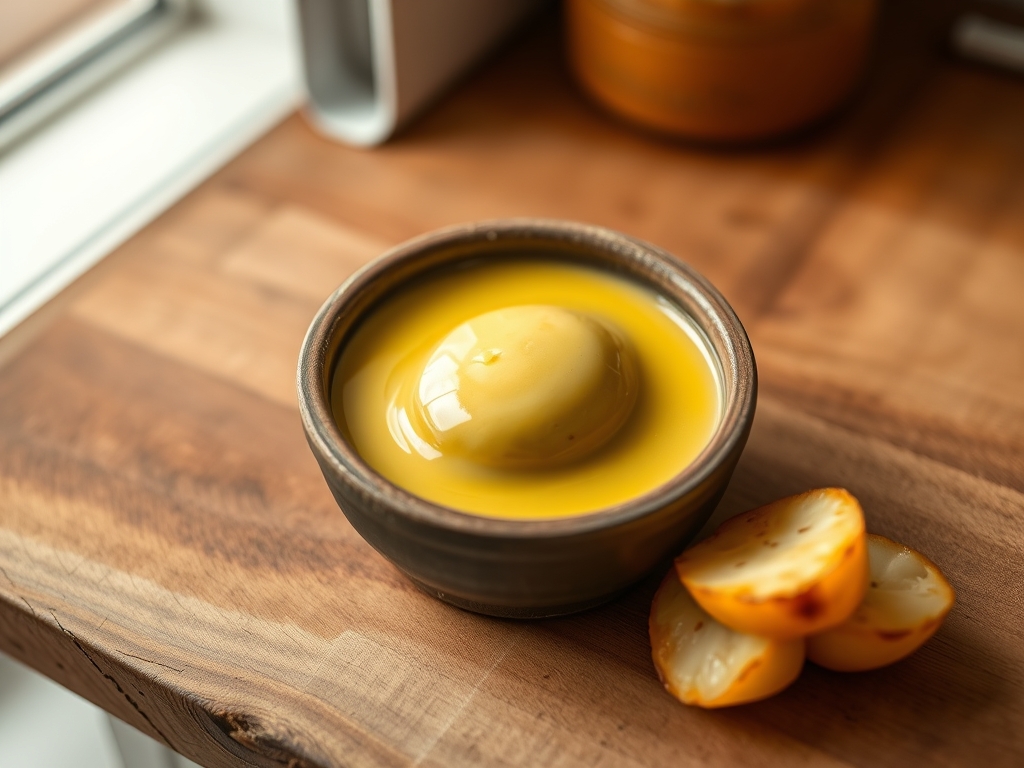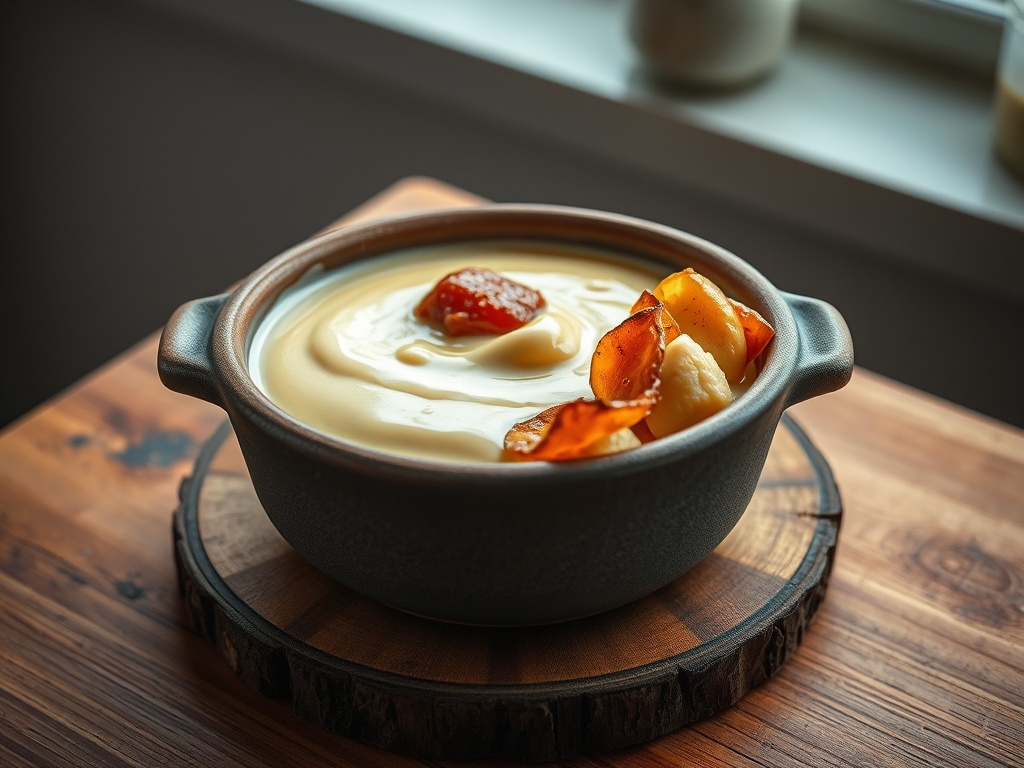
Listen to that sound. It is the rhythmic, rhythmic snap of protein bonds under tension; the sound of a culinary masterpiece refusing to let go. We are not just talking about cheese here. We are discussing the structural integrity of the Mozzarella Stretch. This is the ultimate benchmark of a high performance kitchen. When you pull a slice of pizza or a stuffed arancini, you are witnessing a feat of molecular engineering. The casein proteins have been meticulously uncoiled and realigned into a fibrous lattice that can span feet without breaking. If your cheese snaps like a brittle twig or dissolves into a puddle of grease, your kitchen infrastructure has failed. A perfect Mozzarella Stretch requires the precise calibration of heat, moisture, and pH levels. It is the difference between a piquant, chewy delight and a soggy, lackluster disappointment. Today, we audit the process. We are going to deconstruct the thermal dynamics and the enzymatic reactions that turn a simple curd into a gravity defying ribbon of gold. Gear up; we are going to make science taste incredible.
THE DATA MATRIX
| Metric | Specification |
|---|---|
| Prep Time | 20 Minutes |
| Execution Time | 15 Minutes |
| Yield | 4 Servings |
| Complexity (1-10) | 6 |
| Estimated Cost per Serving | $3.50 |
THE GATHERS
Ingredient Protocol:
- 450g / 1 lb High Moisture Fresh Mozzarella (In Water)
- 250ml / 1 cup Whole Milk (For the bath)
- 50g / 4 tbsp Unsalted Grass Fed Butter
- 5g / 1 tsp Fine Sea Salt
- 2g / 0.5 tsp Citric Acid (To adjust pH elasticity)
- 100g / 0.75 cup Panko Breadcrumbs (For the structural shell)
- 2 Large Eggs (For the protein wash)
Section A: Ingredient Quality Audit:
If your cheese is weeping excess water before you even start, you are dealing with a "low solids" crisis. This usually happens with cheap, mass produced brands that use excessive fillers. To fix this, wrap the cheese in cheesecloth and apply a five pound weight for thirty minutes to render out the surplus moisture. If your cheese feels "rubbery" and refuses to melt, the pH is likely too high. A tiny dusting of citric acid can help lower the pH to the 5.2 range, which is the sweet spot for a legendary Mozzarella Stretch. Do not settle for pre shredded bags. The anti caking agents like potato starch or cellulose will sabotage your protein matrix, creating a gritty texture that lacks the viscous flow we require.
THE MASTERCLASS
1. Thermal Tempering
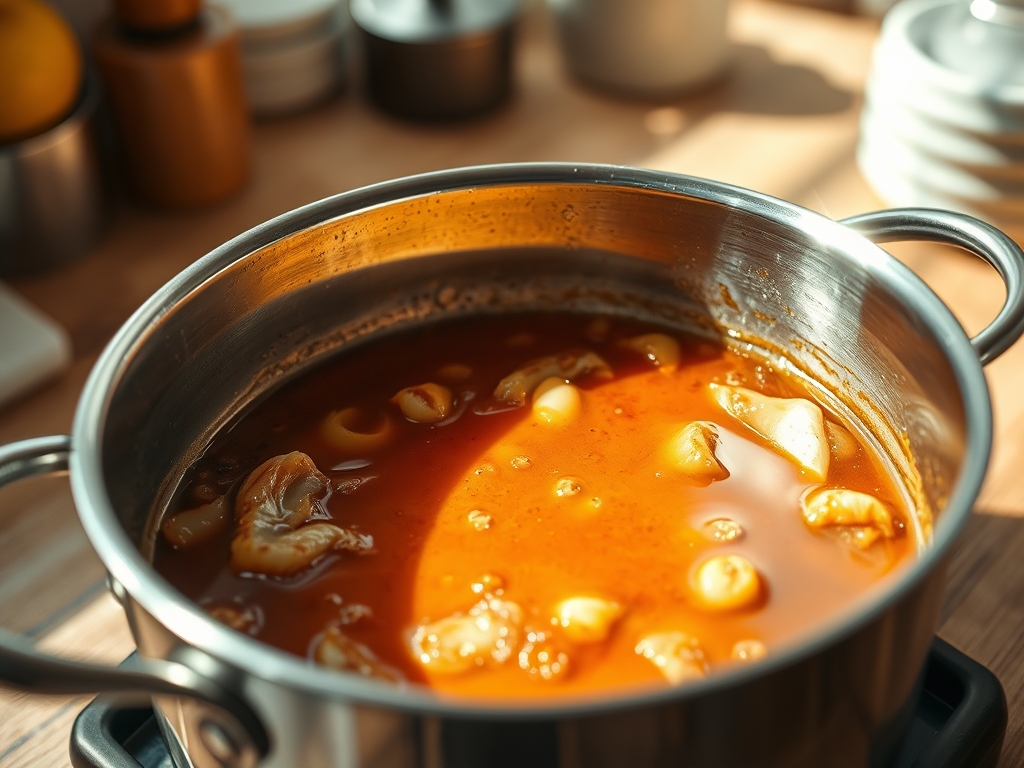
Remove your mozzarella from the refrigerator and let it sit at room temperature for at least twenty minutes. Use your digital scale to ensure uniform portions. If the cheese is too cold when it hits the heat, the outer layer will overcook and "oil off" before the core can reach its elastic state.
Pro Tip: This prevents "thermal shock" where the proteins seize up. By bringing the core temperature up slowly, you ensure the casein chains remain flexible and ready to infuse with the surrounding fats.
2. The Acidified Milk Bath
Whisk your citric acid into the milk using a small saucier. Submerge your mozzarella slices for five minutes. This is not just for flavor; it is a chemical intervention. The mild acidity begins to relax the calcium phosphate bridges that hold the protein bundles together.
Pro Tip: Professional cheesemakers call this "pre acidification." It ensures that when the heat is applied, the cheese stretches rather than simply melting into a puddle.
3. Precision Coating
Dredge your tempered cheese in the egg wash and then the panko. Use a bench scraper to keep your workspace clean and to ensure the breading is pressed firmly into the cheese. A double coat is mandatory here to create a pressurized environment.
Pro Tip: The breading acts as a thermal insulator and a structural vessel. It allows the internal temperature to rise high enough for the Mozzarella Stretch to activate without the cheese escaping into the pan.
4. Flash Searing
Heat your butter in a heavy bottomed pan until it begins to foam. Carefully place the cheese in the pan. Watch for the edges to turn a deep golden brown. This is the Maillard reaction in full effect, providing a nutty contrast to the piquant cheese.
Pro Tip: Use an infrared thermometer to ensure your pan is at exactly 350 degrees Fahrenheit. If it is too low, the cheese will leak; if it is too high, the crust will burn before the interior is viscous.
Section B: Prep & Timing Fault-Lines:
Timing is the most common point of failure. If you wait too long to serve, the protein lattice will begin to "re glassify," turning back into a solid, chewy mass. This happens as the temperature drops below 130 degrees Fahrenheit. To prevent this, preheat your serving plates. If your breading is falling off, you likely skipped the "dry" phase of the dredge. Ensure the cheese is patted dry with a lint free towel before the first dip in the egg wash.
THE VISUAL SPECTRUM
Section C: Thermal & Visual Troubleshooting:
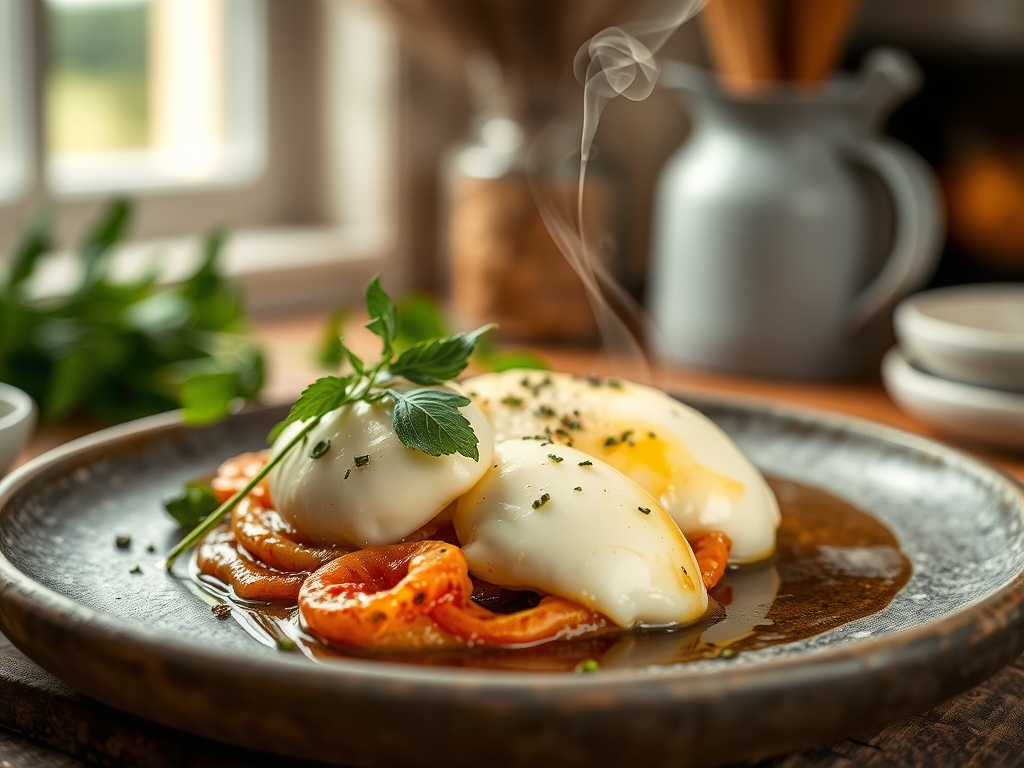
Look at the Masterclass photo above. Notice the "sheen" on the cheese; that is a sign of perfect emulsification. If your cheese looks dull or matte, it has lost too much moisture. If you see yellow oil pooling around the base, the heat was too high, causing the fat to separate from the protein. The ideal visual cue is a "translucent ribbon" effect when the cheese is pulled. If the stretch is opaque and snaps quickly, the pH was too high. If the color is uneven, your pan was not leveled, causing the butter to pool on one side and leave the other side "naked" to the dry heat.
THE DEEP DIVE
Macro Nutrition Profile:
A standard serving provides approximately 280 calories, 18g of protein, 20g of fat, and 12g of carbohydrates. The high protein content is what provides the structural "pull," while the fats provide the mouthfeel and flavor carrier.
Dietary Swaps:
- Vegan: Use a cashew based mozzarella with added tapioca starch. The starch is essential to mimic the viscous stretch of casein.
- Keto: Replace panko with crushed pork rinds or almond flour to maintain the crunch without the glycemic load.
- GF: Use gluten free breadcrumbs or a cornmeal crust for a similar structural integrity.
Meal Prep & Reheating Science:
To maintain the molecular structure when reheating, avoid the microwave. The erratic agitation of water molecules will shatter the protein bonds. Instead, use an air fryer or oven at 325 degrees Fahrenheit. This allows the heat to penetrate the core slowly, re activating the Mozzarella Stretch without causing the fat to render out and leave the cheese "rubbery."
THE KITCHEN TABLE
Why does my cheese break instead of stretching?
The pH level is likely too high or the cheese is too cold. Ensure you use the citric acid bath and allow the cheese to reach room temperature before cooking to keep those protein chains flexible.
Can I use low fat mozzarella for this?
Negative. Fat acts as a lubricant between the protein strands. Without enough fat, the strands will friction lock against each other, resulting in a tough, dry texture rather than a smooth, silky stretch.
Does the type of salt matter?
Yes. Use fine sea salt to ensure it dissolves completely. Large grains can create "stress points" in the protein lattice, leading to premature breaking during the stretch.
How do I get that perfect golden color?
The secret is the butter. The milk solids in the butter undergo the Maillard reaction, which provides that rich brown hue and a complex, toasted flavor profile that oil simply cannot match.