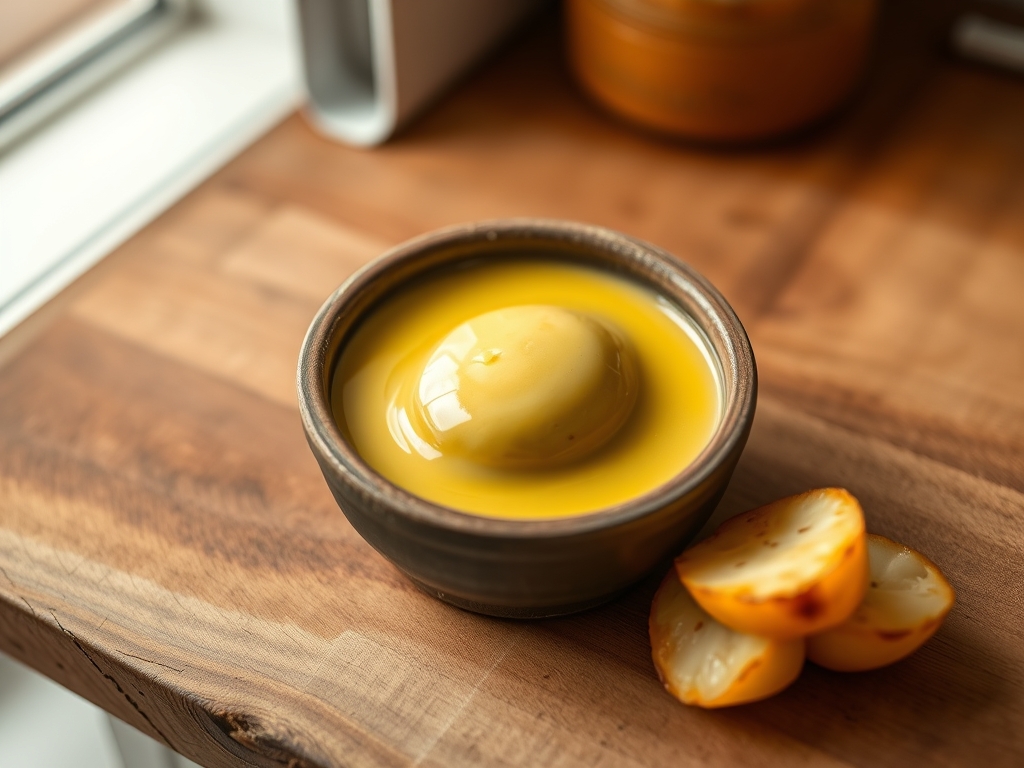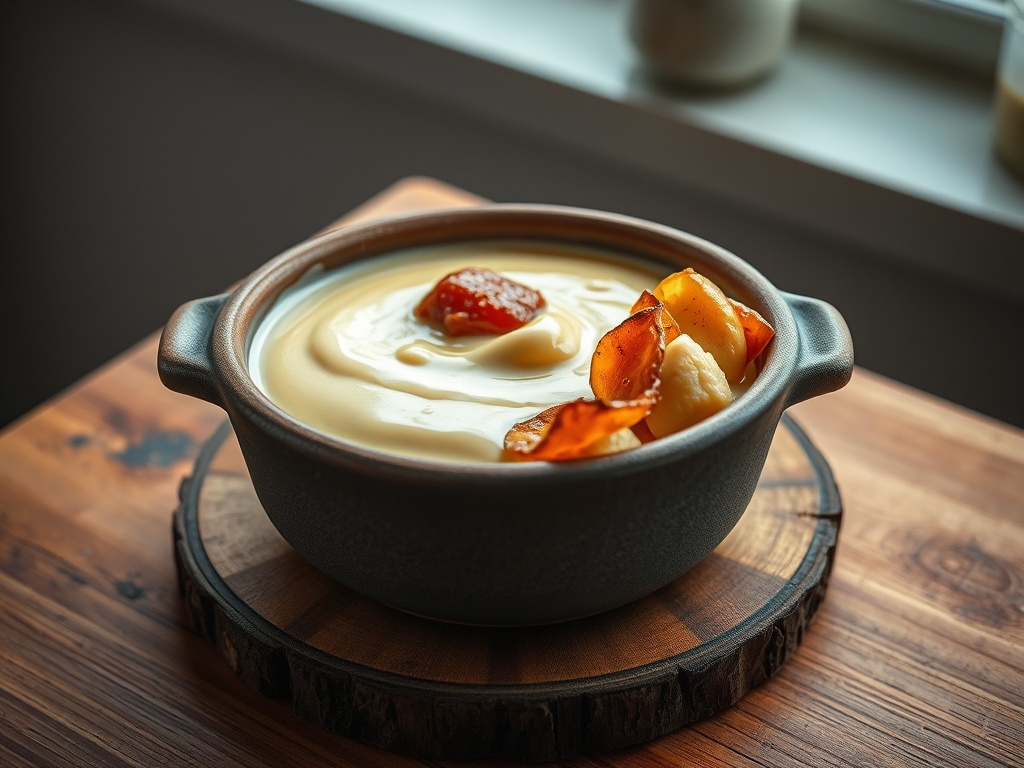
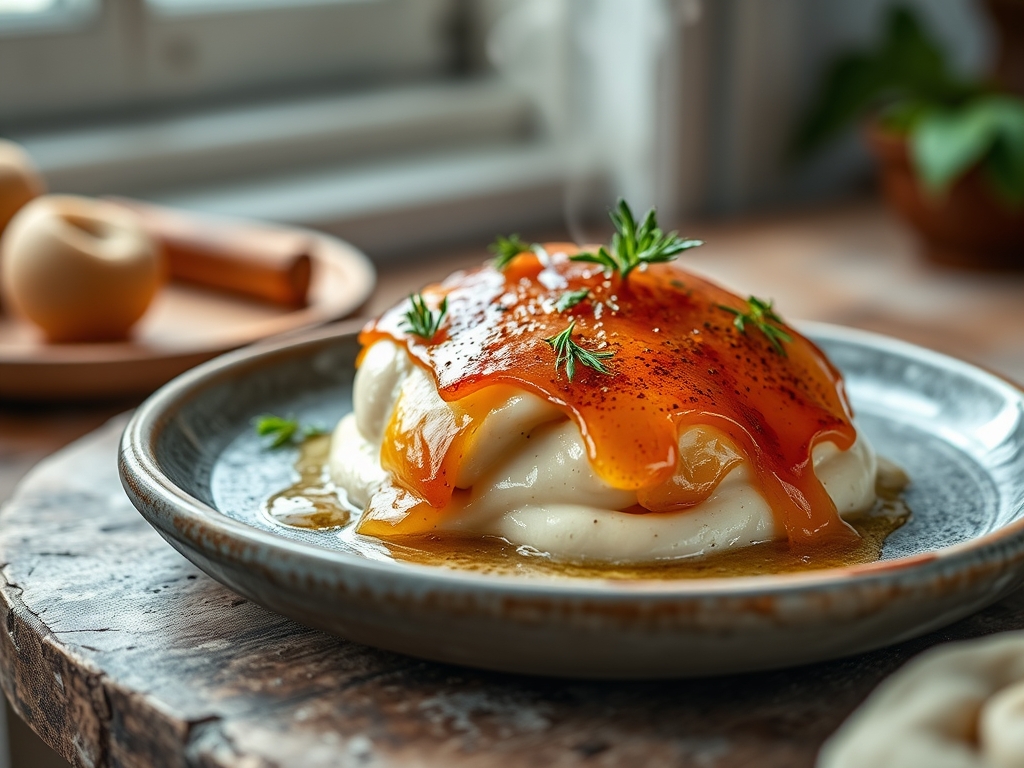
Forget everything you think you know about pudding. We are not playing with starch thickened slurries or child friendly gelatin jigglers. We are entering the realm of Bavarian Cream Logic; a sophisticated structural dance where bovine proteins, lipid spheres, and triple helix collagen fibers collide to create a masterpiece of aerated dairy engineering. Imagine a texture that is simultaneously firm enough to hold a sharp edge and delicate enough to dissolve into a cloud of vanilla scented vapor the moment it hits your tongue. This is not just a dessert; it is a high performance suspension system. To achieve this, you must master the delicate transition from a hot, viscous custard to a cold, stabilized foam. If your temperature control is off by even five degrees, the infrastructure collapses. The result is either a rubbery puck of over-set protein or a weeping, liquid mess. We are here to audit your technique and ensure your culinary infrastructure is earthquake proof. Prepare to render fat and sugar into a structural marvel that defies the laws of simple fluid dynamics.
THE DATA MATRIX
| Metric | Specification |
|---|---|
| Prep Time | 25 Minutes |
| Execution Time | 4 Hours (Includes Setting) |
| Yield | 6 Servings |
| Complexity (1-10) | 7 |
| Estimated Cost per Serving | $1.45 |
THE GATHERS
Ingredient Protocol:
- 500ml / 2 cups Heavy Cream (minimum 36% milkfat)
- 250ml / 1 cup Whole Milk
- 100g / 0.5 cup Granulated Sugar
- 4 Large Egg Yolks (approx. 72g)
- 10g / 4 sheets Silver Grade Leaf Gelatin (or 1.5 packets powdered)
- 15ml / 1 tbsp Pure Vanilla Paste
- 2g / 0.25 tsp Fine Sea Salt
Section A: Ingredient Quality Audit:
The primary failure point in Bavarian Cream Logic is the quality of your emulsifiers and stabilizers. If your heavy cream has been ultra pasteurized at extreme temperatures, the protein structures are often too damaged to hold a stable foam; seek out vat pasteurized cream for maximum volume. If using powdered gelatin, ensure it is bloomed in exactly five times its weight in cold water to prevent dry granules from creating "fish eyes" in your finished product. For egg yolks, size matters. Use a digital scale to ensure you have exactly 72 grams of yolk; under-measuring leads to a weak custard base that cannot support the weight of the whipped cream. If your vanilla smells like alcohol rather than earth, your flavor profile will be hollow. Use a high quality paste to ensure the seeds provide the necessary visual "freckling" that signals premium quality.
THE MASTERCLASS
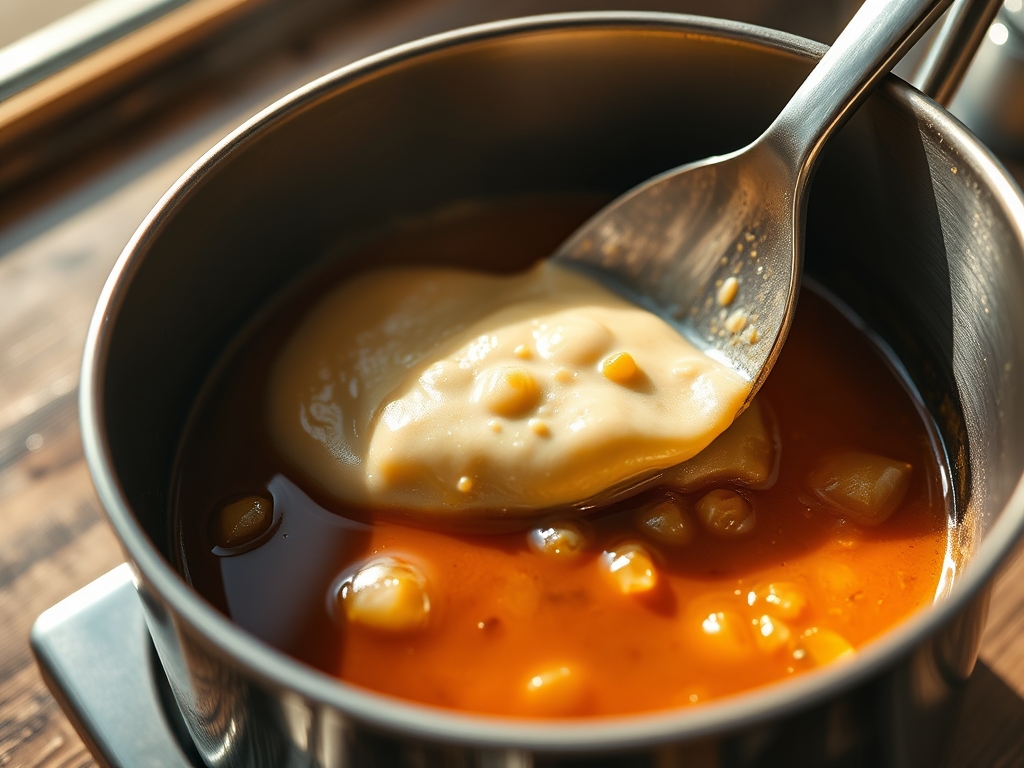
1. The Hydration Phase
Submerge your gelatin in ice cold water. If using sheets, ensure they do not overlap; if using powder, sprinkle it evenly over the liquid surface. Let this sit for ten minutes until the collagen is fully hydrated and pliable.
Pro Tip: This is the foundation of your structural integrity. If the water is too warm, the gelatin begins to dissolve prematurely, ruining the bloom strength. Use a digital scale to measure your water precisely.
2. The Custard Foundation (Crème Anglaise)
In a heavy bottomed saucier, whisk egg yolks and sugar until they reach the "ribbon stage." Gradually infuse the hot milk into the yolk mixture, then cook over medium low heat, stirring constantly with a heat resistant spatula until the mixture coats the back of a spoon (82 degrees Celsius).
Pro Tip: Never let the custard boil. If you exceed 85 degrees Celsius, the egg proteins will coagulate and "scramble," destroying the smooth mouthfeel. Use an instant read thermometer to monitor the thermal climb.
3. The Gelatin Integration
Remove the custard from the heat and whisk in the bloomed gelatin until completely melted. Strain the mixture through a fine mesh sieve into a clean bowl to remove any potential protein clumps or undissolved gelatin.
Pro Tip: Straining is non negotiable for professional results. Use a bench scraper to help push the viscous liquid through the sieve to ensure every gram of stabilized base is captured.
4. The Thermal Descent
Place the custard bowl over an ice bath. Stir frequently as it cools. You are looking for the "point of setting," where the mixture begins to thicken and show tracks from the spatula but has not yet turned into a solid mass.
Pro Tip: This is the most critical stage of Bavarian Cream Logic. If you fold in the cream while the custard is too hot, the fat will melt; if it is too cold, the gelatin will create lumps.
5. The Aeration Protocol
In a separate chilled bowl, whip the heavy cream to soft peaks. Gently fold the whipped cream into the thickened custard in three stages. Use a wide folding motion to aerate the mixture without deflating the lipid bubbles.
Pro Tip: Use a large balloon whisk for the first third to loosen the base, then switch to a flexible spatula for the remaining two thirds to preserve the delicate foam structure.
Section B: Prep & Timing Fault-Lines:
Timing is the silent killer in aerated dairy gels. A common error is "over-chilling" the custard base before the cream is ready. If the custard sets too firmly in the ice bath, you must gently re-warm it over a bain-marie to loosen the structure, which risks thinning the final product. Conversely, whipping the cream to "stiff peaks" rather than "soft peaks" will result in a grainy, buttery texture once folded. Your goal is a seamless transition of densities. If your kitchen is over 25 degrees Celsius, chill your bowls and whisks in the freezer for ten minutes prior to the aeration phase to prevent the fat from softening.
THE VISUAL SPECTRUM
Section C: Thermal & Visual Troubleshooting:
Look closely at the Masterclass photo. Notice the sharp, clean edges where the cream meets the mold and the lack of weeping liquid at the base. If your cream appears "matte" or dull, you likely over-whipped the fat, causing the emulsion to break. A glossy, satin sheen indicates a perfect protein-to-lipid ratio. If you see air pockets or large bubbles on the surface, your folding technique was too aggressive; next time, tap the filled molds firmly on the counter to release trapped air. For uneven coloring, ensure your vanilla paste is distributed during the hot custard phase to prevent the seeds from sinking to the bottom of the mold. If the cream looks yellow rather than ivory, your yolks were either too large or the sugar was slightly caramelized during the heating phase.
THE DEEP DIVE
- Macro Nutrition Profile: This is a high lipid, moderate protein dessert. A standard 150g serving contains approximately 320 calories, 28g of fat, 12g of carbohydrates, and 5g of protein.
- Dietary Swaps: For a Keto version, replace granulated sugar with an erythritol-monk fruit blend at a 1:1 ratio. For a Vegan alternative, utilize coconut cream (30% fat) and agar-agar, though the "snap" of the gel will be firmer and less creamy than traditional gelatin.
- Meal Prep & Reheating Science: Bavarian cream is the ultimate make ahead dessert. It maintains its molecular structure for up to 72 hours if kept at 4 degrees Celsius. Do not freeze, as the ice crystals will puncture the delicate fat globules and cause the gel to "weep" upon thawing. To serve, dip the mold in warm water for five seconds to slightly melt the exterior surface for a clean release.
THE KITCHEN TABLE
Why is my Bavarian cream rubbery?
You likely over-measured the gelatin or used a higher "bloom strength" than the recipe required. Next time, reduce the gelatin by 15 percent or ensure you are using Silver grade sheets rather than Gold grade.
Can I use half-and-half instead of whole milk?
Yes, but you will alter the lipid balance. Half-and-half increases the fat content, making the final gel richer but potentially heavier. Ensure you maintain the same volume measurements to keep the protein-to-liquid ratio stable.
My cream collapsed after unmolding. What happened?
The infrastructure failed because the custard base was too warm when the whipped cream was added. This caused the air bubbles to burst and the fat to melt, leading to a structural deficit that cannot support its own weight.
How do I get the vanilla seeds to stay suspended?
Wait until the custard has reached a semi-viscous state in the ice bath before folding in the cream. If the base is too thin, gravity pulls the heavy seeds to the bottom of the mold before the gel sets.