The air in a high performance fermentation lab does not just smell like old milk; it vibrates with the piquant electricity of a billion microscopic engineers. We are not merely making a drink here. We are conducting a Kefir Fluidity Audit to ensure that the structural integrity of your probiotic suspension meets the gold standard of viscosity. If your kefir pours like water, you have failed the colony. If it stands up like Greek yogurt, you have overshot the mark and suffocated the nuance. True kefir is a living, breathing fluid that coats the back of a spoon with a silky, velvet sheen while maintaining a sharp, effervescent snap on the tongue. This audit is about the intersection of bovine protein and microbial ambition. We are looking for that perfect, pourable tension where the polysaccharides have sufficiently thickened the serum without curdling into a gritty, separated mess. Strap in, calibrate your digital thermometers, and prepare to audit your dairy infrastructure from the molecular level up to the final, refreshing pour.
THE DATA MATRIX
| Metric | Specification |
|---|---|
| Prep Time | 15 Minutes |
| Execution Time | 24 to 48 Hours |
| Yield | 1 Liter / 4.2 Cups |
| Complexity (1-10) | 4 |
| Estimated Cost per Serving | $0.85 |
THE GATHERS
Ingredient Protocol:
- 1 Liter / 4.2 cups Whole Grass-Fed Milk (Non-homogenized preferred)
- 30g / 2 tablespoons Active Kefir Grains
- 5ml / 1 teaspoon Prebiotic Inulin Powder (Optional for texture)
- 2g / 0.5 teaspoon Sea Salt (To stabilize mineral content)
Section A: Ingredient Quality Audit:
The primary failure point in any Kefir Fluidity Audit is the raw material. If you are using ultra-pasteurized milk, the protein structures have been denatured to the point of structural collapse. The grains cannot "grip" the proteins, resulting in a thin, watery failure. Technical Fix: Switch to vat-pasteurized or raw milk to provide the complex scaffolding necessary for the microbes to build viscosity. If your grains are sluggish or "sleepy," they may be suffering from mineral depletion. Technical Fix: Infuse the milk with a tiny pinch of unrefined sea salt or a drop of blackstrap molasses to provide the trace minerals required for the grains to render the necessary exopolysaccharides.
THE MASTERCLASS
Step 1: Vessel Sterilization and Inoculation
Begin by weighing your grains on a high precision digital scale. Accuracy is paramount; too many grains will cause the milk to ferment too rapidly, leading to a grainy, separated texture. Place the grains into a glass vessel and pour in your milk at exactly 22 degrees Celsius.
Pro Tip: Use a stainless steel saucier to gently warm the milk if it is straight from the refrigerator. Do not exceed 30 degrees Celsius, as excessive heat will shock the thermophilic strains and ruin the fluidity profile.
Step 2: Aeration and Initial Fermentation
Cover the vessel with a breathable cloth to allow the colony to aerate. The yeast components of the kefir culture require oxygen to thrive in the early stages, creating the signature effervescence. Place the vessel in a dark environment with stable airflow.
Pro Tip: Use a bench scraper to ensure no stray grains are stuck to the sides of the jar above the milk line. Any exposed grain is a site for potential mold colonization and off-flavor development.
Step 3: Agitation and Structural Monitoring
Every six to eight hours, gently swirl the vessel. This redistributes the nutrients and prevents the grains from becoming encased in a thick layer of curds, which would impede their ability to infuse the entire batch with lactic acid.
Pro Tip: A gentle swirl encourages the development of "Kefiran," the unique gel-like substance that gives the drink its viscous mouthfeel. Without agitation, the texture becomes localized and uneven.
Step 4: The Separation Threshold
Monitor the bottom of the jar for the first signs of whey pockets. As soon as you see small, translucent bubbles of yellow liquid forming, the audit is complete. The pH should sit between 4.4 and 4.6 for optimal flavor and fluidity.
Pro Tip: Use a plastic or silicone spatula to test the "drag" of the liquid. It should move as a cohesive unit rather than splashing like water. This indicates the proteins have successfully networked.
Step 5: Filtration and Recovery
Pour the mixture through a non-reactive nylon sieve into a secondary vessel. Use a silicone spatula to gently move the grains around, ensuring you recover every drop of the thickened liquid without bruising the grains.
Pro Tip: Transfer the finished kefir to a swing-top bottle for a "second ferment" at room temperature for two hours. This will further aerate the fluid, adding a champagne-like sparkle to the finish.
Section B: Prep & Timing Fault-Lines:
The most common human error is the "Weekend Gap," where the fermentation is left unattended for too long. Over-fermentation leads to a complete collapse of the fluid matrix, resulting in a jar of sour curds and acidic whey. If you miss your window, do not panic. Technical Fix: Use a high speed blender to re-emulsify the curds and whey, then strain again. While the texture will be thinner than a perfect audit, the nutritional profile remains intact. Always use a timer or a smart-home sensor to monitor ambient temperature, as a 3-degree spike can accelerate the process by four hours.
THE VISUAL SPECTRUM
Section C: Thermal & Visual Troubleshooting:
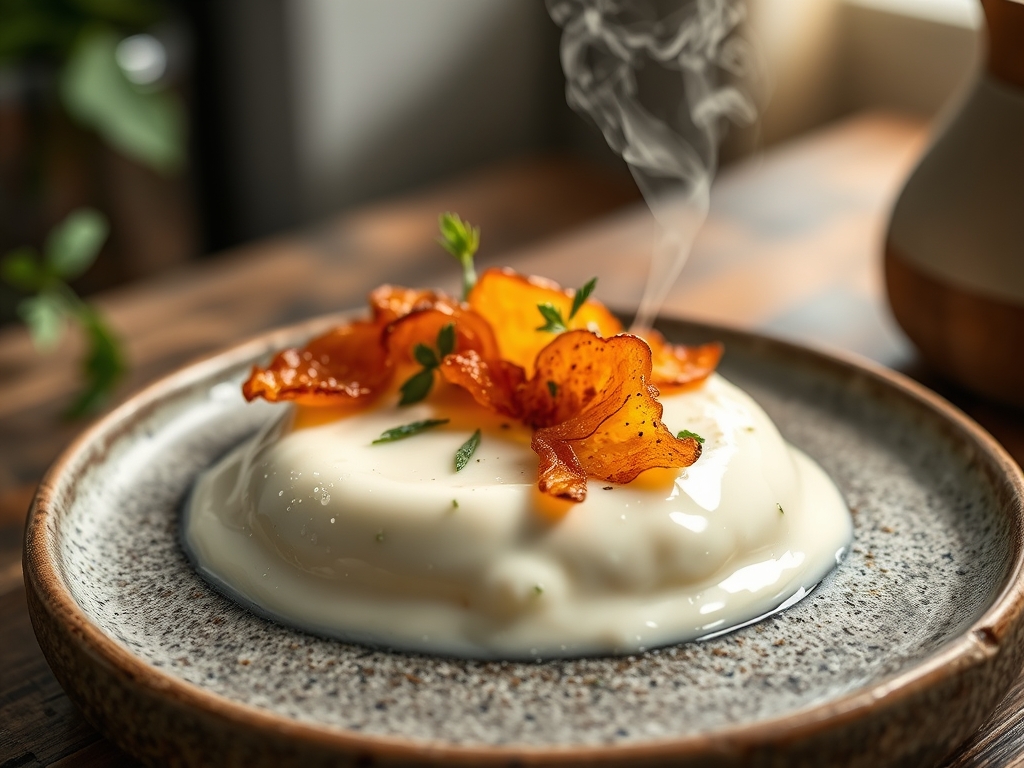
Referencing the Masterclass photo, your kefir should exhibit a "porcelain sheen." If the surface looks dull or matte, the fat content has likely oxidized or the yeast is overactive. If you see uneven browning or yellowing on the surface, your vessel was likely exposed to direct UV light, which degrades the riboflavin. The ideal visual cue is a smooth, ivory-white liquid that leaves distinct "legs" on the side of the glass when swirled. If the texture appears lumpy, your straining technique was too aggressive, or your grains are too small and are passing through the mesh. Ensure your sieve is fine enough to catch the smallest "baby" grains to maintain a consistent, silk-like fluid.
THE DEEP DIVE
Macro Nutrition Profile:
A standard 250ml serving provides approximately 150 calories, 8g of protein, 11g of carbohydrates, and 8g of fat. The fermentation process significantly reduces the lactose content, making it accessible to those with sensitivities.
Dietary Swaps:
For a Vegan alternative, use coconut milk with a high fat content. Note that kefir grains require animal lactose to grow; you must return them to dairy milk every third batch to "recharge." For Keto enthusiasts, use a blend of heavy cream and water to increase the lipid profile while keeping sugars at a minimum.
Meal Prep & Reheating Science:
Kefir is a raw, living product. Never subject it to temperatures above 40 degrees Celsius if you wish to maintain the probiotic integrity. To incorporate into warm dishes, whisk it into a sauce at the very last second after removing the pan from the heat. This prevents the proteins from tightening and "breaking" the sauce.
THE KITCHEN TABLE
Why is my kefir fizzy like soda?
The yeast in the grains produces carbon dioxide as a byproduct of fermentation. If you seal the jar tightly during the second ferment, the gas dissolves into the liquid, creating a natural, piquant carbonation that elevates the mouthfeel.
Can I use dried grains for this audit?
You can, but they require a "rehydration protocol" for 3 to 5 days. Dried grains are dormant and will produce a thin, uninspiring fluid until they have fully equilibrated with their environment and regained their structural bounce.
My kefir smells like yeast, not tart milk. Is it safe?
Yes. A yeasty aroma usually indicates a temperature imbalance where the yeast is outcompeting the bacteria. Move your fermentation to a cooler spot in the kitchen to allow the lactobacillus strains to catch up and provide that signature tartness.
What is the best way to store the grains?
If you are taking a break from the audit, submerge the grains in fresh milk and store them in the back of the refrigerator. This slows their metabolism significantly, allowing them to remain viable for up to three weeks without feeding.