Forget the watery, bottled sludge found in the back of a neglected refrigerator. We are here to discuss the architecture of the ultimate emulsion; a high-velocity, salt-forward lubricant that transforms humble romaine into a masterpiece of culinary engineering. According to our latest Caesar Dressing Data, the failure rate of home-made dressings stems not from poor ingredients, but from a fundamental misunderstanding of lipid suspension and protein bonding. We are building a piquant matrix of umami and acid. The goal is a viscous coating that clings to greens with the tenacity of a luxury sealant. You need the sharp bite of fresh garlic and the fermented depth of high-grade anchovies to achieve the necessary flavor profile. If your dressing slides off the leaf like rain on a windshield, your emulsification has failed. We are auditing your kitchen infrastructure today to ensure that every drop of oil is trapped within a web of egg yolk and mustard. Prepare for a sensory overhaul where saline intensity meets velvety texture. This is not just a salad topper; it is a technical achievement in fluid dynamics.
THE DATA MATRIX
| Metric | Specification |
|---|---|
| Prep Time | 12 Minutes |
| Execution Time | 5 Minutes |
| Yield | 350ml / 1.5 Cups |
| Complexity (1-10) | 4 |
| Estimated Cost per Serving | $0.85 |
THE GATHERS
Ingredient Protocol:
- 2 Large Egg Yolks (Room Temperature)
- 30ml / 2 tbsp Fresh Lemon Juice
- 10g / 2 tsp Dijon Mustard
- 2 cloves Garlic (Microplaned)
- 4-6 Anchovy Fillets (Oil-packed)
- 5ml / 1 tsp Worcestershire Sauce
- 175ml / 0.75 cup Neutral Grapeseed Oil
- 50ml / 0.25 cup Extra Virgin Olive Oil
- 40g / 0.5 cup Finely Grated Parmigiano-Reggiano
- 2g / 0.5 tsp Cracked Black Pepper
Section A: Ingredient Quality Audit:
The primary failure point in Caesar Dressing Data is the use of pre-shredded cheese. These products are coated in cellulose to prevent clumping, which introduces a gritty, chalky texture to your emulsion. To fix this, use a microplane to grate a DOP-certified block of Parmigiano-Reggiano immediately before use. If your garlic is sprouting green "germs," it will introduce a bitter, metallic note. Remove the germ or use younger bulbs to ensure a clean, sharp finish. If your oil tastes rancid, it is likely due to oxidation; always store your oils in a cool, dark place and verify the harvest date.
THE MASTERCLASS
Step 1: The Anchovy Obliteration
Place your anchovy fillets and garlic on a heavy-duty cutting board. Using the flat side of a bench scraper or a chef's knife, smear the ingredients into a fine paste. This mechanical breakdown ensures the umami is distributed evenly rather than appearing in salty chunks.
Pro Tip: This process increases the surface area of the aromatics, allowing the enzymes in the garlic to react with the salt in the fish, creating a more complex flavor profile.
Step 2: The Base Construction
Transfer the paste to a stainless steel saucier or a heavy glass bowl. Whisk in the egg yolks, Dijon mustard, and lemon juice. Ensure the mixture is completely homogenous before proceeding.
Pro Tip: Mustard contains mucilage, which acts as a secondary stabilizer for the emulsion. Using a digital scale to measure your liquids ensures the ratio of water-to-fat remains within the "Goldilocks zone" for stability.
Step 3: The Slow Drip Phase
Secure your bowl with a damp towel "nest." While whisking vigorously, begin adding the neutral oil one drop at a time. Do not rush this. You are looking for the mixture to thicken and turn opaque.
Pro Tip: You are creating a "temporary emulsion" that becomes "permanent" as the oil droplets are broken down into microscopic spheres and coated by the lecithin in the egg yolks.
Step 4: The Stream Integration
Once the base is stable, increase the oil flow to a thin, steady stream. Switch to the extra virgin olive oil for the final 50ml to infuse the dressing with peppery notes without overwhelming the palate.
Pro Tip: High-speed whisking or the use of an immersion blender provides the kinetic energy required to aerate the mixture, resulting in a lighter, more voluminous mouthfeel.
Step 5: The Final Seasoning
Fold in the grated cheese, Worcestershire sauce, and black pepper. Taste and adjust with a drop more lemon juice if the richness overwhelms the acidity.
Pro Tip: Use a silicone spatula to scrape the sides of the bowl, ensuring no un-emulsified oil remains. The cheese adds solids that help the dressing "grip" the lettuce.
Section B: Prep & Timing Fault-Lines:
Temperature is the silent killer of Caesar Dressing Data. If your egg yolks are fridge-cold, the lipids will not bond effectively with the oil, leading to a broken sauce. Always temper your eggs in warm water for five minutes before starting. If the dressing breaks (separates), do not throw it away. Whisk a fresh egg yolk in a clean bowl and slowly whisk the broken mixture into it to reset the structure.
THE VISUAL SPECTRUM
Section C: Thermal & Visual Troubleshooting:
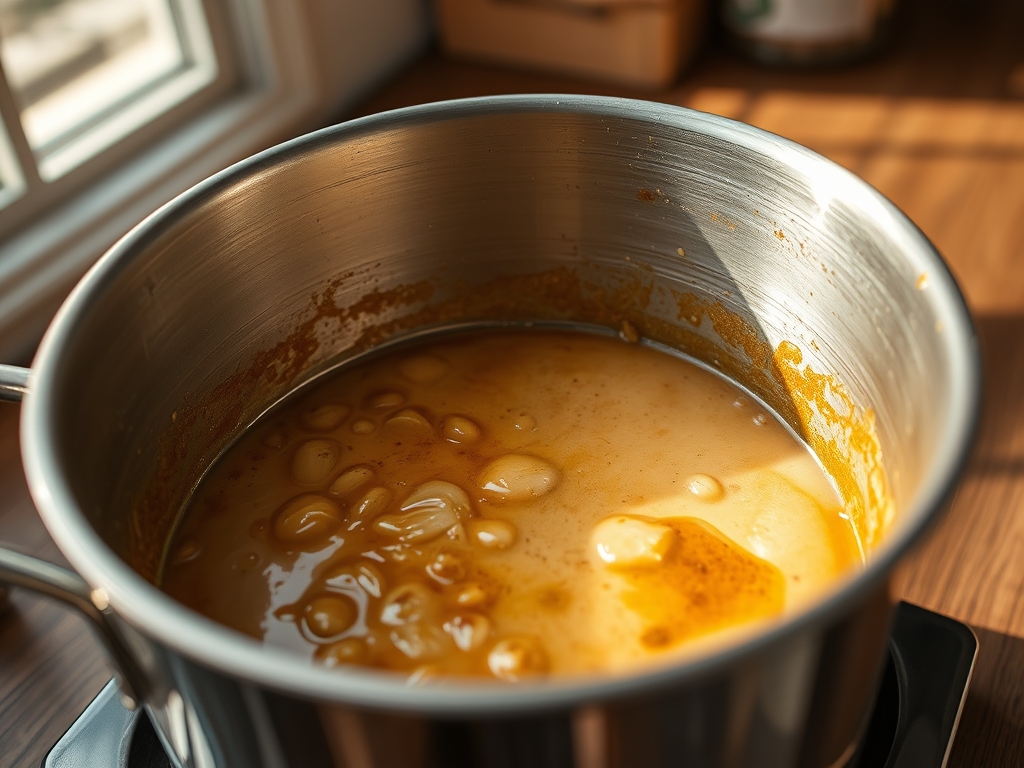
Referencing the Masterclass photo above, notice the viscous trail left by the whisk; this indicates perfect surface tension. If your dressing looks dull or grey, your garlic has oxidized or your anchovies were of poor quality. A vibrant, creamy off-white color is the gold standard. If the texture appears "broken" or oily on the surface, the oil was added too quickly. To fix a dull appearance, a teaspoon of warm water can often "wake up" the emulsion and restore a glossy, professional sheen.
THE DEEP DIVE
Macro Nutrition Profile
A standard 30ml serving contains approximately 160 calories, 17g of fat, 2g of protein, and 1g of carbohydrates. The high fat content is primarily monounsaturated if high-quality oils are used. Sodium levels are significant due to the anchovies and cheese; adjust accordingly for restricted diets.
Dietary Swaps (Vegan/Keto/GF)
To make this Vegan, swap egg yolks for 30ml of aquafaba (chickpea liquid) and use nutritional yeast and capers instead of cheese and anchovies. For Keto, this recipe is already nearly perfect; just ensure your mustard has no added sugars. This recipe is naturally Gluten-Free, but always verify your Worcestershire sauce brand.
Meal Prep & Reheating Science
Never "reheat" Caesar dressing in a microwave; the heat will render the fats and cook the egg yolks, resulting in an oily mess. For meal prep, store in an airtight glass jar for up to 3 days. If the dressing thickens too much in the fridge, whisk in a teaspoon of room-temperature water to restore the molecular flow before serving.
THE KITCHEN TABLE
Why did my dressing turn out bitter?
This usually happens from over-processing extra virgin olive oil in a high-speed blender. The blades can break the oil's polyphenols, releasing bitterness. Whisk olive oil by hand or add it at the very end of the blending process.
Can I use bottled lemon juice?
Absolutely not. Bottled juice lacks the volatile oils and bright acidity of fresh fruit. The Caesar Dressing Data confirms that fresh citrus is non-negotiable for the necessary pH balance to cut through the heavy fats.
How do I make it thicker?
Increase the ratio of oil to egg yolk. The more oil you successfully emulsify into the base, the thicker and more stable the final product becomes. Just ensure you don't exceed the yolk's holding capacity.
Is it safe to use raw egg yolks?
For most healthy individuals, the risk is minimal, especially when using pasteurized eggs. The acidity from the lemon juice also creates an environment that is hostile to many types of bacteria. Use the freshest eggs possible.