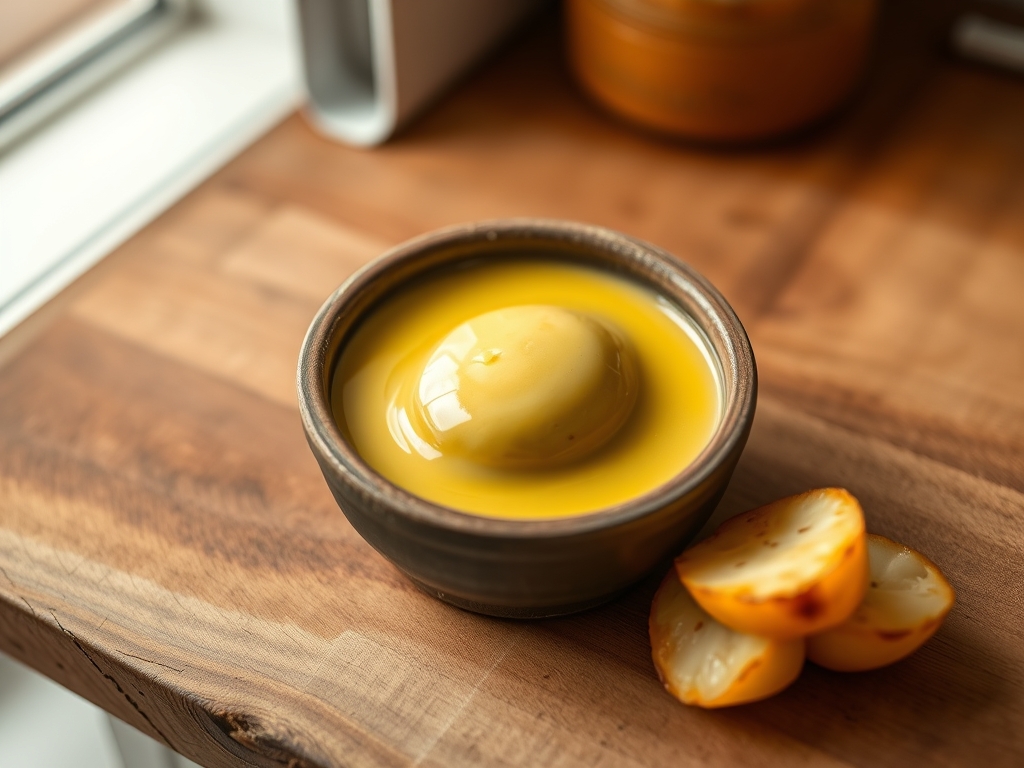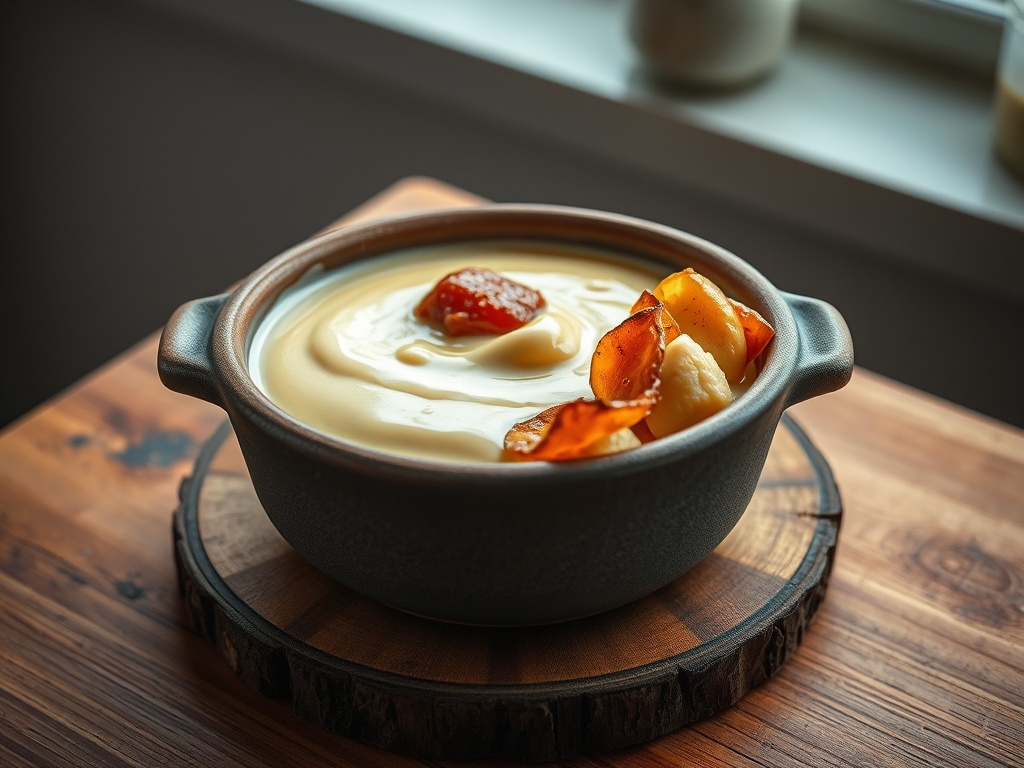
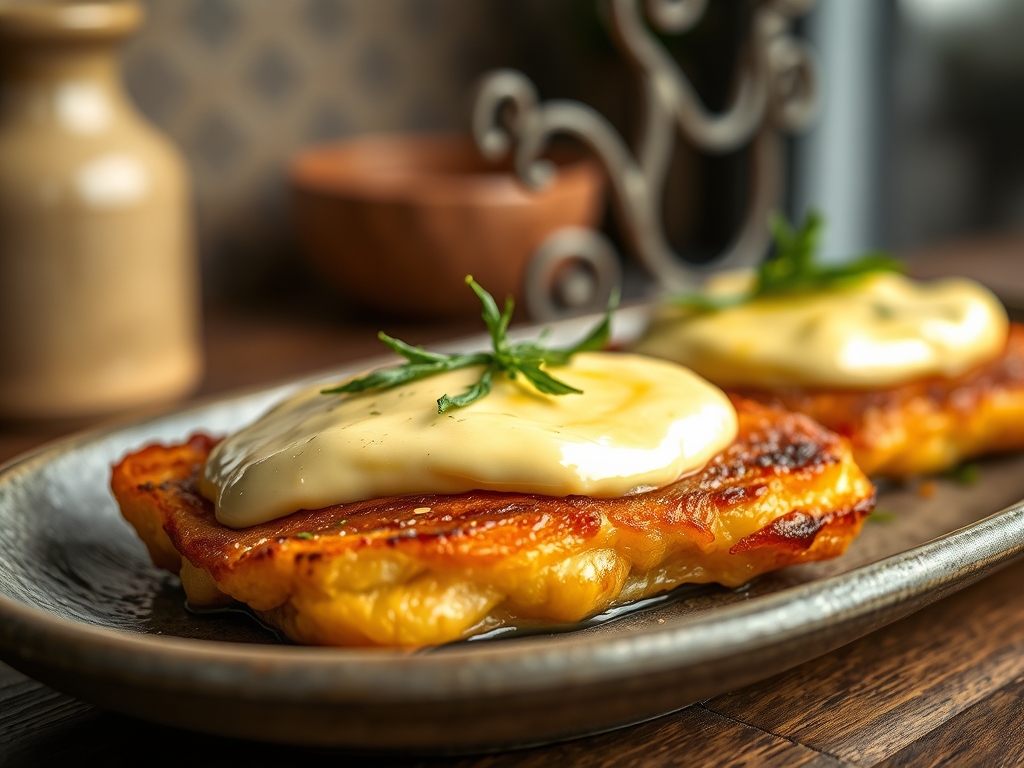
Imagine the sensory overload of a high-stakes kitchen line where the air is thick with the scent of reduced shallots and the sharp, piquant sting of tarragon vinegar. You are not just making a sauce; you are conducting a high-stakes engineering project involving lipid suspension and protein coagulation. The stakes are nothing less than total Béarnaise Stability. If your butter is not properly infused, your emulsion will suffer a catastrophic structural failure. We are looking for a result that is thick, glossy, and capable of clinging to a medium-rare steak with the tenacity of a structural adhesive. This is where herb-infused butter becomes the primary infrastructure of your dish. Without a perfectly rendered fat phase, the yolk proteins will struggle to trap the lipids, leading to a thin, greasy mess rather than a velvety masterpiece. We are auditing the very foundation of French saucery today. Grab your digital thermometer and your heavy-bottomed saucier. It is time to stabilize the variables, eliminate the moisture spikes, and achieve a level of culinary consistency that would make a laboratory chemist weep with envy.
THE DATA MATRIX
| Metric | Specification |
|---|---|
| Prep Time | 15 Minutes |
| Execution Time | 25 Minutes |
| Yield | 500ml / 2 Cups |
| Complexity (1-10) | 7 |
| Estimated Cost per Serving | $1.45 |
THE GATHERS
Ingredient Protocol:
- 454g / 1 lb High-fat European Style Butter (minimum 82% butterfat)
- 30g / 1 oz Fresh Tarragon (finely minced)
- 15g / 0.5 oz Fresh Chives (brunoise cut)
- 10ml / 2 tsp White Peppercorns (cracked)
- 60ml / 4 tbsp Shallots (micro-minced)
- 120ml / 0.5 cup Champagne Vinegar (for the reduction base)
- 4 Large Egg Yolks (tempered to room temperature)
- 5g / 1 tsp Fine Sea Salt
Section A: Ingredient Quality Audit:
The primary failure point in Béarnaise Stability is the water content of your butter. Standard supermarket butter often contains up to 18 percent water; this excess moisture interferes with the emulsification process and prevents a truly viscous finish. If you find your butter is too watery, you must clarify it first to remove the whey and water. Another common audit failure is using dried herbs. Dried tarragon lacks the volatile oils necessary to infuse the fat properly and will result in a gritty, dull texture. If your herbs are wilted, shock them in an ice bath for ten minutes before mincing to reactivate their turgor pressure. Finally, ensure your eggs are fresh. Older eggs have weakened lecithen structures, which are the very emulsifiers we rely on to bridge the gap between water and fat.
THE MASTERCLASS
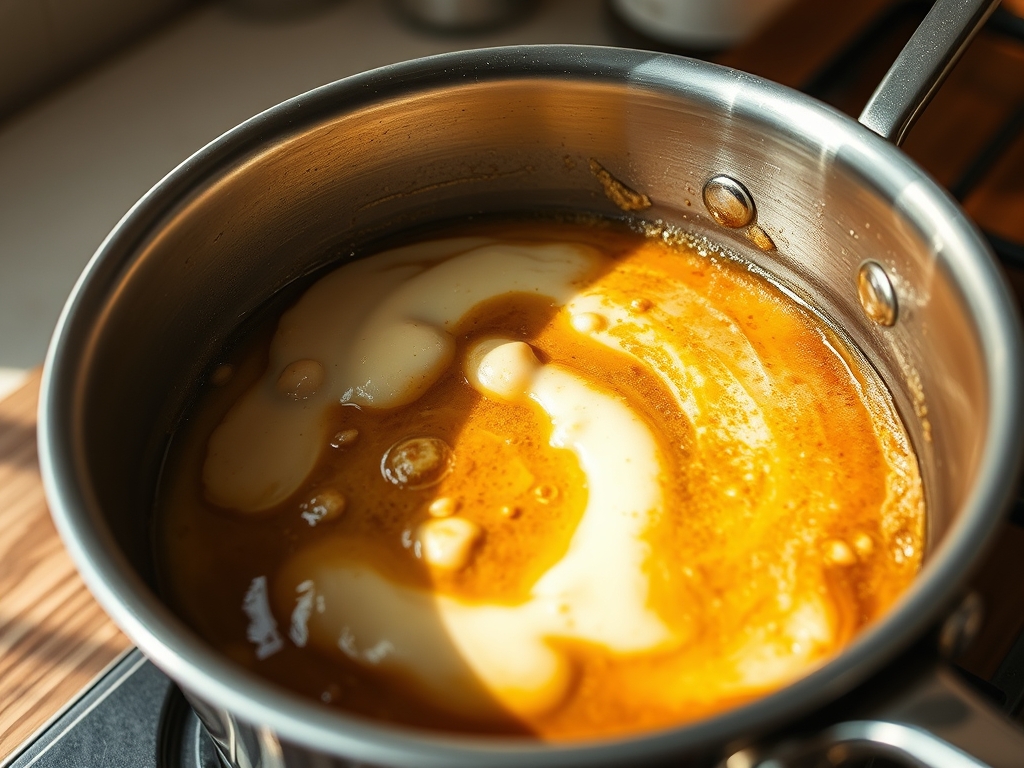
1. The Lipid Render and Infusion
Begin by placing your butter in a heavy-bottomed saucier over low heat. As the butter begins to render, add half of your minced tarragon and the cracked peppercorns. You are looking for a gentle simmer, not a hard boil. The goal is to infuse the fat with the essential oils of the herbs while slowly evaporating any residual moisture.
Pro Tip: Use a high-precision digital scale to measure your herbs. Even a five-gram variance can alter the piquant balance of the final emulsion. Professional chefs use the saucier shape because its rounded bottom prevents "dead zones" where herbs might scorch.
2. The Acid Reduction Matrix
In a separate small pan, combine your champagne vinegar and shallots. Reduce this mixture by seventy-five percent until it reaches a syrupy consistency. This concentrated liquid provides the acidic backbone required for Béarnaise Stability. Once reduced, strain the liquid through a fine-mesh chinois to ensure a smooth texture.
Pro Tip: The reduction must be cooled slightly before hitting the yolks. If it is too hot, you will scramble the proteins instantly. Use a bench scraper to clear your board of shallot debris to maintain a sterile, organized workstation.
3. The Emulsion Bridge
Place your egg yolks and the vinegar reduction in a stainless steel bowl over a double boiler. Whisk vigorously to aerate the mixture until it triples in volume and reaches a pale ribbon stage. Slowly, drop by drop, begin whisking in your warm herb-infused butter.
Pro Tip: This is the most volatile stage of the infrastructure. If the butter is added too quickly, the emulsion will break. The heat must stay below 145 degrees Fahrenheit to prevent the yolks from curdling. A constant whisking motion ensures the fat droplets are small enough to be suspended in the yolk matrix.
4. The Final Structural Polish
Once all the butter is incorporated and the sauce is thick and viscous, fold in the remaining fresh tarragon and chives. Season with sea salt to taste. The sauce should hold its shape on a spoon and exhibit a glossy, reflective sheen.
Pro Tip: If the sauce becomes too thick or starts to look oily, whisk in a teaspoon of warm water. This restores the continuous phase of the emulsion and prevents the fat from separating.
Section B: Prep & Timing Fault-Lines:
The most common human error is the "Thermal Shock" factor. If you pull your eggs directly from the refrigerator and hit them with hot butter, the temperature differential causes the proteins to seize. Always temper your ingredients. Another fault-line is the "Whisk Fatigue" error. If you stop whisking during the critical butter integration phase, the lipids will coalesce, leading to a greasy "split" sauce. Maintain a steady, rhythmic cadence to ensure the mechanical energy is sufficient to break down the fat globules.
THE VISUAL SPECTRUM
Section C: Thermal & Visual Troubleshooting:
Look closely at the Masterclass photo. Notice the specific pale gold hue and the suspension of green herbs. If your sauce looks dark or "broken," your heat was likely too high, causing the butter to brown or the yolks to overcook. If the sauce is dull and matte rather than glossy, you have an under-emulsified product; it needs more mechanical aeration. Uneven browning of the herbs suggests they were added to the butter at too high a temperature. The herbs should look bright and vibrant, not dark or charred. If you see "weeping" at the edges of the sauce, your Béarnaise Stability is compromised, likely due to excess moisture in the vinegar reduction.
THE DEEP DIVE
Macro Nutrition Profile
This is a high-density lipid fuel source. Per serving, expect approximately 220 calories, 24g of fat, 1g of protein, and negligible carbohydrates. It is a ketogenic powerhouse but should be used sparingly in calorie-restricted protocols.
Dietary Swaps
For a Vegan alternative, utilize a high-quality plant-based butter and replace the egg yolks with a reduction of aquafaba and lecithin powder. For a Keto-specific boost, use grass-fed ghee to ensure zero lactose and a higher smoke point during the infusion phase. The recipe is naturally Gluten-Free.
Meal Prep & Reheating Science
Maintaining molecular structure during reheating is notoriously difficult. Never microwave a Béarnaise. To reheat, place the sauce in a warm (not hot) water bath and whisk gently. The goal is to reach 110 degrees Fahrenheit slowly; any higher and the protein bonds will contract, squeezing out the fat and breaking the emulsion.
THE KITCHEN TABLE
Why did my sauce split instantly?
You likely added the butter too fast or the temperature exceeded 150 degrees. This causes the yolk proteins to denature and release their grip on the fat molecules. Slow down the pour and monitor your thermal gradients.
Can I use a blender for this?
Yes, a high-speed blender provides excellent mechanical shear for Béarnaise Stability. However, you must be careful not to over-process, as the friction from the blades can generate enough heat to cook the eggs into a solid.
How long does the infusion last?
The herb-infused butter can be prepared 48 hours in advance. In fact, a 24-hour rest allows the volatile oils in the tarragon to fully permeate the lipid structure, resulting in a deeper, more complex flavor profile.
What is the best way to fix a broken sauce?
Place a fresh egg yolk and a teaspoon of warm water in a clean bowl. Slowly whisk the broken sauce into the new yolk as if it were fresh butter. This re-establishes the emulsion infrastructure from the ground up.