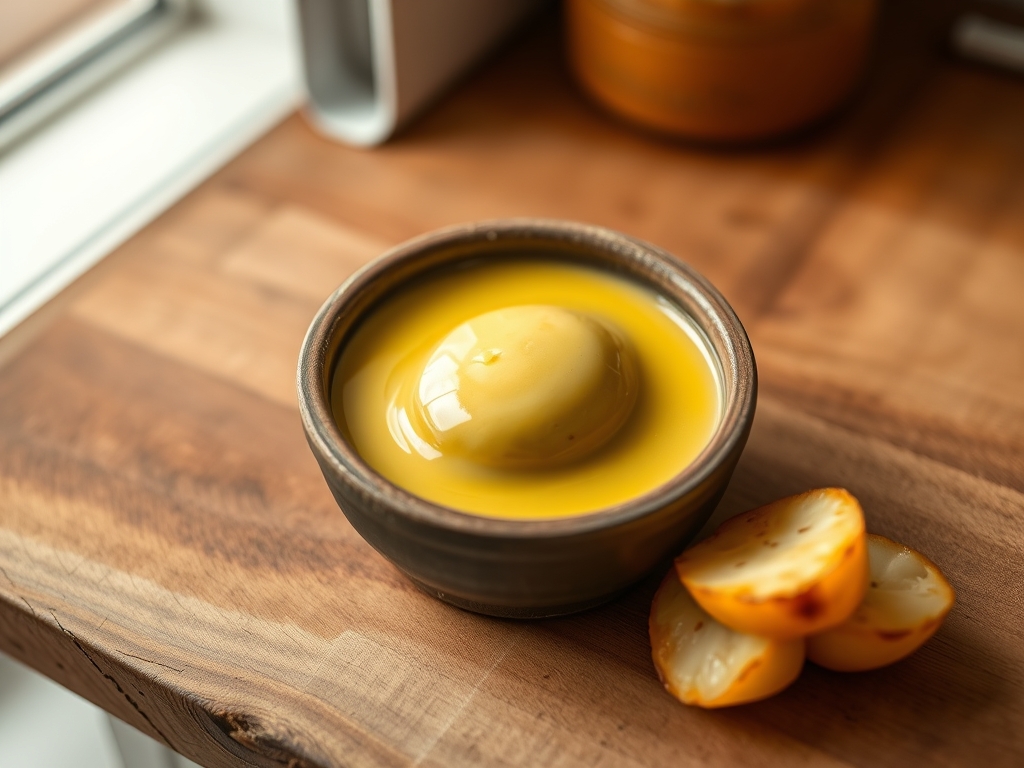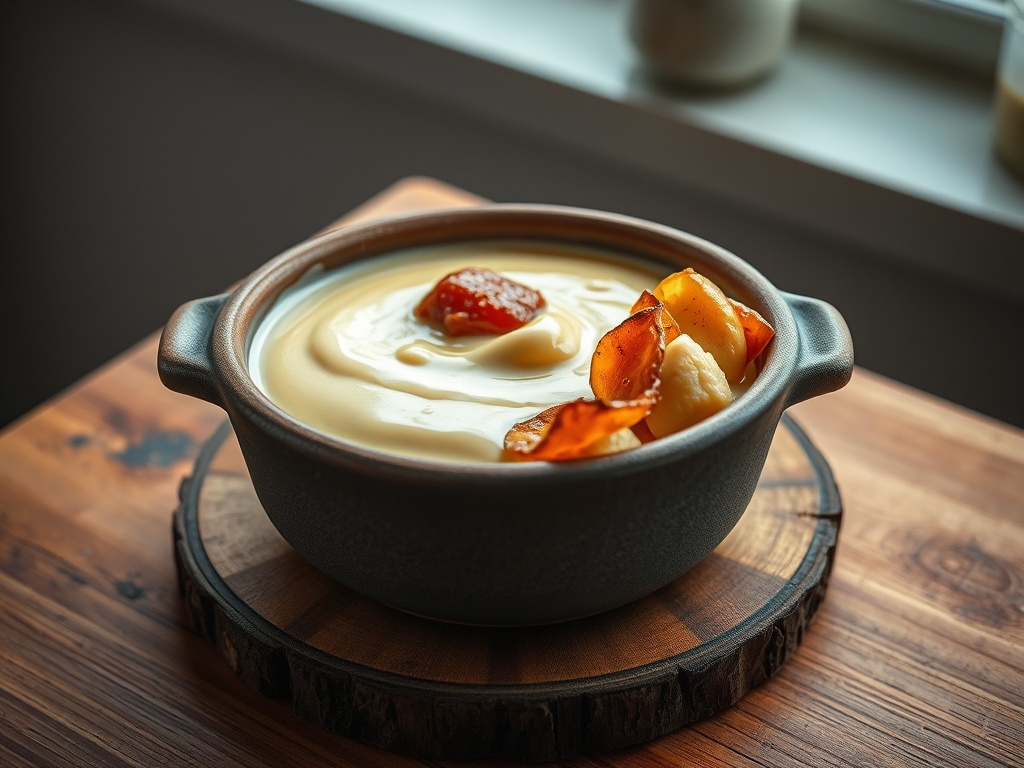
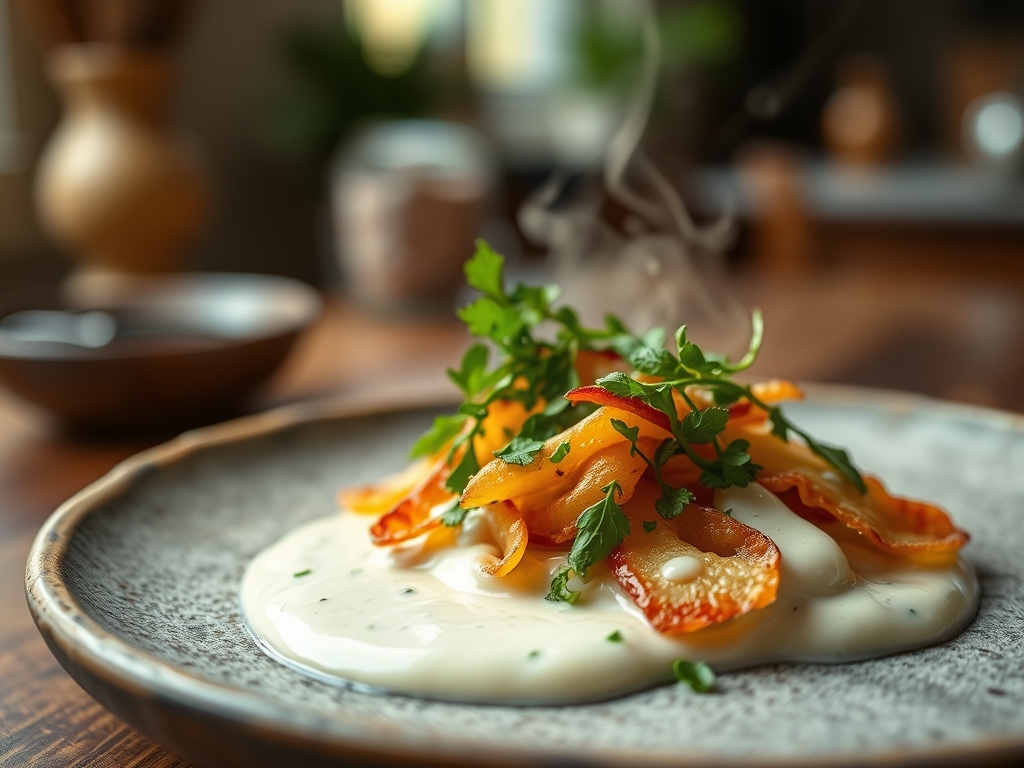
Stop settling for that watery, translucent sludge masquerading as a condiment in plastic squeeze bottles. We are here to talk about structural integrity. When we discuss Ranch Dressing Viscosity, we are not just talking about thickness; we are talking about the physics of suspension. A true cultured cream sauce should possess the cling-factor of a velvet curtain. It must hold its shape against the heat of a buffalo wing while maintaining a piquant brightness that cuts through residual lipids. Most home cooks fail because they treat ranch as a stir-and-chill afterthought. They ignore the delicate balance of lactic acid and fat globule distribution. We are building an architectural masterpiece in a bowl. This is about achieving a specific gravity that defies gravity itself. Whether you are coating a crisp wedge of iceberg or dipping a hot piece of fried poultry, the sauce must coat the surface uniformly without weeping. If your dressing is running off the plate like a coward, your emulsion has failed. It is time to audit your infrastructure and stabilize your dairy.
THE DATA MATRIX
| Metric | Specification |
|---|---|
| Prep Time | 15 Minutes |
| Execution Time | 10 Minutes |
| Yield | 710ml / 3 Cups |
| Complexity (1-10) | 4 |
| Estimated Cost per Serving | $0.45 |
THE GATHERS
Ingredient Protocol:
- 240ml / 1 cup Heavy Mayonnaise (High egg-yolk content preferred)
- 240ml / 1 cup Cultured Buttermilk (Full fat)
- 120ml / 0.5 cup Sour Cream (18 percent milkfat)
- 15g / 3 tbsp Fresh Chives, finely minced
- 10g / 2 tbsp Fresh Italian Parsley, minced
- 5g / 1 tbsp Fresh Dill, stems removed and chopped
- 2 cloves Fresh Garlic, microplaned into a paste
- 5ml / 1 tsp White Distilled Vinegar or Lemon Juice
- 2g / 0.5 tsp Fine Sea Salt
- 2g / 0.5 tsp Coarse Ground Black Pepper
- 1g / 0.25 tsp Onion Powder
Section A: Ingredient Quality Audit:
If your buttermilk is thin and lacks that characteristic "tang," your Ranch Dressing Viscosity will suffer. Lower-tier buttermilk often uses thickeners like carrageenan rather than natural fermentation. If you find your base is too runny, whisk in an extra tablespoon of sour cream to reinforce the protein structure. If your herbs are wilted, do not use them. Dried herbs are a catastrophic failure in this specific infrastructure; they provide a gritty texture and a "dusty" flavor profile. If you must use dried, you must hydrate them in the buttermilk for at least two hours before mixing to prevent them from leaching moisture out of the emulsion. Finally, ensure your mayonnaise is a stable, high-fat brand. Low-fat "light" mayonnaise uses water and starches that will cause the sauce to break when it hits the salt.
THE MASTERCLASS
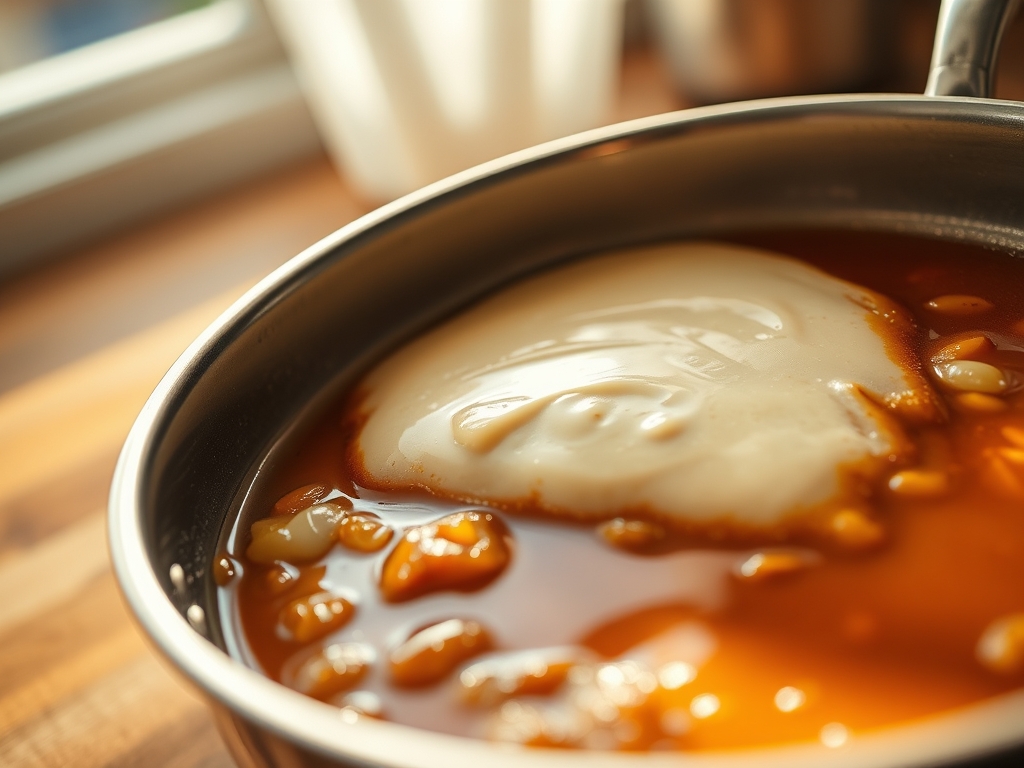
Step 1: The Lipid Foundation
Begin by placing your heavy mayonnaise and sour cream into a stainless steel mixing bowl. Use a digital scale to ensure precise ratios; guessing by volume leads to inconsistent density. Use a flexible silicone spatula to fold these two fats together until they are a singular, homogenous mass.
Pro Tip: This step establishes the base emulsion. By mixing the high-fat solids first, you create a protective matrix that will better accept the acidic buttermilk without curdling.
Step 2: The Acid Integration
Slowly stream the cultured buttermilk into the fat base while whisking constantly with a balloon whisk. Do not dump it all in at once. You are looking for a smooth, pourable but thick consistency.
Pro Tip: Whisking introduces air, but you do not want to aerate this excessively. Use a steady, rhythmic motion to ensure the lactic acid in the buttermilk begins to tighten the proteins in the sour cream, which increases the overall Ranch Dressing Viscosity.
Step 3: The Allium Infusion
Use a microplane or a sharp chef knife to turn your garlic into a fine paste. Add the garlic, onion powder, salt, and pepper to the bowl. Use a bench scraper to gather any stray herbs or garlic from your cutting board to ensure no flavor is lost.
Pro Tip: Garlic contains sulfur compounds that develop over time. By mashing the garlic into a paste, you break the cell walls and release allicin, which provides that sharp, piquant bite essential for balancing the heavy fats.
Step 4: The Herb Suspension
Gently fold in the fresh chives, parsley, and dill. Do not over-mix once the herbs are in. You want the herbs to remain suspended in the cream rather than bleeding their chlorophyll into the white base, which would turn the sauce an unappealing swamp green.
Pro Tip: Fresh herbs are hydrophobic. By folding them in last, you allow the fats to coat the herbs, preserving their bright color and preventing the salt from drawing out their moisture too quickly.
Step 5: The Molecular Rest
Transfer the mixture to a glass Mason jar or an airtight container. Refrigerate for a minimum of four hours, though twenty-four hours is optimal.
Pro Tip: Cold temperatures allow the fats to re-solidify and the flavors to infuse throughout the dairy. This "set time" is when the Ranch Dressing Viscosity reaches its peak as the starches and proteins stabilize.
Section B: Prep & Timing Fault-Lines:
The most common error is temperature abuse. If you leave your buttermilk or mayo on the counter for too long during prep, the emulsion will become unstable. Always work with chilled ingredients. Another timing error is serving the dressing immediately after mixing. Without the rest period, the garlic will taste metallic and the herbs will taste like lawn clippings. If your sauce is too thick after chilling, do not add water. Use a teaspoon of buttermilk to thin it back to the desired flow rate.
THE VISUAL SPECTRUM
Section C: Thermal & Visual Troubleshooting:
Look at the Masterclass photo above. Notice the "ribbon" effect as the sauce is poured; it should hold its shape for a split second before sinking into the bowl. This is the visual hallmark of perfect Ranch Dressing Viscosity. If your sauce looks "broken" or has small oily droplets on the surface, your emulsion has collapsed. To fix this, whisk in a teaspoon of warm water or additional mayonnaise to re-bind the fats. If the color is dull or gray, your black pepper was likely ground too fine or your herbs were not fresh. The ideal visual is a bright, stark white background punctuated by vibrant, distinct green flecks. If you see "weeping" (water pooling at the edges), your sour cream or buttermilk had too much whey; next time, strain your sour cream through cheesecloth for thirty minutes before use.
THE DEEP DIVE
Macro Nutrition Profile
Per 30ml (2 tbsp) serving: 145 Calories, 15g Fat, 2g Carbohydrates, 1g Protein. This is a high-lipid, low-carb dressing designed for satiety. The sodium content is approximately 210mg, depending on the salt brand used.
Dietary Swaps
- Vegan: Replace mayonnaise with an aquafaba-based emulsion and use a combination of coconut cream and apple cider vinegar to mimic the buttermilk tang.
- Keto: This recipe is naturally Keto-friendly. To further reduce carbs, ensure your mayonnaise has no added sugar.
- GF: Naturally gluten-free, provided your spices are not processed in a facility with wheat.
Meal Prep & Reheating Science
This sauce is a cold-stable emulsion. Do not heat it. If you are using it on a warm dish, like a baked potato, add it at the very last second. Heating the sauce will cause the fats to render out, leaving you with a greasy, broken mess. For meal prep, store in glass rather than plastic to avoid flavor leaching. It will remain stable for up to seven days if kept at or below 4 degrees Celsius.
THE KITCHEN TABLE
Why is my ranch dressing too runny?
This usually occurs due to low-fat dairy or over-whisking. If the Ranch Dressing Viscosity is lacking, whisk in a small amount of heavy cream or extra sour cream to bolster the fat solids and stabilize the liquid-to-fat ratio.
Can I use dried herbs instead?
You can, but the flavor profile will shift from "fresh and piquant" to "earthy and muted." If using dried, reduce the volume by half and allow the dressing to hydrate in the refrigerator for at least six hours before consumption.
How do I make it spicier?
To maintain the structural integrity while adding heat, avoid watery hot sauces. Instead, fold in finely minced chipotle in adobo or a pinch of cayenne pepper. This adds heat without compromising the carefully calibrated viscosity of the base.
Why does my garlic taste so strong?
Garlic potency increases as it sits. If you plan to keep the dressing for more than three days, consider reducing the garlic by half or using roasted garlic for a mellower, sweeter infrastructure that won't overwhelm the palate.