Listen to the sound of a heavy spoon plunging into a vessel of pure, unadulterated viscosity. We are not discussing the watery, translucent syrups found in the aisles of a supermarket. We are auditing the king of particulate suspensions: Blue Cheese Dressing. This is a structural masterpiece where the creamy, lipid-heavy base must act as a scaffolding for the jagged, piquant craters of Penicillium roqueforti. The sensory profile is a violent collision of lactic acid and fungal funk; it is a high-stakes balancing act of salt, fat, and fermentation. When executed with precision, the dressing offers a textural landscape that is both velvet and grit. It must cling to a wedge of iceberg lettuce with the tenacity of a structural adhesive while providing a cooling counterpoint to the heat of a buffalo wing. This audit is about the science of the suspension. We are looking for a perfect distribution of solids within a stabilized emulsion. If your dressing separates into an oily slick, you have failed the structural integrity test. Let us begin the calibration.
THE DATA MATRIX
| Metric | Specification |
|---|---|
| Prep Time | 15 Minutes |
| Execution Time | 5 Minutes |
| Yield | 475ml / 2 Cups |
| Complexity (1-10) | 4 |
| Estimated Cost per Serving | $0.85 |
THE GATHERS
Ingredient Protocol:
- 225g / 1 cup High-Quality Mayonnaise (The structural emulsifier)
- 120g / 0.5 cup Sour Cream (For lactic tang and body)
- 60ml / 0.25 cup Buttermilk (To adjust viscosity)
- 150g / 5.3oz Danablu or Roquefort Crumbles (The particulate matter)
- 15ml / 1 tbsp Fresh Lemon Juice (To brighten the lipid profile)
- 5ml / 1 tsp Worcestershire Sauce (To infuse umami)
- 2g / 0.5 tsp Garlic Powder (For aromatic depth)
- 1g / 0.25 tsp Coarse Black Pepper (For heat and visual speckling)
Section A: Ingredient Quality Audit:
The primary failure point in this emulsion is the moisture content of the cheese. If you utilize "pre-crumbled" cheese from a plastic tub, you are introducing cellulose and anti-caking agents into your matrix. These additives absorb moisture and turn your dressing into a gritty paste. Technical Fix: Always purchase a whole wedge and crumble it manually using a bench scraper to ensure the edges remain jagged and the interior stays moist.
Another common audit failure is the use of "light" mayonnaise. The structural integrity of Blue Cheese Dressing relies on a stable egg-yolk and oil emulsion. Lowering the lipid count results in a runny, unstable mess that cannot support the weight of the cheese particulates. If your base is too thin, infuse a teaspoon of heavy cream or whisk in an extra dollop of full-fat Greek yogurt to restore the viscous nature of the sauce.
THE MASTERCLASS
Step-by-Step Execution:
1. The Emulsion Base Calibration
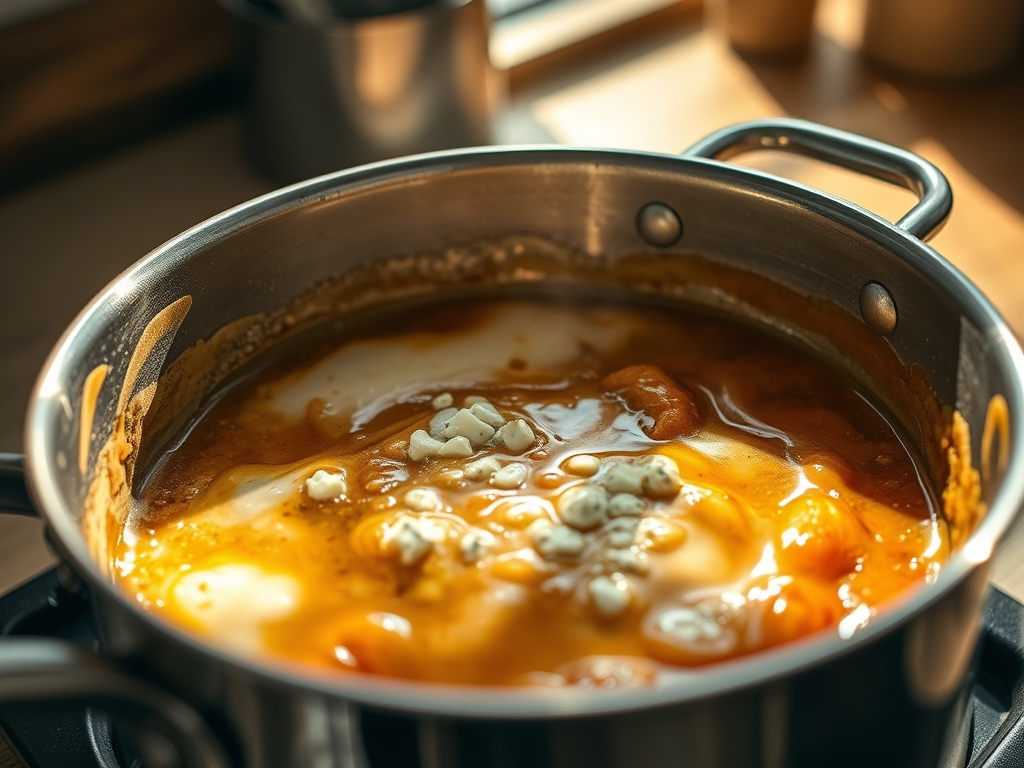
In a stainless steel saucier or a deep mixing bowl, combine the mayonnaise, sour cream, and lemon juice. Use a balloon whisk to aerate the mixture slightly, ensuring the different fats are fully integrated into a singular, homogenous medium.
Pro Tip: Use a digital scale to measure your ingredients by weight rather than volume. This eliminates the "air pocket" error common in measuring cups and ensures your acid-to-fat ratio is chemically perfect every time.
2. The Umami Infusion
Add the Worcestershire sauce, garlic powder, and black pepper. Whisk vigorously. The goal here is to distribute the microscopic spice particles evenly before the large cheese chunks are introduced. This prevents "flavor hot spots" where one bite is overly garlicky and the next is bland.
Pro Tip: Let the base sit for five minutes before adding the cheese. This allows the dry spices to hydrate, which prevents the dressing from tasting "dusty" or raw.
3. Particulate Integration
Gently fold in 75% of your blue cheese crumbles using a silicone spatula. Do not over-mix. You want the cheese to remain in distinct chunks. The remaining 25% of the cheese should be crushed into a fine paste and folded in to ensure the flavor of the mold permeates the entire liquid phase.
Pro Tip: Cold cheese crumbles better than room-temperature cheese. Keep your wedge in the refrigerator until the exact moment of crumbling to maintain those sharp, architectural edges.
4. Viscosity Adjustment
Slowly stream in the buttermilk while stirring gently. Stop once the dressing coats the back of a spoon without immediately running off. The final product should be thick enough to stand a spoon upright for a split second before it slowly tips over.
Pro Tip: If the dressing feels too thick after chilling, do not add water. Use a small amount of heavy cream to thin it out while maintaining the fat-soluble flavor profile.
Section B: Prep & Timing Fault-Lines:
Temperature control is the silent killer of emulsions. If your sour cream is room temperature but your mayonnaise is ice cold, the fats may not bind correctly, leading to a "broken" appearance. Ensure all dairy components are within 5 degrees of each other before mixing.
Furthermore, time is an ingredient. A Blue Cheese Dressing served immediately after mixing is a shadow of its potential self. The enzymes in the cheese need at least four hours of "dwell time" in the refrigerator to migrate into the cream base. If you skip this resting period, your dressing will taste like plain mayo with chunks of cheese rather than a cohesive, piquant sauce.
THE VISUAL SPECTRUM
Section C: Thermal & Visual Troubleshooting:
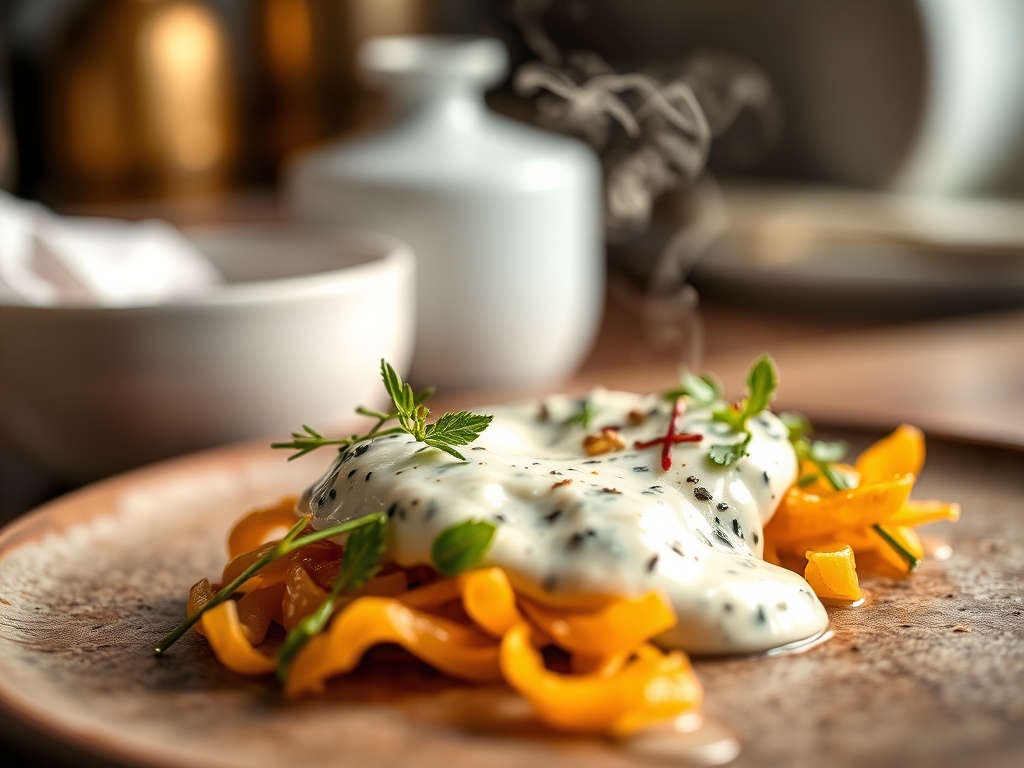
Look closely at the Masterclass photo. You should see a "matte" finish on the cream base with glossy highlights where the light hits the cheese oils. If your dressing looks excessively shiny or translucent, your emulsion has broken. This usually happens if the acid content is too high or if the dressing was whisked too violently, generating heat.
The color should be an off-white, ivory hue. If the dressing looks grey, your black pepper was ground too finely or you used a low-quality, oxidized blue cheese. To fix a "grey" dressing, add a pinch of mustard powder; the yellow pigment will neutralize the dull tones and restore a vibrant, appetizing appearance. If the texture looks "curdled" but the taste is fine, you likely used buttermilk that was too acidic. Next time, temper the buttermilk with a pinch of baking soda to neutralize excess acid before adding it to the dairy.
THE DEEP DIVE
Macro Nutrition Profile:
A standard 30ml (2 tbsp) serving contains approximately 150 calories, 15g of fat, 2g of carbohydrates, and 2g of protein. It is a high-density lipid source, making it ideal for satiety but dangerous for caloric surplus management.
Dietary Swaps:
- Vegan: Replace mayonnaise and sour cream with an aquafaba-based mayo and silken tofu blend. Use vegan blue cheese crumbles made from cultured cashews.
- Keto: This recipe is naturally Keto-friendly. Ensure the mayonnaise does not contain seed oils like soybean or canola; opt for avocado oil mayo instead.
- GF: Blue cheese is generally gluten-free, but some brands use bread crusts to grow the mold. Always verify the "Certified GF" label on the cheese wedge.
Meal Prep & Reheating Science:
Never reheat this dressing. Heat will cause the emulsion to render and separate into a pool of yellow oil. For storage, use an airtight glass jar. Glass is non-reactive and will not absorb the pungent odors of the blue cheese. The molecular structure remains stable for up to seven days if kept at a constant 4 degrees Celsius.
THE KITCHEN TABLE
Why is my dressing too thin?
You likely over-measured the buttermilk or used a low-fat base. To fix this, whisk in a tablespoon of Greek yogurt or more mayonnaise. Never use flour or cornstarch to thicken a cold emulsion; it will ruin the mouthfeel.
Can I use Gorgonzola instead?
Absolutely. Gorgonzola Dolce will result in a sweeter, creamier dressing, while Gorgonzola Piccante will provide a sharper, more aggressive profile. The audit remains the same; only the flavor intensity shifts.
How do I get bigger chunks?
The secret is manual crumbling. Do not use a food processor. Break the cheese by hand into large, irregular pieces. Fold them in at the very end of the process to prevent the whisk from breaking them down.
Why does it taste bitter?
Bitterness usually comes from old walnuts (if added) or low-quality dried herbs. If the base is bitter, add a tiny pinch of sugar or honey. The sweetness will counteract the bitter alkaloids without making the dressing "sweet."