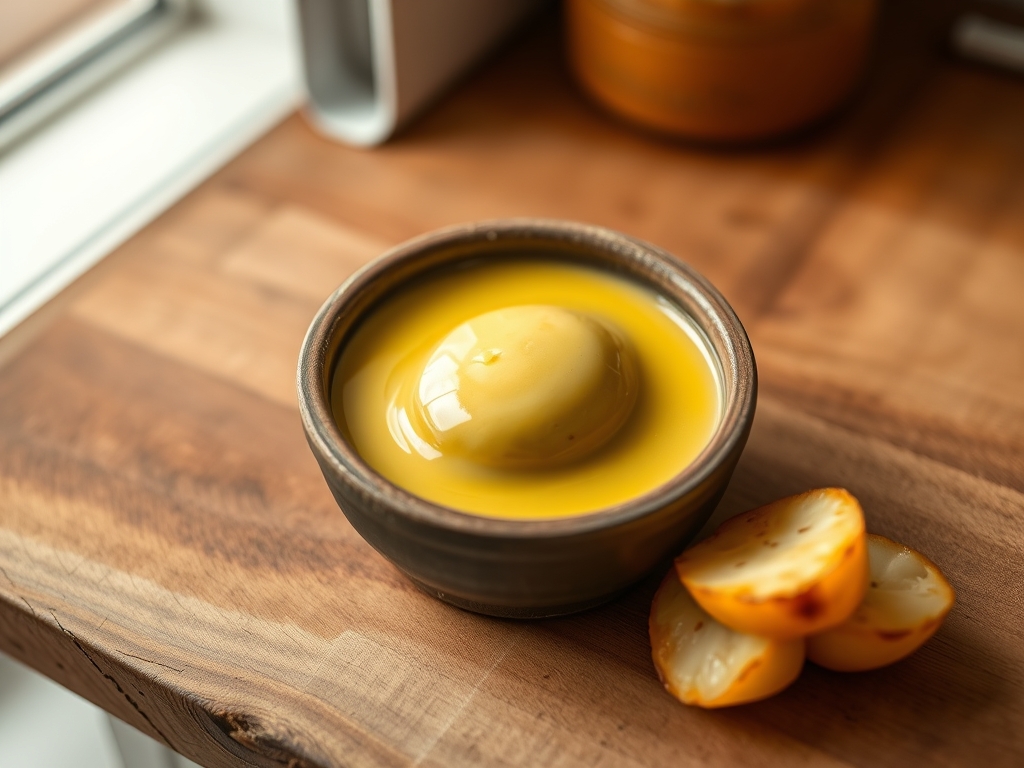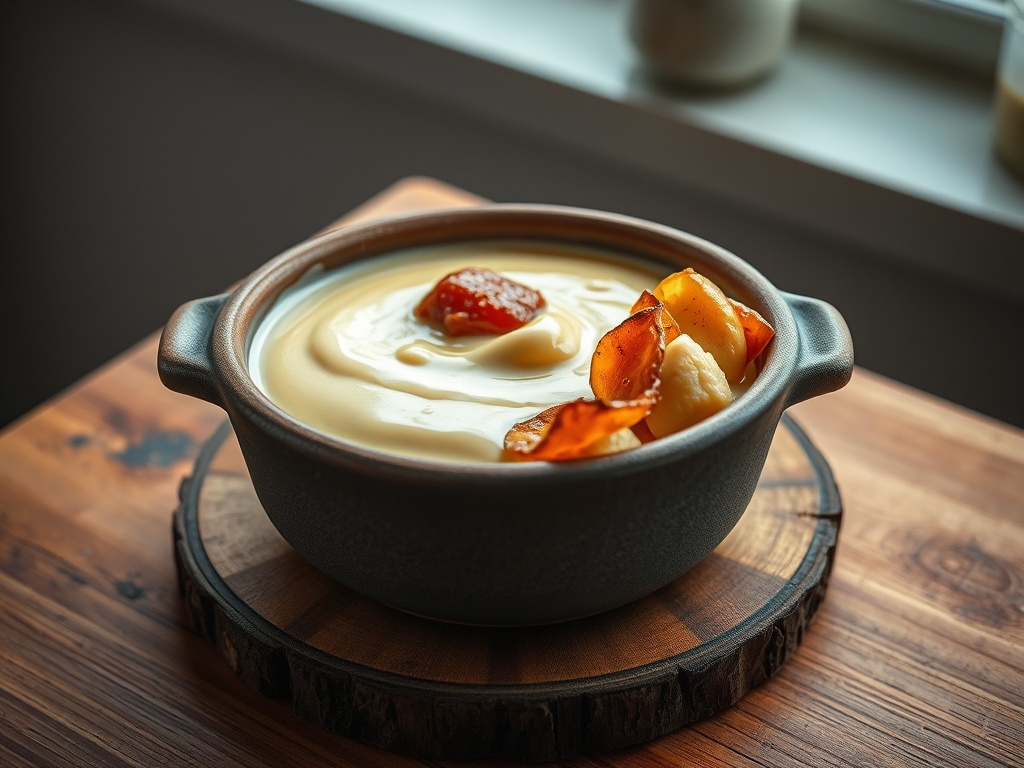
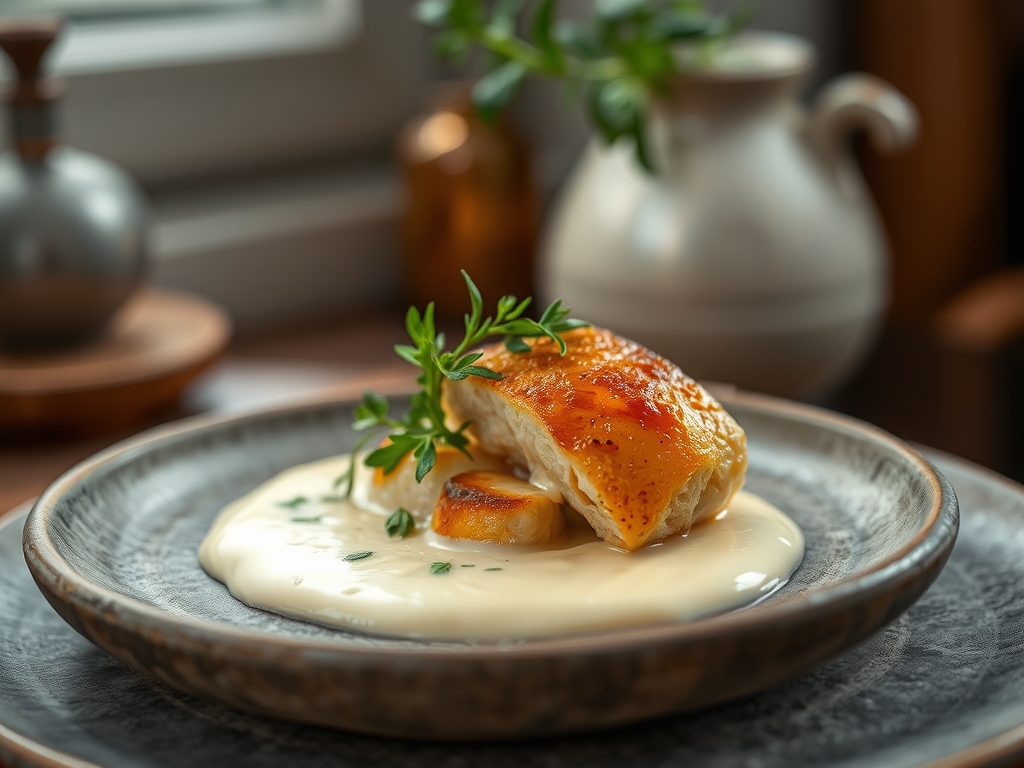
Forget everything you know about liquid condiments. We are not merely making a sauce; we are engineering a masterpiece of fluid dynamics. A true Beurre Blanc is a defiance of nature. It is a fragile, shimmering suspension of milk solids and fat within a sharp, acidic reduction. When we talk about Beurre Blanc Physics, we are discussing the delicate balance of a temporary emulsion. One degree too high and the proteins shrink, causing the golden fat to weep into an oily puddle. One degree too low and the butter refuses to incorporate, leaving you with a cold, clumpy mess. This is the audit of the senses. You are looking for a specific, pearlescent sheen that signals the successful encapsulation of fat globules by water molecules. The aroma should be a sharp, piquant strike of shallot and vinegar followed immediately by the velvet embrace of high-quality dairy. It is a high-stakes game of thermal management where the reward is the most luxurious, viscous coating known to the culinary world.
THE DATA MATRIX
| Metric | Specification |
|---|---|
| Prep Time | 10 Minutes |
| Execution Time | 15 Minutes |
| Yield | 350ml / 1.5 Cups |
| Complexity (1-10) | 8 |
| Estimated Cost per Serving | $1.25 |
THE GATHERS
Ingredient Protocol:
- Shallots (Minced): 45g / 3 tbsp
- Dry White Wine (Muscadet or Sauvignon Blanc): 120ml / 0.5 cup
- White Wine Vinegar: 60ml / 0.25 cup
- Heavy Cream (Optional Stabilizer): 30ml / 2 tbsp
- Unsalted Butter (Chilled and Cubed): 225g / 1 cup (2 sticks)
- Kosher Salt: 5g / 1 tsp
- White Pepper: 2g / 0.5 tsp
Section A: Ingredient Quality Audit:
The primary failure point in Beurre Blanc Physics is the moisture content of the butter. Standard grocery store butter often contains up to 19 percent water; this excess moisture can dilute your reduction and weaken the emulsion. Always opt for European-style butter with at least 82 percent butterfat. If your shallots are sprouting green centers, remove them immediately. Those sprouts contain sulfurous compounds that will turn bitter during the reduction phase. If your wine lacks sufficient acidity, do not try to compensate with more vinegar later. Instead, infuse the reduction with a squeeze of fresh lemon juice at the very end to brighten the profile without muddying the flavor.
THE MASTERCLASS
Step-by-Step Execution:
1. The Acidic Reduction
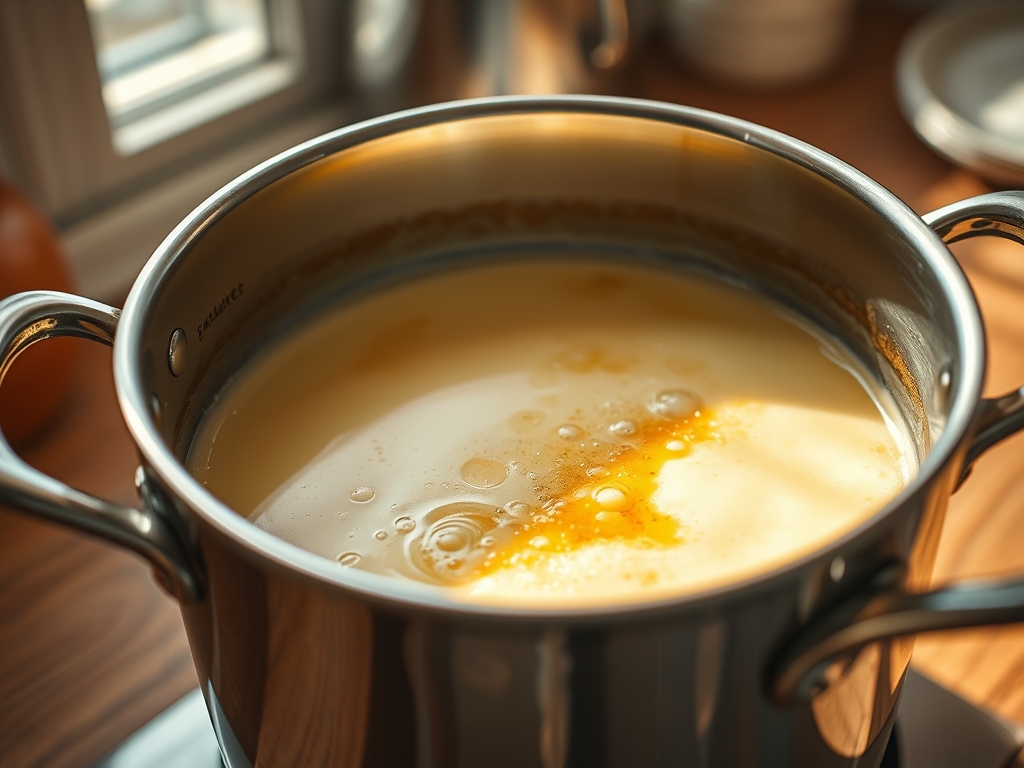
Combine your minced shallots, white wine, and vinegar in a heavy-bottomed saucier. Place over medium heat and simmer until the liquid has reduced to approximately two tablespoons. The shallots should look syrupy and translucent.
Pro Tip: Use a saucier with rounded edges rather than a straight-sided saucepan. This geometry prevents the reduction from scorching in the corners and allows your whisk to reach every millimeter of the surface area to ensure an even concentration of flavors.
2. The Stabilizer Addition
Add the heavy cream to the reduction and simmer for another minute until it thickens slightly. While a traditional Beurre Blanc relies solely on milk solids, the addition of a small amount of cream provides extra lecithin, which acts as a safety net for the emulsion.
Pro Tip: Use a digital scale to measure your cream. Even a 5ml variance can alter the final viscosity. The proteins in the cream help to aerate the sauce as you whisk, creating a lighter mouthfeel.
3. The Solid Phase Incorporation
Reduce the heat to the lowest possible setting. Begin adding the chilled butter one cube at a time. Whisk constantly and vigorously. Do not add the next cube until the previous one has fully melted and incorporated into the liquid.
Pro Tip: The butter must be cold. Beurre Blanc Physics dictates that as the cold butter melts slowly, the milk solids are released gradually enough to bond with the acid reduction. If the butter is room temperature, it will melt too fast and the sauce will "break."
4. Thermal Maintenance and Finishing
Once all the butter is incorporated, remove the pan from the heat immediately. Strain the sauce through a fine-mesh sieve into a clean bowl to remove the shallots, or leave them in for a rustic texture. Season with salt and white pepper.
Pro Tip: Use a bench scraper to quickly clean your workstation while the sauce rests. The ideal serving temperature is between 110 and 125 degrees Fahrenheit. If you go above 135 degrees, the emulsion will disintegrate.
Section B: Prep & Timing Fault-Lines:
The most common human error is impatience during the reduction phase. If you do not reduce the wine and vinegar sufficiently, the sauce will be thin and lack the necessary viscous quality to coat the back of a spoon. Conversely, if you reduce it to total dryness, there is no aqueous phase left to hold the butter. Another timing trap is the "hold." If you must wait for the protein to finish cooking, do not leave the sauce on the burner. Place the saucier in a warm spot or a thermos to maintain the temperature without further cooking the proteins.
THE VISUAL SPECTRUM
Section C: Thermal & Visual Troubleshooting:
Referencing the Masterclass photo, your sauce should possess a pale ivory hue with a high-gloss finish. If the sauce appears dull or matte, it is likely under-emulsified; a quick burst of whisking off the heat can often restore the shine. If you see yellow oil streaks on the surface, the sauce has broken. To fix this, remove from heat, add a teaspoon of cold heavy cream, and whisk violently. If the sauce looks "broken" and grainy, the heat was too high and the proteins have curdled. Unfortunately, curdled proteins cannot be un-cooked; you must strain the sauce and use the flavored fat as a clarified butter or start over. The visual cues of a perfect suspension are unmistakable; it should move like liquid silk.
THE DEEP DIVE
Macro Nutrition Profile:
Beurre Blanc is a high-fat, low-carbohydrate component. A standard 30ml serving contains approximately 200 calories, 22g of fat, 1g of carbohydrates, and 0g of protein. It is a calorie-dense luxury designed to complement lean proteins like white fish or scallops.
Dietary Swaps:
- Vegan: Substitute the butter with a high-quality plant-based butter block (ensure it has a high fat-to-water ratio) and use coconut cream as the stabilizer.
- Keto: This sauce is naturally Keto-compliant. Ensure the wine used is bone-dry to minimize residual sugars.
- Gluten-Free: Naturally GF, as the emulsion provides thickness without the need for flour or starch.
Meal Prep & Reheating Science:
Maintaining molecular structure during reheating is notoriously difficult. Never use a microwave; the uneven radiation will shatter the emulsion instantly. To reheat, place the sauce in a bowl over a pot of barely simmering water (a bain-marie) and whisk gently as it warms. Alternatively, you can deglaze a pan with a tablespoon of water and slowly whisk the cold sauce into it over very low heat to re-emulsify the fats.
THE KITCHEN TABLE
Why did my sauce turn yellow and oily?
The temperature exceeded 135 degrees Fahrenheit. This caused the milk solids to separate from the fat. To fix, whisk in a splash of cold cream or a single ice cube off the heat to rapidly drop the temperature and re-emulsify.
Can I use red wine instead of white?
Technically yes, but that creates a Beurre Rouge. The physics remain identical, but the flavor profile becomes deeper and more tannic. It is excellent for salmon or duck but lacks the piquant brightness required for delicate white fish.
Is the heavy cream absolutely necessary?
No, but it is highly recommended for beginners. The extra proteins and emulsifiers in the cream act as a chemical buffer. It makes the sauce significantly more stable and resistant to breaking if the temperature fluctuates slightly.
How long can I hold Beurre Blanc before serving?
In a professional setting, we hold it for no more than two hours in a warm thermos. Beyond that, the flavors begin to oxidize and the texture can become overly thick. For peak quality, serve within thirty minutes.