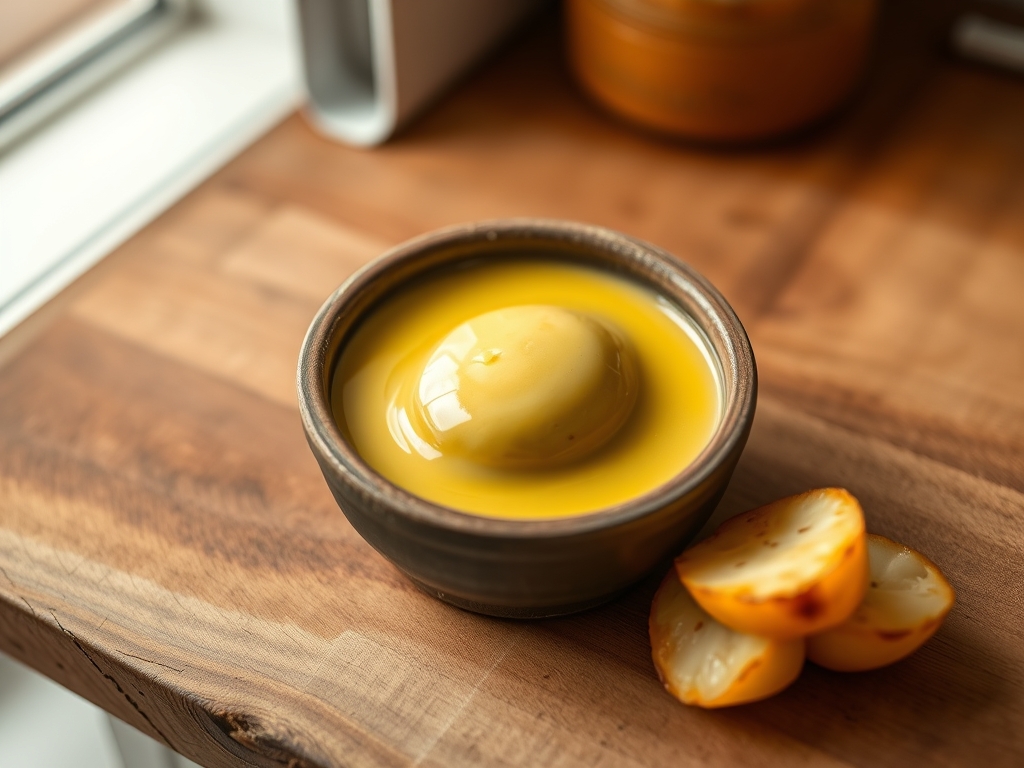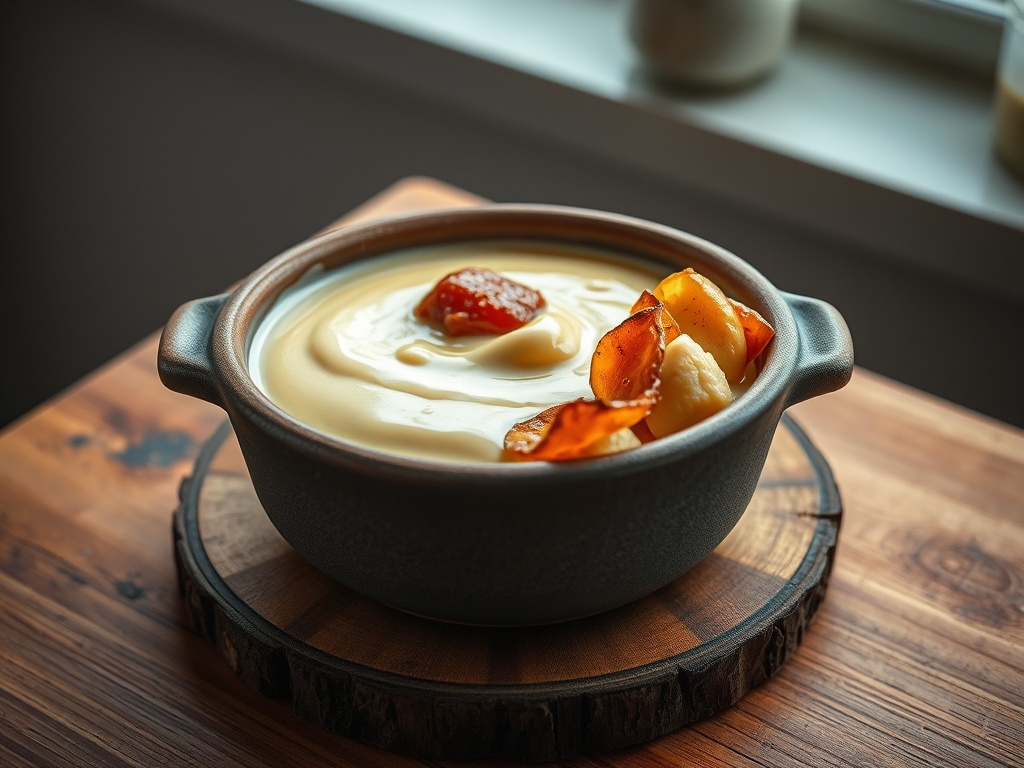
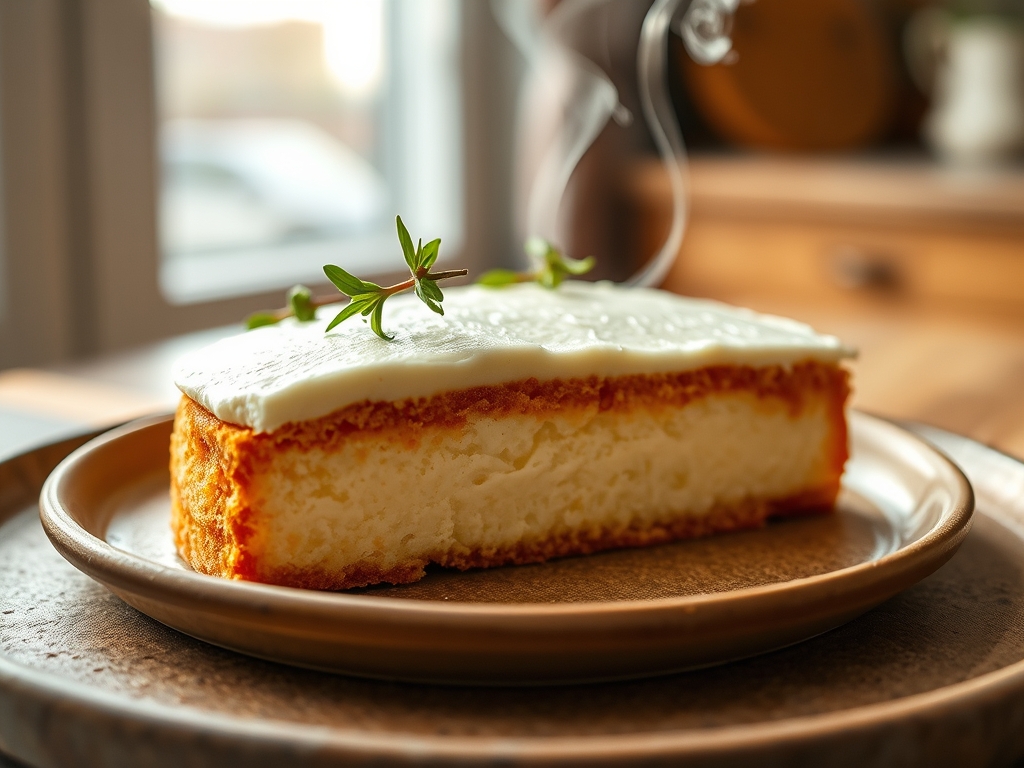
Imagine a structural marvel that defies the heavy, dense gravity of gluten free baking; a monolith of air held together by nothing but protein tension and sheer culinary will. This is the domain of Angel Food Cake Tech. We are not just baking a dessert here; we are engineering a stabilized foam suspension that must support its own weight without the skeletal framework of wheat. When you pull a perfect specimen from the oven, the crust should crackle with a delicate, sugary parchment texture while the interior remains a cloud-like matrix of interconnected air cells. The scent is pure, unadulterated nostalgia; toasted sugar and bright vanilla. But do not let the ethereal beauty fool you. This process is a high-stakes audit of your kitchen's atmospheric pressure and your own patience. We are leveraging the unique properties of albumen to create a viscous medium that captures air with the precision of a high-tech laboratory. If your peaks are too soft, the architecture fails. If your folding technique is too aggressive, the suspension collapses. Welcome to the masterclass in edible aerodynamics.
THE DATA MATRIX
| Metric | Specification |
|---|---|
| Prep Time | 25 mins |
| Execution Time | 45 mins |
| Yield | 10 Servings |
| Complexity (1-10) | 8 |
| Estimated Cost per Serving | $1.25 |
THE GATHERS
Ingredient Protocol:
- 300ml / 1.25 cups Egg Whites (Room Temperature)
- 300g / 1.5 cups Superfine Granulated Sugar
- 125g / 1 cup Certified Gluten Free Cake Flour Blend
- 5g / 1.5 tsp Cream of Tartar
- 2g / 0.25 tsp Fine Sea Salt
- 10ml / 2 tsp Pure Vanilla Extract
- 2ml / 0.5 tsp Almond Extract
Section A: Ingredient Quality Audit:
The primary failure point in Angel Food Cake Tech is fat contamination. Even a microscopic speck of yolk or a smudge of oil on your whisk will prevent the proteins from bonding. If your whites refuse to aerate, check your equipment for a greasy film. Use a lemon juice wipe-down on all surfaces to ensure a sterile environment. Furthermore, the granularity of your sugar matters. If using standard granulated sugar, pulse it in a food processor to reach a "caster" consistency. This ensures the crystals dissolve instantly into the protein lattice, preventing a grainy crumb or "weeping" during the bake. Finally, ensure your gluten free flour blend contains a high ratio of white rice flour and potato starch; heavy bean flours will sink the suspension like a lead weight.
THE MASTERCLASS
1. The Sterile Environment Setup
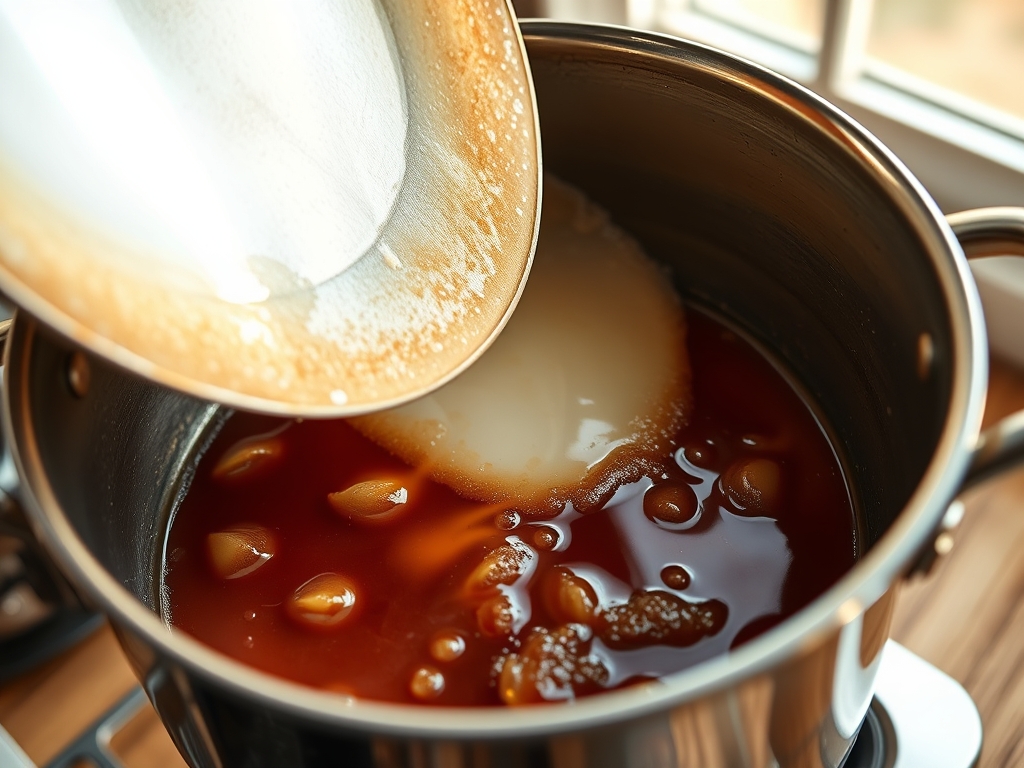
Before a single egg is cracked, you must audit your hardware. Use a stainless steel or glass bowl; plastic bowls often harbor hidden fat molecules in microscopic scratches. Wipe the bowl and the whisk attachment of your stand mixer with a paper towel dipped in white vinegar.
Pro Tip: Use a digital scale to measure your whites rather than a volume cup. Egg sizes vary wildly, and a 10g discrepancy can alter the hydration levels of your foam, leading to a rubbery texture.
2. Achieving the Soft Peak Threshold
Begin whisking the egg whites on medium-low speed. Once they become frothy and translucent, add the cream of tartar and salt. The cream of tartar acts as a chemical stabilizer, lowering the pH of the whites to allow the protein strands to stretch without snapping.
Pro Tip: Avoid the temptation to crank the mixer to high speed immediately. A slow build creates smaller, more uniform air bubbles, which results in a more stable viscous foam that won't collapse during the folding phase.
3. The Gradual Sugar Infusion
As the whites reach soft peaks, begin adding the superfine sugar one tablespoon at a time. This is where the Angel Food Cake Tech truly activates. The sugar bonds with the water in the whites, creating a syrup that coats the air bubbles and prevents them from popping.
Pro Tip: Use a saucier or a small dry measuring cup to sprinkle the sugar against the side of the bowl. This prevents a heavy "dump" of crystals from deflating the delicate structure you have built.
4. The Sifting and Folding Protocol
Sift your gluten free flour blend three times. This is not optional. You must infuse the flour with as much air as possible. Sift the final pass directly over the stiff peaks in three separate additions.
Pro Tip: Use a large silicone spatula or a bench scraper to fold. Cut through the center, scrape the bottom, and turn the mixture over. Do not stir. You are looking for a streak-free batter that still retains its vertical volume.
5. The Gravity-Defying Cool
Pour the batter into an ungreased tube pan. Do not grease the pan; the cake needs to "climb" the walls to achieve its height. Once baked, immediately invert the pan onto its legs or over a glass bottle.
Pro Tip: Cooling upside down prevents the weight of the cake from crushing the fragile air cells before the starches have fully set. Use a digital thermometer to ensure the internal temp has reached 205F (96C) before removal.
Section B: Prep & Timing Fault-Lines:
Temperature control is your silent partner. If your egg whites are cold, they will not reach maximum volume; they need to be at 70F (21C) for the proteins to relax and expand. If your oven temperature fluctuates, the air inside the cake will expand and contract too rapidly, causing the center to fall. Use an independent oven thermometer to verify your settings. Timing is also critical. Once the flour touches the foam, the clock is ticking. Prolonged folding leads to "over-mixing," which results in a tough, leathery crust rather than a delicate snap.
THE VISUAL SPECTRUM
Section C: Thermal & Visual Troubleshooting:
Look closely at the Masterclass photo. You should see a golden-brown exterior with deep, vertical fissures. If your cake is pale and sticky, you likely under-baked it or had too much humidity in the kitchen. If the cake has a "collapsed" waistline, it was likely removed from the pan before it was completely cool. A perfect slice should show a uniform distribution of tiny air pockets. Large, cavernous holes indicate that the batter was not properly "settled" with a knife or skewer before entering the oven to pop large air bubbles. If the top is burnt but the inside is raw, your oven rack was positioned too high; always bake in the lower third of the oven.
THE DEEP DIVE
Macro Nutrition Profile:
Per serving, this cake is a low-fat powerhouse. It typically contains 140 calories, 0g fat, 32g carbohydrates, and 4g protein. Because it relies on egg whites rather than butter or yolks, it is naturally cholesterol-free.
Dietary Swaps:
- Vegan: Replace egg whites with 300ml of reduced aquafaba (chickpea brine). Note that you must whip the aquafaba for significantly longer to achieve the same structural integrity.
- Keto: Substitute sugar with an erythritol/monk fruit blend and use almond flour mixed with unflavored whey protein isolate to mimic the starch structure.
- GF: Ensure your flour blend is free of xanthan gum, as the egg whites provide all the necessary binding.
Meal Prep & Reheating Science:
To maintain the molecular structure, store the cake in an airtight container at room temperature for up to two days. Do not refrigerate, as the starch retrogradation will cause the cake to become tough and dry. To "revive" a day-old slice, toast it lightly under a broiler for 30 seconds to re-caramelize the exterior sugars.
THE KITCHEN TABLE
Why did my cake fall out of the pan while inverting?
You likely greased the pan or used a non-stick surface. The batter requires a "grip" on the raw metal walls to maintain its structure while cooling. Ensure your pan is spotlessly clean and unlubricated.
Can I use liquid egg whites from a carton?
Carton whites are pasteurized at high heat, which denatures the proteins. While they may foam, they rarely achieve the stiff, stable peaks required for high-altitude Angel Food Cake Tech. Always use fresh, hand-separated whites.
My cake is very rubbery. What happened?
Over-beating the egg whites after adding the sugar can create a "meringue" texture that is too tough. Alternatively, using a flour blend with too much xanthan gum or starch can create a gummy, elastic crumb.
How do I get a clean slice without squishing it?
Never use a standard chef's knife. The pressure will collapse the air cells. Use a serrated bread knife and a gentle sawing motion, or use two forks to "pull" the cake apart into traditional, jagged servings.