Imagine a liquid gold suspension so delicate it threatens to dissolve into pure aroma if you blink too fast. This is the high stakes world of the Sabayon; a culinary miracle where ethanol and protein engage in a violent, high speed dance. We are not just making dessert here. We are managing a complex structural transformation where the Sabayon Aeration Data dictates the difference between a sad, weeping puddle and a towering, viscous cloud of decadent foam. The physics are brutal. You are fighting gravity with a wire whisk and a prayer, attempting to trap air inside a lattice of denatured egg yolk proteins while alcohol acts as both a flavor catalyst and a structural disruptor. When the heat hits that copper bowl, the expansion is exponential. The air bubbles swell, the yolks tighten, and the wine provides a piquant acidity that cuts through the richness like a surgical laser. This is the audit of the ultimate emulsion; a technical masterpiece that demands precision, stamina, and an obsessive eye for thermal stability.
THE DATA MATRIX
| Metric | Specification |
|---|---|
| Prep Time | 10 Minutes |
| Execution Time | 15 Minutes |
| Yield | 4 Servings |
| Complexity (1-10) | 8 |
| Estimated Cost per Serving | $2.50 |
THE GATHERS
Ingredient Protocol:
- 4 Large Egg Yolks (approx. 72g)
- 65g / 1/3 cup Superfine Sugar
- 120ml / 1/2 cup Dry Marsala or Champagne
- 2ml / 1/2 tsp Vanilla Bean Paste
- 1g / pinch Fine Sea Salt
Section A: Ingredient Quality Audit:
If your yolks are pale and watery, your structure will fail before you even reach the stove. Low quality eggs lack the lecithin density required to aerate properly. The fix is a "Yolk Fortification" technique; add one extra yolk to increase the phospholipid count. If your wine is too acidic or "corked," the ethanol will break the protein bonds prematurely, leading to a grainy texture. Always use a wine you would actually drink. For those using granulated sugar that feels like gravel, pulse it in a spice grinder for three seconds. Large crystals take too long to dissolve, which delays the onset of the Sabayon Aeration Data peaks and risks overcooking the eggs while you wait for the grit to vanish.
THE MASTERCLASS
1. The Bain-Marie Configuration
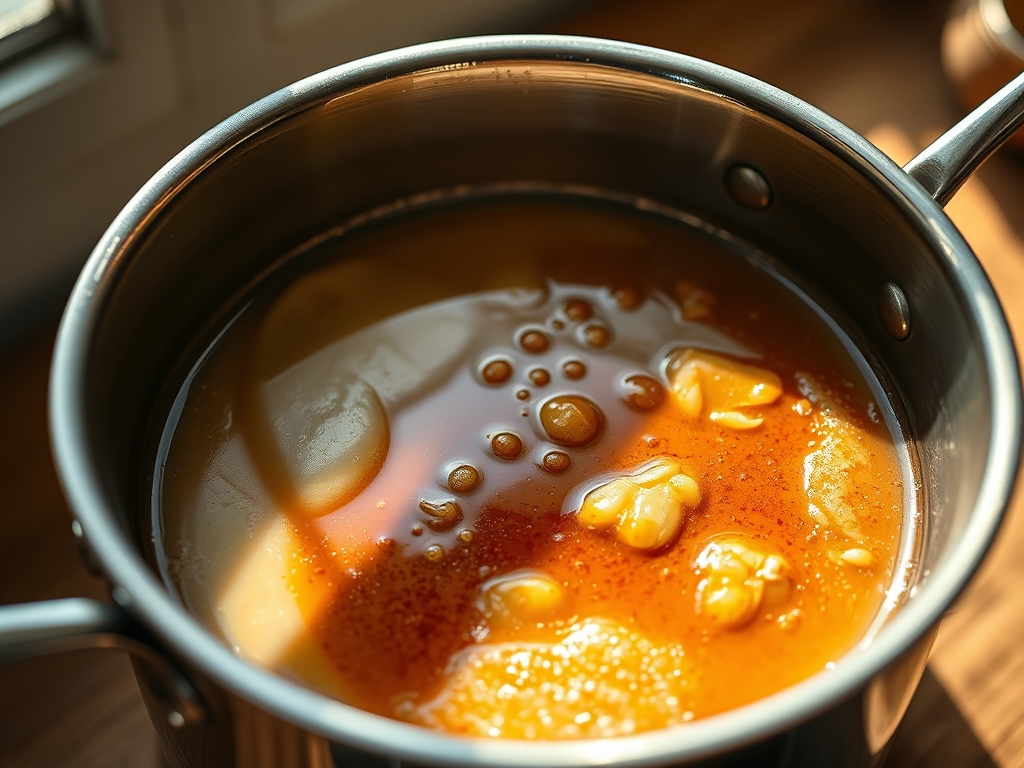
Set a stainless steel or copper bowl over a saucepan of simmering water. Ensure the bottom of the bowl does not touch the liquid. This creates a buffer of steam that prevents the yolks from scrambling.
Pro Tip: Use a heavy bottomed saucier for the water base to ensure even heat distribution. The science here involves indirect conduction; if the metal gets too hot, the proteins coagulate into solids rather than stretching into a film.
2. The Primary Emulsification
Combine the yolks, sugar, and salt in the bowl. Use a balloon whisk to beat the mixture until it turns a pale, creamy yellow. This is the "ribbon stage" where the sugar has fully dissolved into the yolk fats.
Pro Tip: Use a digital scale to measure your ingredients. Volumetric measurements are for amateurs. Precision in the sugar to yolk ratio is vital for maintaining the osmotic pressure needed to stabilize the foam.
3. The Ethanol Infusion
Slowly stream in the wine while whisking constantly. The mixture will initially look thin and bubbly; this is the induction phase where the Sabayon Aeration Data begins to track the volume increase.
Pro Tip: Switch to a high frequency "figure eight" whisking motion. This maximizes the surface area of the whisk wires against the bowl, allowing you to infuse more air into the mixture per stroke.
4. The Thermal Expansion
Continue whisking over the steam for 8 to 10 minutes. The custard will thicken and grow three to four times in volume. You are looking for a temperature of 160 degrees Fahrenheit (71 Celsius).
Pro Tip: Keep an instant read thermometer or a thermal probe nearby. Once you hit the "Soft Peak" threshold, the proteins are at their maximum elasticity. Exceeding this temperature will cause the moisture to evaporate, leaving you with a rubbery mess.
5. The Finishing Gloss
Once the whisk leaves a distinct trail in the foam, remove the bowl from the heat. Continue whisking for another 60 seconds to stabilize the bubbles as the temperature drops slightly.
Pro Tip: Use a silicone bench scraper to clean the sides of the bowl. This ensures that no overcooked bits of egg are folded back into the pristine, viscous center of the Sabayon.
Section B: Prep & Timing Fault-Lines:
The most common failure is "The Stall," where the cook stops whisking to answer a text or check the oven. In those ten seconds, the eggs at the bottom of the bowl reach 180 degrees and solidify. If you see tiny yellow flecks, you have failed the audit. Another timing error is the "Early Pull," where the cook panics because the foam looks big. If the foam is not cooked long enough, the air bubbles will pop within minutes of plating, leaving a layer of raw wine at the bottom of the glass.
THE VISUAL SPECTRUM
Section C: Thermal & Visual Troubleshooting:
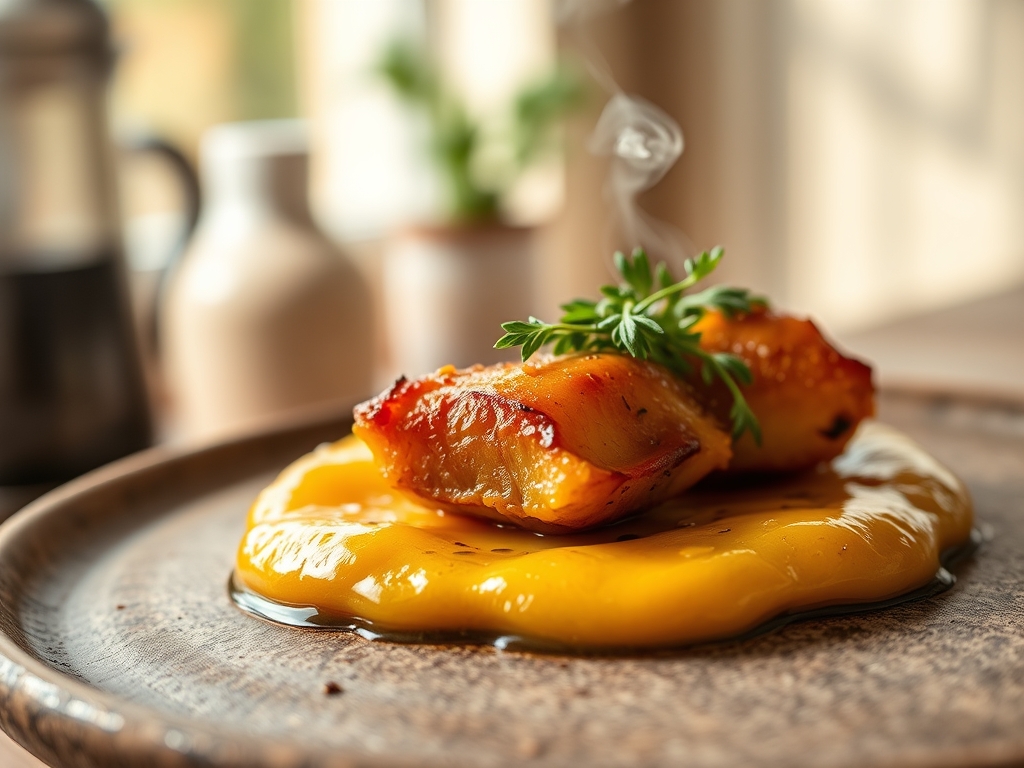
Look at the Masterclass photo above. Note the "Satin Sheen" on the surface. If your Sabayon looks matte or dull, you have likely over-aerated it, breaking the fat globules. If the color is translucent rather than opaque, the egg proteins haven't denatured enough to trap light. To fix a dull appearance, whisk in a teaspoon of cold wine at the very end to "shock" the emulsion back to a glossy state. If you see "weeping" (liquid separating at the edges), your heat was too low. The proteins didn't form a strong enough cage to hold the liquid. Re-whisk over higher heat immediately to attempt a structural recovery.
THE DEEP DIVE
Macro Nutrition Profile:
A standard serving contains approximately 180 calories, 6g of protein, 12g of fat, and 14g of carbohydrates. While high in cholesterol, the lecithin content provides essential choline for brain health.
Dietary Swaps:
- Vegan: Replace yolks with aquafaba (chickpea liquid) and use a pinch of xanthan gum to mimic the protein lattice. Use a sweet dessert wine to compensate for the lack of fat.
- Keto: Swap superfine sugar for powdered erythritol or monk fruit sweetener. Ensure the wine is a bone-dry variety to keep the glycemic load low.
- GF: Naturally gluten free; just ensure your wine hasn't been aged in barrels sealed with wheat paste.
Meal Prep & Reheating Science:
Sabayon is a "live" structure and does not reheat well. The molecular cage collapses once the air cools and the proteins tighten. However, you can fold a collapsed Sabayon into whipped cream to create a "Sabayon Chantilly" which can be stored in the fridge for 24 hours.
THE KITCHEN TABLE
Can I use a hand mixer instead of a whisk?
Yes, but you lose the tactile feedback. A hand mixer can easily over-process the foam, leading to a "dry" texture. Use the lowest speed and stop frequently to check the Sabayon Aeration Data benchmarks manually.
Why did my Sabayon turn out grainy?
This usually happens because the sugar didn't dissolve before the heat was applied. The sugar crystals become "cooked" into the egg proteins. Always ensure the "ribbon stage" is reached before placing the bowl over the steam.
What is the best wine for a beginner?
A sweet Moscato d'Asti is forgiving. The natural sugars help stabilize the foam, and the lower alcohol content reduces the risk of the ethanol breaking the emulsion prematurely. It provides a beautiful, floral piquant finish.
How do I save a Sabayon that is starting to scramble?
Immediately remove the bowl from the heat and whisk in one tablespoon of heavy cream or cold wine. This drops the temperature instantly and can sometimes re-emulsify the proteins before they fully solidify into "scrambled eggs."