Forget everything you thought you knew about the humble chickpea. We are not here for the hummus; we are here for the viscous gold trapped within the brine. This is the ultimate Aquafaba Foam Audit, a high stakes investigation into the structural integrity of legume based aeration. If you have ever watched a vegan meringue collapse into a puddle of sadness, you have witnessed a structural failure of the highest order. We are treating your kitchen like a laboratory today. We are looking for peak stability, tight micro bubbles, and a gloss that rivals a fresh coat of automotive paint. This is not just cooking; it is an exercise in protein denaturation and mechanical friction. We are going to harness the saponins and globulins naturally present in chickpea water to create a lattice so strong it can support the weight of your culinary ambitions. Prepare for a sensory overload as we transform a byproduct into a masterpiece of molecular engineering.
THE DATA MATRIX
| Metric | Specification |
|---|---|
| Prep Time | 5 Minutes |
| Execution Time | 15 Minutes |
| Yield | 4 Cups of Stiff Foam |
| Complexity (1-10) | 7 |
| Estimated Cost per Serving | $0.15 |
THE GATHERS
Ingredient Protocol:
- 150ml / 0.63 cups Chilled Aquafaba (Liquid from canned chickpeas)
- 1/2 tsp / 2.5g Cream of Tartar (Potassium bitartrate)
- 100g / 0.5 cups Superfine Caster Sugar
- 5ml / 1 tsp Pure Vanilla Extract
- 1g / 0.25 tsp Fine Sea Salt
Section A: Ingredient Quality Audit:
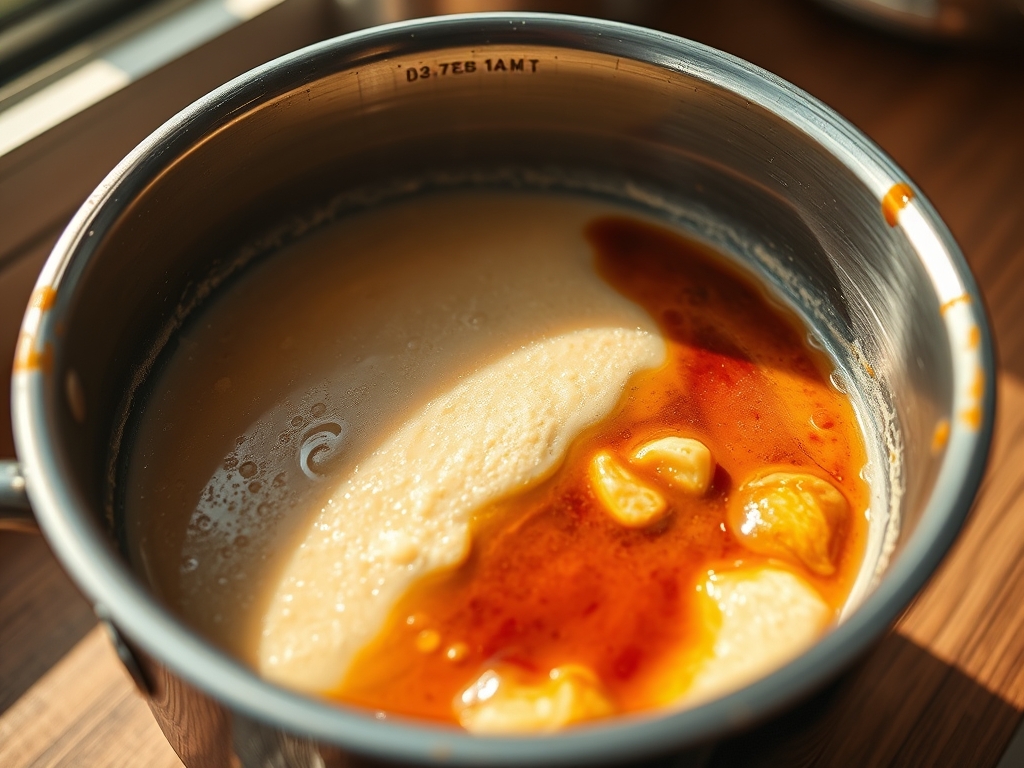
The primary failure point in an Aquafaba Foam Audit is the viscosity of the raw material. If your chickpea liquid is watery and translucent, your foam will lack the protein density required for long term stability. To fix this, render the liquid in a small saucier over medium heat until it reduces by one third. This concentrates the proteins. Furthermore, ensure your mixing bowl is completely free of residual fats. Even a microscopic trace of oil will sabotage the aeration process by interfering with the protein bonds. Wipe your equipment with lemon juice or white vinegar before starting to ensure a pristine environment.
THE MASTERCLASS
1. The Initial Agitation
Place your chilled aquafaba and salt into the bowl of a stand mixer. Use a digital scale to ensure your measurements are precise to the gram. Begin whisking on medium low speed to break the surface tension.
Pro Tip: Starting at a lower speed allows for the formation of smaller, more uniform bubbles. This creates a more stable foundation than high speed agitation, which produces large, fragile air pockets that are prone to popping.
2. Acidic Stabilization
Once the liquid becomes frothy and resembles soap suds, add the cream of tartar. This acidic component lowers the pH of the mixture, which helps the proteins denature and bond together more effectively.
Pro Tip: The potassium bitartrate acts as a structural reinforcement. In professional pastry kitchens, this is the "insurance policy" that prevents the foam from weeping or syneresis during the folding process.
3. High Velocity Aeration
Increase the mixer speed to high. Continue to aerate the mixture until soft peaks begin to form. The liquid will transition from a dull tan to a brilliant, opaque white.
Pro Tip: Use a professional grade balloon whisk attachment. The increased surface area of the wires maximizes the air incorporation per rotation, significantly reducing the time required to reach the desired volume.
4. Sequential Sugar Integration
With the mixer running, add the caster sugar one tablespoon at a time. Do not dump it all in at once, as the weight will deflate the delicate structure you have built.
Pro Tip: Caster sugar is preferred over granulated sugar because its smaller crystals dissolve faster. This prevents a gritty texture and ensures the sugar can properly infuse into the moisture of the foam, creating a glossy finish.
5. The Stiff Peak Finality
Continue whisking until the foam is thick, glossy, and holds a stiff peak when the whisk is lifted. Add the vanilla extract in the final thirty seconds of mixing.
Pro Tip: Use a bench scraper to clean the sides of the bowl midway through to ensure all sugar is incorporated. You are looking for a texture that mimics heavy shaving cream; it should be firm enough to hold its shape indefinitely.
Section B: Prep & Timing Fault-Lines:
Temperature is the silent killer of the Aquafaba Foam Audit. If your aquafaba is room temperature, the proteins are more relaxed and less likely to trap air efficiently. Always use chilled liquid directly from the refrigerator. Additionally, over beating can actually cause the protein strands to snap, leading to a grainy, broken texture. Stop the mixer the moment you achieve stiff peaks. If the mixture begins to look "chunky" or loses its gloss, you have pushed the mechanical friction too far.
THE VISUAL SPECTRUM
Section C: Thermal & Visual Troubleshooting:
In the reference photo, you will notice the foam possesses a reflective, pearlescent sheen. If your foam appears matte or dull, it is likely a result of undissolved sugar or insufficient aeration. If you are baking this foam (for meringues or pavlova), uneven browning is a sign of hot spots in your oven or residual moisture in the foam. Ensure you use a convection setting if available to circulate dry air. If the foam collapses during baking, the oven temperature was likely too high, causing the air inside the bubbles to expand too rapidly and rupture the protein walls before they could set.
THE DEEP DIVE
Macro Nutrition Profile:
Aquafaba is remarkably low in calories, consisting mostly of water and trace amounts of protein and fiber. A standard serving of this foam contains approximately 30 calories, 0g fat, 7g carbohydrates (from sugar), and 0.2g protein. It is an ideal low fat alternative to traditional dairy based whipped creams.
Dietary Swaps (Vegan/Keto/GF):
This recipe is naturally vegan and gluten free. To make it Keto friendly, swap the caster sugar for a powdered erythritol or monk fruit sweetener. Note that alternative sweeteners may slightly alter the final gloss and stability, so increase the cream of tartar by a pinch to compensate.
Meal Prep & Reheating Science:
Aquafaba foam is best used immediately. However, if you must store it, place it in an airtight container in the fridge for up to 24 hours. You may need to briefly re whisk it to restore the volume. Do not attempt to reheat the raw foam, as heat will cause the proteins to collapse instantly unless they have been stabilized by a baking process.
THE KITCHEN TABLE
Can I use the liquid from home cooked chickpeas?
Yes, but you must reduce it significantly. Home cooked liquid is usually too dilute. Simmer it until it reaches the consistency of egg whites. This ensures the protein concentration is high enough for a successful Aquafaba Foam Audit.
Why does my foam smell like beans?
The scent is strongest when the liquid is cold and raw. Once you add sugar and vanilla, the "beany" aroma dissipates. If you are using it for a savory application, skip the sugar and add piquant spices to mask the scent.
Is cream of tartar absolutely necessary?
While not strictly required, it is highly recommended for stability. Without it, your foam will be much more fragile and prone to collapsing within minutes. Lemon juice can work as a substitute, but it adds unwanted moisture.
Can I over whip aquafaba?
Unlike egg whites, which can turn dry and crumbly, aquafaba is more forgiving. However, extreme over whipping can still cause the structure to break down. Watch for the loss of gloss as your primary indicator to stop the mixer.