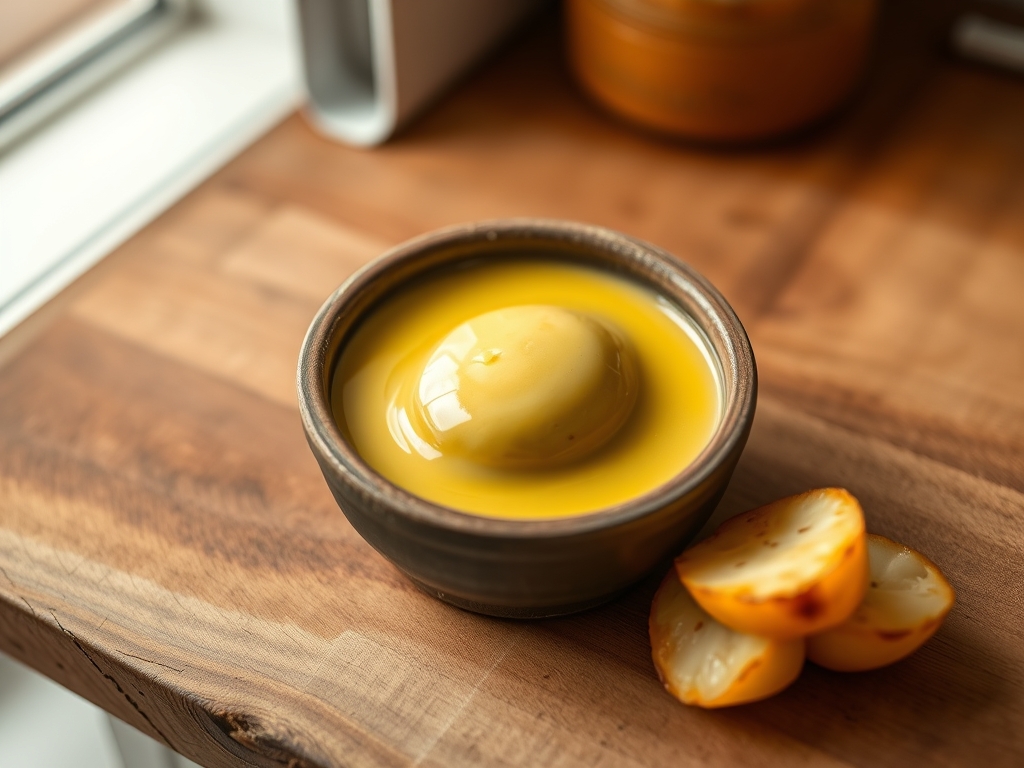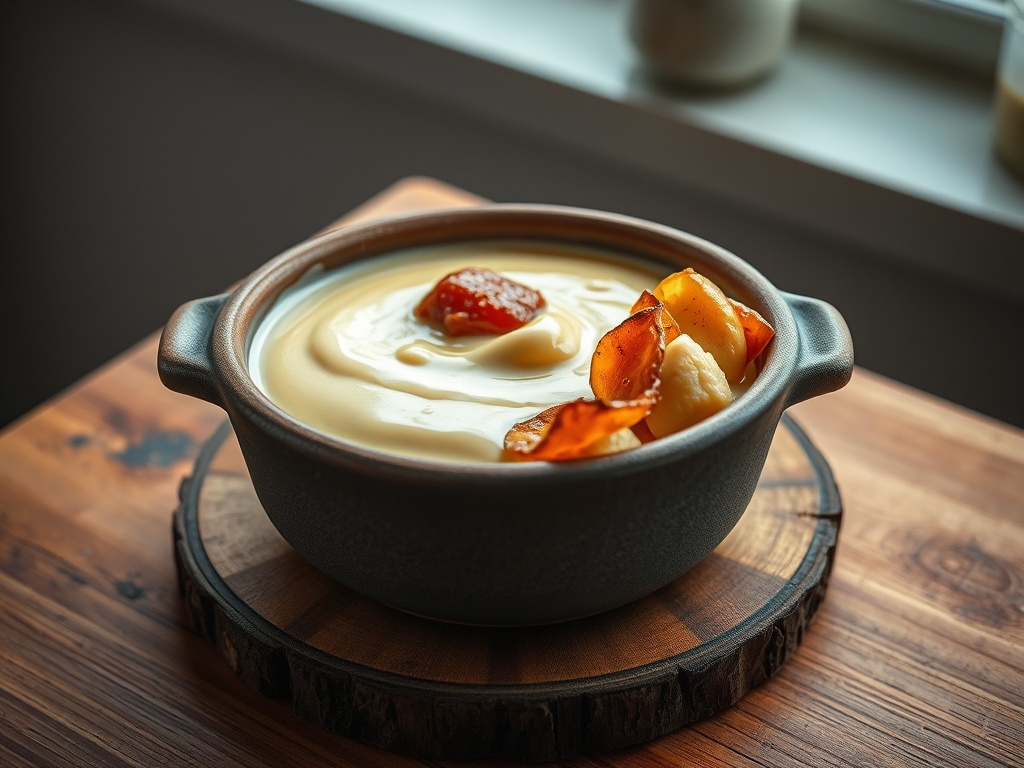

Stop settling for the grainy, weeping mess that masquerades as a dip at your local bistro. We are here to talk about structural integrity. When we discuss the ultimate Whipped Feta Texture, we are not just mashing cheese with a fork; we are engineering a stable lipid emulsion that defies the laws of gravity. This is about the precise intersection of lactic acidity and high-shear aeration. You want a dip that is as light as a summer cloud but possesses the structural backbone of a Roman arch.
The secret lies in the brine. That salty, piquant liquid is not waste; it is a molecular stabilizer. By harnessing the power of a high-speed blade, we force fat globules from the sheep's milk into a suspension with Greek yogurt and citrus. The result is a viscous, velvet-like spread that clings to a pita chip like a long-lost friend. If your current appetizer game feels flat, it is because you lack the infrastructure to support your culinary ambitions. Let's rebuild your dairy foundation from the ground up.
THE DATA MATRIX
| Metric | Specification |
|---|---|
| Prep Time | 10 Minutes |
| Execution Time | 5 Minutes |
| Yield | 650g (Approx. 2.5 Cups) |
| Complexity | 3 / 10 |
| Estimated Cost per Serving | $1.15 |
THE GATHERS
Ingredient Protocol:
- 225g / 8oz High-quality Feta (Stored in brine)
- 120ml / 0.5 cup Full-fat Greek Yogurt (Strained)
- 60ml / 4 tbsp Extra Virgin Olive Oil (Cold-pressed)
- 15ml / 1 tbsp Fresh Lemon Juice
- 2g / 0.5 tsp Lemon Zest (Microplaned)
- 1 clove Fresh Garlic (Grated)
- 2g / 0.25 tsp Dried Oregano
- Optional: 15ml / 1 tbsp Honey for floral contrast
Section A: Ingredient Quality Audit:
The most common failure point is the feta itself. If you purchase pre-crumbled cheese, you have already lost the war. Pre-crumbled varieties are coated in anti-caking agents like cellulose, which act as a mechanical barrier to emulsification. These starches prevent the proteins from bonding, resulting in a gritty, sandy mouthfeel. Always buy block feta preserved in brine. If your cheese feels excessively rubbery, it is likely a cow's milk imitation. For the authentic, sharp profile that defines this dish, seek out a sheep and goat milk blend. If the yogurt is too watery, your emulsion will break into a liquid puddle; fix this by straining the yogurt through a cheesecloth for 20 minutes before use to ensure a thick, viscous starting point.
THE MASTERCLASS
1. Temperature Calibration and Prep
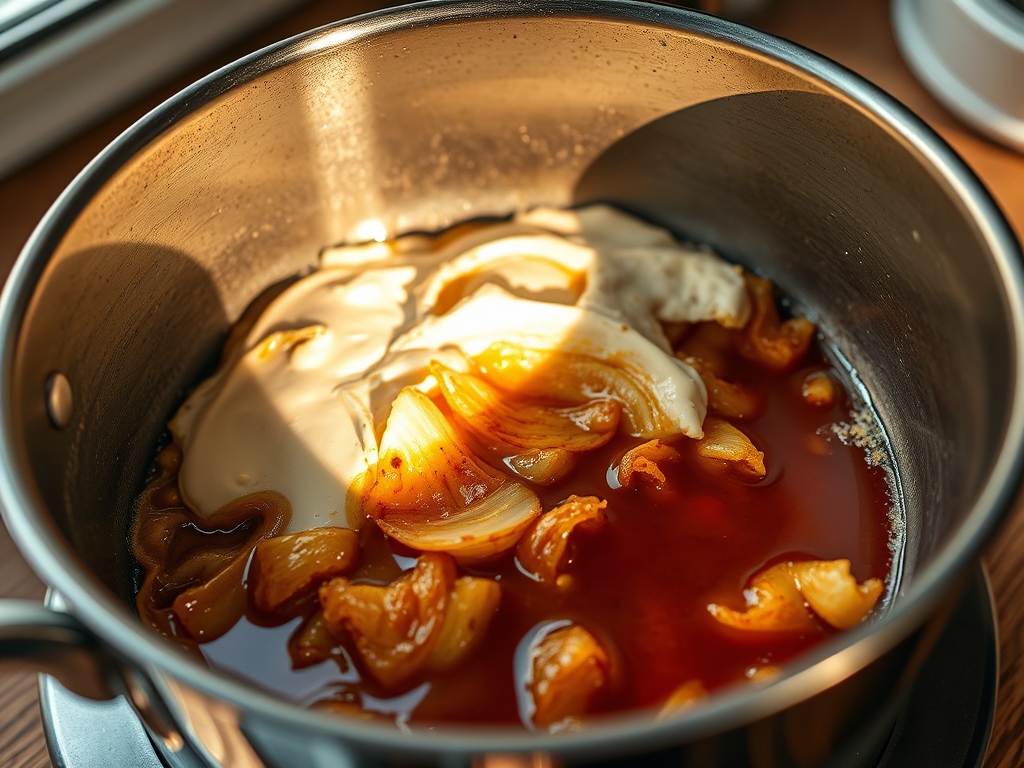
Begin by bringing your feta and yogurt to room temperature. Attempting to emulsify cold fats often leads to a "broken" look where the oil separates from the protein. Use your digital scale to measure ingredients by weight rather than volume; precision is the hallmark of the professional. Use a bench scraper to roughly break the block of feta into uniform chunks to assist the motor of your food processor.
Pro Tip: Standardizing the temperature of your ingredients reduces the kinetic energy required for the blades to incorporate the fats. This prevents the motor from overheating the delicate dairy proteins, which can cause the fat to render out prematurely.
2. The Primary Shearing Phase
Place the feta chunks and the garlic into the bowl of a high-speed food processor or blender. Pulse the machine five to seven times to break the cheese into fine, uniform crumbles. Do not add the liquid yet. You are looking for a "snow" consistency.
Pro Tip: This dry-shearing phase ensures that no large "islands" of unblended cheese remain. In professional kitchens, we call this "maximizing surface area" to ensure every protein molecule is ready to bond with the incoming lipids.
3. Introducing the Emulsifiers
Add the Greek yogurt, lemon juice, and zest. Turn the processor to high speed and let it run for a full 60 seconds. While the motor is running, slowly stream in the olive oil. This is where the magic happens; the oil is being shattered into microscopic droplets that are then trapped by the yogurt's protein matrix.
Pro Tip: The slow stream of oil is critical. If you dump it in all at once, you overwhelm the emulsion and end up with a greasy soup. This process is identical to making a mayonnaise or a hollandaise.
4. Aeration and Final Polish
Once the mixture looks smooth, stop the machine and use a silicone spatula to scrape down the sides. Taste for seasoning. Feta is naturally salty, so you likely will not need extra sodium, but a crack of black pepper can add depth. Run the processor for one final 30-second burst on the highest setting to aerate the mixture, folding air into the structure.
Pro Tip: That final burst of speed incorporates air bubbles that lighten the density. This is how you achieve that signature cloud-like Whipped Feta Texture seen in high-end Mediterranean plating.
Section B: Prep & Timing Fault-Lines:
Timing is the silent killer of texture. If you over-process the mixture, the blades generate friction heat. If the temperature of the dip exceeds 32 degrees Celsius (90 degrees Fahrenheit), the milk solids will begin to separate from the water, and the dip will "weep" or leak liquid. If you notice the mixture becoming too warm, stop immediately and place the entire blender bowl in the refrigerator for ten minutes. Conversely, if the mixture is too thick to move, do not add water; add a teaspoon of the reserved feta brine. The brine contains dissolved proteins that help maintain the emulsion while thinning the consistency.
THE VISUAL SPECTRUM
Section C: Thermal & Visual Troubleshooting:
Referencing the Masterclass photo above, your final product should exhibit a soft, matte finish with gentle peaks that hold their shape. If your dip looks shiny or "sweaty," your emulsion has broken, and the oil is sitting on the surface. To fix a broken emulsion, whisk in a teaspoon of warm yogurt by hand. If the color looks dull or greyish, you likely over-blended the dried herbs, which "bled" their chlorophyll into the white base. Always fold in your dried oregano or garnish at the very end to maintain that pristine, ivory visual. If the texture looks "curdled," it is usually a sign of high acidity reacting with low-fat dairy; always use full-fat yogurt to provide enough lipid cushioning to prevent acid-coagulation.
THE DEEP DIVE
Macro Nutrition Profile:
Per 50g serving: 145 Calories, 12g Fat, 4g Protein, 3g Carbohydrates. The high fat content is primarily monounsaturated from the olive oil, making this a heart-healthy choice despite its indulgent mouthfeel.
Dietary Swaps:
- Vegan: Substitute the feta with a firm, pressed almond-based "cheese" and use a coconut milk yogurt. Increase the lemon juice slightly to mimic the lactic tang of traditional feta.
- Keto: This recipe is naturally keto-friendly. Serve with sliced cucumbers or radishes instead of bread.
- GF: Naturally gluten-free. Ensure your spices are certified to avoid cross-contamination.
Meal Prep & Reheating Science:
Whipped feta should never be "reheated" in a microwave; the intense heat will cause the fats to render and the proteins to rubberize. If you have made it in advance, store it in an airtight container for up to 5 days. Upon removal from the fridge, the dip will be firm. Let it sit at room temperature for 15 minutes, then give it a vigorous whip with a spoon to re-incorporate the air and restore the original viscous texture.
THE KITCHEN TABLE
Why is my whipped feta grainy?
This usually occurs when using pre-crumbled cheese or low-fat yogurt. The lack of fat prevents the proteins from gliding smoothly. Always use full-fat ingredients and block cheese for a superior, silky Whipped Feta Texture.
Can I use a stand mixer instead of a processor?
A stand mixer with a whisk attachment can work, but it will not break down the cheese solids as effectively. You will end up with a "chunky" whip rather than a smooth emulsion. A food processor is the superior tool here.
How do I make it even fluffier?
Fold in 60ml of whipped heavy cream at the very end. This adds a "mousse" quality to the dip. However, this will slightly dilute the sharp, piquant flavor of the feta, so adjust your seasonings accordingly.
Why did my dip turn liquid in the fridge?
This is syneresis, where the protein network collapses and releases trapped water. This happens if the yogurt wasn't thick enough. Simply stir it back together or strain the entire mixture through a fine mesh sieve.