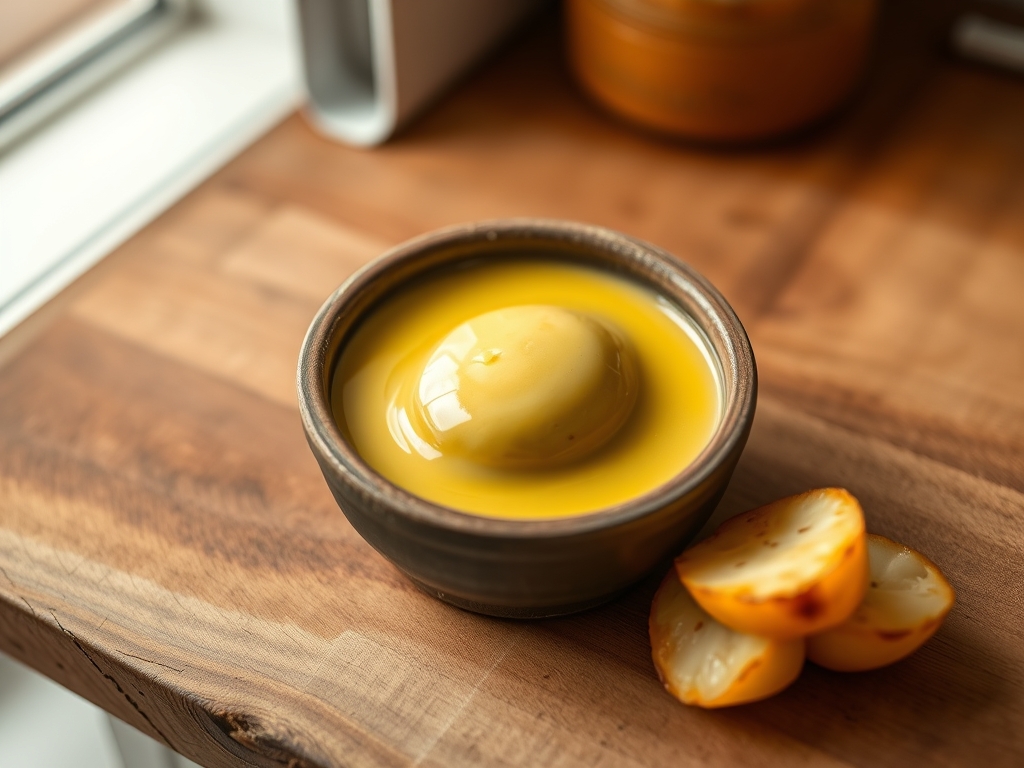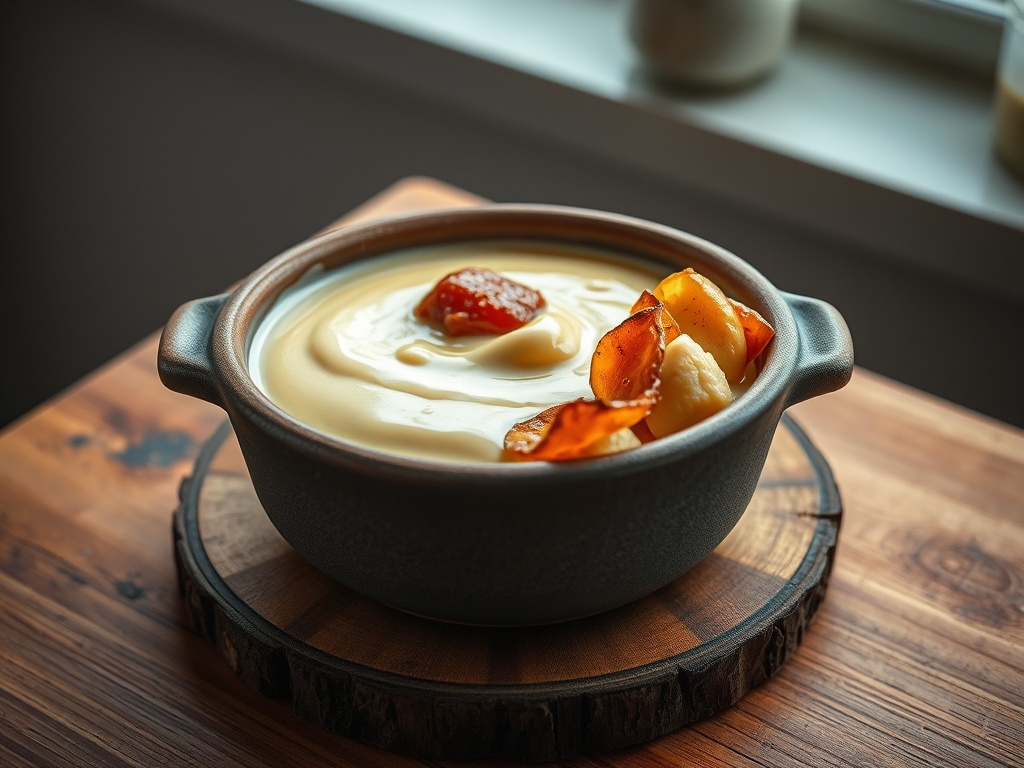
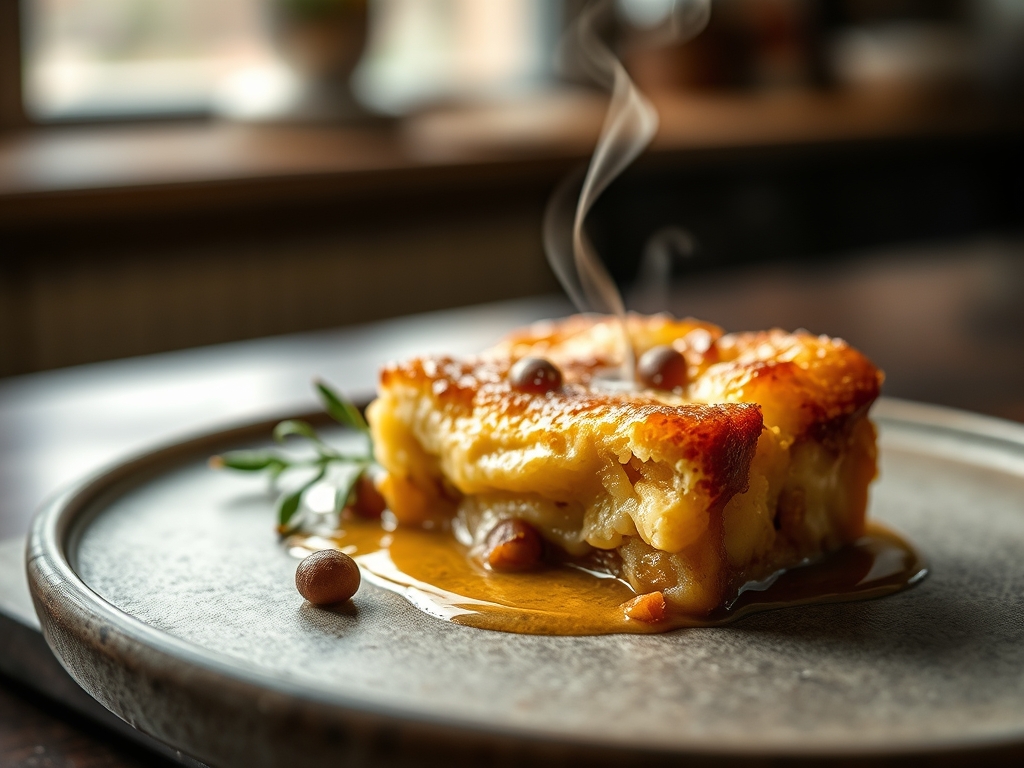
Stop settling for that tragedy of soggy, leaden crumbs masquerading as a dessert. We are here to talk about the structural integrity of the custard matrix and the absolute necessity of Bread Pudding Fluidity. If your pudding has the consistency of a wet brick, you have failed the audit. A true masterpiece requires a delicate balance where the bread remains distinct yet saturated; it must quiver with a viscous grace that suggests a liquid state while maintaining a solid form. We are engineering a thermal event where the sugars render into a golden crust and the interior remains a lush, custardy dreamscape. This is not grandmother's "toss it in a pan" logic. This is a technical interrogation of starch saturation. We are looking for that specific moment where the bread cell structure yields to the custard without collapsing into a homogenous mush. It requires precision, high-quality fats, and a refusal to compromise on the hydration levels of your loaf. Let us calibrate the ovens and prepare the saucier.
THE DATA MATRIX
| Metric | Specification |
|---|---|
| Prep Time | 25 Minutes |
| Execution Time | 50 Minutes |
| Yield | 8 Servings |
| Complexity (1-10) | 6 |
| Estimated Cost per Serving | $1.45 |
THE GATHERS
Ingredient Protocol:
- 500g / 1 lb Stale Brioche or Challah (cut into 1-inch cubes)
- 500ml / 2 cups Whole Milk
- 250ml / 1 cup Heavy Cream
- 4 Large Egg Yolks (tempered)
- 150g / 3/4 cup Granulated Sugar
- 5g / 1 tsp Sea Salt
- 10ml / 2 tsp Vanilla Bean Paste
- 50g / 3.5 tbsp Unsalted Butter (melted)
- 2g / 0.5 tsp Ground Nutmeg (freshly grated)
Section A: Ingredient Quality Audit:
If your bread is fresh, you are already in a deficit. Fresh bread lacks the capillary action needed for proper Bread Pudding Fluidity. To fix this, spread your cubes on a sheet pan and dehydrate them in a 150F oven for 20 minutes. If your dairy is low-fat, your custard will lack the viscous mouthfeel required for a professional grade result. Never use "egg product" from a carton; the lack of lecithin will prevent proper emulsification. If the mixture feels thin, whisk in an extra yolk to increase the fat-to-protein ratio, ensuring a silky set.
THE MASTERCLASS
1. The Hydration Phase
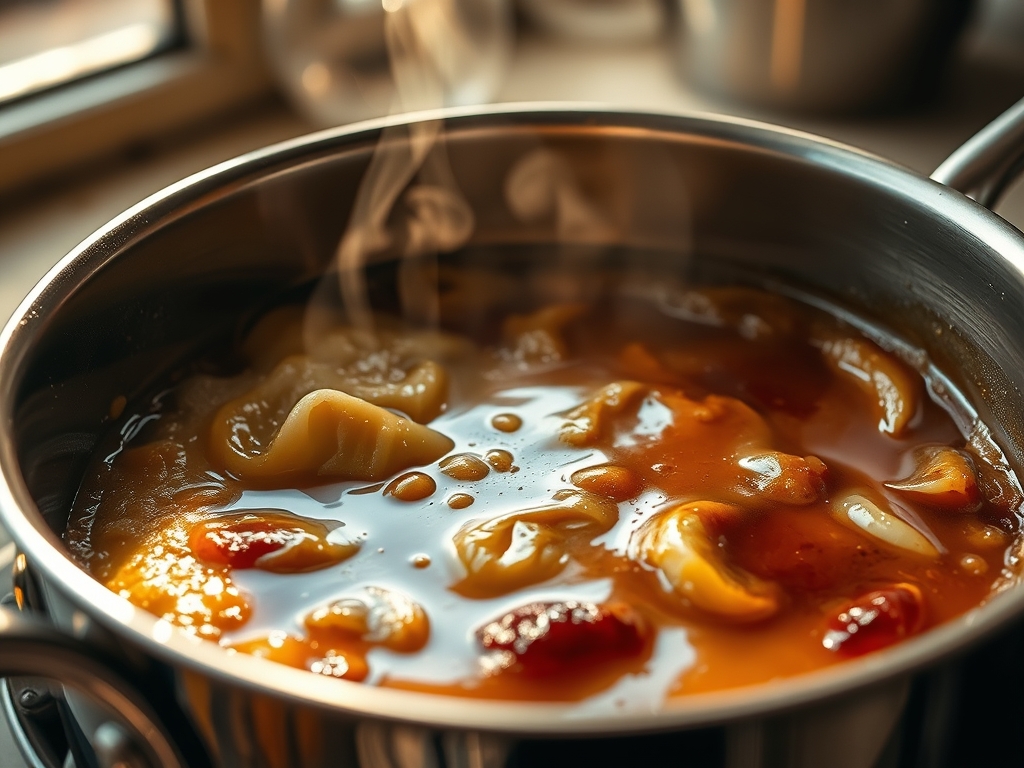
Place your bread cubes into a large stainless steel bowl. Using a digital scale, measure your dairy and sugar into a saucier. Heat until the sugar dissolves and the liquid reaches 110F. Pour this over the bread and use a bench scraper or large silicone spatula to gently fold the cubes, ensuring every surface is coated.
Pro Tip: This is the "soak period." Allowing the bread to sit for 15 minutes before baking ensures the starch granules swell uniformly, preventing a dry center. This is the foundation of Bread Pudding Fluidity.
2. The Custard Emulsion
In a separate bowl, whisk your yolks, salt, and vanilla. Slowly stream in 100ml of the warm milk mixture to temper the eggs. This prevents scrambling. Once tempered, fold the egg mixture back into the main bread vessel.
Pro Tip: Using a saucier with rounded edges allows for better whisking coverage, ensuring no yolk pockets remain unmixed. The salt here is not just for flavor; it assists in denaturing the proteins for a smoother set.
3. The Thermal Saturation
Butter a ceramic baking dish generously. Transfer the mixture into the dish, ensuring an even distribution. Do not pack it down; you want air pockets to infuse with steam. Grate fresh nutmeg over the top for a piquant aromatic profile. Bake at 350F (175C) for 45 to 50 minutes.
Pro Tip: Use an instant-read thermometer to check the internal temperature. You are looking for 170F. At this point, the custard has coagulated but remains tender, maintaining the structural fluidity we demand.
Section B: Prep & Timing Fault-Lines:
The most common human error is the "Rushed Soak." If the liquid is not given time to penetrate the crust of the bread, the exterior will burn while the interior remains a dry sponge. Conversely, over-mixing will aerate the custard too much, leading to a souffle-like rise and subsequent collapse. Keep your movements deliberate. If the oven temperature is too high, the edges will render fat too quickly, leading to a greasy, broken emulsion.
THE VISUAL SPECTRUM
Section C: Thermal & Visual Troubleshooting:
Referencing the Masterclass photo, you should observe a "Golden-Hour" crust. If your pudding looks pale, your sugar-to-protein ratio is off, or your oven's top heating element is failing. If the pudding looks "weepy" (liquid pooling at the bottom), you have overbaked it, causing the protein network to tighten and squeeze out the moisture. A dull, matte surface indicates a lack of fat; a quick brush of melted butter five minutes before the timer ends will restore that professional sheen. The ideal visual cue is a slight wobble in the center when the dish is gently shaken, indicating the custard is set but fluid.
THE DEEP DIVE
Macro Nutrition Profile:
A standard serving contains approximately 420 calories, 22g of fat, 48g of carbohydrates, and 9g of protein. This is a high-energy density fuel source designed for maximum sensory impact.
Dietary Swaps:
For a Vegan Audit, replace dairy with full-fat coconut milk and eggs with a commercial starch-based binder or silken tofu puree. For Gluten-Free requirements, utilize a dense GF brioche, though you must increase the hydration by 15% to account for the higher starch absorbency of alternative flours.
Meal Prep & Reheating Science:
To maintain the molecular structure, never reheat in a microwave. The localized molecular friction will turn the bread rubbery. Instead, use a 300F oven for 12 minutes with a splash of cream added to the surface to restore the viscous nature of the custard. This re-hydrates the starch and softens the fats without breaking the emulsion.
THE KITCHEN TABLE
Why is my bread pudding dry in the middle?
You likely skipped the 15-minute soak or used bread that was too thick. The custard must fully saturate the starch cells before the heat of the oven sets the exterior proteins.
Can I use skim milk for a lighter version?
Negative. Bread Pudding Fluidity relies on milk fats to create a velvety mouthfeel. Skim milk will result in a watery, translucent liquid that fails to bond with the bread fibers.
What is the best bread for this audit?
Brioche is the gold standard. Its high butter and egg content ensures the bread remains tender even after the second bake, providing a rich, luxurious texture.
How do I get a crispy top?
Sprinkle a thin layer of turbinado sugar over the surface in the last ten minutes. The large crystals will caramelize into a glass-like "brulee" crust that contrasts perfectly with the soft interior.