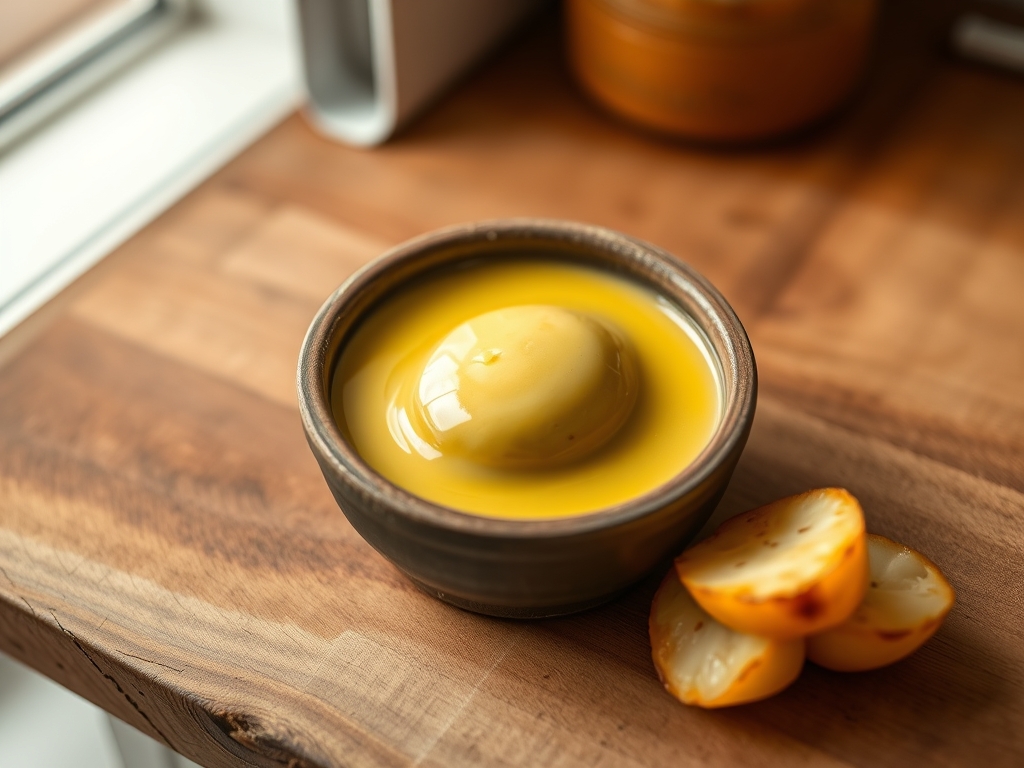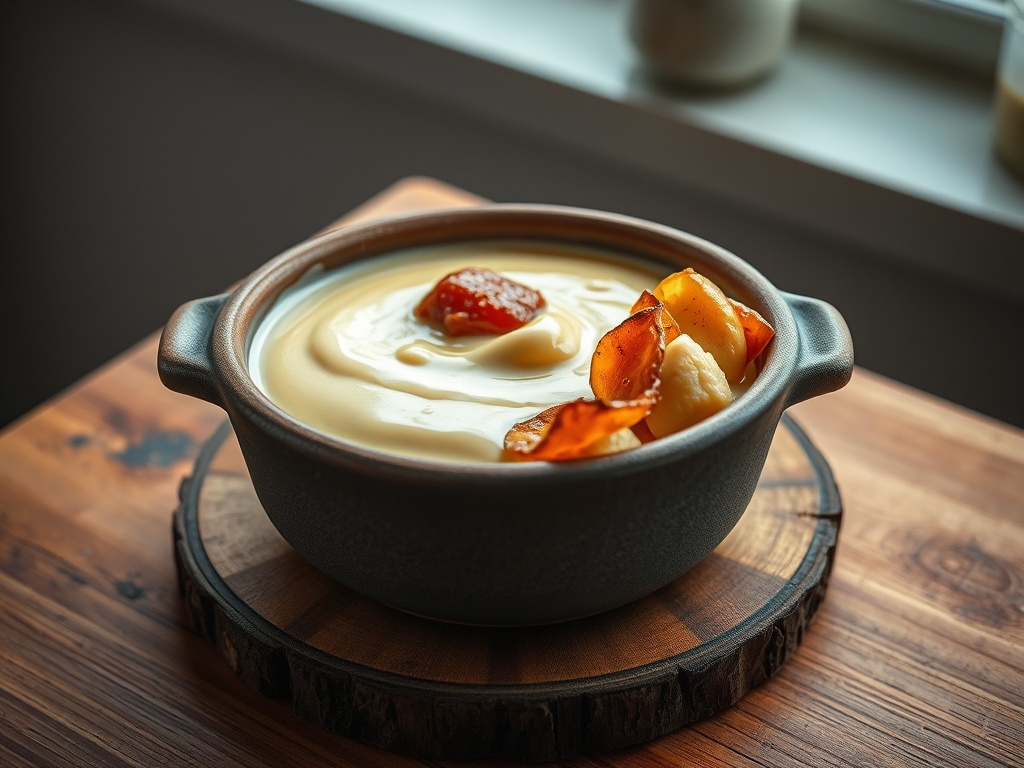
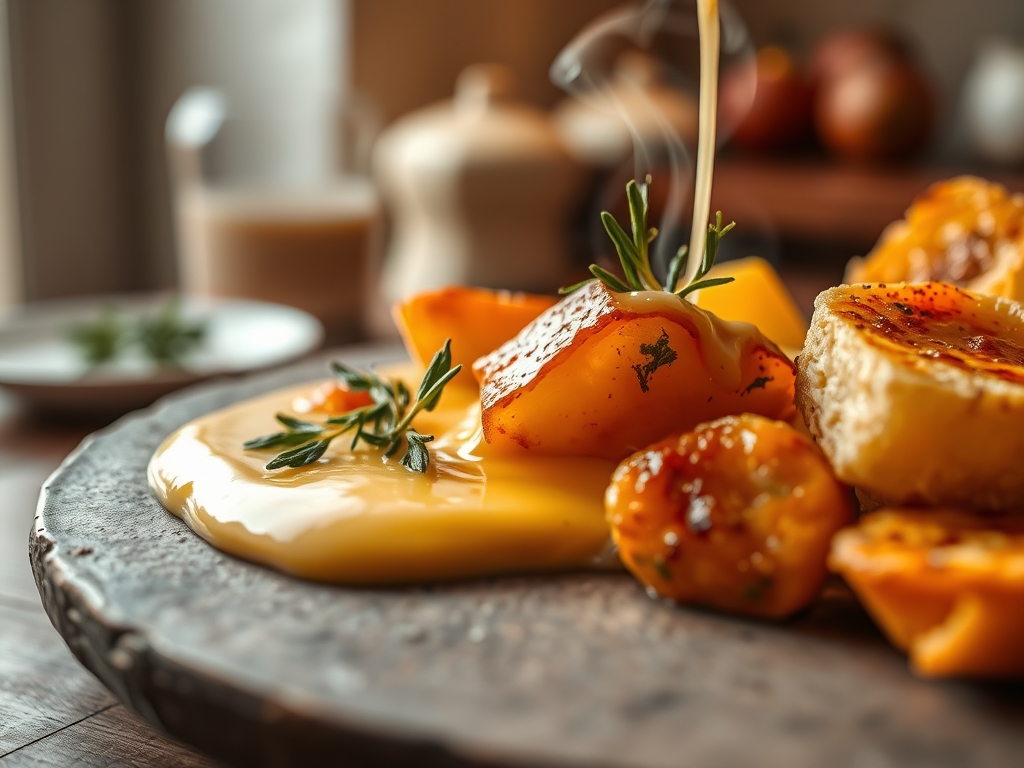
Imagine the alpine air biting at your face while you stand inside a timber-framed sanctuary where the scent of aged Gruyere and dry Riesling collides in a glorious, olfactory explosion. This is not just dinner; it is a high-stakes structural engineering project involving the delicate suspension of lipids within a wine-based aqueous solution. We are chasing the perfect Cheese Fondue Flow. If your fondue looks like a rubbery island floating in a sea of yellow oil, you have failed the most basic laws of molecular gastronomy. We demand a silky, elastic, and glossy emulsion that clings to a crust of sourdough with the tenacity of a mountain climber. This process requires more than just heat; it requires a deep understanding of protein denaturation and the stabilizing power of starch. We are here to audit your kitchen infrastructure and ensure that every dip results in a seamless, unbroken ribbon of molten gold. Forget the grainy, broken messes of amateur night. We are building a masterpiece of dairy architecture that will redefine your understanding of viscosity and flavor.
THE DATA MATRIX
| Metric | Specification |
|---|---|
| Prep Time | 20 Minutes |
| Execution Time | 15 Minutes |
| Yield | 4-6 Servings |
| Complexity (1-10) | 7 |
| Estimated Cost per Serving | $8.50 |
THE GATHERS
Ingredient Protocol:
- 450g / 1 lb Gruyere, shredded (Aged at least 12 months)
- 225g / 0.5 lb Emmentaler, shredded
- 350ml / 1.5 cups Dry White Wine (Sauvignon Blanc or Neuchatel)
- 15ml / 1 tbsp Lemon Juice
- 20g / 2.5 tbsp Cornstarch (The essential stabilizer)
- 30ml / 2 tbsp Kirsch (Cherry Brandy)
- 1 clove Fresh Garlic, halved
- 1 pinch Nutmeg, freshly grated
- 1 pinch White Pepper
Section A: Ingredient Quality Audit:
The primary failure point in any fondue is the cheese selection. If you purchase pre-shredded cheese from a grocery store, you are inviting disaster. Those products are coated in potato starch or cellulose to prevent clumping in the bag; these additives interfere with the Cheese Fondue Flow and create a gritty mouthfeel. Always grate your own blocks using a box grater or a food processor attachment. If your wine is too low in acidity, the proteins will not break down correctly, leading to a "stringy" mess. The fix is simple: increase the lemon juice by 5ml to lower the pH and encourage a smoother melt. If your Kirsch is missing, do not substitute with a sugary liqueur. Use a dry brandy or omit it entirely to avoid ruining the piquant profile of the alpine dairy.
THE MASTERCLASS
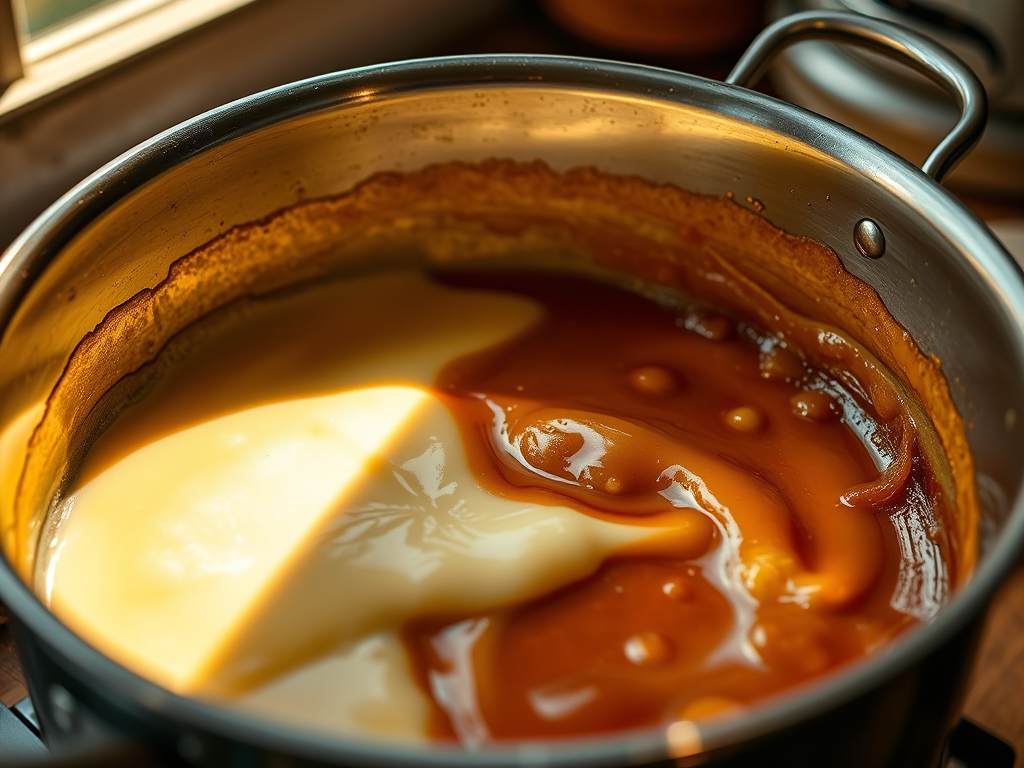
1. Rub the Caquelon
Begin by taking your halved garlic clove and vigorously rubbing the interior of your ceramic fondue pot or a heavy-bottomed saucier. You are not just adding flavor; you are depositing essential oils that will infuse the wine as it heats. Discard the remaining garlic solids to ensure a smooth texture.
Pro Tip: Using a heavy-bottomed vessel is non-negotiable. Thin pans create hot spots that will scorch the dairy proteins, leading to a bitter, burnt aftertaste. A digital scale should be used for all measurements to ensure the starch-to-liquid ratio is precise.
2. The Wine Reduction and Acid Base
Pour the wine and lemon juice into the pot and bring to a gentle simmer over medium-low heat. Do not let it reach a rolling boil. You want to see small bubbles rising to the surface, indicating the alcohol is beginning to render its harsher notes while preserving the acidity needed to act as a surfactant for the cheese.
Pro Tip: Use a thermometer to keep the liquid between 150F and 160F. High heat is the enemy of a stable emulsion. If the wine boils too hard, you lose the volume necessary to keep the cheese in suspension.
3. The Starch Slurry Integration
In a small bowl, toss your shredded cheese with the cornstarch until every strand is evenly coated. This ensures that as the cheese melts, the starch is immediately available to grab onto the fat droplets, preventing them from pooling into an oily slick.
Pro Tip: Use a bench scraper to move your shredded cheese efficiently from the cutting board to the bowl. This prevents the heat from your hands from softening the cheese prematurely, which can lead to unwanted clumping.
4. The Gradual Melt
Add the cheese to the simmering wine one handful at a time. Use a wooden spoon or a silicone spatula to stir in a figure-eight pattern. Wait until each handful is fully viscous and incorporated before adding the next. This slow integration is the secret to a perfect Cheese Fondue Flow.
Pro Tip: Constant motion is required to aerate the mixture slightly and ensure even heat distribution. If you see the mixture beginning to separate, immediately whisk in a teaspoon of lemon juice to tighten the emulsion.
5. The Final Seasoning and Kirsch Finish
Once all the cheese is incorporated and the texture is smooth, stir in the Kirsch, nutmeg, and white pepper. The Kirsch adds a high-note of fruitiness that cuts through the heavy fat, while the nutmeg provides a warm, earthy backbone.
Pro Tip: Use a microplane for the nutmeg. Freshly grated spices have volatile oils that pre-ground versions lack. This final addition should happen just before serving to maintain the aromatic integrity of the dish.
Section B: Prep & Timing Fault-Lines:
The most common timing error is rushing the melt. If you dump all the cheese in at once, the temperature of the wine drops too quickly, and the cheese will clump into a solid mass. If this happens, do not turn up the heat. Instead, keep stirring patiently and add a splash of warm wine. Another fault-line is the "holding" temperature. If the fondue stays on the burner too long without being stirred by guests, a crust will form at the bottom. This is known as "La Religieuse" in Switzerland; while delicious, it can indicate your heat source is too high for long-term stability.
THE VISUAL SPECTRUM
Section C: Thermal & Visual Troubleshooting:
Look closely at the Masterclass photo. Notice the glossy sheen and the way the cheese drapes over the bread without breaking. If your fondue looks dull or matte, it lacks sufficient moisture or acidity. Whisk in a tablespoon of dry wine to restore the shine. If you see "beading" of oil on the surface, your emulsion is breaking. This is often caused by the cheese getting too hot. To fix this, vigorously whisk in a "slurry" of cold wine and a teaspoon of cornstarch. The visual cue for a perfect fondue is a slow, lava-like drip when you lift the spoon; it should be thick enough to coat but fluid enough to ripple.
THE DEEP DIVE
Macro Nutrition Profile:
A standard serving of alpine fondue is calorie-dense, providing approximately 450 calories, 35g of fat, 25g of protein, and 5g of carbohydrates (excluding bread). It is an excellent source of calcium and phosphorus but high in sodium.
Dietary Swaps:
- Vegan: Use a base of soaked cashews blended with nutritional yeast, miso paste, and tapioca starch for stretch.
- Keto: Replace the cornstarch with a minimal amount of xanthan gum and serve with roasted cauliflower instead of bread.
- GF: Ensure your cornstarch is certified gluten-free and serve with GF baguette or apple slices.
Meal Prep & Reheating Science:
Fondue is best enjoyed immediately. However, if you must reheat it, do so in a double boiler. Adding a splash of white wine and whisking constantly will help re-emulsify the fats. Never microwave fondue; the uneven electromagnetic waves will cause the proteins to tighten into a rubbery puck and the oils to separate permanently.
THE KITCHEN TABLE
Why is my fondue stringy instead of smooth?
Stringiness is caused by insufficient acid. The proteins in the cheese haven't been broken down enough to flow. Add a teaspoon of lemon juice or a splash of dry wine and whisk vigorously to correct the pH balance and texture.
Can I use non-alcoholic wine for this recipe?
Yes, but ensure it is a dry variety. Alcohol lowers the boiling point of the mixture, which helps prevent the cheese from curdling. If using non-alcoholic wine, be extra vigilant about keeping the temperature low to avoid protein toughening.
What is the best bread for dipping?
A day-old sourdough or a dense baguette is ideal. You need a sturdy crumb and a thick crust so the bread doesn't disintegrate and get lost in the molten cheese. Light, airy breads will fail under the weight.
My fondue is too thick; how do I thin it?
Never use water. Always use more of your base liquid, such as the dry white wine. Warm the wine slightly before whisking it into the fondue to avoid a temperature shock that could break the emulsion.