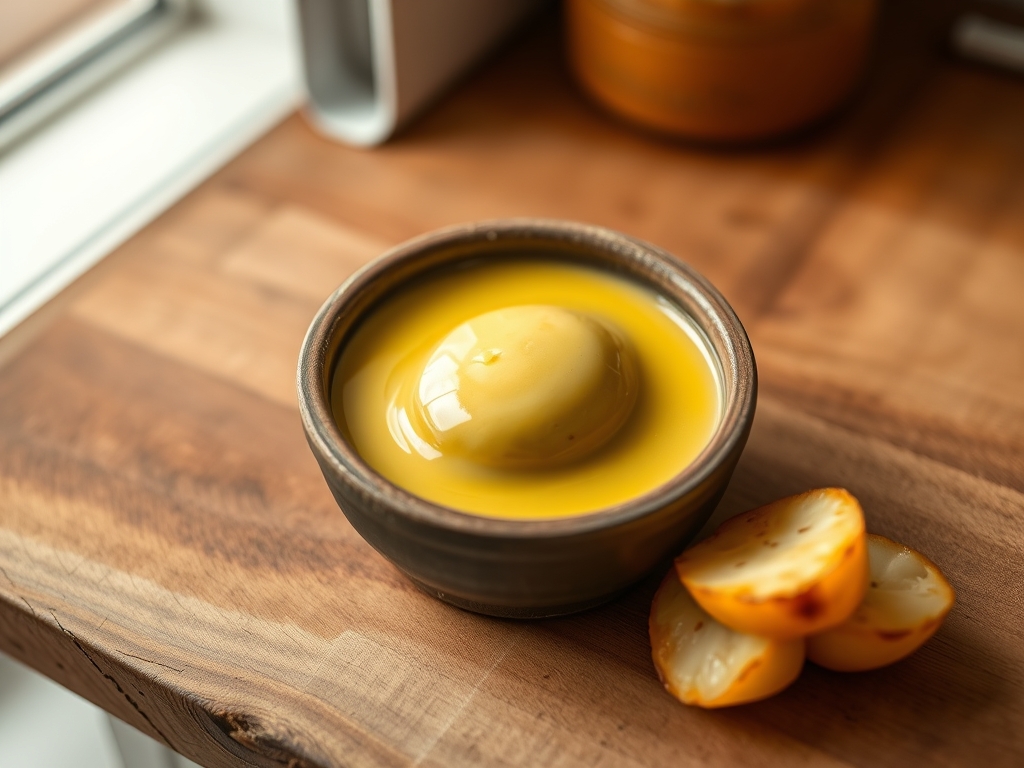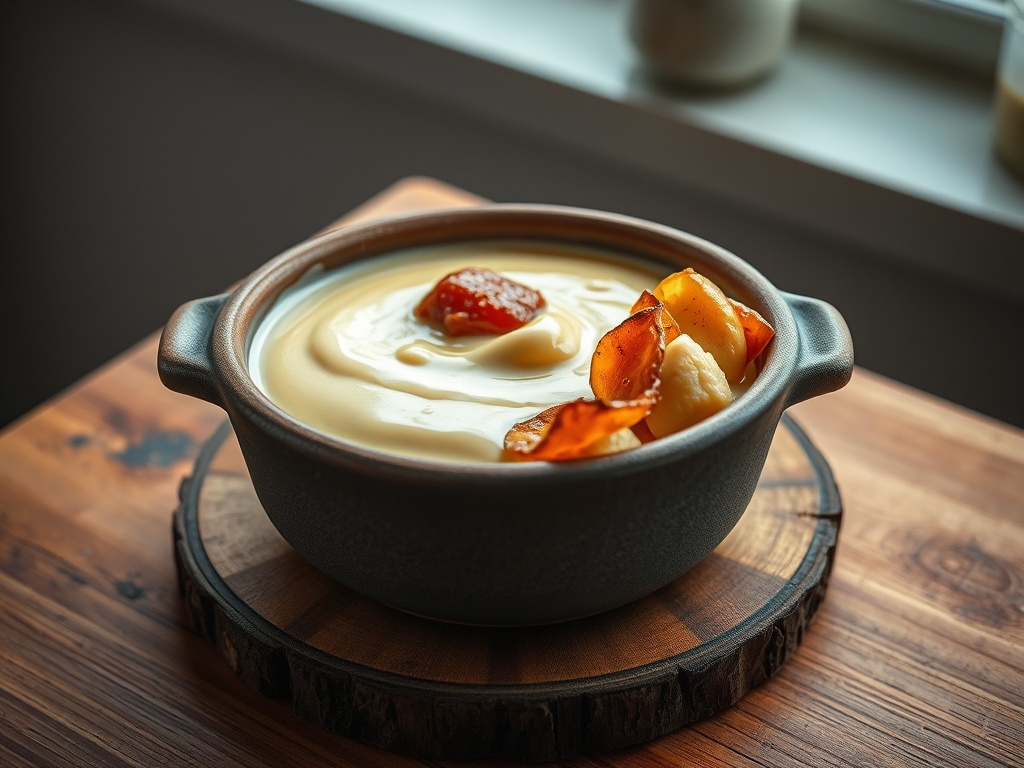
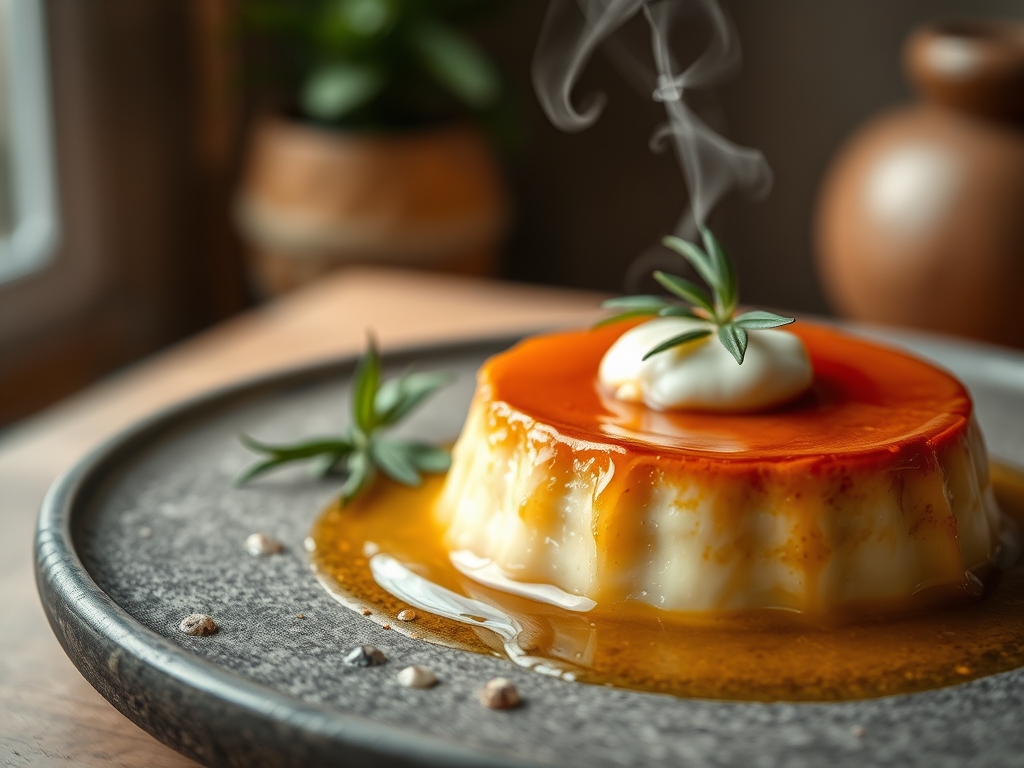
Stop thinking about pudding as a dessert and start treating it as a high stakes engineering project. We are dealing with a delicate protein lattice suspended in a sugar matrix; a structural miracle that requires absolute precision to survive the transition from ramekin to plate. This is the domain of Flan Caramel Logic. When you invert that mold, you are not just serving food; you are witnessing the successful deployment of a thermally induced gel. The caramel must be a dark, viscous amber that has undergone just enough pyrolysis to provide a bitter counterpoint to the rich, fatty custard. If your custard breaks, your emulsion was unstable. If your caramel is tacky, your sucrose hydrolysis failed. We are here to audit the infrastructure of your kitchen and ensure that every molecule of egg protein is perfectly denatured into a silky, seamless vibration of sweetness. This is not grandmas hobby; this is the rigorous application of thermodynamics to dairy. Let us begin the audit.
THE DATA MATRIX
| Metric | Specification |
|---|---|
| Prep Time | 25 Minutes |
| Execution Time | 60 Minutes (plus 4 hours cooling) |
| Yield | 8 Servings |
| Complexity (1-10) | 7 |
| Estimated Cost per Serving | $1.15 |
THE GATHERS
Ingredient Protocol:
- Granulated White Sugar: 200g / 1 cup (For the dry caramel base)
- Whole Milk: 500ml / 2 cups (High fat content is non-negotiable)
- Heavy Cream: 250ml / 1 cup (To increase the lipid density)
- Large Eggs: 4 units (The structural foundation)
- Large Egg Yolks: 2 units (For additional lecithin and richness)
- Vanilla Bean Paste: 10ml / 2 tsp (To infuse the matrix with aromatics)
- Fine Sea Salt: 2g / 0.25 tsp (To sharpen the piquant notes of the sugar)
Section A: Ingredient Quality Audit:
If your milk is nearing its expiration date, the lactic acid buildup will cause premature curdling during the thermal phase. Always use the freshest dairy available. Sub-par vanilla extract often contains high levels of alcohol which can interfere with the protein bonding; upgrade to a high quality paste or whole bean to ensure the viscous texture remains intact. If your eggs are cold, they will resist emulsification. Ensure all materials are at room temperature before you begin the integration process. If your sugar has clumped due to humidity, sift it through a fine mesh strainer to prevent uneven melting and localized burning during the caramelization phase.
THE MASTERCLASS
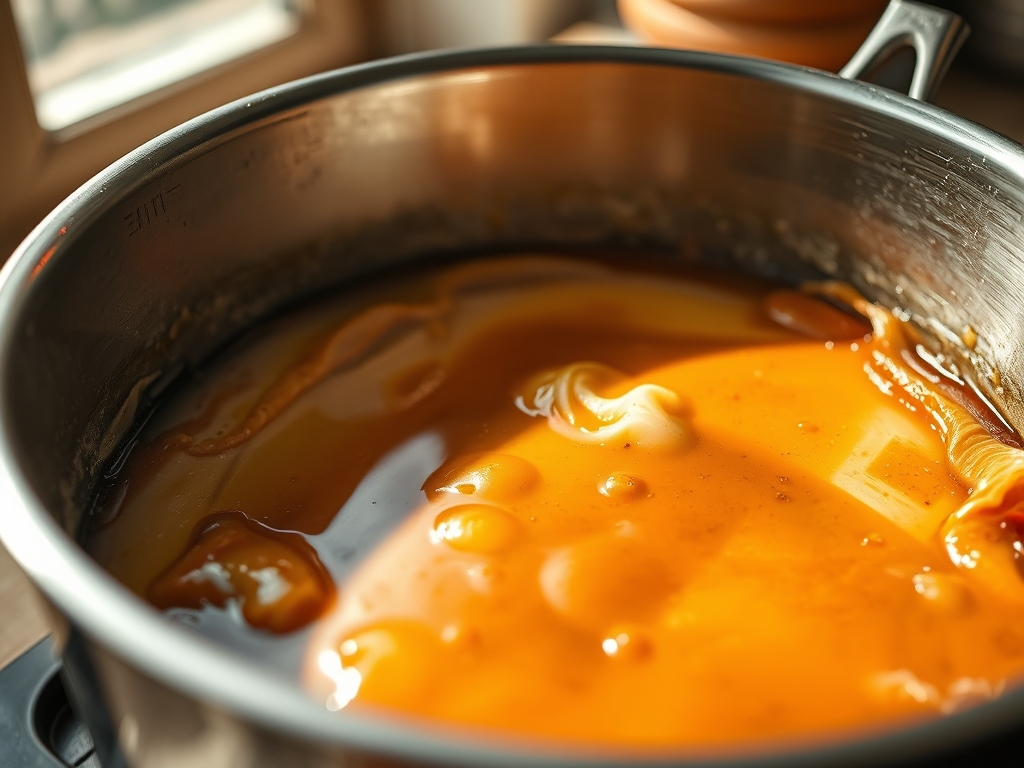
1. Dry Caramel Pyrolysis
Place your sugar in a heavy bottomed saucier over medium heat. Do not stir; instead, use a gentle swirling motion to distribute the heat. Watch for the sugar to liquefy and transition from a pale gold to a deep, mahogany amber. This is the moment of peak flavor complexity. Immediately pour the liquid into your molds before it reaches the point of carbonization.
Pro Tip: Use a digital scale to measure sugar by weight rather than volume. The science here is the thermal decomposition of sucrose; even a 5 gram variance can change the viscosity of your final glaze.
2. Dairy Infusion and Tempering
In a separate saucepan, combine the milk, cream, and vanilla. Heat until the mixture reaches 80 degrees Celsius (176 degrees Fahrenheit). In a stainless steel bowl, whisk your eggs and yolks gently; do not aerate the mixture, as bubbles lead to a porous, unattractive internal structure. Slowly stream the hot dairy into the eggs while whisking constantly.
Pro Tip: A digital thermometer is your best friend here. If you exceed 85 degrees Celsius during the mix, you will scramble the proteins and ruin the emulsion.
3. The Filtration Protocol
Pass your custard base through a fine mesh Chinois or chinois strainer into a clean pitcher. This removes any chalazae or unintentionally cooked egg bits, ensuring the final product is perfectly homogenous. Let the mixture sit for ten minutes to allow any micro-bubbles to rise to the surface and dissipate.
Pro Tip: Use a bench scraper to clean your workstation during this downtime. Maintaining an orderly environment prevents cross-contamination and allows for better focus on the delicate pouring stage.
4. Thermal Bath Deployment
Place your filled ramekins into a deep roasting pan. Fill the pan with boiling water until it reaches halfway up the sides of the molds. This "Bain-Marie" acts as a thermal buffer, preventing the custard from exceeding 100 degrees Celsius and ensuring a slow, even set.
Pro Tip: Use a heavy duty roasting pan to prevent warping. The water bath provides a gentle heat transfer that is essential for preventing the "weeping" effect known as syneresis.
5. The Cooling Equilibrium
Remove the flan from the oven when the centers still have a slight "jiggle" but the edges are set. Allow them to cool to room temperature in the water bath before transferring them to the refrigerator for at least four hours. This allows the sugar at the bottom to liquefy into a sauce.
Pro Tip: Precision cooling is as important as precision heating. Rapid temperature drops can cause the custard to contract and pull away from the sides unevenly.
Section B: Prep & Timing Fault-Lines:
The most common human error is the "rushed chill." If you attempt to unmold a flan that has not spent at least four hours at 4 degrees Celsius, the structural lattice will collapse under its own weight. Another frequent failure is the "over-whisk." If you incorporate too much air into the eggs, the flan will rise like a souffle and then collapse, leaving a spongy, aerated texture instead of a dense, creamy one. Use a slow, rhythmic whisking motion to keep the density high.
THE VISUAL SPECTRUM
Section C: Thermal & Visual Troubleshooting:
Look closely at the Masterclass photo. The surface is glass-smooth with no visible pitting. If your flan has small holes on the sides, your oven temperature was too high, causing the water in the custard to boil. If the caramel is stuck to the bottom of the mold after inversion, you didn't cook the sugar long enough to reach the stage where it remains liquid under the custard. A dull, matte finish on the top of the custard usually indicates a lack of humidity in the oven; ensure your water bath is sufficiently deep. The color should be a uniform pale ivory, contrasted sharply by the dark, liquid caramel crown.
THE DEEP DIVE
Macro Nutrition Profile:
A single serving of this audited flan contains approximately 280 calories. The breakdown is roughly 14g of fat, 32g of carbohydrates, and 6g of protein. While sugar-heavy, the high egg content provides essential choline and fat soluble vitamins.
Dietary Swaps:
For a Vegan alternative, replace dairy with full fat coconut milk and eggs with a combination of agar-agar and silken tofu. Note that the setting temperature for agar-agar is much higher. For a Keto version, utilize allulose for the caramel (as it is one of the few sweeteners that actually caramelizes) and heavy cream with monk fruit for the custard. GF (Gluten-Free) is the default state for this dish, making it a safe harbor for Celiac diners.
Meal Prep & Reheating Science:
Flan is the ultimate meal prep dessert because the molecular structure actually stabilizes over 24 to 48 hours. Never reheat a flan; the heat will break the protein bonds and turn the dish into a watery mess. Serve it directly from the refrigerator to maintain the integrity of the gel.
THE KITCHEN TABLE
Why is my caramel bitter?
You pushed the pyrolysis too far. Sugar transitions from sweet to complex to burnt in seconds. Aim for a "penny-bright" copper color next time to balance the bitterness against the sweet custard.
Can I use a microwave for the water bath?
Negative. Microwave radiation heats unevenly and will create "hot spots" in your custard, leading to localized overcooking and a rubbery texture. Stick to the oven for consistent thermal distribution.
How do I get the flan out of the mold?
Run a thin offset spatula around the edge. Place a plate on top, invert quickly, and give it a firm vertical shake. The vacuum should break, allowing the caramel to lubricate the exit.
Why is there liquid on top of my flan?
This is syneresis. The protein network contracted too tightly and squeezed out the moisture. This usually happens from overcooking or cooling the flan too rapidly in the freezer.