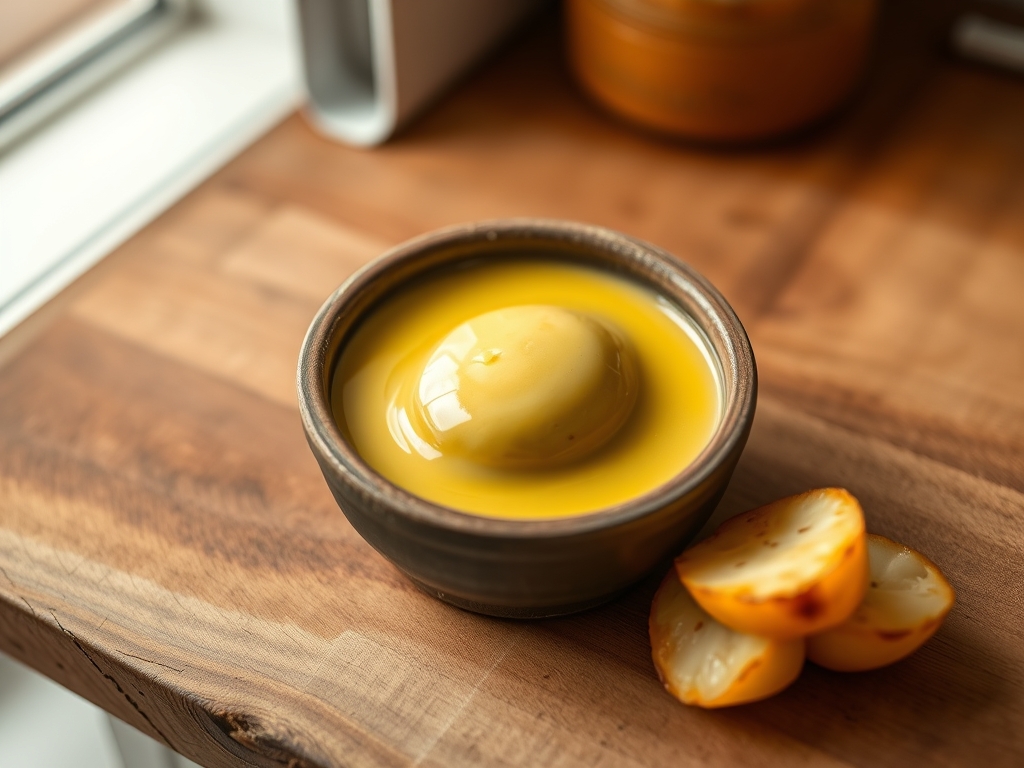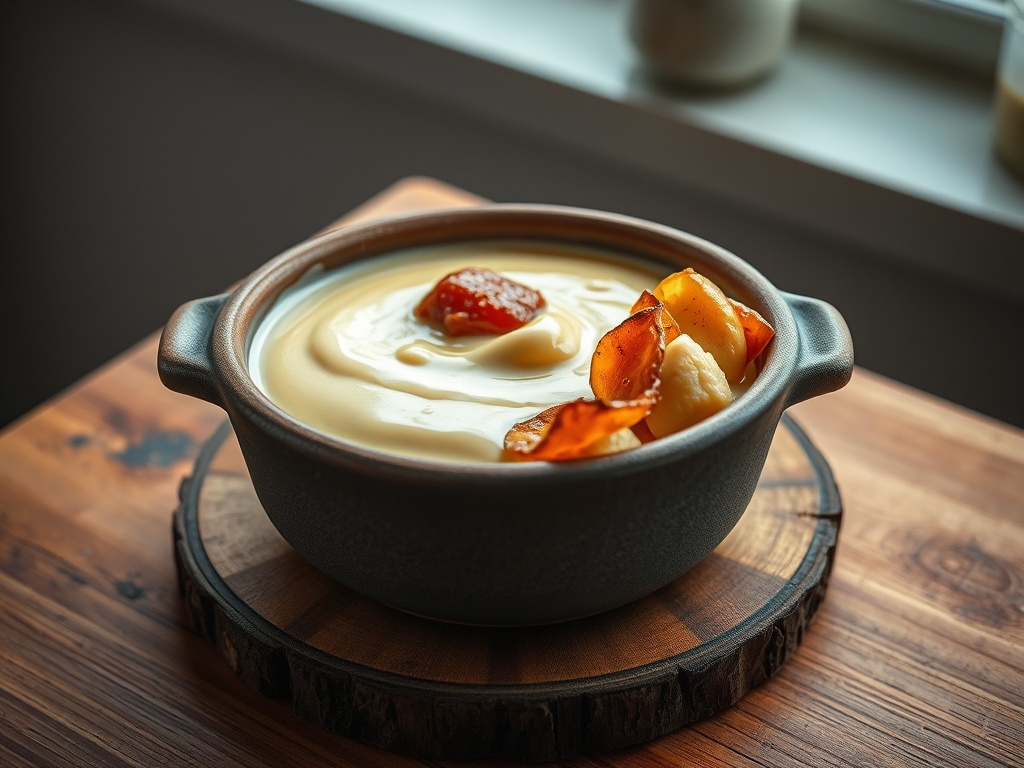
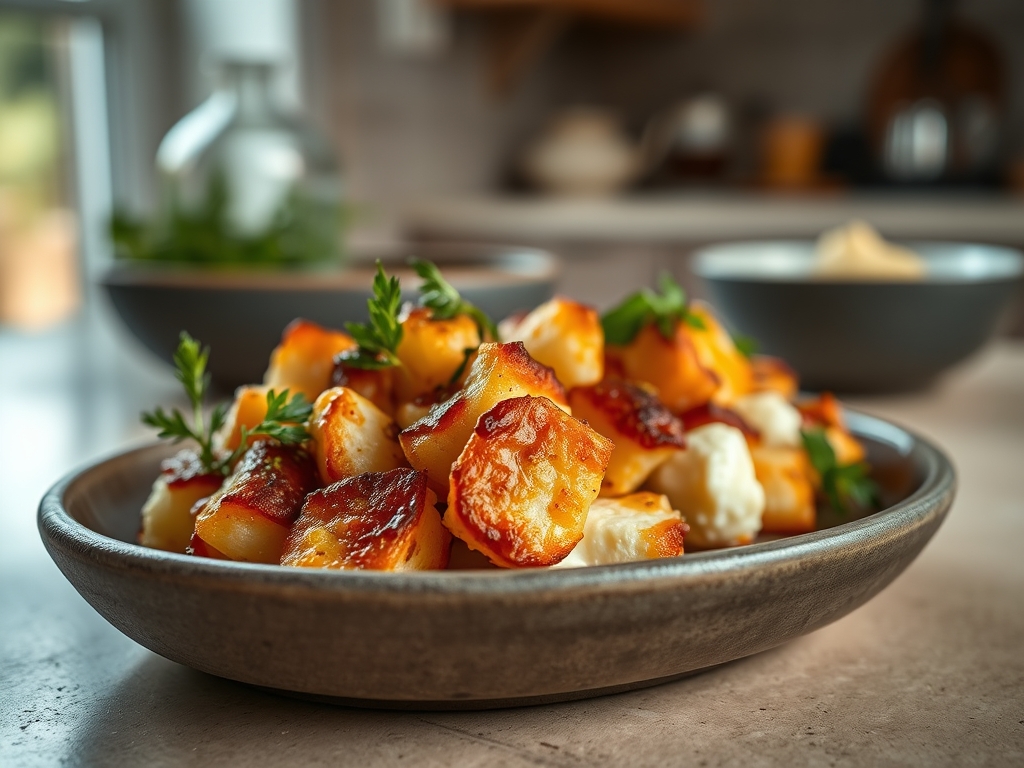
Welcome to the high-stakes theater of dairy physics; where the difference between a culinary masterpiece and a rubbery tragedy lies in the microscopic architecture of a protein strand. We are not just talking about snacks. We are talking about the structural integrity of Cottage Cheese Curds. Imagine a landscape of snowy, irregular boulders bathed in a silky, lactic river. This is the ultimate infrastructure of bovine output. When you crack open a fresh container or, better yet, craft your own in a controlled laboratory setting, you are witnessing the miracle of acid-induced coagulation. The casein molecules, once free-floating and chaotic, have decided to link arms in a defensive formation. This creates a texture that is simultaneously bouncy and tender; a piquant profile that cuts through the richness of the cream. If you have ever suffered through a watery, mushy imitation, you know the pain of a collapsed protein matrix. Today, we audit the process to ensure your dairy system remains structurally sound, aesthetically pleasing, and biologically superior.
THE DATA MATRIX
| Metric | Specification |
|---|---|
| Prep Time | 15 Minutes |
| Execution Time | 45 Minutes |
| Yield | 4 Servings |
| Complexity (1-10) | 6 |
| Estimated Cost per Serving | $1.25 |
THE GATHERS
Ingredient Protocol:
- 3.8 Liters / 1 Gallon Skim Milk (High-quality, non-UHT)
- 180ml / 0.75 Cup White Distilled Vinegar (5% acidity)
- 5g / 1 Teaspoon Fine Sea Salt
- 120ml / 0.5 Cup Heavy Cream (for dressing)
- 2g / 0.5 Teaspoon Liquid Rennet (Optional for firmer structure)
Section A: Ingredient Quality Audit:
The most common failure point in the dairy infrastructure is the use of Ultra-High Temperature (UHT) milk. This process denatures the proteins so severely that they cannot form the resilient bonds required for Cottage Cheese Curds. If your milk won't set, it is likely a molecular failure at the source. Fix this by sourcing "Low-Temp Pasteurized" milk. Another issue is weak acidity. If your vinegar has been sitting open for a year, its potency has evaporated. Always use a fresh bottle to ensure the pH drop is rapid enough to trigger the isoelectric point of the casein.
THE MASTERCLASS
Step 1: Thermal Escalation
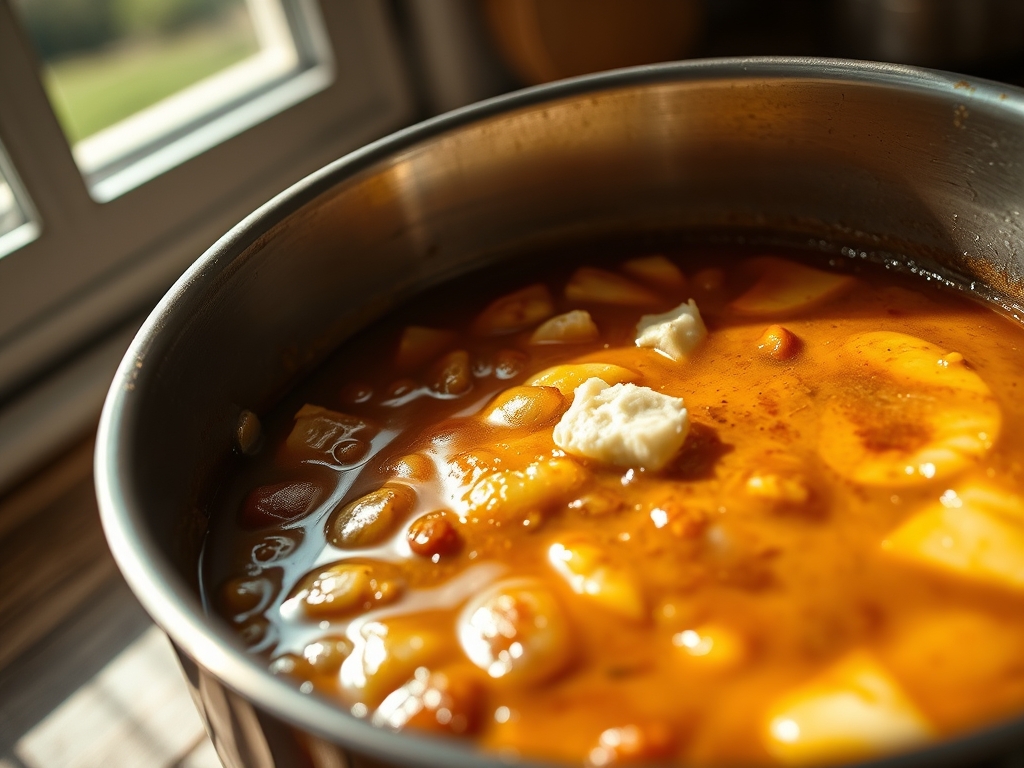
Pour your milk into a heavy-bottomed saucier or stainless steel pot. Gradually increase the heat until you reach exactly 49C / 120F. Use a digital thermometer to monitor the progress; precision is the difference between a curd and a cloud.
Pro Tip: Gentle heating prevents bottom-scorching, which would infuse the entire batch with a burnt, carbonized flavor profile.
Step 2: The Acid Catalyst
Once the thermal target is hit, remove the pot from the heat. Slowly pour in the vinegar while stirring with a silicone spatula in a figure-eight motion. You will see the immediate separation of the white solids from the translucent, yellowish whey.
Pro Tip: The figure-eight motion ensures the acid is distributed without shearing the fragile new bonds. This promotes the growth of large, distinct Cottage Cheese Curds.
Step 3: The Rest Phase
Cover the pot and let it sit undisturbed for 30 minutes. This allows the protein matrix to stabilize and the viscous whey to fully separate. Do not agitate the vessel during this time; vibration is the enemy of coagulation.
Pro Tip: Professional cheesemakers use this time to calibrate their digital scale for the final salting phase.
Step 4: Extraction and Filtration
Line a colander with a double layer of fine cheesecloth. Carefully pour the contents of the pot through the cloth. Lift the corners and rinse the curds under cold, filtered water to stop the cooking process and remove excess acid.
Pro Tip: Rinsing is essential to achieve a clean, lactic flavor rather than a harsh, vinegary bite.
Step 5: The Cream Dressing
Transfer the dry curds to a glass bowl. Use a bench scraper to gently break up any oversized clusters. Fold in the heavy cream and salt until the mixture reaches a luxurious, viscous consistency.
Pro Tip: The cream acts as a lubricant and a flavor carrier. It fills the voids between the protein structures to create a balanced mouthfeel.
Section B: Prep & Timing Fault-Lines:
Timing is the silent killer. If you leave the curds in the hot whey for too long, they will render out all their moisture and become rubbery pellets. If you rinse too early, the centers will remain soft and collapse into a paste. Use a timer for every phase. If the temperature exceeds 50C during the initial heating, the proteins tighten too quickly; resulting in a grainy texture that no amount of cream can salvage.
THE VISUAL SPECTRUM
Section C: Thermal & Visual Troubleshooting:
Look at the Masterclass photo above. Notice the distinct, individual geometries of the curds. They are not a uniform mush; they have edges and shadows. If your result looks like a flat, white soup, you likely over-stirred during the acid addition. If the curds are yellowed or dull, the milk was likely oxidized or old. A perfect batch should have a bright, pearlescent sheen. If the cream dressing is separating, your curds were too warm when you mixed them. Ensure the curds are chilled to at least 10C before adding the final dairy dressing to maintain a stable emulsion.
THE DEEP DIVE
Macro Nutrition Profile:
A standard 150g serving provides approximately 18g of protein, 5g of carbohydrates, and 6g of fat (depending on the cream dressing). It is a powerhouse of slow-digesting casein, making it an ideal nocturnal recovery fuel for athletes.
Dietary Swaps:
- Vegan: Utilize firm silken tofu broken into small irregular pieces and folded into a salted cashew cream.
- Keto: Ensure the dressing uses 40% heavy whipping cream to maximize the fat-to-protein ratio.
- GF: Naturally gluten-free; just ensure your vinegar source is distilled and not malt-based.
Meal Prep & Reheating Science:
Cottage cheese does not tolerate high heat once finished. To maintain the molecular structure, store in an airtight glass container for up to 5 days. If the curds begin to weep (syneresis), simply stir them to re-incorporate the liquid. Never microwave; the localized heat will turn your beautiful curds into a singular, chewy mass of rubber.
THE KITCHEN TABLE
Why is my cottage cheese watery?
This is usually caused by "wheeting" or syneresis. The protein structure is contracting and squeezing out liquid. To fix this, ensure you rinse the curds thoroughly in cold water to fully stabilize the matrix before adding cream.
Can I use lemon juice instead of vinegar?
Yes, but the flavor profile will change. Lemon juice adds a citric, fruity note while vinegar provides a neutral, sharp acidity. Ensure you strain the juice to remove any pulp that would disrupt the visual purity.
What if the curds are too small?
Small curds are the result of aggressive stirring. Next time, use a very slow, deliberate motion when adding your acid. Let the chemistry do the heavy lifting while you maintain a minimalist intervention strategy.
How do I get that "chunky" professional look?
The secret is the "cut." After the milk has set for 30 minutes, use a long knife to cut the mass into a grid before draining. This creates uniform, structural blocks that hold their shape during the rinsing process.