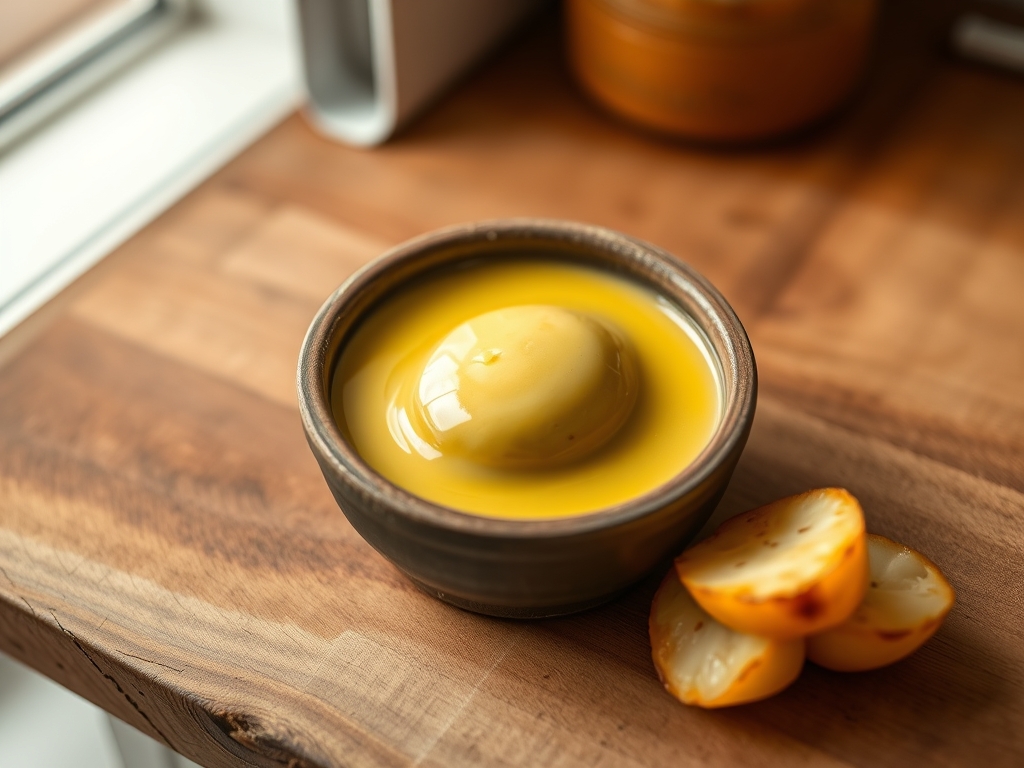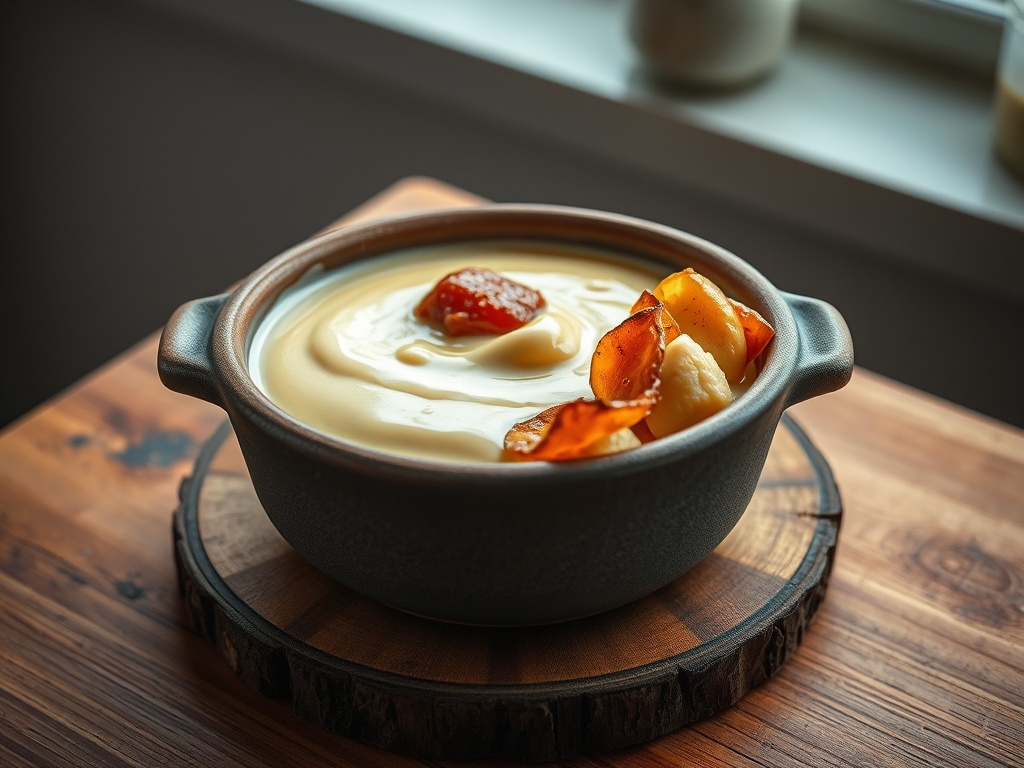
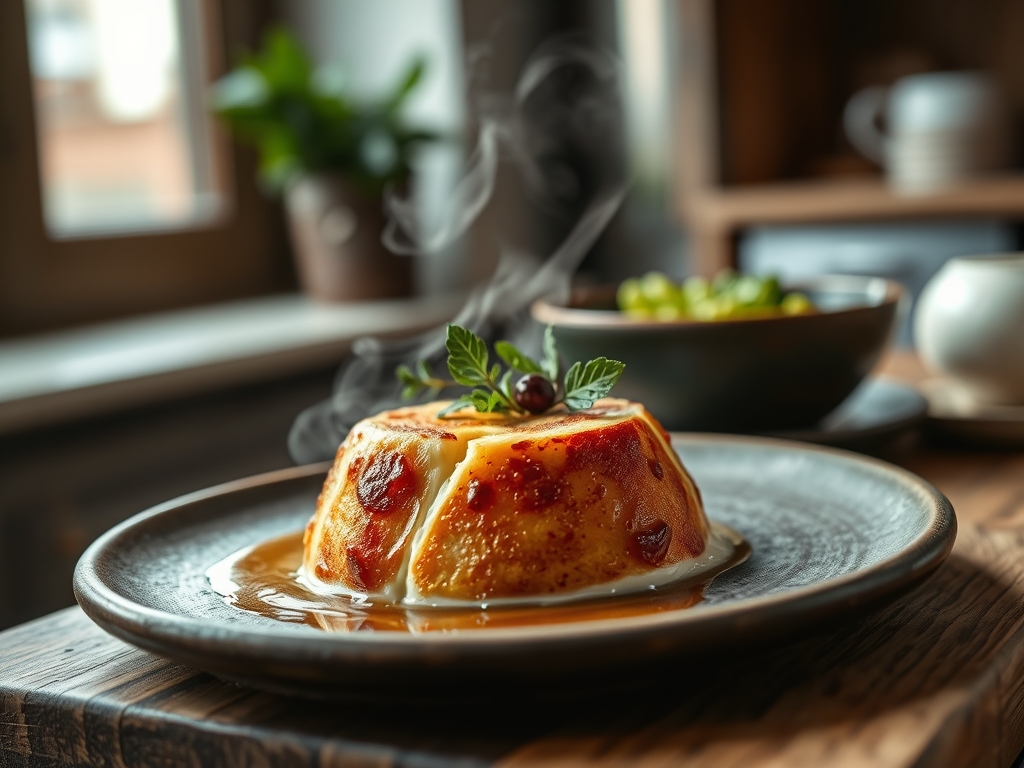
Imagine a substance so structurally sound that it defies the fluid dynamics of traditional dairy. We are not discussing mere whipped cream or the pedestrian viscosity of a standard custard. We are engineering a masterpiece of thermal lipid concentration. The gold standard of any high tea or scone-based infrastructure is the Clotted Cream Density. It is a thick, ivory-hued crust of concentrated fat that sits atop a silken, pale base. This is the result of a slow-motion molecular migration where heat forces water to evaporate and lipids to rise to the surface in a glorious, golden raft. To achieve this, you must treat your heavy cream not as an ingredient, but as a delicate architectural project. The air must be thick with the scent of toasted lactose and the anticipation of a spread that holds its shape under the weight of a silver spreader. We are moving beyond simple cooking into the realm of lipid management. If you fail to respect the temperature curve, you end up with a watery mess. If you master it, you possess the crown jewel of Devonian dairy.
THE DATA MATRIX
| Metric | Specification |
|---|---|
| Prep Time | 5 Minutes |
| Execution Time | 12 to 14 Hours (Passive) |
| Yield | 240ml / 1 Cup |
| Complexity (1-10) | 3 (Patience is the primary variable) |
| Estimated Cost per Serving | $0.85 USD |
THE GATHERS
Ingredient Protocol:
- 1 Liter / 4.2 Cups of Heavy Manufacturing Cream (Minimum 36% to 40% milkfat; must not be ultra-pasteurized).
- 5g / 1 Teaspoon of Maldon Sea Salt (Optional; for structural contrast).
Section A: Ingredient Quality Audit:
The primary failure point in achieving the correct Clotted Cream Density is the use of Ultra-High Temperature (UHT) Pasteurized cream. This industrial process denatures the proteins to a point where they cannot form the necessary lipid bonds. If your cream refuses to "clot" after twelve hours, your raw material was likely over-processed. To fix this, source "Vat Pasteurized" or "Low-Temp" cream from a local dairy. These products retain the enzymatic integrity required for the lipids to infuse and rise. If you find your cream is too thin even with quality sourcing, ensure your milkfat percentage is truly at the 40% threshold. Lower fat content results in a runny emulsion that lacks the structural integrity to support its own weight.
THE MASTERCLASS
Step-by-Step Execution:
1. The Vessel Calibration
Pour your heavy cream into a wide, shallow glass or ceramic baking dish. The depth of the liquid should be no more than two inches. Use a digital scale to ensure even distribution across the surface area. The wider the dish, the more surface area is available for the "clot" to form.
Pro Tip: Use a heavy-bottomed ceramic dish rather than a thin metal pan. Ceramic provides a thermal buffer that prevents the bottom of the cream from scorching, allowing the heat to render the water out slowly and evenly.
2. The Thermal Incubation
Place the dish in an oven preheated to exactly 80 degrees Celsius (175 degrees Fahrenheit). This is the critical zone where evaporation occurs without boiling the milk solids. Leave the cream undisturbed for 12 hours. Do not open the oven door; every drop in temperature disrupts the delicate upward migration of the lipids.
Pro Tip: Use an external oven thermometer to verify your appliance's accuracy. Most home ovens fluctuate by 20 degrees; a saucier-grade thermal probe will ensure you are not accidentally simmering the cream, which would destroy the texture.
3. The Cooling Phase
Remove the dish from the oven. You will see a thick, yellow, slightly wrinkled skin on the surface. Allow it to cool to room temperature on a wire rack, then cover with plastic wrap and refrigerate for at least 8 hours. This cold-set is mandatory to lock the Clotted Cream Density into a spreadable solid.
Pro Tip: Do not attempt to skim the cream while it is warm. The molecular structure is still viscous and unstable. Chilling allows the fats to crystallize, creating that signature resistance against a bench scraper or spoon.
4. The Extraction
Carefully peel back the thick upper layer and transfer it to a separate bowl. There will be a thin, watery liquid remaining at the bottom (residual whey). This liquid is excellent for baking scones but must be separated from the concentrated fats to maintain the integrity of the final product.
Pro Tip: Fold a small amount of the residual liquid back into the thick cream if it feels too stiff. This allows you to aerate the mixture slightly without losing the density that defines the Devonian style.
Section B: Prep & Timing Fault-Lines:
The most common human error is the "Early Extraction" syndrome. If you pull the cream before the 12-hour mark, the lipid raft will be too thin to survive the transfer. Conversely, if you leave it for 18 hours, the sugars may over-caramelize, leading to a bitter, tan-colored crust. Precision timing is your only defense against a failed batch. If your kitchen is particularly humid, you may need an extra hour of oven time to facilitate evaporation. Always use a timer and do not rely on visual cues alone until the final hour of the process.
THE VISUAL SPECTRUM
Section C: Thermal & Visual Troubleshooting:
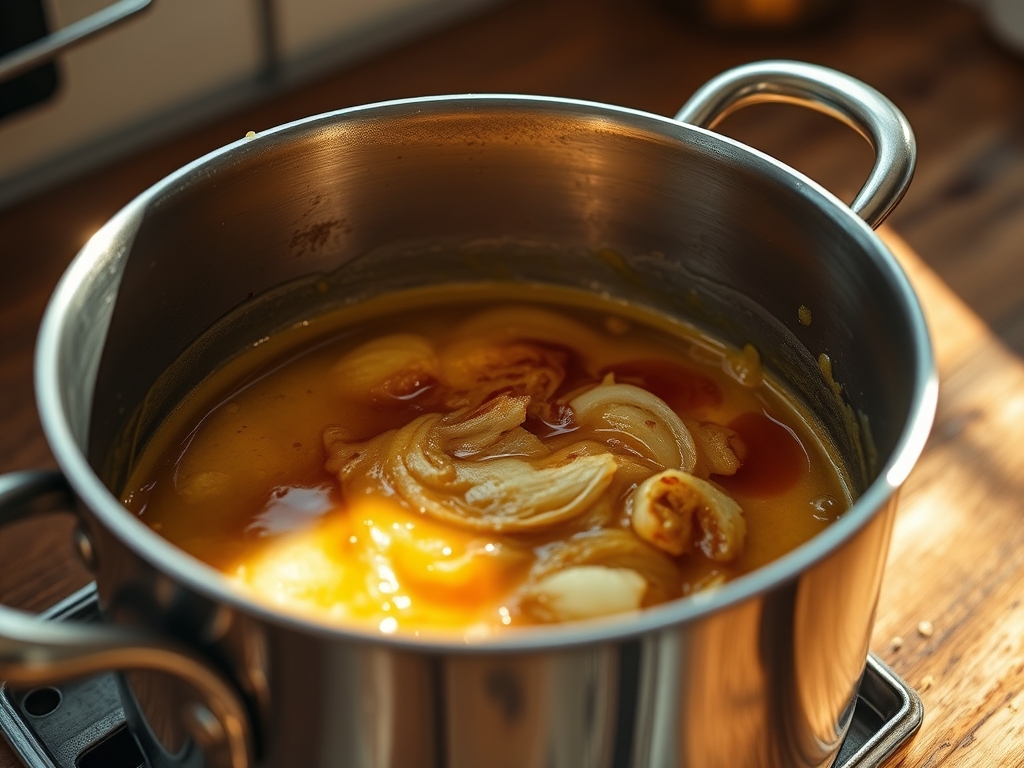
Referencing the Masterclass photo, your goal is a variegated surface ranging from pale cream to deep gold. If your cream looks entirely white, you have not achieved enough evaporation; increase the surface area next time. If you see dark brown spots, your oven has "hot spots" that are causing localized burning. To fix this, place the baking dish inside a larger roasting pan to create a heat shield. If the texture looks grainy rather than smooth, the cream was likely moved during the heating phase, breaking the delicate lipid bonds. The final product should have a matte finish with a slight sheen of oil on the very top ridges, indicating a high-quality render.
THE DEEP DIVE
Macro Nutrition Profile
Clotted cream is a high-density energy source. A single 30g serving contains approximately 110 calories, 12g of fat, and less than 1g of protein and carbohydrates. It is a pure lipid delivery system designed for maximum satiety.
Dietary Swaps
- Vegan: Use a high-fat coconut cream (minimum 24% fat) and add a pinch of xanthan gum to simulate the protein structure.
- Keto: This recipe is naturally keto-compliant as it is nearly 100% fat with negligible sugars.
- GF: Naturally gluten-free.
Meal Prep & Reheating Science
Do not reheat clotted cream. The molecular structure is a one-way street; once the fats have crystallized in the fridge, heat will cause them to break and turn into clarified butter. Store in an airtight container for up to 5 days. To maintain the Clotted Cream Density, always serve chilled or at a very slight room temperature.
THE KITCHEN TABLE
Why is my clotted cream yellow instead of white?
The yellow hue comes from carotene in the grass-fed cow's diet. As water evaporates, the fat and carotene concentrate, deepening the color. This is a visual indicator of high lipid density and superior quality.
Can I make this in a slow cooker?
Yes, provided your slow cooker has a "warm" setting that stays between 75 and 80 degrees Celsius. Leave the lid slightly ajar to allow moisture to escape, otherwise, the cream will never thicken.
What do I do with the leftover liquid?
That liquid is essentially skimmed milk with a toasted flavor profile. Use it in place of milk in your scone dough or pancake batter to infuse a subtle nuttiness into your baked goods.
Is it safe to leave cream in the oven overnight?
At 80 degrees Celsius, you are well above the danger zone for bacterial growth but low enough to prevent scorching. The high fat content and slow pasteurization make this a historically safe preservation method.