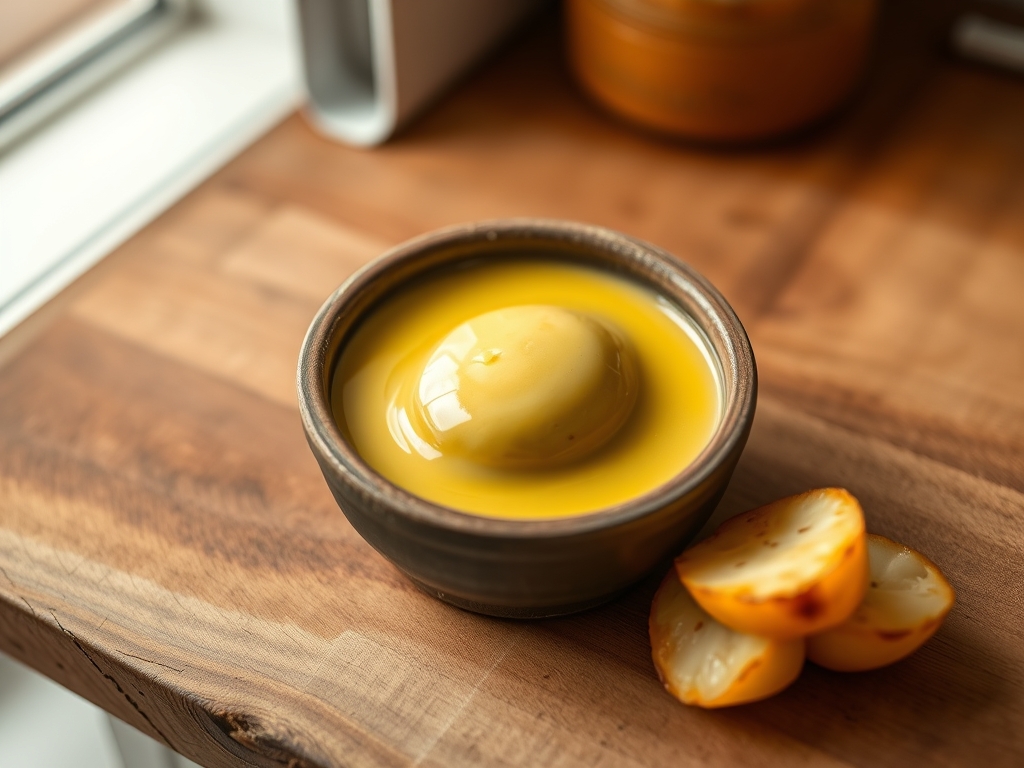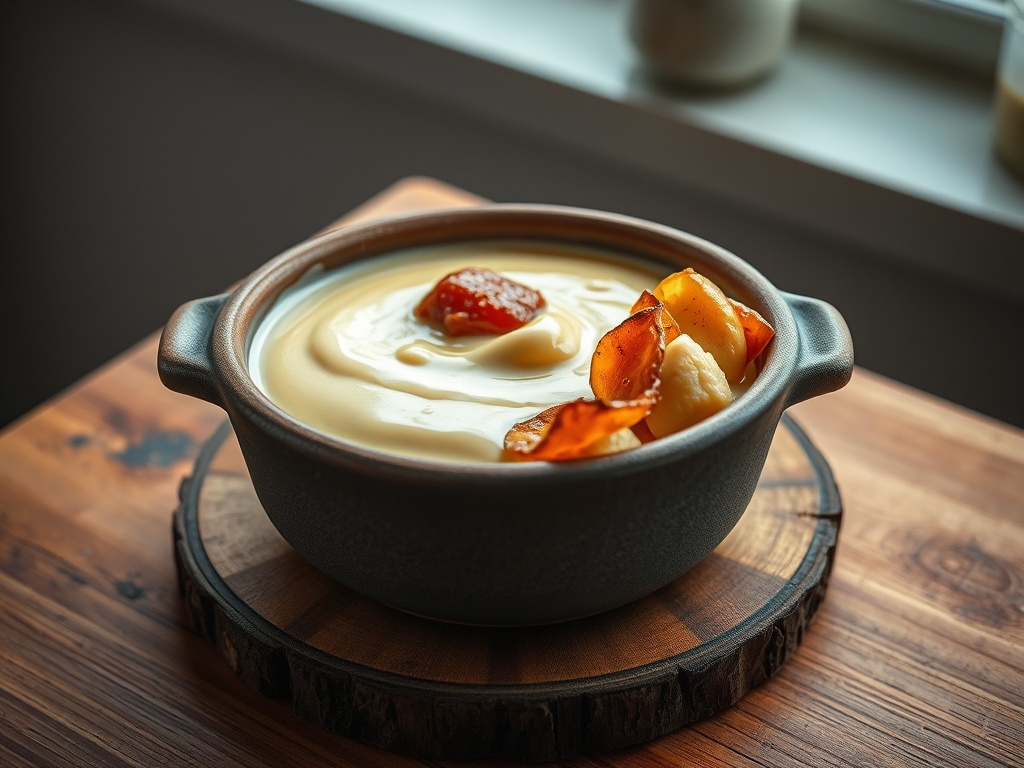
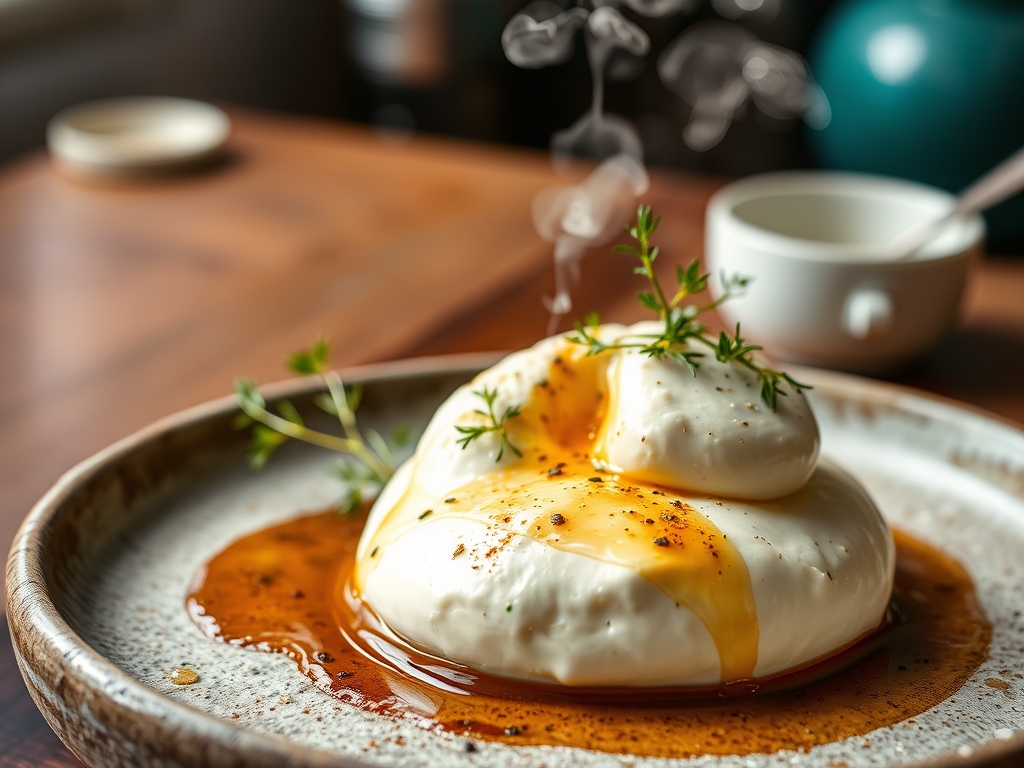
Stop treating your dairy like a secondary character in a mediocre sitcom. In the high-stakes theater of Italian fats, your ingredients are the infrastructure upon which every flavor profile is built. We are here to talk about Mascarpone Viscosity; that elusive, velvet-thick resistance that separates a world-class dessert from a weeping, watery mess. When you plunge a spoon into a bowl of properly tempered mascarpone, you should feel a structural defiance. It is not merely cream; it is a dense, triple-cream masterpiece of acid-set coagulation. If your fat molecules are not properly aligned, your texture will collapse under the weight of its own ambition. We are auditing the very soul of creamy Italian fats to ensure your emulsions remain unbreakable and your mouthfeel remains legendary. This is not just cooking; it is a technical assessment of lipid behavior and thermal stability. Strap in, because we are about to re-engineer your understanding of what it means to be truly, unapologetically creamy.
THE DATA MATRIX
| Metric | Specification |
|---|---|
| Prep Time | 20 Minutes |
| Execution Time | 45 Minutes |
| Yield | 6 Servings |
| Complexity (1-10) | 7 |
| Estimated Cost per Serving | $4.50 |
THE GATHERS
Ingredient Protocol:
- 500g / 17.6 oz High-Fat Mascarpone (Minimum 80% Butterfat)
- 4 Large Egg Yolks (Room Temperature)
- 100g / 0.5 cups Superfine Caster Sugar
- 250ml / 1 cup Heavy Whipping Cream (Cold)
- 30ml / 2 tbsp Dark Espresso (Chilled)
- 5ml / 1 tsp Pure Vanilla Bean Paste
- 2g / 0.5 tsp Fine Sea Salt
- 200g / 7 oz Ladyfinger Biscuits (Savoiardi)
Section A: Ingredient Quality Audit:
The primary failure point in Italian fat-based dishes is syneresis, the expulsion of liquid from a gel. If your mascarpone appears grainy or exhibits liquid separation in the tub, the emulsion has already begun to fail. To fix sub-par, grainy mascarpone, you must gently aerate the fat at a low temperature using a chilled bowl. If your heavy cream has a butterfat content below 36 percent, it will lack the structural integrity to support the Mascarpone Viscosity required for a stable peak. In this case, add a stabilizer like a pinch of xanthan gum or use a high-speed immersion blender to force a tighter lipid bond. Never use "cooking cream" for these applications; the additives interfere with the natural protein lattice.
THE MASTERCLASS
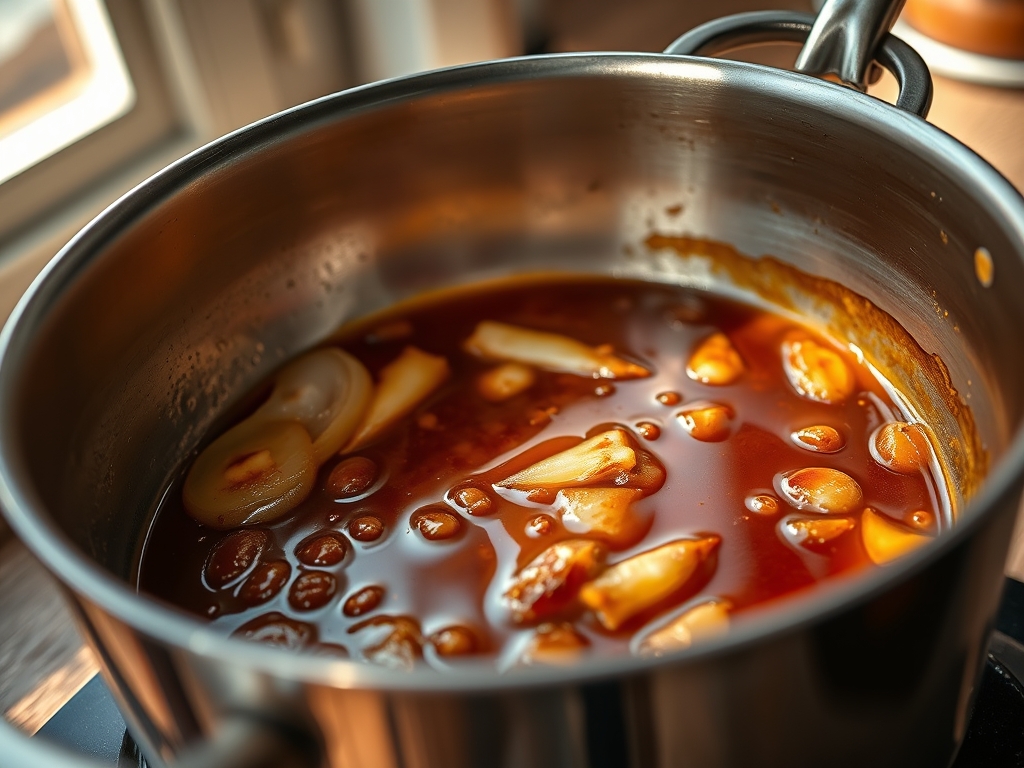
Step 1: The Sabayon Foundation
Place your egg yolks and caster sugar into a stainless steel saucier over a gentle bain-marie. Whisk continuously until the mixture reaches 71C (160F) on a digital scale or thermometer. This ensures the proteins denature enough to thicken without curdling.
Pro Tip: The science here is all about sulfur bonds. By heating the yolks slowly, you create a stable foam that can hold the weight of the heavy fats later. Using a saucier with rounded bottoms prevents "dead zones" where eggs can scramble.
Step 2: Tempering the Mascarpone
In a separate chilled bowl, use a bench scraper or a stiff spatula to soften the mascarpone. Do not overwork it. Gradually fold a small portion of your warm egg mixture into the cold cheese to equalize the temperatures.
Pro Tip: This is the critical moment for Mascarpone Viscosity. If you dump hot eggs into cold fat, you will cause the butterfat to melt and then seize, resulting in a lumpy texture. Gradual tempering maintains the viscous integrity of the lipid structure.
Step 3: Achieving the Aerated Peak
In a third bowl, whip your heavy cream and sea salt until stiff peaks form. The salt acts as a flavor enhancer and helps strengthen the protein walls of the air bubbles. Gently fold the whipped cream into your mascarpone-egg base using a large metal spoon.
Pro Tip: Use a metal spoon rather than a silicone spatula for the final fold. The thin edge of the metal cuts through the fats without deflating the air you worked so hard to infuse into the cream.
Step 4: Structural Assembly
Quickly dip your ladyfingers into the chilled espresso. They should be submerged for no more than one second. Layer them tightly in a glass dish, followed by a thick layer of the mascarpone mixture. Use an offset spatula to level the surface.
Pro Tip: If the biscuits soak for too long, they will render their starch into the cream, destroying the clean lines of your dessert. Speed is your ally here to maintain the distinct boundaries between the cake and the fat.
Section B: Prep & Timing Fault-Lines:
The most common human error is the "Thermal Shock" mistake. If you try to whip mascarpone that is straight from the refrigerator, the friction of the whisk will create localized heat, melting the fat while the core remains frozen. This results in a "broken" appearance. Always allow your mascarpone to sit at room temperature for exactly 15 minutes before processing. Furthermore, timing the espresso dip is a matter of millisecond precision. A soggy biscuit will leak water into the cream over time, causing the Mascarpone Viscosity to drop and the entire structure to "slump" within four hours of assembly.
THE VISUAL SPECTRUM
Section C: Thermal & Visual Troubleshooting:
Look closely at the Masterclass photo. You should see a matte, velvet-like finish on the cream, not a glossy or oily sheen. A glossy surface indicates that the fat has begun to melt or "break." If your mixture looks dull and yellow, you have over-cooked the egg yolks in the first step. To fix a broken, oily mixture, try whisking in a single tablespoon of ice-cold heavy cream to re-emulsify the fats. If your layers are blending into one another, your Mascarpone Viscosity is too low; the solution is to chill the dessert for at least six hours to allow the saturated fats to re-crystallize and provide structural support. The visual cue for success is a "clean break" when a spoon is inserted; the cream should pull away from the spoon cleanly rather than sticking or trailing.
THE DEEP DIVE
Macro Nutrition Profile
This is a high-density lipid experience. A single serving contains approximately 450 calories, with 38g of fat, 22g of carbohydrates, and 6g of protein. The high fat content provides significant satiety, meaning a smaller portion is often more satisfying than a larger, lower-fat alternative.
Dietary Swaps
- Vegan: Replace mascarpone with a blend of soaked cashews, coconut cream, and a touch of lactic acid for that piquant tang.
- Keto: Substitute caster sugar with powdered erythritol or monk fruit sweetener. Ensure the biscuits are made from almond flour.
- Gluten-Free: Utilize certified GF ladyfingers or a sponge cake base made with rice flour and potato starch.
Meal Prep & Reheating Science
Maintaining molecular structure in a fat-heavy dish requires cold-chain integrity. This dish should never be reheated. For meal prep, assemble the components but keep the cocoa powder dusting until the final second. The cocoa is hygroscopic; it will pull moisture from the cream and turn into a muddy film if applied too early. Store in an airtight container to prevent the mascarpone from absorbing "fridge odors," as fats are highly porous at a molecular level.
THE KITCHEN TABLE
How do I fix runny mascarpone cream?
If your cream is too thin, you likely under-whipped the heavy cream or over-mixed the mascarpone. Gently fold in an additional 50ml of stiffly whipped cream or chill the entire mixture for two hours to stabilize the fats.
Can I use a stand mixer for the whole process?
Use a stand mixer for the egg yolks and the whipping cream, but never for the final folding process. The mechanical power of a stand mixer is too aggressive and will likely break the delicate Mascarpone Viscosity.
Why does my tiramisu have liquid at the bottom?
This is usually caused by over-soaking the biscuits or the mascarpone "weeping" due to temperature fluctuations. Ensure your espresso is bone-dry cold before dipping and that your mascarpone is high-quality with minimal fillers or stabilizers.
What is the best way to get clean slices?
To achieve professional-grade visual lines, freeze the dessert for 30 minutes before slicing. Use a thin-bladed knife dipped in hot water and wiped dry between every single cut to prevent the cream from dragging.
How long does the emulsion stay stable?
A properly executed mascarpone emulsion will remain stable for 48 to 72 hours in a cold environment. Beyond that, the proteins begin to break down and the sugar will start to draw moisture out of the fats.