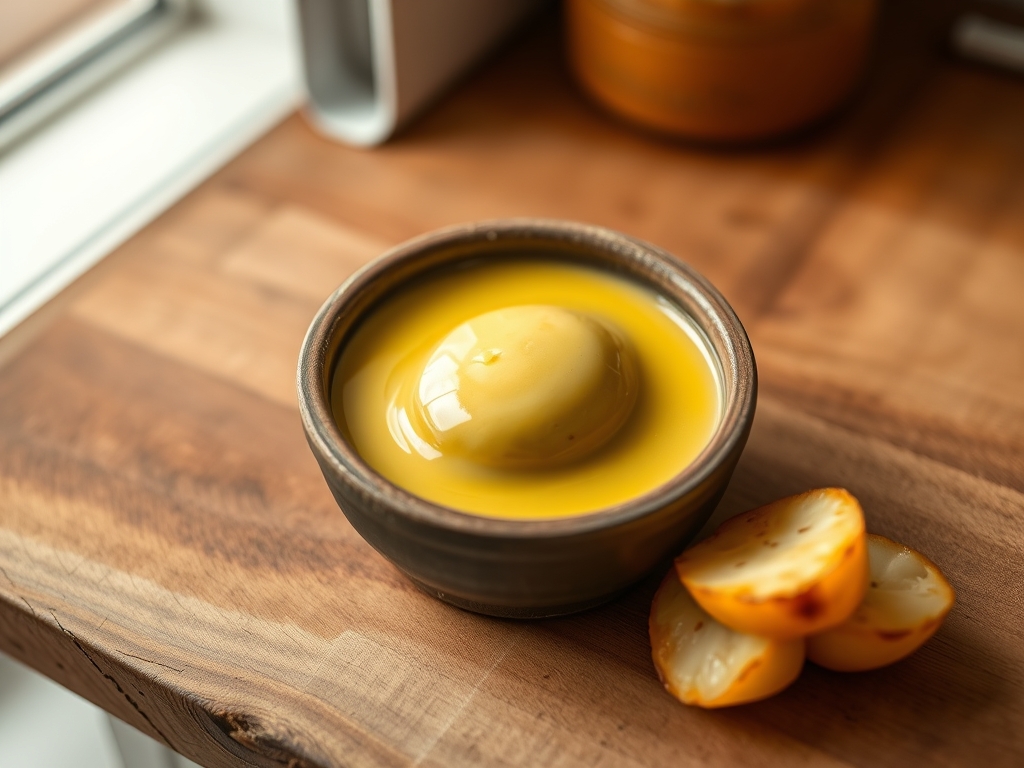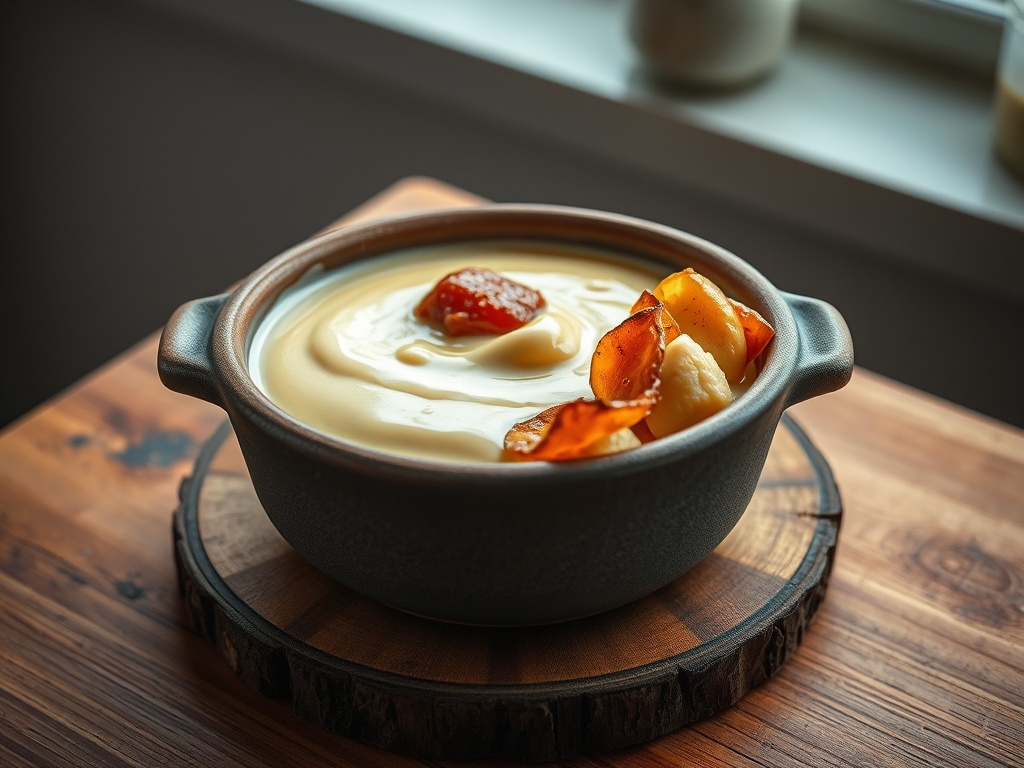
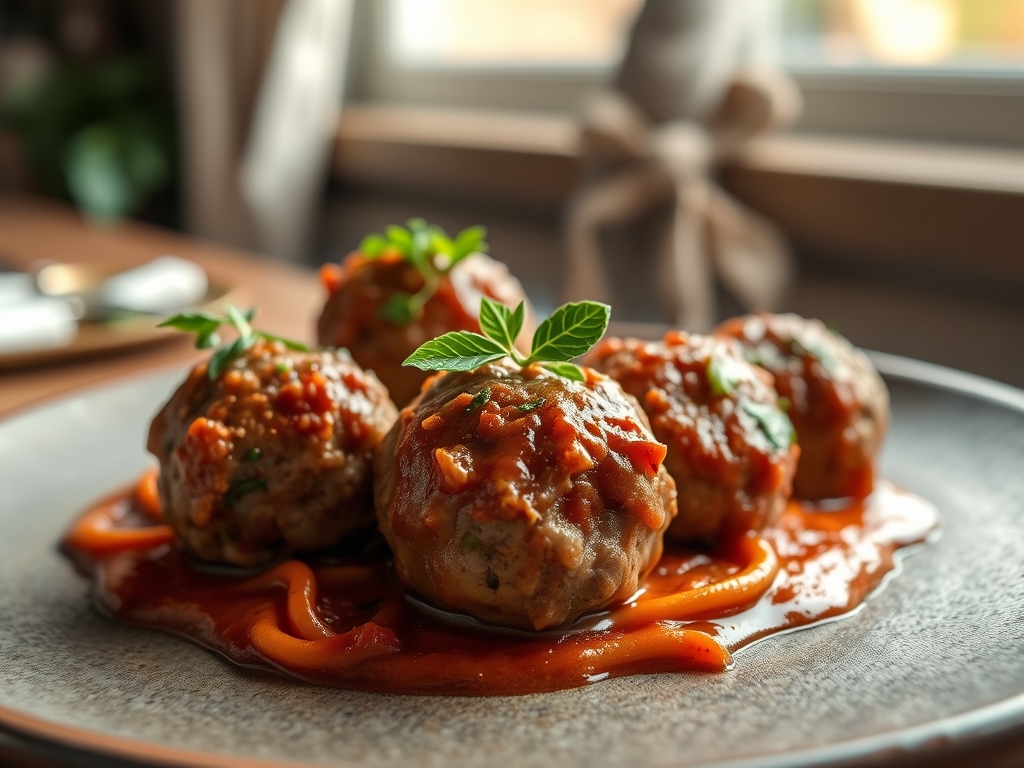
Listen closely because the culinary architecture of the perfect sphere is not a suggestion; it is a structural imperative. We are not merely rolling ground flesh into clumps. We are performing high-level protein engineering to create the ultimate Italian Meatballs. Imagine the tactile resistance of a perfectly seared exterior yielding to a cloud-like, succulent interior that defies the laws of gravity. This is about the tension between the Maillard reaction and the delicate hydration of a panade. If your current meatballs resemble dense, rubbery pellets suitable for a slingshot, you are failing the audit. We demand a product that is aerated, infused with aromatic lipids, and structurally sound enough to withstand a simmer in a viscous pomodoro without disintegrating into a meat-slurry. This technical audit will strip away the domestic fluff and replace it with professional-grade infrastructure. We are optimizing for maximum surface area and internal moisture retention. Prepare your station; we are about to recalibrate your understanding of spherical protein compression and elevate the humble meatball to a masterpiece of kinetic flavor.
THE DATA MATRIX
| Metric | Specification |
|---|---|
| Prep Time | 30 Minutes |
| Execution Time | 45 Minutes |
| Yield | 24-28 Spheres |
| Complexity | 6 / 10 |
| Estimated Cost per Serving | $2.75 USD |
THE GATHERS
Ingredient Protocol:
- 500g / 1.1 lbs Ground Beef (80/20 lean-to-fat ratio)
- 250g / 0.55 lbs Ground Pork (High-fat shoulder grind)
- 120g / 2 cups Fresh White Breadcrumbs (Decrustified)
- 120ml / 0.5 cup Whole Milk (Cold)
- 2 Large Eggs (Room temperature)
- 60g / 0.75 cup Parmigiano-Reggiano (Microplaned)
- 4 Garlic Cloves (Minced into a paste)
- 15g / 0.25 cup Fresh Flat-Leaf Parsley (Finely chiffonaded)
- 10g / 2 tsp Kosher Salt
- 5g / 1 tsp Freshly Cracked Black Pepper
- 2g / 0.5 tsp Ground Nutmeg
Section A: Ingredient Quality Audit:
Sub-par raw materials are the primary cause of structural failure. If your beef is too lean (90/10 or higher), the protein fibers will tighten into a dry, granular mess. Technical Fix: Incorporate 50g of chilled, grated butter or additional pork fat to restore the lipid balance. If your breadcrumbs are the "store-bought sandy" variety, your meatballs will lack the necessary aeration. Technical Fix: Hydrate dry crumbs in the milk for a full 15 minutes before mixing to create a viscous panade that prevents protein cross-linking. Finally, if your cheese is the pre-shredded kind coated in potato starch, your binding will be compromised. Technical Fix: Use only DOP-certified Parmigiano-Reggiano to ensure the salt and umami levels are chemically accurate.
THE MASTERCLASS
Step-by-Step Execution:
1. The Panade Synthesis
In a stainless steel mixing bowl, combine the fresh breadcrumbs and milk. Allow this to sit until the liquid is fully absorbed and a paste forms. This is the structural foundation of the sphere.
Pro Tip: This process, known as creating a panade, physically interferes with the meat proteins as they cook, preventing them from bonding too tightly. Use a digital scale to ensure the ratio is exact; too much moisture leads to structural collapse.
2. Aromatic Integration
Add the minced garlic, eggs, Parmigiano-Reggiano, parsley, salt, pepper, and nutmeg to the panade. Whisk vigorously until the mixture is homogenous and aerated.
Pro Tip: Aeration at this stage ensures that flavors are evenly distributed before the meat is introduced. Using a microplane for the cheese and garlic creates more surface area, allowing the aromatics to infuse the fat more efficiently during the thermal phase.
3. Protein Incorporation
Add the beef and pork to the bowl. Using chilled hands or a bench scraper, gently fold the meat into the panade mixture. Do not overwork the meat. Stop the moment the ingredients are visually integrated.
Pro Tip: Over-mixing causes the proteins to develop myosin, the same stuff that makes sausage "snap." For Italian Meatballs, we want a tender, open crumb. Keep the meat cold to prevent the fat from "smearing" before it hits the heat.
4. Spherical Calibration
Using a 2-ounce portion scoop, portion the mixture into uniform globes. Lightly roll them between your palms to smooth the surface, but do not compress them with force.
Pro Tip: Uniformity is not just for aesthetics; it ensures a consistent thermal curve across all units. A digital scale can verify that each sphere is exactly 55-60 grams, ensuring they all finish cooking at the same millisecond.
5. The Maillard Initiation
Heat a thin layer of high-smoke-point oil in a heavy-bottomed saucier or cast-iron skillet. Sear the meatballs in batches, rotating them carefully to achieve a deep, mahogany crust on all sides.
Pro Tip: This is the Maillard reaction in action. We are creating hundreds of new flavor compounds through the interaction of amino acids and reducing sugars. Do not crowd the pan, or you will drop the temperature and steam the meat instead of searing it.
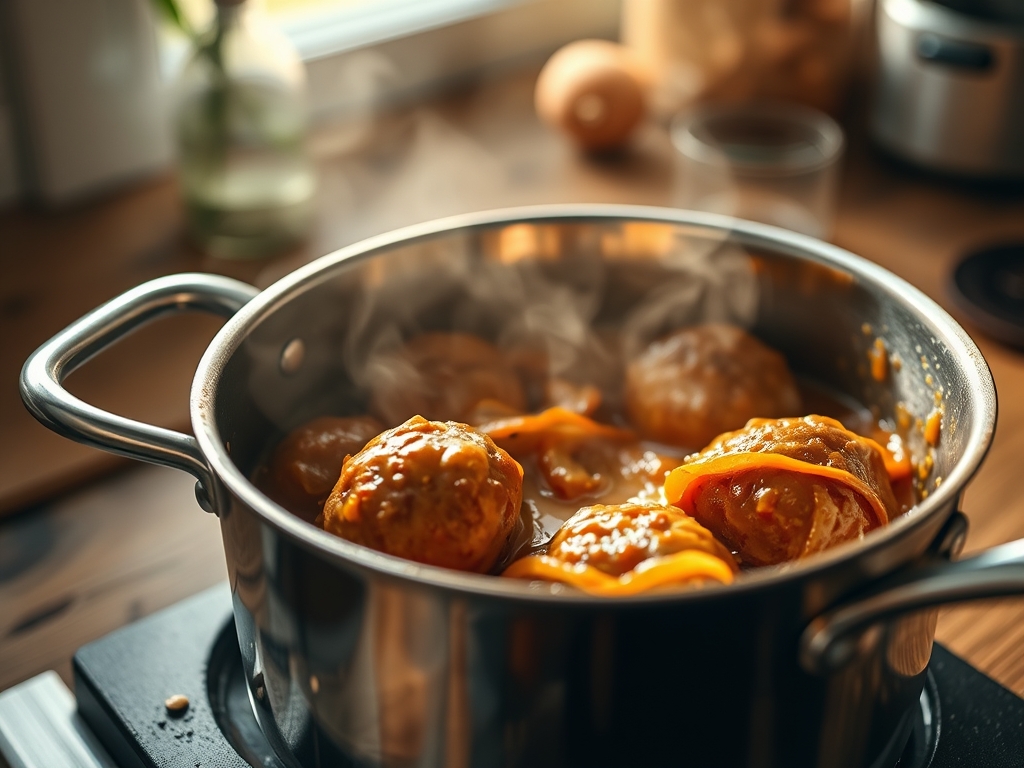
6. The Final Simmer
Transfer the seared spheres into a simmering pot of marinara sauce. Cover and cook on low heat for 15 to 20 minutes until the internal temperature reaches 71C / 160F.
Pro Tip: The sauce acts as a thermal buffer, gently bringing the center to temperature while the exterior fats render and meld with the tomato acidity. Use an instant-read thermometer to prevent overcooking.
Section B: Prep & Timing Fault-Lines:
The most common human error is the "Warm Meat Syndrome." If your protein reaches room temperature during the mixing phase, the fat will liquefy and leak out during cooking, leaving you with a dry interior and a greasy pan. Audit Fix: Chill your mixing bowl and your hands before starting. Another timing error is the "Premature Flip." If you try to move the meatballs before the crust has formed, they will stick and tear. Audit Fix: Wait for the protein to naturally release from the pan surface; this is a chemical signal that the sear is complete.
THE VISUAL SPECTRUM
Section C: Thermal & Visual Troubleshooting:
Observe the Masterclass photo: Note the variegated browning. If your meatballs are a uniform, dull grey, you skipped the high-heat sear. If they are perfectly round but hard as rocks, you compressed them too tightly during the shaping phase. If the sauce is "breaking" with orange oil on top, your meat-to-fat ratio was too high or you didn't drain the excess grease after searing. To fix a dull appearance, deglaze your searing pan with a splash of wine and add those juices back into your sauce for a glossy, piquant finish.
THE DEEP DIVE
Macro Nutrition Profile:
Each 60g sphere contains approximately 180 calories, 12g of protein, 14g of fat, and 4g of carbohydrates. The high fat content is essential for the "mouthfeel" and flavor delivery, while the protein provides the structural matrix.
Dietary Swaps:
- Vegan: Replace meat with a 1:1 ratio of cooked lentils and minced mushrooms. Use a flax-egg and nutritional yeast for the binder.
- Keto: Eliminate the breadcrumbs and use crushed pork rinds or almond flour. Increase the cheese ratio for stability.
- GF: Use certified gluten-free breadcrumbs or a mixture of cooked quinoa and parmesan.
Meal Prep & Reheating Science:
To maintain molecular structure, freeze meatballs on a parchment-lined tray before bagging. This prevents them from fusing into a single mass. When reheating, avoid the microwave, which causes "localized boiling" of the fats and toughens the protein. Instead, simmer them slowly in sauce to rehydrate the fibers.
THE KITCHEN TABLE
Why are my meatballs falling apart in the sauce?
Your binder-to-protein ratio is likely too low, or you didn't sear them long enough. The sear creates a "crust-skeleton" that holds the sphere together during the long simmer. Ensure your eggs are large and your panade is thick.
Can I bake them instead of frying?
Yes, but you sacrifice flavor. Baking at 200C / 400F on a wire rack provides decent browning, but you lose the intense deglaze potential of the pan-sear. If you must bake, spray them with oil first to assist the Maillard reaction.
Why is the texture rubbery?
You over-mixed the meat. When you handle ground meat too much, the proteins cross-link into a tight, elastic web. Treat the meat like a delicate pastry dough; fold it gently until just combined and never "squeeze" the spheres.
What is the best meat blend?
The "Holy Trinity" is beef, pork, and veal. Beef provides the iron-rich base; pork provides the lubricating fat; veal provides the gelatinous structure. If veal is unavailable, increase the pork fat or add a tablespoon of unflavored gelatin.