Forget the chalky, crumbly pucks of disappointment found in the back of a supermarket dairy case. When we discuss Goat Cheese Softness, we are analyzing a specific molecular equilibrium between moisture content and protein structure. A true caprine masterpiece should possess a texture that is nearly viscous at room temperature; it should spread with the effortless grace of room-temperature butter while retaining that signature piquant punch. This is not merely food; it is a high-stakes engineering project involving fatty acid chains and delicate curds. Achieving that elusive, velvet-like consistency requires an audit of your thermal environment and your acidification timeline. If your cheese shatters when pressed with a knife, you have failed the structural integrity test. We are here to ensure your dairy output achieves a level of silkiness that defies standard supermarket physics. Prepare to infuse your culinary repertoire with technical precision as we dismantle the mechanics of the perfect soft-ripened spread. It is time to stop guessing and start measuring the variables that dictate ultimate spreadability.
THE DATA MATRIX
| Metric | Specification |
|---|---|
| Prep Time | 20 Minutes |
| Execution Time | 24 to 48 Hours |
| Yield | 450g / 1 lb |
| Complexity (1-10) | 4 |
| Estimated Cost per Serving | $1.25 |
THE GATHERS
Ingredient Protocol:
- 2 Liters / 0.5 Gallon: Fresh, full-fat goat milk (unpasteurized preferred).
- 60ml / 0.25 Cup: Freshly squeezed lemon juice or white distilled vinegar.
- 5g / 1 Teaspoon: Fine sea salt (non-iodized).
- 2.5g / 0.5 Teaspoon: Dried herbes de Provence or cracked black pepper.
- 30ml / 2 Tablespoons: High-quality extra virgin olive oil for the finish.
Section A: Ingredient Quality Audit:
The primary failure point in Goat Cheese Softness is the milk source. Ultra-pasteurized (UHT) milk has undergone extreme thermal stress; this denatures the proteins to a point where they cannot form a cohesive, soft curd. If you use UHT milk, your result will be a grainy, liquid mess rather than a viscous spread. To fix this, always source "low and slow" pasteurized milk or raw milk. If your curds are too tight and rubbery, your acid concentration was likely too high. You can render the texture more supple by folding in a small amount of heavy cream after the straining process to re-introduce fat globules into the protein matrix.
THE MASTERCLASS

Step-by-Step Execution:
1. Thermal Induction and Monitoring
Pour your milk into a heavy-bottomed saucier to ensure even heat distribution. Slowly elevate the temperature to 82 degrees Celsius (180 degrees Fahrenheit) using a medium-low flame. Use a digital thermometer to monitor this; do not rely on visual cues like "simmering."
Pro Tip: Use a silicone spatula to scrape the bottom constantly. This prevents the milk solids from scorching, which would introduce a burnt flavor and ruin the delicate piquant profile of the caprine fats.
2. Precise Acidification
Once the target temperature is reached, remove the saucier from the heat. Gradually pour in your acid while stirring in a gentle figure-eight motion. You will see the milk begin to aerate and separate into white curds and yellowish whey. Cover the pot and let it sit undisturbed for 15 minutes.
Pro Tip: The "carry-over" heat is what completes the curd formation. If you continue to boil the milk after adding acid, the proteins will tighten into hard, rubbery knots, destroying any hope of Goat Cheese Softness.
3. The Gravity Filtration Phase
Line a fine-mesh sieve with three layers of dampened cheesecloth and set it over a deep bowl. Transfer the curds into the cloth using a slotted spoon. Allow the whey to drain by gravity for 1 to 2 hours depending on your desired moisture level.
Pro Tip: For maximum creaminess, do not squeeze the bag. Squeezing forces out too much moisture and traps the solids too tightly. Use a bench scraper to gently move the curds around the cloth every 30 minutes to ensure even drainage.
4. Flavor Infusion and Emulsification
Transfer the drained curds to a clean glass bowl. Add your salt and any dried herbs. Use a whisk or a fork to aerate the mixture, whipping it slightly to incorporate air and create a lighter mouthfeel. This is the moment where the Goat Cheese Softness is finalized.
Pro Tip: If the mixture looks too dry, add back one tablespoon of the reserved whey. The whey contains lactose and minerals that help infuse the cheese with a deeper flavor profile while maintaining a spreadable texture.
Section B: Prep & Timing Fault-Lines:
Timing is the silent killer of texture. If you leave the cheese to drain for over four hours, you will transition from a soft spread to a firm log. If your kitchen is too hot (above 24 degrees Celsius), the fats can begin to render out of the solids, leading to a greasy finish. Always perform your drainage in a cool, draft-free area. If the curd formation is sluggish, your acid may have been weak; add an additional teaspoon of lemon juice and wait five more minutes before proceeding to the filtration stage.
THE VISUAL SPECTRUM
Section C: Thermal & Visual Troubleshooting:
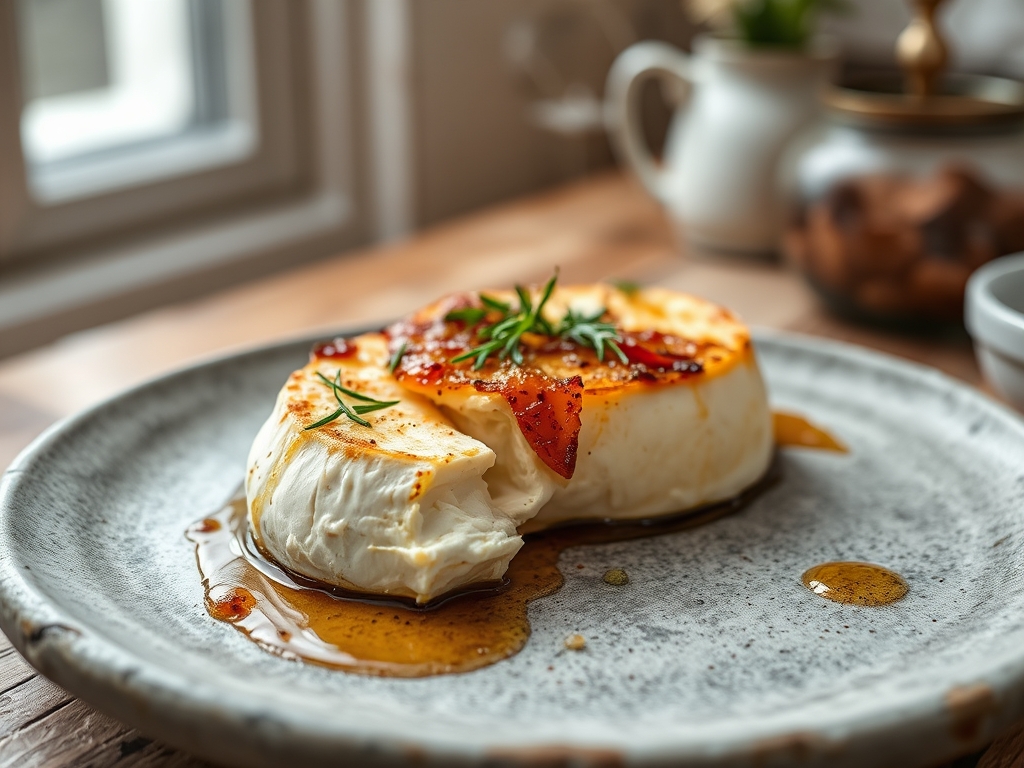
Referencing the Masterclass photo, the ideal cheese should display a matte white finish with a slight "slump" when plated. If your cheese looks translucent or grey, your milk was likely diluted or over-processed. If you see yellow pooling, the fat has separated due to excessive heat. A perfect audit result shows a uniform, opaque white color with tiny, soft peaks where the whisk was lifted. If the edges of the cheese look dry or cracked, it has been exposed to air for too long; cover it immediately with a thin layer of olive oil to seal in the moisture and preserve the viscous interior.
THE DEEP DIVE
Macro Nutrition Profile:
A standard 30g serving provides approximately 75 calories, 6g of fat, 5g of protein, and 1g of carbohydrates. Goat milk is naturally higher in medium-chain fatty acids compared to cow milk, making it easier to digest for many individuals.
Dietary Swaps:
For a vegan alternative, use soaked cashews blended with lemon juice and nutritional yeast to mimic the piquant acidity. For a keto-compliant version, ensure no honey or fruit-based balsamic glazes are used during the plating process. This recipe is naturally gluten-free.
Meal Prep & Reheating Science:
To maintain Goat Cheese Softness, store the product in an airtight glass container with a piece of parchment paper pressed directly onto the surface. This prevents oxidation. When reheating or softening, never use a microwave; the localized high-heat pockets will cause the fats to separate. Instead, let it sit at room temperature for 30 minutes to allow the molecular structure to relax naturally.
THE KITCHEN TABLE
Why is my goat cheese grainy?
Graininess occurs when the milk is heated too quickly or the acid is added while the milk is still boiling. This causes the proteins to clump aggressively. Slow down the thermal induction and ensure the heat is off before acidification.
How long does fresh goat cheese last?
Because this is a high-moisture, fresh cheese without preservatives, it should be consumed within 5 to 7 days. Always store it in the coldest part of your refrigerator and ensure your tools are sanitized to prevent mold growth.
Can I use white vinegar instead of lemon?
Yes. White vinegar provides a sharper, more neutral acidity, while lemon juice adds a subtle citrus note. Both will effectively trigger the curdling process. Ensure the vinegar is at least 5 percent acidity for a consistent reaction.
What do I do with the leftover whey?
Do not discard the "liquid gold." Whey is protein-rich and can be used to deglaze pans, added to smoothies, or used as a starter for fermented vegetables. It adds a wonderful tang to homemade sourdough bread.