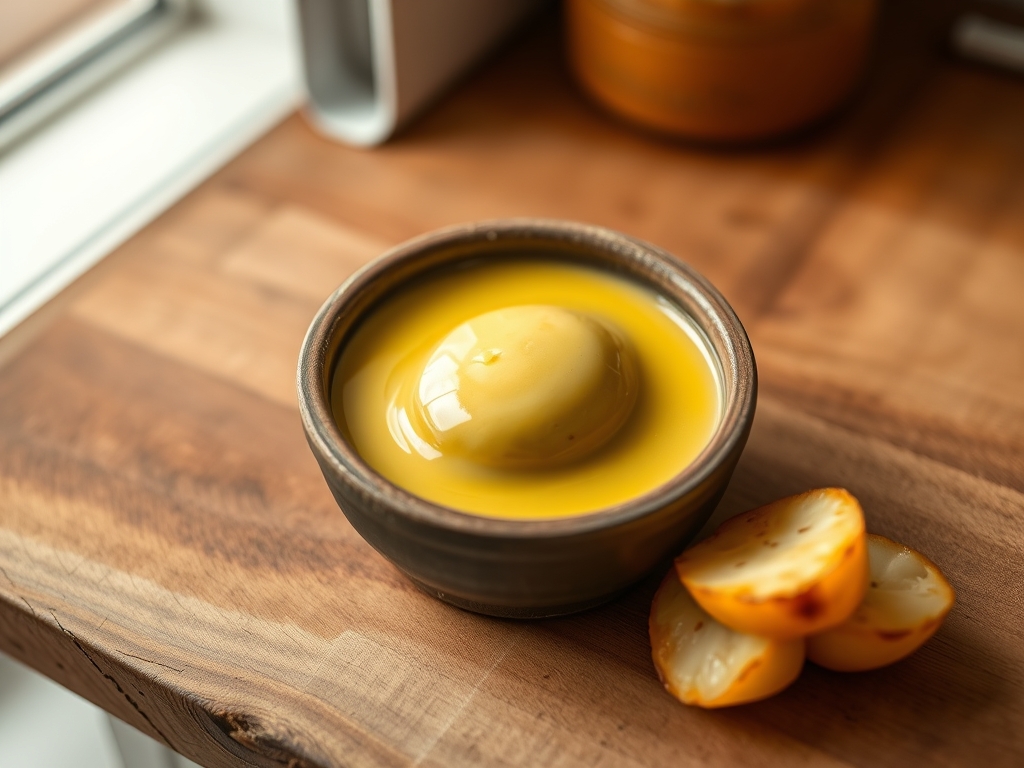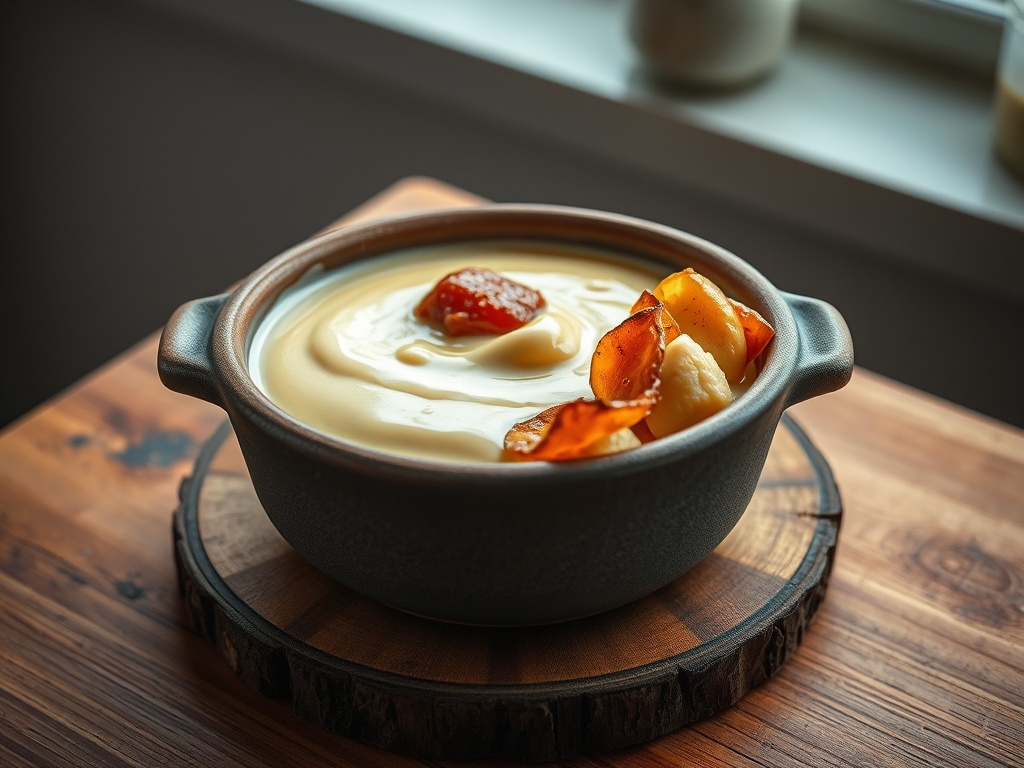
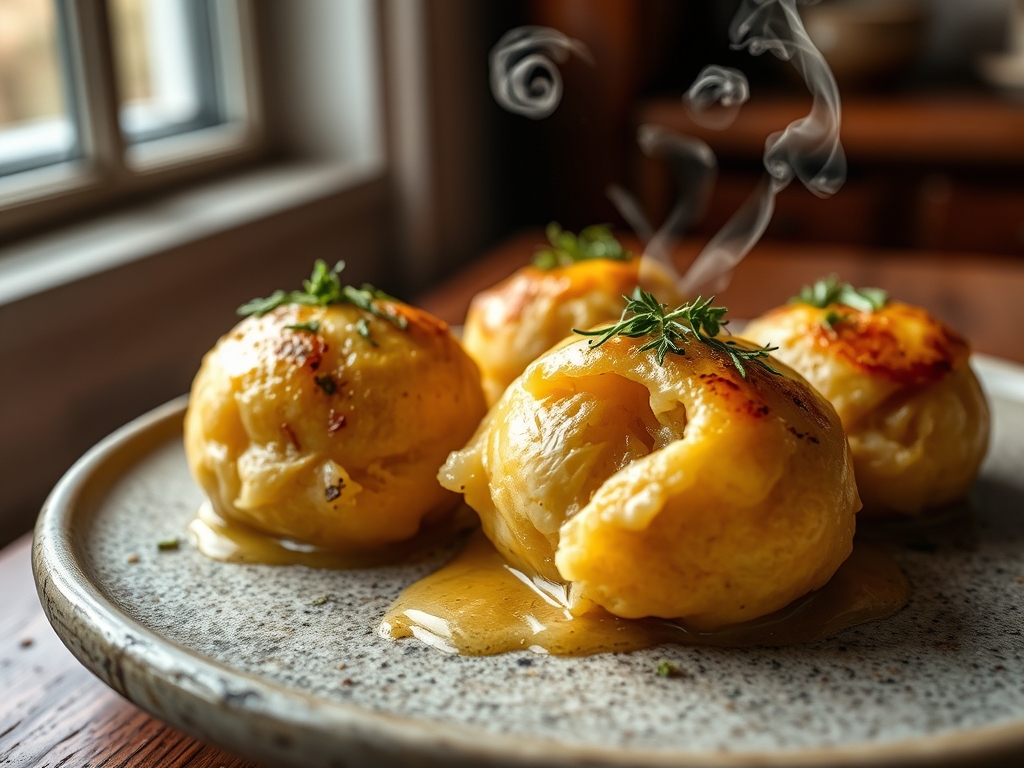
Imagine a golden, shimmering sea of chicken consomme, a liquid gold that has been clarified to a mirror finish through the patient application of a raft. Now, drop a sphere of architectural marvel into the center. This is not just a dumpling; it is a structural feat of culinary engineering where the primary metric of success is Matzo Ball Density. We are moving beyond the amateur realm of leaden pucks or disintegrating clouds. We are targeting the "floater" sweet spot: a sphere that possesses enough structural integrity to withstand the turbulent currents of a simmering pot, yet offers a crumb so tender it yields to the mere suggestion of a silver spoon. Achieving this requires a mastery of protein coagulation and fat emulsification. As an auditor of the kitchen, I am here to tell you that your soup is only as good as the physics governing your dough. We are about to deconstruct the molecular bonds of the matzo meal to ensure your next batch achieves peak aerodynamic efficiency and flavor saturation.
THE DATA MATRIX
| Metric | Specification |
|---|---|
| Prep Time | 20 Minutes |
| Execution Time | 45 Minutes (Active) / 60 Minutes (Chilling) |
| Yield | 12 Spheres (Medium Bore) |
| Complexity (1-10) | 7 |
| Estimated Cost per Serving | $1.25 |
THE GATHERS
Ingredient Protocol:
- Matzo Meal (Fine Grind): 125g / 1 cup
- Large Eggs (Room Temperature): 4 units / 200ml
- Schmaltz (Rendered Chicken Fat): 60ml / 4 tbsp
- Sparkling Water (Highly Carbonated): 45ml / 3 tbsp
- Kosher Salt: 10g / 2 tsp
- Fresh Dill (Minced): 15g / 3 tbsp
- White Pepper: 2g / 0.5 tsp
- Baking Powder (Optional for "Floaters"): 2g / 0.5 tsp
Section A: Ingredient Quality Audit:
The most common failure point in Matzo Ball Density is the use of stale matzo meal. If your meal smells like a dusty attic, it will lack the ability to infuse with the fats properly; replace it immediately. If your schmaltz has oxidized, it will impart a bitter, metallic tang to the core of the sphere. To fix a lack of "lift" in your dough, ensure your sparkling water is opened at the very second of integration to maximize the CO2 expansion. If you find your eggs are too small, compensate by weight; 200ml of liquid egg is the non-negotiable standard for this ratio.
THE MASTERCLASS
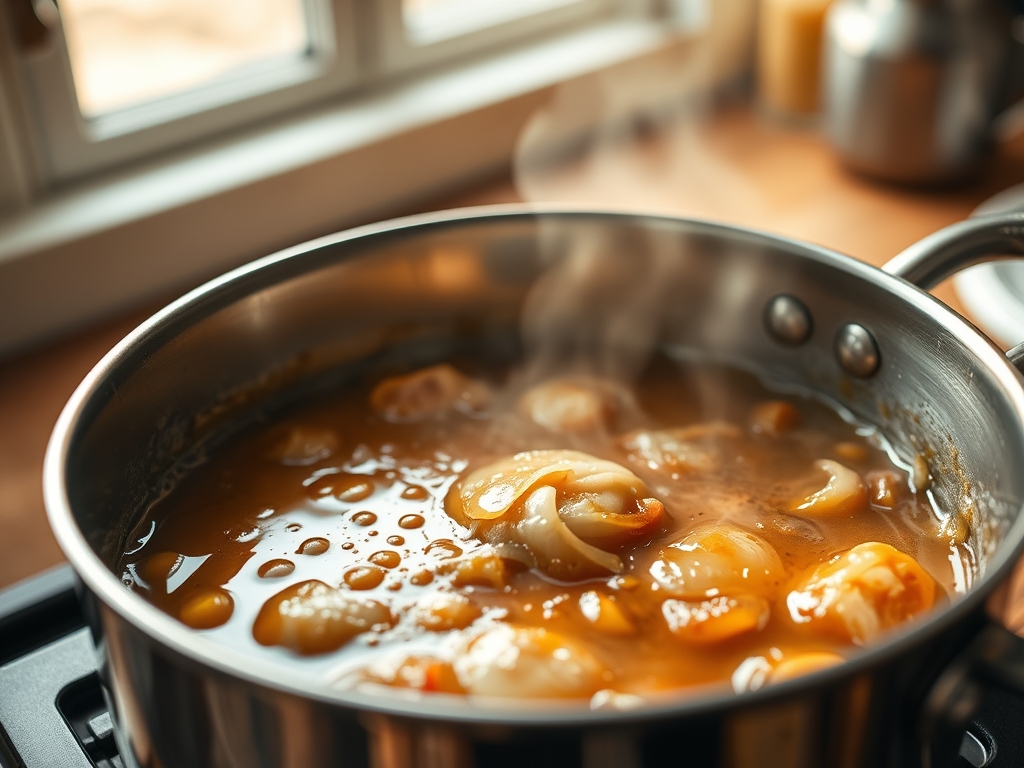
1. The Lipid-Protein Integration
Whisk your room-temperature eggs with the rendered schmaltz until you achieve a temporary emulsion. The fat must be fully suspended within the egg proteins to ensure a consistent crumb.
Pro Tip: Use a digital scale to measure your schmaltz. Even a 5-gram variance can drastically alter the final Matzo Ball Density, turning a light dumpling into a grease-heavy stone.
2. Aeration and Dry Incorporation
Fold in your matzo meal, salt, pepper, and dill using a silicone spatula. At this stage, add the sparkling water. The goal is to aerate the mixture without overworking the proteins, which would lead to a rubbery texture.
Pro Tip: Use a saucier or a wide-bottomed bowl for mixing; the curved sides prevent "dead zones" of dry meal that can create hard lumps in the finished product.
3. The Molecular Rest
Cover the mixture and refrigerate for a minimum of 60 minutes. This allows the matzo meal to fully hydrate, absorbing the moisture and fat into the center of each grain.
Pro Tip: This resting phase is where the "magic" happens. Without it, the exterior will cook while the interior remains gritty and raw. Use a bench scraper to clean the sides of the bowl before chilling to ensure no dough is wasted.
4. Precision Spherical Deployment
Wet your hands with cold water to prevent sticking and form the dough into 30g spheres. Do not compress them tightly; treat them like fragile glass.
Pro Tip: Use a spring-loaded scoop to ensure every ball is identical. Uniformity is not just for aesthetics; it ensures every sphere reaches the target Matzo Ball Density at the exact same timestamp.
5. The Controlled Simmer
Drop the spheres into a wide pot of boiling salted water or stock. Immediately reduce the heat to a bare simmer and cover with a tight-fitting lid. Do not peek for at least 35 minutes.
Pro Tip: A thermopen or digital probe can be used to check the internal temperature, which should reach 190 degrees Fahrenheit (88 Celsius) to ensure the egg proteins have fully set.
Section B: Prep & Timing Fault-Lines:
Human error often manifests in the "boil speed." If the water is at a rolling boil, the mechanical agitation will shred the exterior of the balls before the center hydrates. Conversely, if the water is too cool, the spheres will sink and stick to the bottom, creating a flat, dense side. Timing is also critical; if you pull them too early, you will find a "core of sadness," a dry, unhydrated center that ruins the textural experience.
THE VISUAL SPECTRUM
Section C: Thermal & Visual Troubleshooting:
Referencing the Masterclass photo, your spheres should exhibit a pale, creamy hue with vibrant flecks of green dill. If your matzo balls look grey, your schmaltz was likely scorched during the rendering process. If they appear "pitted" or look like the surface of the moon, your simmer was too aggressive. To fix a dull color, ensure you are using high-quality eggs with deep orange yolks. If the balls are falling apart, your Matzo Ball Density is too low; you likely added too much sparkling water or failed to rest the dough long enough for the hydration to stabilize the structure.
THE DEEP DIVE
Macro Nutrition Profile
A standard serving of two matzo balls provides approximately 180 calories, 9g of fat, 22g of carbohydrates, and 5g of protein. The majority of the caloric load comes from the schmaltz, which provides essential flavor and satiety.
Dietary Swaps
- Vegan: Replace eggs with a "flax egg" (ground flax and water) and swap schmaltz for a high-quality avocado oil. Note that the density will be significantly higher.
- Keto: This is a challenge, but almond flour mixed with psyllium husk can mimic the texture, though the flavor profile will shift toward the nutty spectrum.
- GF: Use certified gluten-free matzo meal made from potato or tapioca starch.
Meal Prep & Reheating Science
To maintain the molecular structure during reheating, always store the matzo balls in a separate container from the soup. If they sit in the liquid for 48 hours, they will continue to absorb water, eventually reaching a point of structural collapse. Reheat them by steaming or gently simmering in a small amount of broth to prevent the "waterlogged" effect.
THE KITCHEN TABLE
Why are my matzo balls sinking like stones?
This usually indicates a high Matzo Ball Density caused by over-mixing the dough or omitting the leavening agent. Over-mixing develops too much structural tension, preventing the CO2 from the sparkling water from expanding the crumb during the cooking process.
Can I use oil instead of schmaltz?
Technically, yes, but you sacrifice the viscous mouthfeel and deep savory notes. Schmaltz is a saturated fat that stays solid at cooler temperatures, which helps the dough maintain its shape during the crucial initial minutes of poaching.
How do I get that perfect "floater" texture?
The secret is the sparkling water and a light touch. By introducing carbonation and avoiding compression when shaping the spheres, you create microscopic air pockets that decrease the overall density, allowing the balls to defy gravity in the broth.
Is it okay to cook them directly in the soup?
While it adds flavor, it clouds the broth. For a professional, crystal-clear presentation, poach them in salted water first, then transfer them to the piquant chicken consomme just before serving to ensure the visual integrity of the final dish.