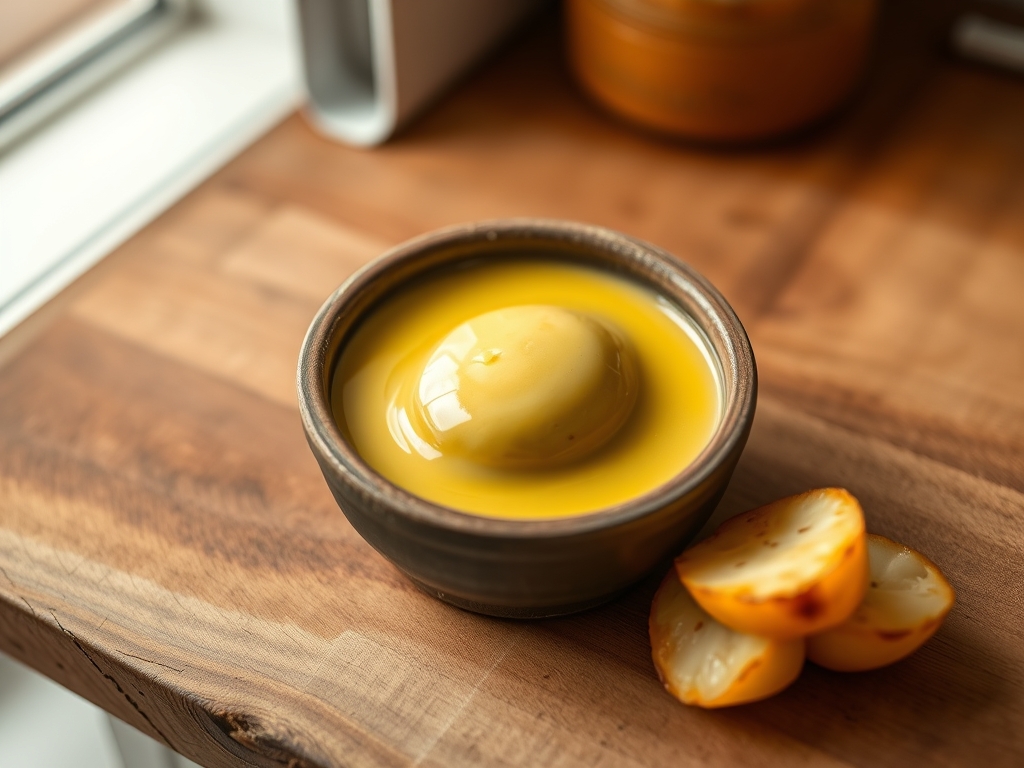
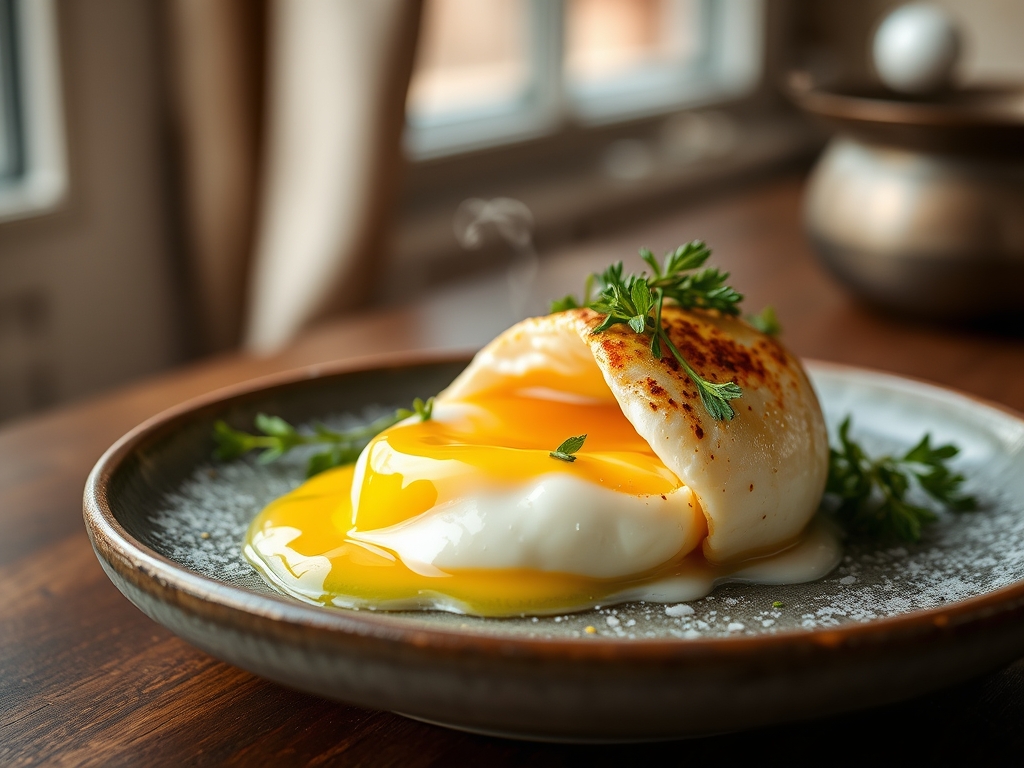
Imagine a world where physics and breakfast collide in a high-stakes ballet of fluid dynamics and protein coagulation. You are standing over a simmering vortex; your pulse matches the gentle thrum of the induction range. This is not just breakfast; it is an architectural challenge. We are chasing the platonic ideal of the Poached Egg Curvature. The goal is a perfect, teardrop-shaped orb that defies the chaotic nature of boiling water. When the knife edge finally breaches that delicate, translucent membrane, the yolk should erupt like liquid gold, viscous and rich, flooding the plate with a sauce that no emulsion can truly replicate. Most home cooks settle for ragged, ghostly wisps of albumin floating like lost souls in a pot of vinegar-tainted water. We are not most cooks. We are culinary auditors, and we demand structural integrity. We want a surface tension so precise that the egg holds its shape with defiant grace. Let us calibrate the equipment and synchronize the timers. It is time to audit the curve.
THE DATA MATRIX
| Metric | Specification |
|---|---|
| Prep Time | 5 Minutes |
| Execution Time | 4 Minutes |
| Yield | 2 Servings |
| Complexity (1-10) | 7 |
| Estimated Cost per Serving | $1.25 |
THE GATHERS
Ingredient Protocol:
- 2 Large Grade AA Eggs (Cold)
- 15ml / 1 tbsp White Distilled Vinegar
- 2 Liters / 8.5 cups Filtered Water
- 5g / 1 tsp Flaked Sea Salt
- 2g / 0.5 tsp Freshly Cracked Black Pepper
- 15g / 1 tbsp Unsalted Butter (for finishing)
- 2 Slices Sourdough Bread (2cm thickness)
Section A: Ingredient Quality Audit:
The primary failure point in achieving optimal Poached Egg Curvature is the age of the avian protein. As an egg ages, the chalazae weaken and the thick albumen thins into a watery mess. If your whites are spreading like a nebulous cloud, your raw materials have failed the audit.
Technical Fix: If you cannot source farm-fresh eggs, utilize a fine-mesh sieve. Crack the egg into the sieve over a bowl and let the thin, watery portion of the white drain away for sixty seconds. What remains is the structural core of the egg, which will maintain a tight, spherical geometry during the poaching process. Additionally, ensure your vinegar is clear; apple cider vinegar will stain the delicate whites and ruin the aesthetic spectrum.
THE MASTERCLASS
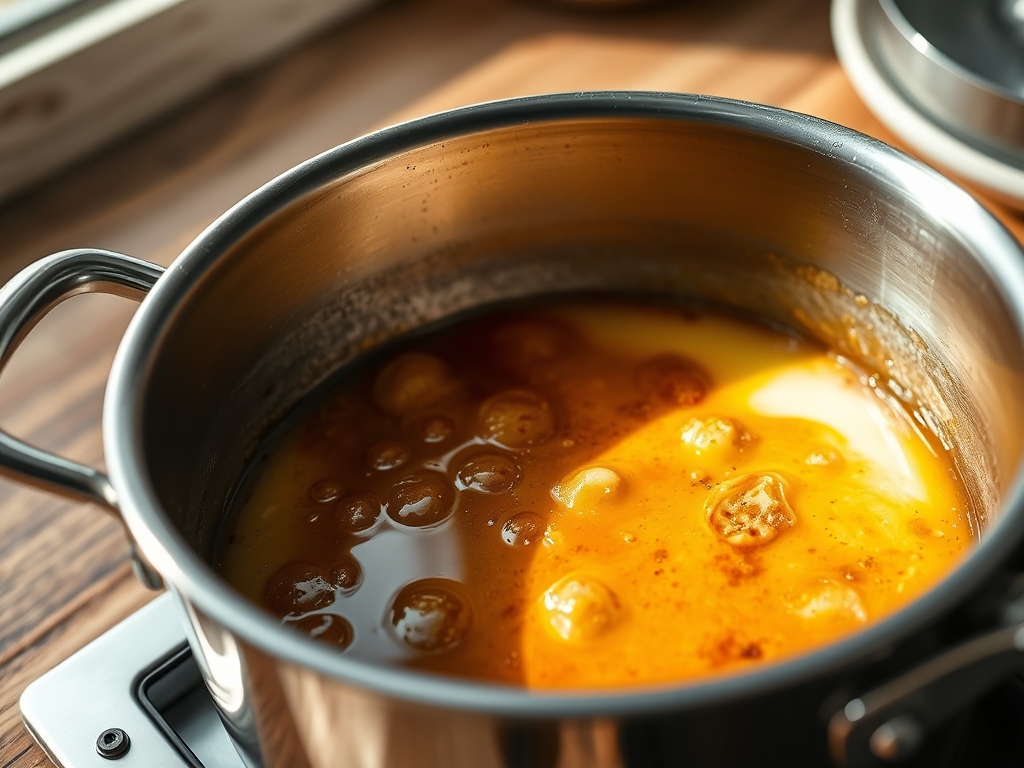
1. Thermal Calibration and Vessel Selection
Fill a deep saucier with filtered water. Unlike a standard saucepan, the sloped sides of a saucier facilitate better fluid movement. Bring the water to a "shiver" rather than a rolling boil. Use a digital thermometer to verify the temperature is exactly 88 degrees Celsius (190 degrees Fahrenheit).
Pro Tip: High-velocity bubbles act like jackhammers against delicate proteins. By maintaining a sub-simmering temperature, you prevent the mechanical breakdown of the egg white, allowing the proteins to denature and bond in a controlled, tight radius.
2. The Vortex Initiation
Add the vinegar to the water. Do not add salt yet, as salt can act as a dispersant and break the white apart. Use a whisk to create a gentle, consistent whirlpool in the center of the saucier. The centrifugal force will help wrap the white around the yolk as it enters the water.
Pro Tip: The vinegar lowers the pH of the water, which accelerates the coagulation of the egg proteins. This rapid set is the secret to locking in the Poached Egg Curvature before the water currents can tear the structure asunder.
3. Precision Insertion
Crack your audited egg into a small ramekin or espresso cup. Lower the cup to the surface of the water and drop the egg into the eye of the vortex in one fluid motion. Stop stirring immediately. The momentum of the water will continue to infuse the egg with its shape.
Pro Tip: Using a small vessel for the transfer, measured on a digital scale if you are batch-cooking, ensures that the egg enters the water with minimal gravitational impact. This prevents the yolk from bottoming out and flattening the curve.
4. The Temporal Dwell
Set a timer for exactly 3 minutes and 30 seconds. Do not agitate the water. Watch as the whites transform from translucent to an opaque, porcelain white. The yolk should remain shielded, protected by a tender cocoon of protein.
Pro Tip: This is the "dwell time." Any interference now will create structural fractures. Use this time to toast your sourdough and render a small amount of butter in a separate pan to deglaze any charred crumbs.
5. Extraction and Moisture Control
Use a slotted spoon to gently lift the egg from its bath. Feel the center; it should have the tactile resistance of a mozzarella ball. Transfer the egg to a paper towel-lined plate for five seconds to remove excess moisture.
Pro Tip: Water is the enemy of the final plate. If you move the egg directly from the pot to the toast, the residual poaching liquid will soak the bread, ruining the crunch and diluting the piquant flavor of the seasoning.
Section B: Prep & Timing Fault-Lines:
The most common human error is the "Double-Drop" delay. If you are poaching multiple eggs, dropping them more than ten seconds apart creates a staggered finish that is impossible to manage.
Technical Fix: Use a bench scraper to organize your mise en place so that all eggs are cracked into individual ramekins before the first one hits the water. If your timing is off and the yolk overcooks, it will lose its viscous flow, turning into a chalky, yellow puck that fails the audit.
THE VISUAL SPECTRUM
Section C: Thermal & Visual Troubleshooting:
Referencing the Masterclass photo, the ideal specimen displays a matte finish with no visible jagged edges. If your egg looks like a "fried" egg with lacy, brown edges, your water temperature was too high, causing the proteins to aerate and crisp.
If the yolk is visible through a thin veil of white, the egg was not rotated properly by the vortex. To fix this, ensure the water depth is at least 10cm to allow the egg to "fall" through the water column, which naturally wraps the whites. If the color is dull, a finishing spray of high-quality olive oil will provide a reflective sheen that enhances the visual appeal under kitchen lighting.
THE DEEP DIVE
Macro Nutrition Profile:
A single poached egg provides approximately 72 calories, 6g of high-biological-value protein, and 5g of healthy fats. It is a nutrient-dense powerhouse, containing choline for brain health and lutein for ocular integrity.
Dietary Swaps:
- Vegan: Utilize a "mung bean" based liquid substitute, though the Poached Egg Curvature is nearly impossible to replicate without animal-derived albumins.
- Keto: Replace the sourdough with a thick slice of grilled halloumi or a large portobello mushroom cap.
- GF: Use certified gluten-free artisan bread or a bed of sautéed spinach.
Meal Prep & Reheating Science:
To meal prep, "shock" the poached eggs in an ice bath immediately after cooking. Store them in cold water in the refrigerator for up to 2 days. To reheat, submerge them in hot (not boiling) water for 60 seconds. This maintains the molecular structure of the yolk without triggering further coagulation.
THE KITCHEN TABLE
Why does my egg always stick to the bottom?
Your water isn't deep enough or your vortex is too weak. The egg needs to stay suspended in the "hydro-zone" to set its outer layer before it touches the stainless steel surface of the saucier.
Can I poach eggs without vinegar?
Yes, but you must use eggs laid within the last 24 hours. Without the pH drop from the vinegar, the proteins in older eggs won't bond quickly enough to maintain a tight, professional Poached Egg Curvature.
Why is my yolk runny but the white is snotty?
This indicates the water temperature was too low. The white requires a specific thermal threshold to denature. If the water is under 80 degrees Celsius, the white stays translucent while the yolk warms through.
Does the salt type matter?
Absolutely. Use fine sea salt for the water (if you must) but save the heavy flakes for the final garnish. Large salt crystals in the poaching water can create "pockmarks" on the surface of the egg white.