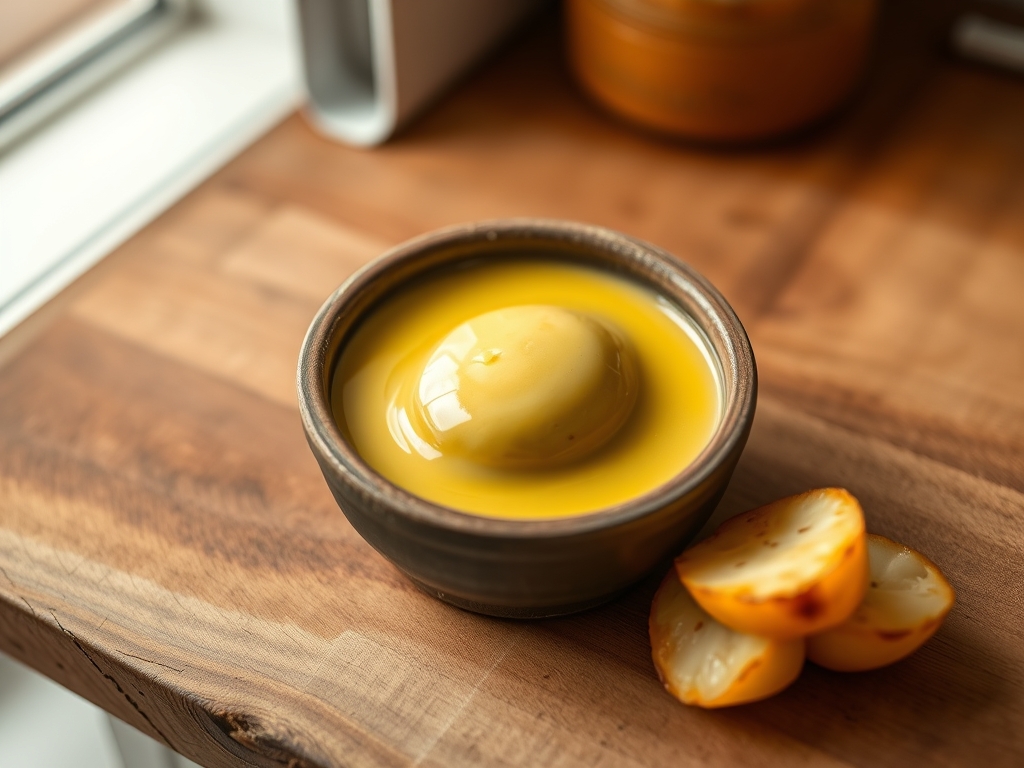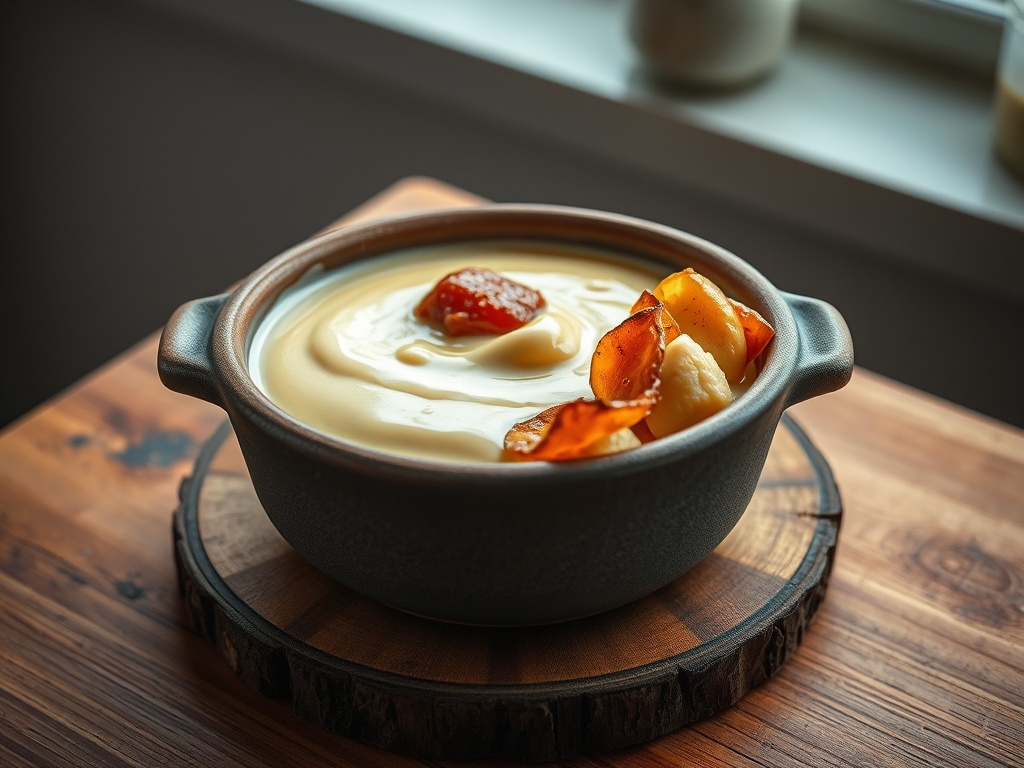
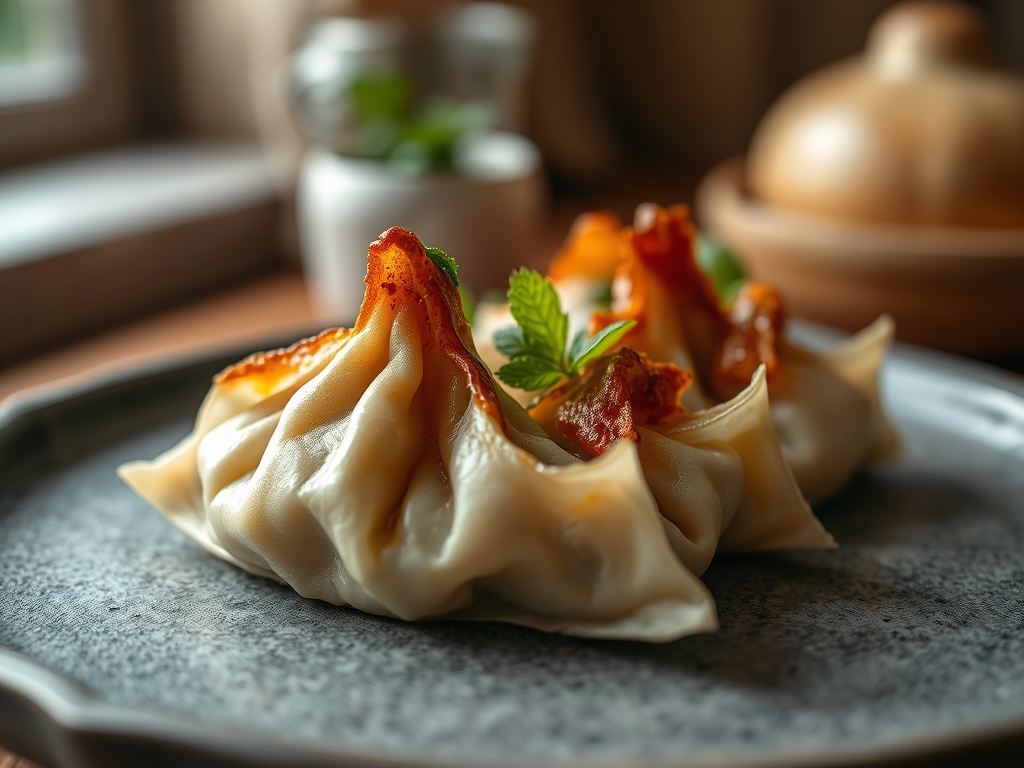
Listen up, kitchen architects. We are not merely folding dough; we are engineering pressurized steam chambers designed for maximum flavor retention. Welcome to the Pork Dumpling Audit. This is a high-stakes investigation into the structural integrity of the pleat and the molecular transformation of ground protein. Imagine the scent of toasted sesame oil colliding with the sharp, piquant sting of fresh ginger. Picture the moment a searing hot skillet meets a splash of water, creating a localized weather system of steam that penetrates the translucent skin of a perfectly formed parcel. We are hunting for that specific textural contrast: a golden, shattered-glass bottom and a supple, elastic crown. If your dumplings currently resemble soggy, structural failures that leak their precious cargo upon contact with a chopstick, your clearance is revoked. It is time to recalibrate your technique. We are moving beyond the recipe and into the realm of culinary infrastructure, where every millimeter of dough thickness and every gram of fat content is scrutinized for peak performance.
THE DATA MATRIX
| Metric | Specification |
|---|---|
| Prep Time | 45 Minutes |
| Execution Time | 15 Minutes |
| Yield | 30 – 35 Parcels |
| Complexity (1-10) | 7 |
| Estimated Cost per Serving | $1.45 |
THE GATHERS
Ingredient Protocol:
- 500g / 1.1 lbs Ground Pork (80/20 lean-to-fat ratio)
- 300g / 2.5 cups All-Purpose Flour
- 180ml / 0.75 cup Boiling Water
- 200g / 2 cups Napa Cabbage, finely minced
- 15ml / 1 tbsp Soy Sauce (low sodium)
- 10ml / 2 tsp Toasted Sesame Oil
- 15g / 1 tbsp Fresh Ginger, grated into a paste
- 20g / 3 stalks Green Onions, micro-planed
- 5g / 1 tsp Granulated Sugar
- 2g / 0.5 tsp White Pepper
Section A: Ingredient Quality Audit:
The primary failure point in a Pork Dumpling Audit is the moisture content of the cabbage. If you use raw, untreated cabbage, the salt in the pork will draw out water during the cooking process, resulting in a "soupy" interior that compromises the dough. To fix this, toss the minced cabbage with a teaspoon of salt, let it sit for ten minutes, and then use a cheesecloth to squeeze out every drop of excess liquid. Secondly, the fat ratio of the pork is non-negotiable. If you use 90/10 lean pork, the interior will be dry and crumbly. If your pork is too lean, infuse the mixture with two tablespoons of chilled chicken stock or lard to restore the viscous mouthfeel required for a premium audit result. Finally, ensure your flour is high-protein; low-protein cake flour will lack the gluten structure needed to hold the pleats under steam pressure.
THE MASTERCLASS
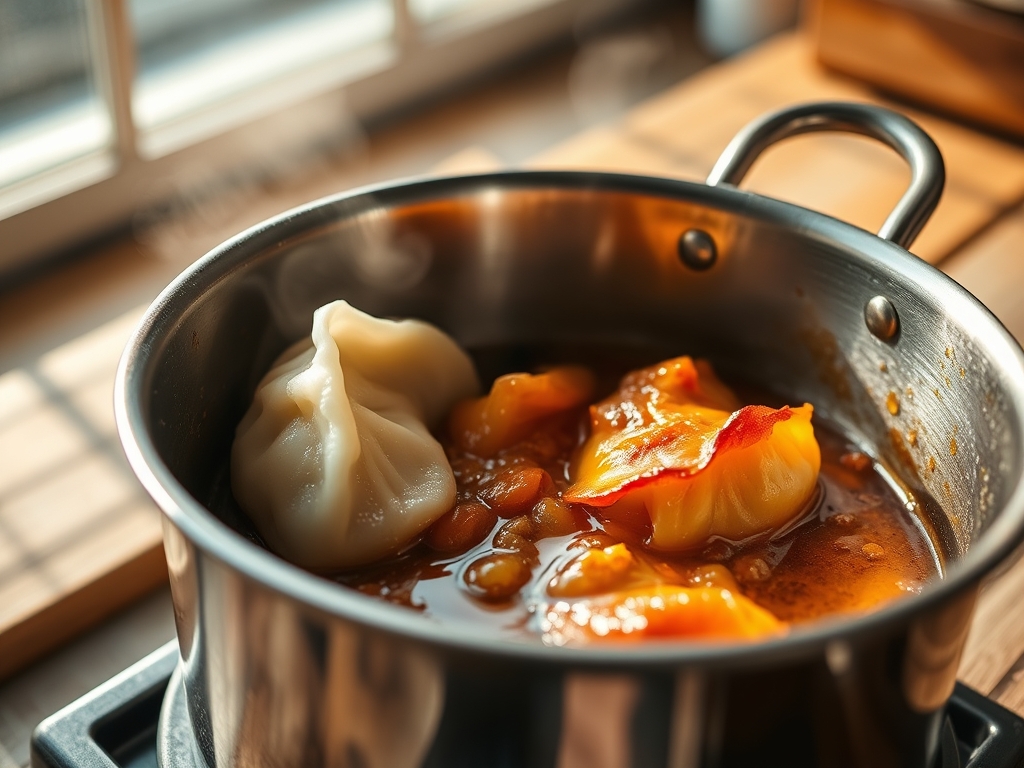
1. Hydrating the Matrix
Combine the flour and boiling water in a stainless steel bowl. Use a sturdy spatula to incorporate until a shaggy mass forms. Transfer to a clean surface and use a bench scraper to manage the sticky dough until it becomes smooth and elastic. Cover with plastic wrap and rest for 30 minutes.
Pro Tip: Boiling water denatures the proteins in the flour, resulting in a "hot water crust" that is more pliable and easier to roll thin without tearing. Use a digital scale to ensure the water-to-flour ratio is exact to the gram.
2. Emulsifying the Filling
In a large mixing bowl, combine the pork, squeezed cabbage, soy sauce, sesame oil, ginger, onions, sugar, and pepper. Use a pair of chopsticks or a heavy spoon to stir vigorously in one direction for three minutes until the mixture looks "fuzzy" and cohesive.
Pro Tip: This unidirectional stirring develops the myosin in the meat, creating a bouncy, sausage-like texture rather than a loose meatball. This is the secret to a professional-grade internal structure.
3. Precision Rolling and Sealing
Divide the dough into 15g balls. Use a small rolling pin to flatten each ball into a 3.5-inch circle, ensuring the edges are thinner than the center. Place a tablespoon of filling in the middle and pleat the edges to seal.
Pro Tip: The "thin edge, thick center" geometry is essential. The center supports the weight of the filling, while the thin edges prevent a thick, doughy knot at the top where the pleats converge.
4. The Maillard Foundation
Heat a non-stick skillet or a seasoned carbon steel wok over medium-high heat. Add a tablespoon of neutral oil. Place the dumplings in the pan and fry for 2 to 3 minutes until the bottoms are deeply bronzed.
Pro Tip: This stage is all about the Maillard reaction. Do not move the dumplings once they hit the oil; you want a flat, even surface area of contact to maximize flavor development.
5. The Steam Injection
Pour 60ml of water into the pan and immediately cover with a tight-fitting lid. Let the dumplings steam for 5 to 6 minutes until the water has completely evaporated. Remove the lid and fry for one additional minute to re-crisp the bottoms.
Pro Tip: Use a saucier or a small pitcher to pour the water around the edges of the pan rather than directly onto the dumplings to avoid washing away the starch that creates the "lace" effect.
Section B: Prep & Timing Fault-Lines:
The most common timing error occurs during the steaming phase. If the heat is too low, the dough will become waterlogged and gummy before the pork reaches the safe internal temperature of 165F. Conversely, if the heat is too high, the water will evaporate before the filling is cooked. Use a digital thermometer to verify the internal temperature of the first batch. Another fault-line is the "resting" phase. If you skip resting the dough, the gluten will be too tense, causing the wrappers to snap back during rolling, which results in thick, uneven skins that ruin the delicate balance of the parcel.
THE VISUAL SPECTRUM
Section C: Thermal & Visual Troubleshooting:
Look closely at the Masterclass photo. Notice the contrast between the pale, translucent tops and the dark, caramelized bottoms. If your dumplings appear monochromatic and pale, you have failed to achieve the proper sear before adding water. If the skins appear "blistered" or bubbly, your oil was too hot or contained too many impurities. A dull, matte finish on the dough indicates the dough was too dry; a glossy, slightly see-through appearance is the gold standard. If the pleats are opening, your seal was compromised by stray filling or excess flour on the edges. Use a fingertip dipped in water to "glue" the edges if the dough has dried out during the rolling process.
THE DEEP DIVE
Macro Nutrition Profile:
A standard serving of five pork dumplings contains approximately 350 calories, 15g of protein, 35g of carbohydrates, and 18g of fat. While they provide a solid hit of protein, the sodium content can be high due to the soy sauce and preserved aromatics.
Dietary Swaps:
- Vegan: Replace pork with a mixture of crumbled extra-firm tofu and minced shiitake mushrooms. Add a dash of liquid aminos to replicate the savory depth.
- Keto: Eliminate the dough entirely and use large cabbage leaves or thin slices of daikon radish as the "envelope."
- Gluten-Free: Use a pre-mixed gluten-free flour blend with xanthan gum, though the elasticity will be significantly reduced.
Meal Prep & Reheating Science:
To preserve the molecular structure, freeze dumplings in a single layer on a parchment-lined tray before bagging them. Never thaw before cooking; go straight from freezer to skillet, adding two minutes to the steaming time. To reheat cooked dumplings, avoid the microwave, which turns the dough into rubber. Instead, use a steamer basket for three minutes or a quick pan-fry to restore the crisp base.
THE KITCHEN TABLE
Why do my dumplings stick to the pan?
This usually happens if the pan wasn't hot enough before adding the oil, or if you tried to flip them before the Maillard crust fully formed. Use a well-seasoned pan and wait for the "natural release" point.
Can I use store-bought wrappers?
Yes, but they lack the structural integrity of fresh dough. If using store-bought, ensure they are at room temperature and use a water-dip on the edges to ensure a permanent seal during the steam phase.
What is the best dipping sauce ratio?
The industry standard is a 3:2:1 ratio: three parts black vinegar for acidity, two parts soy sauce for salt, and one part chili oil for heat and aromatic complexity.
My filling is falling out. What happened?
You likely overstuffed the parcel or failed to "work" the meat enough. Remember to stir the meat in one direction until it becomes a cohesive, tacky paste that clings to itself.