Welcome to the high stakes arena of molecular structural engineering where the primary building block is air and the failure state is a puddle of expensive mud. We are not just making dessert; we are conducting a high pressure Chocolate Mousse Audit to ensure your culinary infrastructure can withstand the laws of thermodynamics. Imagine a texture so light it threatens to float off the porcelain but possesses a flavor profile so dense it grounds you in pure cacao euphoria. This is the pursuit of gas phase stability. We are manipulating the surface tension of egg whites and the crystalline lattice of cocoa butter to create a stable, edible suspension. If your previous attempts have resulted in a grainy, weeping mess, your system has suffered a catastrophic breach in emulsification. We are here to patch those leaks. By the time this audit is complete, you will understand the precise intersection of temperature control and mechanical aeration required to achieve the perfect, viscous velvet that defines a world class mousse.
THE DATA MATRIX
| Metric | Specification |
|---|---|
| Prep Time | 25 Minutes |
| Execution Time | 15 Minutes |
| Yield | 6 Servings |
| Complexity (1-10) | 7 |
| Estimated Cost per Serving | $2.45 |
THE GATHERS
Ingredient Protocol:
- 200g / 7oz High quality dark chocolate (70% cacao minimum)
- 45g / 3 tbsp Unsalted European style butter
- 4 Large organic egg yolks
- 4 Large organic egg whites (at room temperature)
- 50g / 1/4 cup Superfine caster sugar
- 240ml / 1 cup Heavy whipping cream (36% fat content)
- 2ml / 1/2 tsp Pure vanilla extract
- 1g / 1/4 tsp Flaky sea salt
Section A: Ingredient Quality Audit:
The most common failure point in a Chocolate Mousse Audit is the use of low grade chocolate containing excessive vegetable fats or stabilizers. These additives interfere with the lipid crystallization process. If your chocolate seizes, it is likely due to moisture contamination or scorched solids. Always use a digital scale to ensure your ratios are exact; volume measurements for dry goods are notoriously unreliable. If your cream refuses to peak, check the temperature. Fat globules must be below 4 degrees Celsius to trap air effectively. If your eggs are cold, the proteins will be too tight to expand, leading to a dense, heavy product rather than a light foam.
THE MASTERCLASS
1. The Lipid Liquefaction
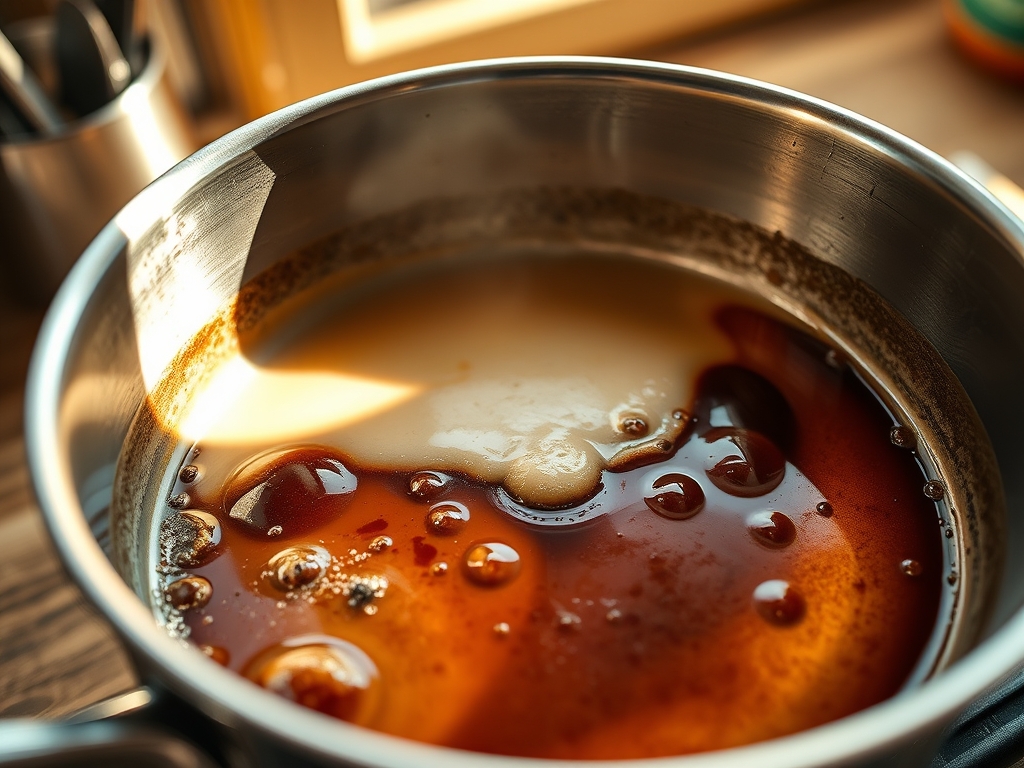
Place your chopped chocolate and butter into a stainless steel saucier or a heatproof bowl over a simmering water bath. Ensure the bottom of the bowl does not touch the water to avoid localized overheating. Stir gently until the mixture is a glossy, viscous liquid.
Pro Tip: This is a phase change operation. Using a silicone spatula, ensure no steam enters the bowl, as a single drop of water can cause the chocolate to "seize" by clumping the sugar and cocoa solids into a gritty paste.
2. The Yolks and Infusion
Remove the chocolate from the heat and allow it to cool to approximately 45 degrees Celsius. Whisk in the egg yolks one at a time, followed by the vanilla and sea salt. The salt acts as a flavor potentiator, cutting through the richness to infuse the palate with complexity.
Pro Tip: Use an infrared thermometer to verify the temperature. If the chocolate is too hot, you will scramble the yolks; if it is too cold, the mixture will lose its fluidity before you can incorporate the foam.
3. The Protein Aeration
In a clean glass bowl, whip the egg whites while gradually adding the caster sugar. Continue until you achieve stiff, glossy peaks. This process creates the primary structural lattice of the mousse.
Pro Tip: Use a balloon whisk or a stand mixer. The sugar stabilizes the protein bonds, preventing the air bubbles from collapsing when they encounter the heavy fats of the chocolate base.
4. The Dairy Suspension
Whip the heavy cream in a chilled bowl until it reaches soft peaks. You want a texture that mimics the egg whites to ensure a seamless integration of the two different types of foam.
Pro Tip: Do not over-whip. If the cream turns to butter, the emulsion is broken. A metal whisk provides better tactile feedback than a motorized one for this delicate stage.
5. The Final Integration
Gently fold the egg whites into the chocolate mixture using a bench scraper or large spatula, followed by the whipped cream. Use a "cut and fold" motion to preserve the air bubbles you have worked so hard to aerate.
Pro Tip: Work in thirds. Sacrificing the first third of your whites to lighten the chocolate makes the remaining two thirds much easier to incorporate without losing volume.
Section B: Prep & Timing Fault-Lines:
Timing is the silent killer of the Chocolate Mousse Audit. If you whip your whites too early, they will undergo syneresis, where the water separates from the protein. If you wait too long to fold, the chocolate will set, creating "flecks" rather than a smooth transition. Your mise en place must be perfect. Have all bowls, whisks, and ingredients ready before the first flame is lit.
THE VISUAL SPECTRUM
Section C: Thermal & Visual Troubleshooting:
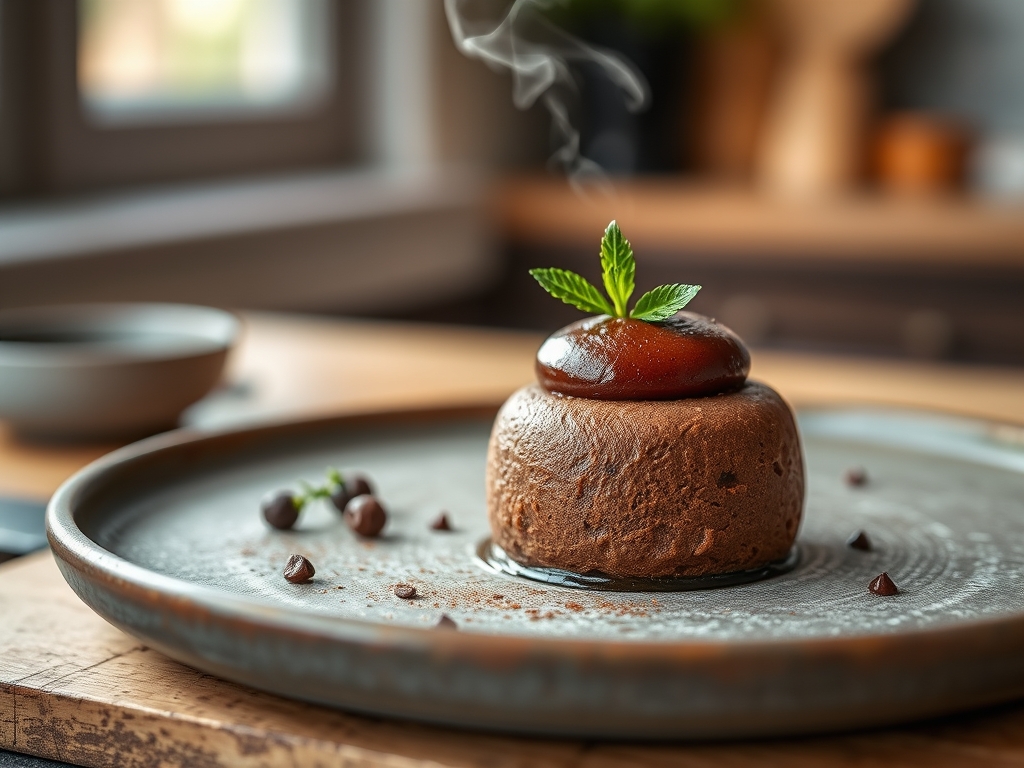
The Masterclass photo above displays a deep, matte mahogany finish with a distinct "pitted" surface, indicating high gas retention. If your mousse appears "sweaty" or has a translucent sheen, your emulsion has broken, likely due to excess heat during the folding process. If the color is pale or streaky, you have failed to achieve a homogenous mixture. Dullness usually indicates that the chocolate was overheated, causing the cocoa butter to separate. A perfect audit result shows a uniform, aerated structure that holds its shape when scooped, revealing a microscopic honeycomb of air pockets.
THE DEEP DIVE
Macro Nutrition Profile
Per serving, this mousse delivers approximately 320 calories, 24g of fat, 22g of carbohydrates, and 5g of protein. While it is a high energy density food, the quality of the fats from the cacao and grass fed butter provides a slower metabolic release than processed snacks.
Dietary Swaps (Vegan/Keto/GF)
To execute a vegan audit, replace the egg whites with aquafaba (chickpea brine) and use a high fat coconut cream. For a keto version, substitute the caster sugar with an erythritol blend and ensure the chocolate is 85% or higher cacao. The recipe is naturally gluten free, provided your chocolate source is uncontaminated.
Meal Prep & Reheating Science
Mousse is a cold chain product; do not attempt to reheat it, as you will destroy the molecular foam and be left with a soup. It can be stored in an airtight container for up to 48 hours. To maintain structural integrity, store it in the coldest part of the refrigerator, away from the door to prevent temperature fluctuations.
THE KITCHEN TABLE
Why is my mousse grainy?
Graininess usually indicates the chocolate seized or the egg yolks cooked too quickly. Ensure your chocolate is melted gently and the yolks are whisked into a base that is warm, not hot.
Can I use milk chocolate instead?
Milk chocolate has a lower cacao butter content and higher sugar, which alters the stability. If you swap, reduce the added sugar and increase the chilling time to allow the softer fats to set.
How do I fix a runny mousse?
If it is still liquid after four hours of chilling, your aeration was insufficient. You can fold in a small amount of additional whipped cream, though this will dilute the chocolate intensity.
Does the bowl material matter?
Yes. Avoid plastic bowls when whipping egg whites, as plastic often retains a film of grease that prevents the proteins from bonding and trapping air effectively. Use glass or stainless steel.