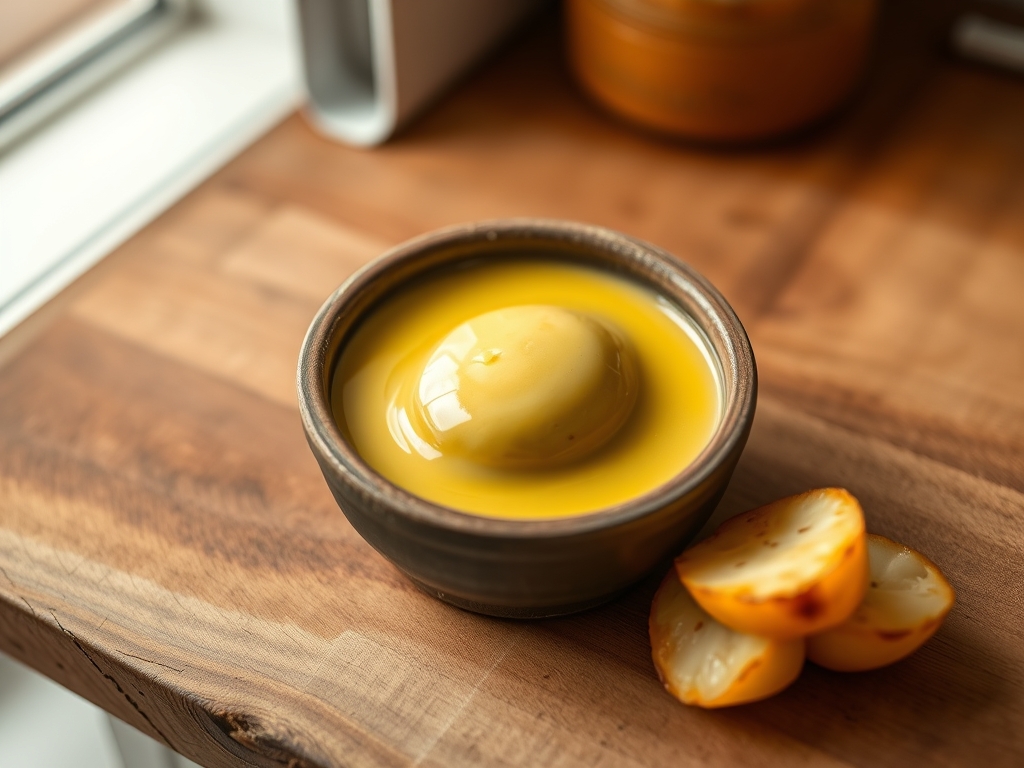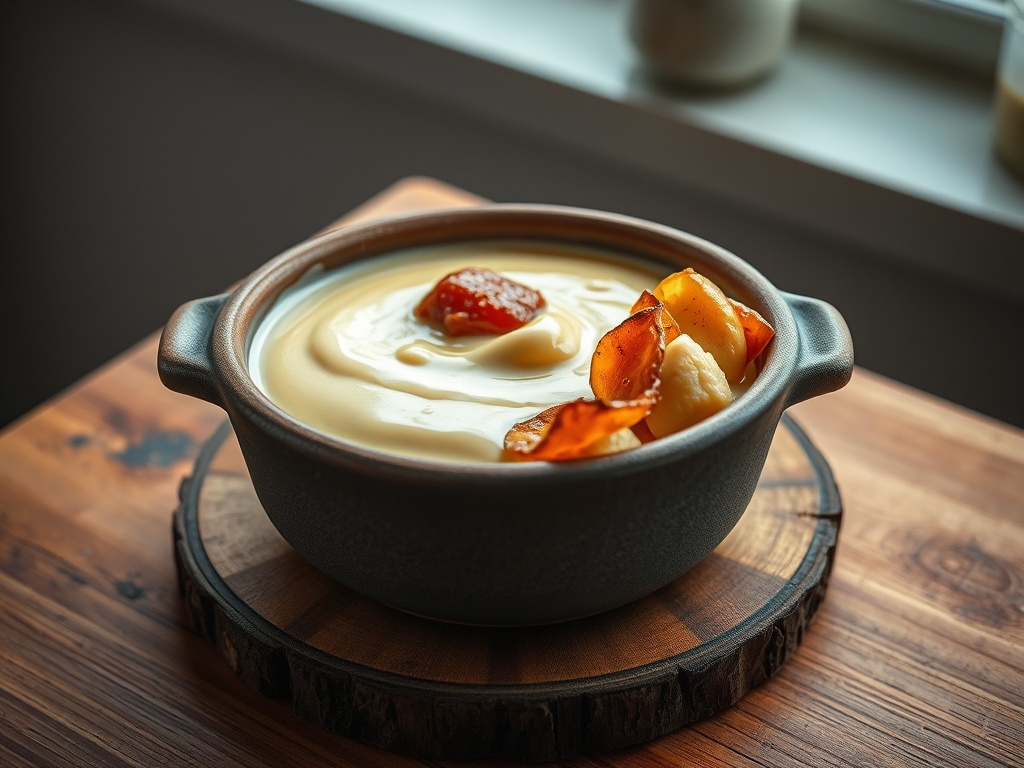
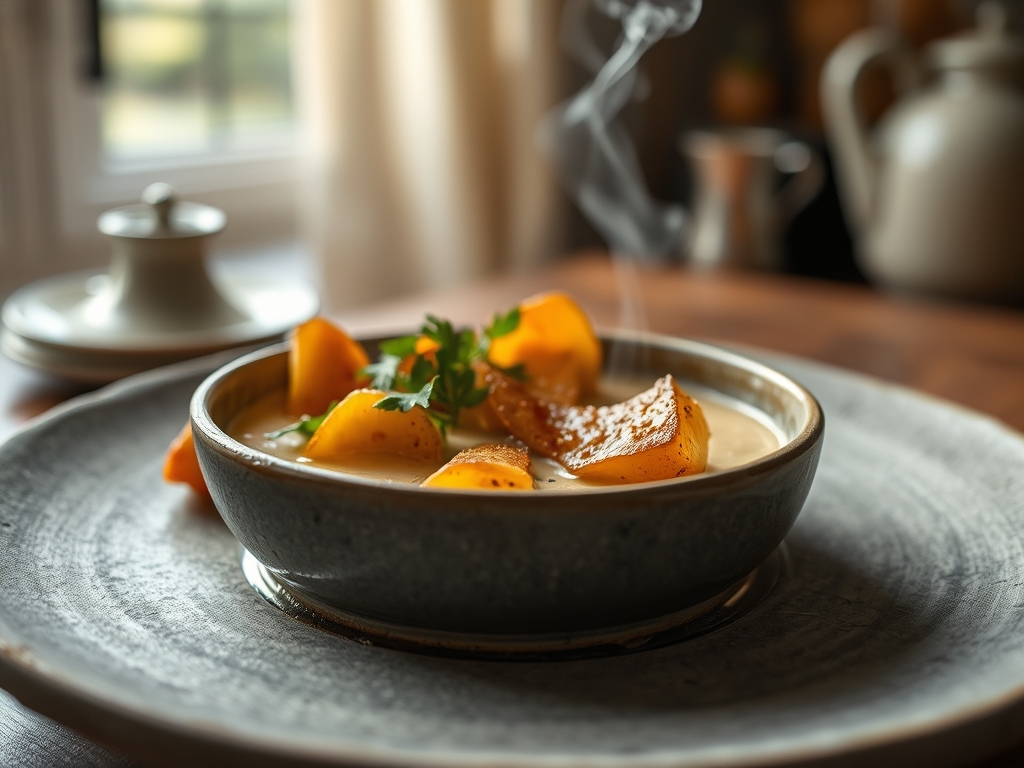
Forget the watery, translucent broths of your amateur years. We are entering the realm of structural integrity where the spoon does not merely sit; it stands at attention. This is the engineering of satiety. When we discuss Chowder Fluid Density, we are calculating the precise intersection of lipid emulsification and starch gelatinization. A true heavy soup is not a liquid; it is a suspension of high-value solids within a velvety, opaque matrix. You are not just cooking; you are managing a complex hydraulic system. If your base lacks the requisite viscosity, your heavy hitters; the clams, the salt pork, and the Yukon Golds; will plummet to the bottom like lead weights in a pond. We require a suspension that defies gravity. We are aiming for a mouthfeel that coats the palate without cloying, a piquant balance of brine and cream that signals luxury to the brain. Prepare your station. We are about to calibrate the most significant bowl of infrastructure you have ever encountered.
THE DATA MATRIX
| Metric | Specification |
|---|---|
| Prep Time | 30 Minutes |
| Execution Time | 45 Minutes |
| Yield | 6 Servings (approx. 2.5 Liters) |
| Complexity (1-10) | 7 |
| Estimated Cost per Serving | $4.50 – $6.00 |
THE GATHERS
Ingredient Protocol:
- 115g / 4oz Salt pork or thick-cut pancetta, diced small
- 30g / 2 tbsp Unsalted high-fat butter
- 2 Large leeks (white and light green parts only), cleaned and sliced
- 30g / 1/4 cup All-purpose flour (for the secondary roux)
- 750ml / 3 cups Clam juice or high-clarity seafood stock
- 680g / 1.5 lbs Yukon Gold potatoes, peeled and cut into 1/2 inch cubes
- 1kg / 2 lbs Fresh littleneck clams (scrubbed) or 500g chopped sea clams
- 475ml / 2 cups Heavy cream (minimum 36% milkfat)
- 2.5ml / 1/2 tsp Freshly cracked black pepper
- 15ml / 1 tbsp Fresh thyme leaves, stripped from the stem
- 2 Bay leaves (fresh preferred for volatile oil content)
Section A: Ingredient Quality Audit:
If your clams smell like anything other than a cold Atlantic breeze, abort the mission. Sub-par bivalves introduce ammonia that no amount of cream can mask. If you are forced to use canned clams, the liquid is often overly saline; dilute it with 20% filtered water to maintain the correct Chowder Fluid Density without skyrocketing the sodium levels. If your potatoes are "mealy" or soft, they will disintegrate and turn your soup into a grainy mash. Use a digital scale to ensure your flour-to-fat ratio is exact; guessing leads to a "broken" soup where oil slicks migrate to the surface.
THE MASTERCLASS
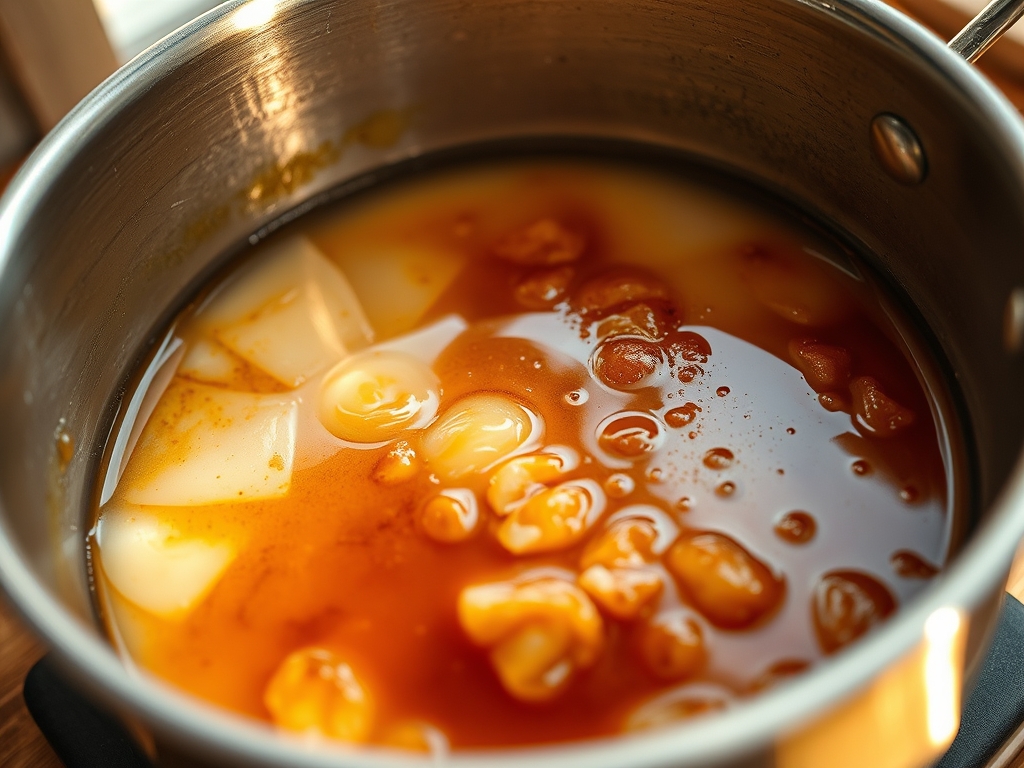
1. The Lipid Extraction
Place your diced salt pork into a cold heavy-bottomed saucier. Turn the heat to medium-low to render the fat slowly. You want the solids to become golden and crispy while releasing the liquid gold that will form the base of your roux. Use a bench scraper to keep the bits moving and prevent localized scorching.
Pro Tip: Slow rendering prevents the proteins from seizing and ensures a clean, smoky infusion into the fat.
2. The Aromatics Phase
Add the butter and leeks to the rendered fat. Sauté until the leeks are translucent and soft. Do not allow them to brown; we are seeking a pale, elegant aesthetic. Dust the flour over the vegetables and stir constantly for two minutes to cook out the "raw" starch flavor without darkening the color.
Pro Tip: This creates a "blond roux" which provides maximum thickening power while maintaining the creamy visual profile required for high-density fluids.
3. The Fluid Injection
Slowly whisk in the clam juice or seafood stock. Use a digital thermometer to monitor the temperature; you want to bring this to a gentle simmer, not a rolling boil. Add the potatoes, bay leaves, and thyme. The starch from the Yukon Golds will begin to infuse into the liquid, further stabilizing the Chowder Fluid Density.
Pro Tip: Whisking in cold liquid to a hot roux prevents clumping by allowing the starch granules to swell evenly.
4. The Protein Integration
Once the potatoes are fork-tender (approx. 12 minutes), add your fresh clams. Cover the pot for 5 to 7 minutes until the shells hinge open. If using pre-shucked clams, add them now along with any reserved juices. Immediately reduce heat to low.
Pro Tip: Overcooking clams turns them into rubber erasers; the residual heat of the thickened broth is often enough to finish the cook.
5. The Emulsion Finality
Gently pour in the heavy cream. Stir in a circular motion to aerate the mixture slightly and ensure total integration. Season with black pepper. Do not let the soup reach a boil after the cream is added, as this can cause the proteins to denature and the emulsion to "break."
Pro Tip: Using a high-fat cream (36%+) provides the molecular weight necessary to keep the solids suspended in a permanent state of delicious equilibrium.
Section B: Prep & Timing Fault-Lines:
The most common failure is the "Potato Paradox." If you add the cream too early, the calcium can actually prevent the potatoes from softening properly. If you add it too late, the soup won't have time to thicken. Your timing must be surgical. If the soup looks too thin, do not add more flour; instead, crush a few of the cooked potato cubes against the side of the pot and stir them back in. This releases natural starches that act as an emergency thickening agent.
THE VISUAL SPECTRUM
Section C: Thermal & Visual Troubleshooting:
Referencing our masterclass photo, note the "Lustrous Opaque" finish. If your chowder looks dull or grey, you likely overcooked the leeks or used an oxidized stock. If the surface shows yellow oil droplets, your emulsion has failed; whisk in a tablespoon of cold cream to pull it back together. The potatoes should have sharp, defined edges, not rounded or "fuzzy" perimeters. If they look fuzzy, they are over-processed. Finally, the "Spoon Test" is your ultimate visual cue; when you lift a spoon, the liquid should retreat slowly, leaving a thick, ivory coating that clings to the metal.
THE DEEP DIVE
Macro Nutrition Profile
This is a high-performance fuel source. Per serving, expect approximately 450 calories, 32g of fat, 28g of carbohydrates, and 18g of protein. It is rich in Vitamin B12 and Selenium from the bivalves, making it a powerhouse for neurological health, provided you can handle the caloric density.
Dietary Swaps
- Vegan: Replace salt pork with smoked paprika and olive oil; swap cream for full-fat cashew milk and butter for vegan buttery spread.
- Keto: Eliminate the potatoes and flour. Use cauliflower florets for texture and thicken the base with a pinch of xanthan gum or extra heavy cream reduction.
- Gluten-Free: Substitute the all-purpose flour with a 1:1 gluten-free flour blend or use a cornstarch slurry added at the very end of the simmering process.
Meal Prep & Reheating Science
Chowder is notorious for "tightening" in the fridge. As it cools, the starch molecules form a gel-like structure. When reheating, do not use a microwave; it creates hot spots that will break the emulsion. Use a small saucepan over low heat and add 30ml of milk or water to loosen the density back to its original state.
THE KITCHEN TABLE
Why does my chowder look grainy?
This usually happens if the cream is added to a boiling liquid. The high heat causes the milk proteins to clump. Always reduce the heat to a bare simmer before introducing the dairy component to maintain smoothness.
Can I use Russet potatoes instead of Yukon Gold?
Russets have a high starch content but a low structural integrity. They tend to dissolve into the broth. While this increases thickness, you lose the distinct "bite" of the solids. Stick to waxy or semi-waxy varieties for better results.
How do I fix a soup that is too salty?
Do not add water; it ruins the density. Instead, add a few more raw potato slices and simmer for ten minutes. The potatoes act as a "salt sponge." Remove the extra slices before serving to keep your ratios intact.
Is fresh thyme really necessary?
Dried thyme is often "woody" and lacks the bright, floral notes needed to cut through the heavy lipids of the cream. Fresh thyme provides volatile oils that balance the richness and elevate the piquant profile of the seafood.