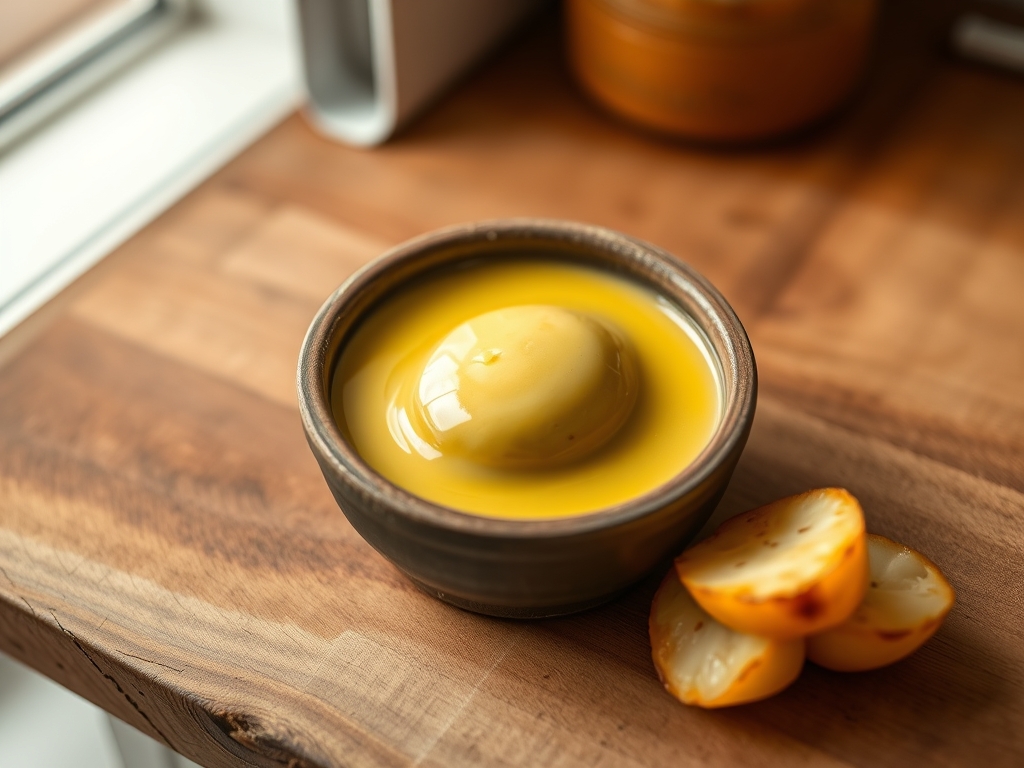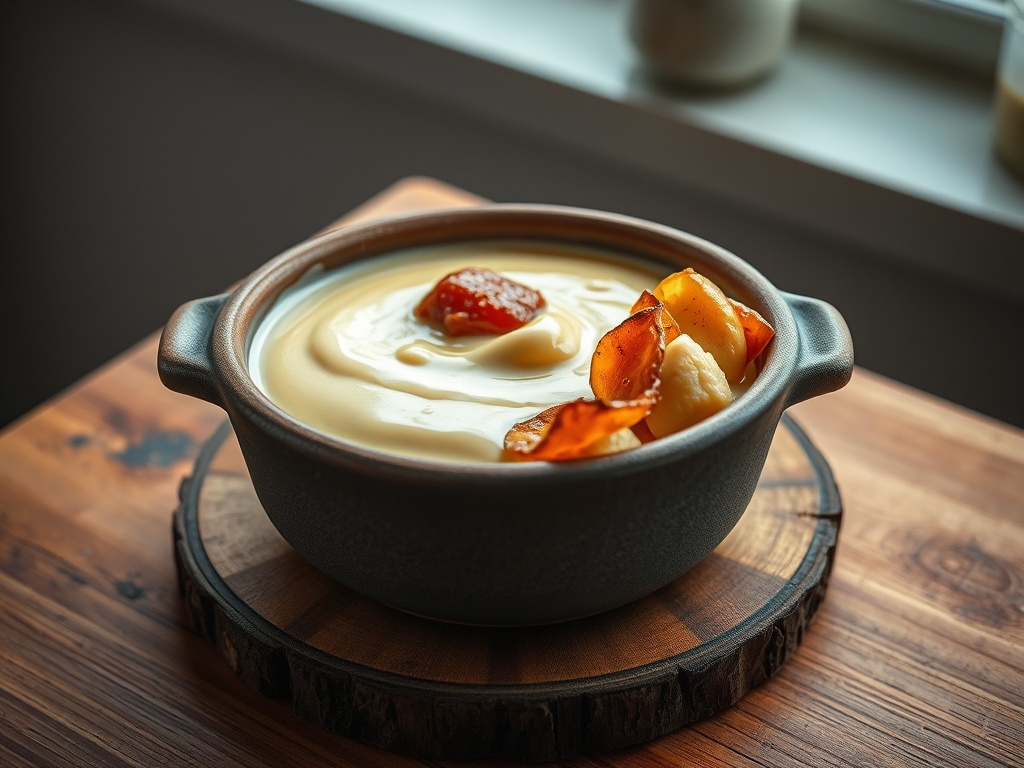
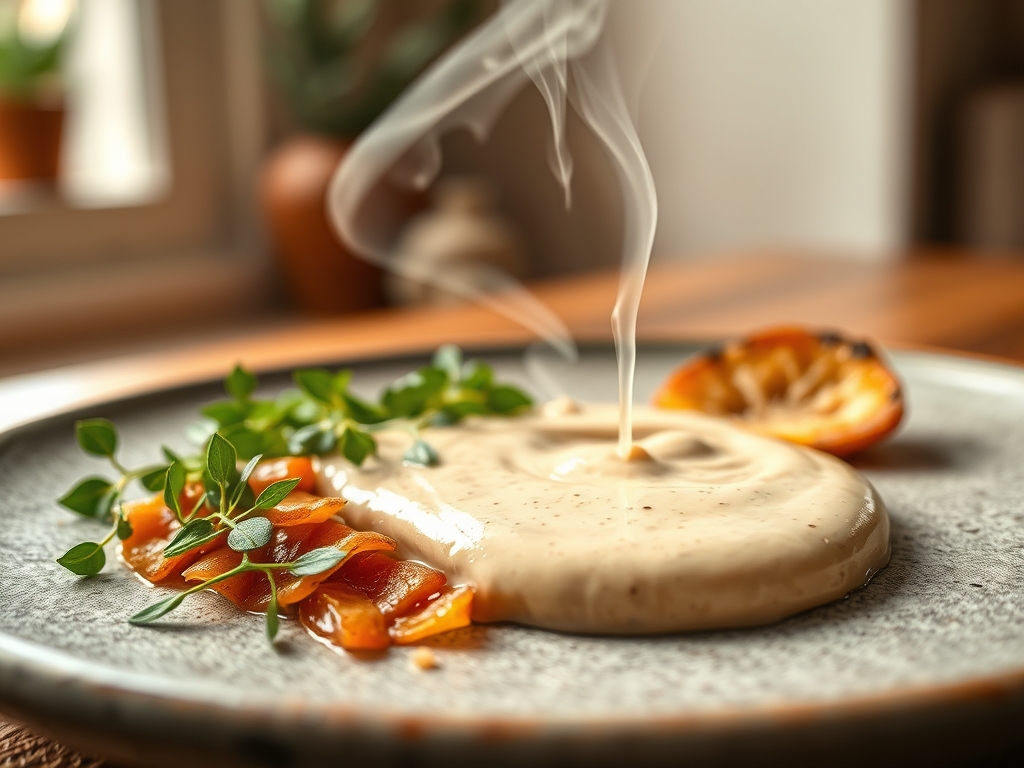
The roar of a high-speed blender is the symphony of the modern kitchen; however, the true soul of Levantine gastronomy lies in the silent, viscous transformation of ground sesame seeds. We are not merely making a condiment. We are engineering a suspension of solids within a lipid-rich matrix. When you achieve the perfect Tahini Sauce Flow, the liquid moves with a heavy, velvet-like grace that coats a spoon without clinging like sludge. It is the difference between a gritty paste and a piquant masterpiece that elevates a humble falafel to a culinary event. Most amateur attempts end in a broken, oily mess because they ignore the fundamental laws of hydration. They fear the seize; that terrifying moment when the smooth paste turns into a thick, unworkable block upon the first contact with water. We embrace the seize. We command it. By manipulating temperature and acidity, we force the sesame proteins to realign, creating an aerated, ivory-colored emulsion that defies the gravity of its own density. Let us audit your infrastructure and optimize your output.
THE DATA MATRIX
| Metric | Specification |
|---|---|
| Prep Time | 10 Minutes |
| Execution Time | 5 Minutes |
| Yield | 475ml / 2 Cups |
| Complexity (1-10) | 4 |
| Estimated Cost per Serving | $0.45 |
THE GATHERS
Ingredient Protocol:
- 240g / 1 cup Premium Hulled Tahini Paste (Single-origin Ethiopian seeds preferred)
- 120ml / 0.5 cup Ice-Cold Filtered Water (Temperature is non-negotiable)
- 60ml / 0.25 cup Freshly Squeezed Lemon Juice (High acidity)
- 15g / 3 cloves Fresh Garlic (Microplaned into a paste)
- 5g / 1 tsp Fine Sea Salt
- 2g / 0.5 tsp Ground Cumin (Optional for aromatic depth)
Section A: Ingredient Quality Audit:
If your raw tahini exhibits a "separated" state with a hard layer of sediment at the bottom of the jar, do not attempt to use it as-is. This indicates old stock or poor processing. Use a bench scraper or a heavy-duty whisk to reintegrate the oils until the texture is uniform. If the tahini tastes excessively bitter, it likely contains burnt hulls. You can mitigate this by increasing the lemon juice ratio slightly or adding a teaspoon of honey to balance the alkaloids. Never use bottled lemon juice; the lack of volatile oils and the presence of preservatives will prevent the desired viscous sheen and ruin the flavor profile.
THE MASTERCLASS
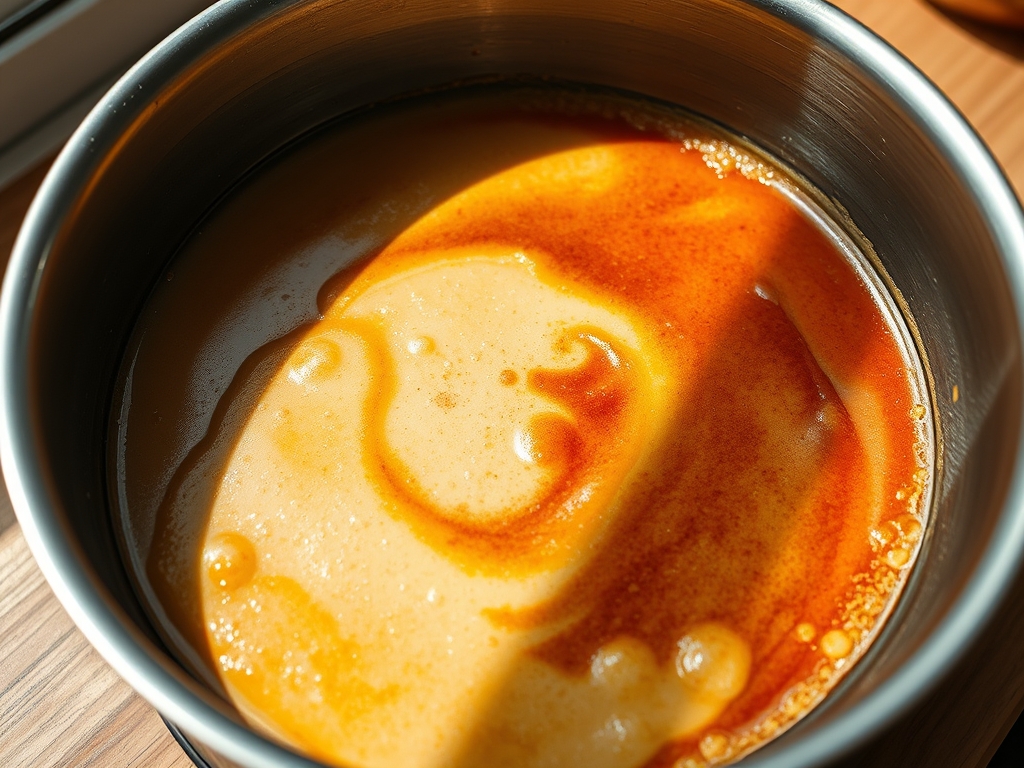
Step 1: The Garlic-Acid Infusion
Place your microplaned garlic into a small saucier or glass bowl and cover it with the lemon juice. Let this sit for five minutes. This step is crucial for mellowing the garlic. The acid "cooks" the allicin, removing the harsh bite while allowing the savory notes to infuse the liquid.
Pro Tip: Use a digital scale to measure your lemon juice. Variations in fruit size lead to inconsistent acidity levels, which can cause your emulsion to fail or become overly runny.
Step 2: The Initial Seize
Add the tahini paste and salt to a large mixing bowl. Pour in the garlic-lemon mixture. Stir with a stiff whisk. You will notice the mixture immediately thickens and turns grainy. This is the "seize" where the carbohydrates in the sesame seeds absorb the small amount of moisture and swell.
Pro Tip: Do not panic when the mixture looks like wet sand. This is a sign that the sesame solids are properly hydrating. A professional balloon whisk is the best tool here to ensure no dry pockets remain.
Step 3: Incremental Hydration
Slowly drizzle in the ice-cold water, one tablespoon at a time, while whisking vigorously. As you add water, the mixture will miraculously transform from a dark, thick paste into a light, creamy, and pale ivory sauce. Continue adding water until you reach the optimal Tahini Sauce Flow.
Pro Tip: Cold water is the secret to a white, fluffy sauce. The cold temperature helps to aerate the fats, creating a stable emulsion that stays suspended longer than one made with room-temperature water.
Step 4: The Final Polish
Taste for seasoning and add the cumin if desired. If the sauce is for drizzling, it should have the consistency of heavy cream. If it is for a dip, stop adding water slightly earlier. Use a silicone spatula to scrape the sides of the bowl to ensure a perfectly homogenous blend.
Pro Tip: Professional chefs often pass the final sauce through a fine-mesh sieve to remove any tiny garlic fibers, ensuring a perfectly smooth mouthfeel that reflects light evenly.
Section B: Prep & Timing Fault-Lines:
The most common failure in timing is rushing the water integration. If you dump the water in all at once, the fats will struggle to encapsulate the liquid, resulting in a thin, watery mess rather than a thick cream. Temperature control is your second failure point. If your kitchen is over 75 degrees Fahrenheit, your tahini may "leak" oil. Chill your mixing bowl in the freezer for five minutes before starting to maintain the structural integrity of the lipids.
THE VISUAL SPECTRUM
Section C: Thermal & Visual Troubleshooting:
Observe the Masterclass photo above. Notice the pale, almost bone-white color of the sauce. If your sauce looks beige or tan, you have not incorporated enough air or water. The "flow" should be continuous; if the sauce breaks into droplets as it falls from the spoon, it is too thick. If it runs off the spoon without leaving a coating, it is over-hydrated. To fix a "broken" sauce where oil is visible on the surface, add a teaspoon of warm water and whisk aggressively to re-emulsify the fats. If the color is dull, a fresh squeeze of lemon juice often provides the chemical "lift" needed to brighten the appearance.
THE DEEP DIVE
Macro Nutrition Profile:
Per 30ml (2 tbsp) serving: 180 Calories, 16g Fat, 6g Carbs, 5g Protein. This is a nutrient-dense powerhouse packed with calcium, magnesium, and healthy monounsaturated fats.
Dietary Swaps:
- Vegan/GF: This recipe is naturally compliant with both.
- Keto: Tahini is excellent for keto; however, ensure your tahini paste has no added sugars.
- Nut-Free: While sesame is a seed, those with severe allergies can substitute with sunflower seed butter (SunButter), though the flavor will be more earthy and less piquant.
Meal Prep & Reheating Science:
Tahini sauce is a living emulsion. When refrigerated, the fats will solidify, and the sauce will thicken significantly. To revive it, do not microwave it, as high heat will cause the oil to render out and separate. Instead, bring it to room temperature and whisk in a teaspoon of room-temperature water to restore the molecular suspension. It will stay fresh in an airtight container for up to seven days.
THE KITCHEN TABLE
Why does my tahini sauce turn bitter?
Bitterness usually stems from over-processed seeds or skins. High-quality Lebanese or Ethiopian tahini is naturally sweeter. You can counteract bitterness by adding a pinch of salt or a drop of maple syrup to balance the pH levels on your palate.
Can I use a food processor for this?
Absolutely. A food processor or blender will yield an even fluffier result by incorporating more air. However, be careful not to over-process, as the blades can generate heat which might destabilize the delicate sesame oil emulsion.
How do I get that restaurant-style white color?
The white color is a result of "bleaching" through aeration and acidity. The more you whisk and the more lemon juice/ice water you add, the lighter the color becomes. It is a visual cue for a well-hydrated sauce.
My sauce is gritty. What happened?
Grittiness is the result of using unhulled tahini or an under-hydrated paste. Ensure you are using "hulled" tahini and that you have added enough water to fully saturate the sesame solids. A high-speed blender can also help pulverize any remaining fibers.