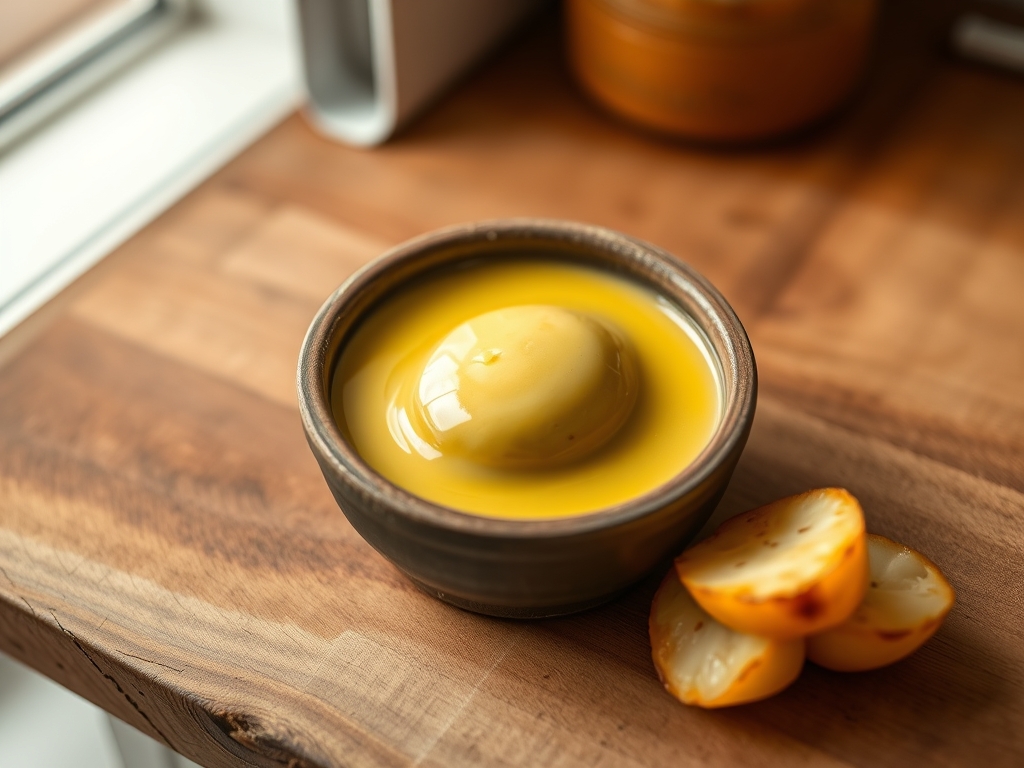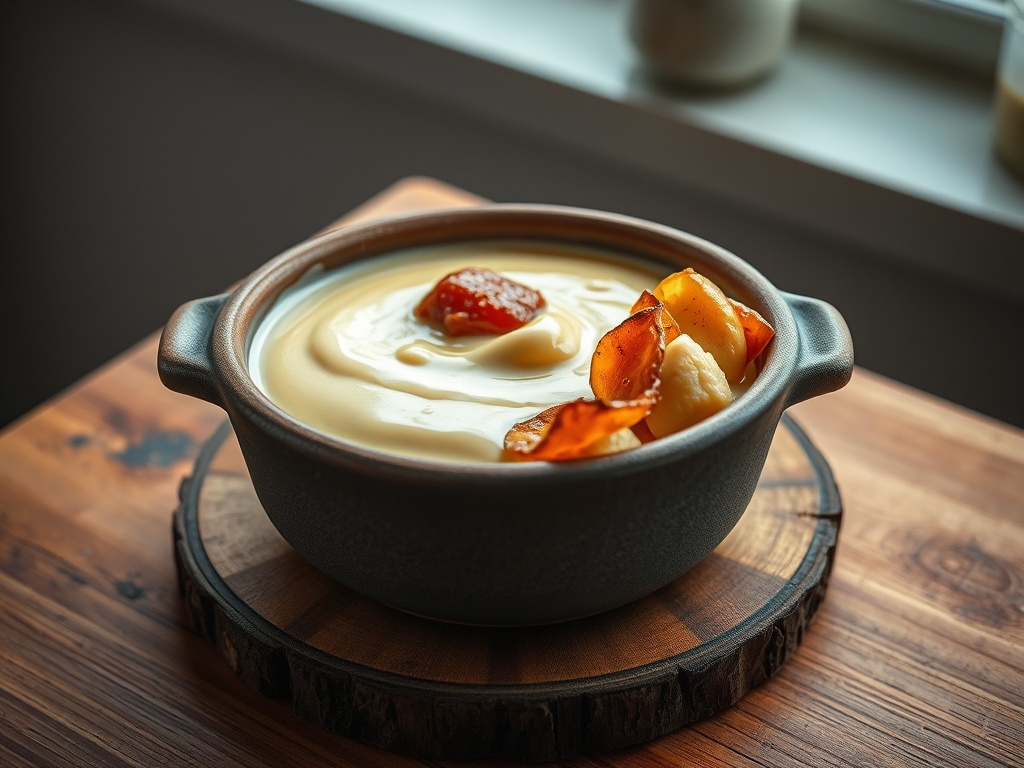
Imagine a culinary structure that defies the oppressive pull of gravity. It is a golden, quivering monument to atmospheric pressure and protein elasticity. This is not merely breakfast; it is a high-stakes engineering project where the primary construction materials are air and fat. Welcome to the rigorous world of Cheese Souffle Physics. When you slide that ceramic ramekin into a preheated convection environment, you are initiating a thermal expansion event. Inside the oven, the moisture trapped within the egg protein matrix converts to steam. This vapor pressure pushes against the delicate, denatured protein walls of the whipped whites, forcing the entire mass upward in a glorious, vertical trajectory. If your structural integrity is sound, the result is a piquant, cloud-like masterpiece that holds its form against the cooling ambient air. If your ratios are off or your fold is clumsy, you are left with a dense, rubbery failure that mocks your lack of technical precision. We do not accept failure. We audit the variables, stabilize the emulsion, and achieve maximum lift.
THE DATA MATRIX
| Metric | Specification |
|---|---|
| Prep Time | 25 minutes |
| Execution Time | 30 minutes |
| Yield | 4 Servings |
| Complexity (1-10) | 8 |
| Estimated Cost per Serving | $2.75 |
THE GATHERS
Ingredient Protocol:
- 45g / 3 tbsp Unsalted Butter (High fat content)
- 40g / 1/4 cup All-purpose Flour
- 300ml / 1 1/4 cups Whole Milk (Infused with nutmeg)
- 150g / 1 1/2 cups Sharp Gruyere Cheese (Finely grated)
- 4 Large Egg Yolks (Room temperature)
- 5 Large Egg Whites (Cold for stability)
- 2g / 1/2 tsp Cream of Tartar
- 5g / 1 tsp Fine Sea Salt
- 1g / 1/4 tsp Cayenne Pepper
Section A: Ingredient Quality Audit:
The primary failure point in Cheese Souffle Physics is often the moisture content of the cheese. Sub-par, pre-shredded cheeses are coated in potato starch or cellulose to prevent clumping. This starch interferes with the viscous nature of the Mornay sauce, leading to a grainy texture. Technical Fix: Always hand-grate a high-quality Gruyere or Comte. If your milk is too lean (skim or 1 percent), the lack of lipids will result in a fragile protein structure that collapses prematurely. Use whole milk to provide the necessary fat to coat the air bubbles. Finally, if your eggs are not fresh, the albumin proteins will be weak. Use the freshest eggs possible to ensure the highest level of aeration and structural tension.
THE MASTERCLASS
1. The Roux Foundation
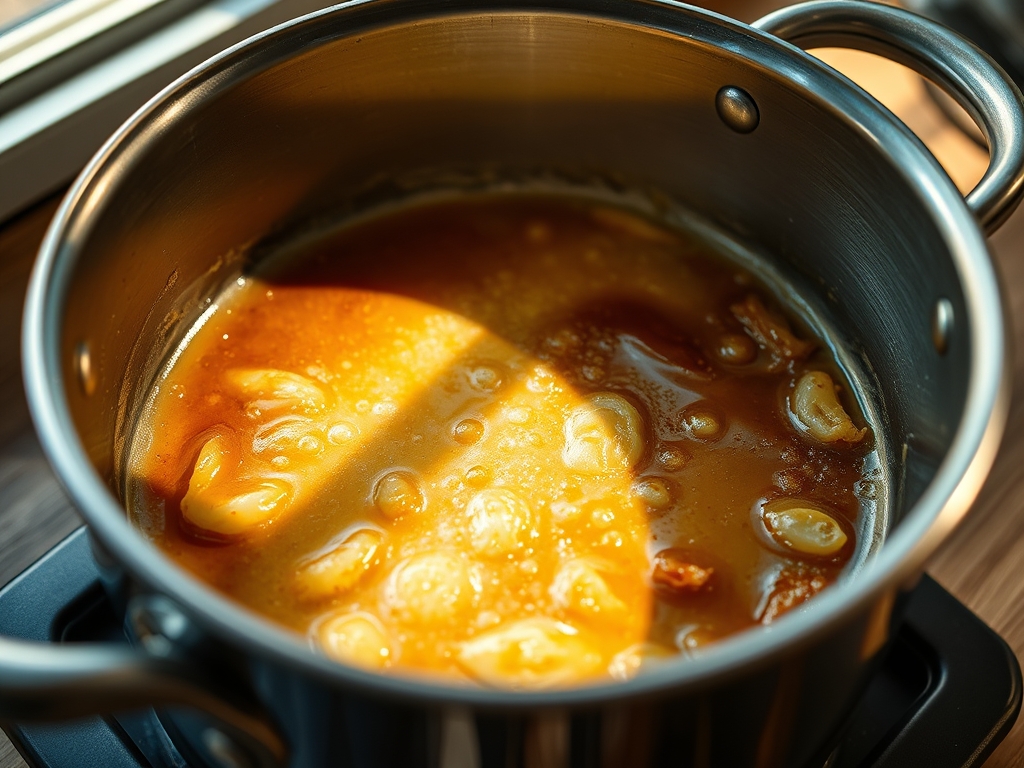
In a heavy-bottomed saucier, melt the butter over medium heat until the water content begins to render out. Whisk in the flour using a balloon whisk to create a blonde roux. You are looking for a sandy texture that smells slightly nutty but has not yet begun the Maillard reaction in earnest.
Pro Tip: Use a digital scale to measure your flour and butter. Volume measurements are notoriously inaccurate; a few extra grams of flour will turn your souffle into a leaden brick rather than a light cloud.
2. The Mornay Emulsion
Gradually infuse the roux with the milk, whisking constantly to prevent lumps. Bring this mixture to a gentle simmer until it thickens into a heavy, viscous paste. Remove from heat and stir in the grated cheese, salt, cayenne, and nutmeg until the mixture is perfectly homogenous.
Pro Tip: The temperature of the base is critical. If the base is too hot when you add the yolks, you will scramble them. Use an infrared thermometer to ensure the base is below 140 degrees Fahrenheit before incorporating the yolks.
3. Protein Aeration
Place your egg whites in a clean stainless steel bowl. Add the cream of tartar. Using a stand mixer with a whisk attachment, beat the whites until they reach stiff peaks. You are looking for a glossy sheen and a structure that holds its shape when the whisk is lifted.
Pro Tip: The "Copper Bowl Myth" has scientific merit; copper ions help stabilize egg proteins. However, a pinch of cream of tartar achieves the same chemical stabilization by lowering the pH, preventing the proteins from over-bonding and "weeping" moisture.
4. The Structural Fold
Gently fold one-third of the egg whites into the cheese base using a silicone spatula to lighten the mixture. Then, carefully fold the remaining whites into the base. Do not over-mix. You want to see faint streaks of white to ensure you have not deflated the air cells.
Pro Tip: Use a bench scraper to clean the sides of the bowl as you fold. This ensures every gram of the dense base is incorporated into the aerated whites without excessive agitation that would destroy the bubbles.
5. The Thermal Launch
Pour the mixture into a ramekin that has been coated in butter and dusted with grated parmesan. Run your thumb around the inner rim of the dish to create a "top hat" groove. Bake at 375 degrees Fahrenheit until the souffle has risen significantly and the top is golden brown.
Pro Tip: Do not open the oven door during the first 20 minutes. A sudden drop in ambient temperature will cause the internal steam to condense, leading to an immediate structural collapse that no amount of heat can repair.
Section B: Prep & Timing Fault-Lines:
The most common human error is the "Lag Time Collapse." If the souffle sits on the counter for more than 60 seconds before entering the oven, the air bubbles begin to coalesce and pop. Technical Fix: Ensure the oven is fully preheated for at least 30 minutes before the fold begins. Another fault-line is the temperature of the yolks. Cold yolks can cause the fats in the Mornay sauce to seize. Always temper your yolks by adding a small spoonful of the warm sauce to them before stirring the yolks into the main pot.
THE VISUAL SPECTRUM
Section C: Thermal & Visual Troubleshooting:
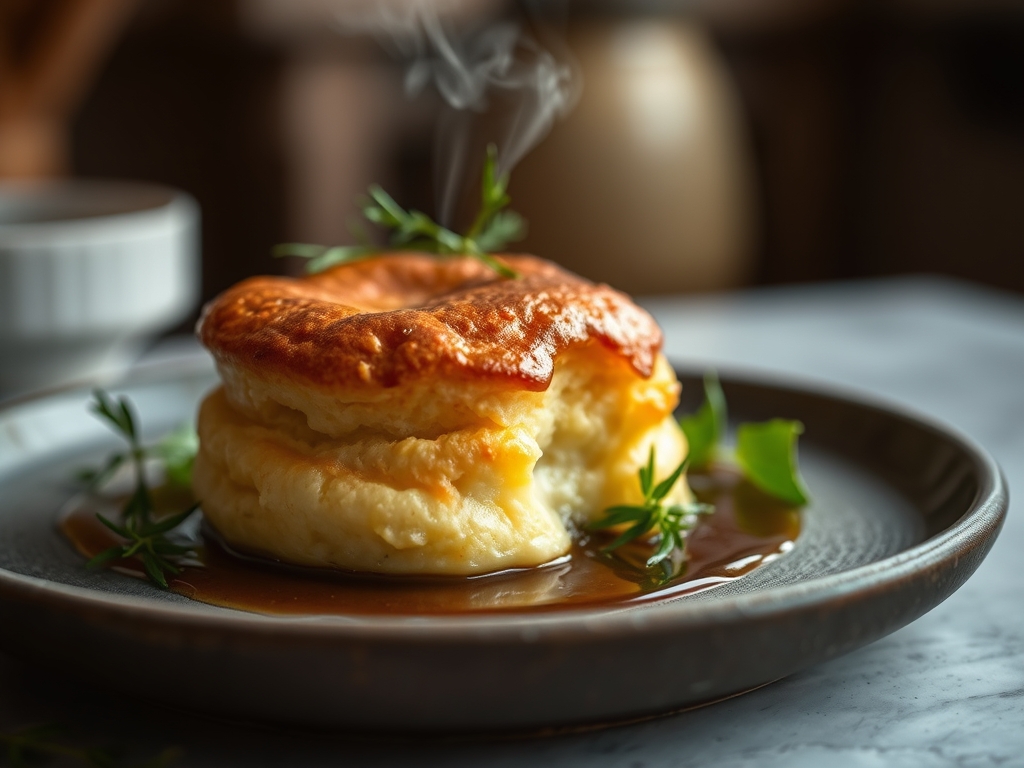
Observe the Masterclass photo. Notice the "straight-up" vertical rise and the craggy, golden-brown crust. If your souffle is tilting to one side, your oven has uneven heat distribution or "hot spots." Use a pizza stone on the bottom rack to act as a thermal regulator. If the top is pale and dull, you likely skipped the parmesan dusting on the ramekin walls; those tiny bits of cheese provide the friction necessary for the batter to "climb" the walls while also aiding in browning. If the center is liquid while the outside is burnt, your oven temperature is too high, causing the exterior to set before the interior proteins have denatured and stabilized.
THE DEEP DIVE
Macro Nutrition Profile
A single serving of this aerated protein matrix contains approximately 280 calories, 22g of fat, 14g of protein, and 6g of carbohydrates. While high in lipids, the high air-to-mass ratio makes it feel significantly lighter than a standard cheese omelet.
Dietary Swaps
- Vegan: Replace egg whites with aquafaba (chickpea brine) and use a cashew-based "cheese" sauce. Note that aquafaba lacks the same structural protein strength, so expect a 30 percent reduction in height.
- Keto: This recipe is naturally low-carb. Replace the 40g of flour with 15g of coconut flour or xanthan gum to thicken the base.
- Gluten-Free: Substitute the all-purpose flour with a 1:1 gluten-free flour blend. The lack of gluten actually benefits the souffle by preventing a "bready" texture.
Meal Prep & Reheating Science
You cannot "meal prep" a risen souffle; the physics of steam expansion are temporary. However, you can prepare the cheese base (Mornay) up to 24 hours in advance. Store it in the refrigerator with plastic wrap pressed directly against the surface to prevent a skin from forming. To reheat a leftover souffle, do not use a microwave. Use a toaster oven at 300 degrees Fahrenheit to gently re-expand the remaining air pockets without toughening the proteins.
THE KITCHEN TABLE
Why did my souffle fall the second I took it out?
This is a natural result of the Ideal Gas Law. As the temperature drops, the volume of the air inside the souffle decreases. A slight sink is normal; a total collapse indicates the protein walls were under-baked and lacked structural integrity.
Can I use a glass bowl instead of a ceramic ramekin?
Yes, but ceramic is preferred for its superior thermal mass. Glass heats up and cools down too quickly, which can lead to an uneven rise. If using glass, ensure it is tempered and oven-safe to avoid thermal shock.
What is the "Top Hat" technique?
By running your finger around the rim of the batter, you create a physical break between the batter and the edge of the dish. This allows the center to rise straight up like a piston, creating the iconic "top hat" look.
Can I add bacon or vegetables to the mix?
Yes, but they must be finely minced and fully cooked. Excess moisture or heavy chunks will weigh down the protein matrix, preventing the souffle from achieving maximum atmospheric expansion. Keep additions to under 50 grams total.