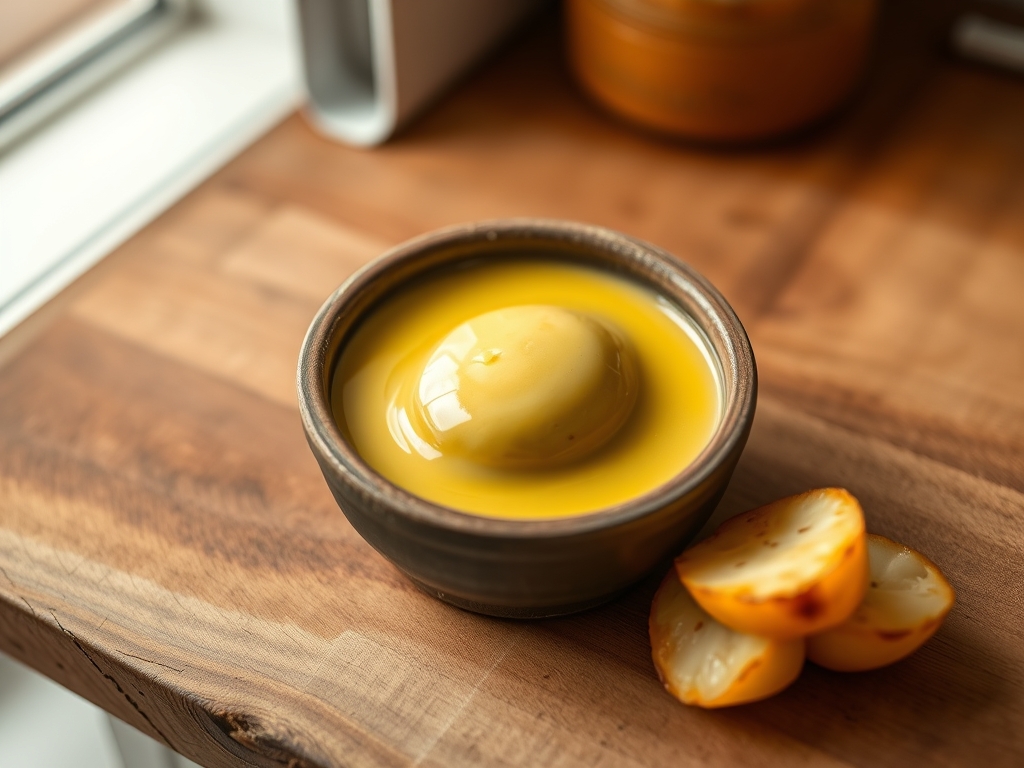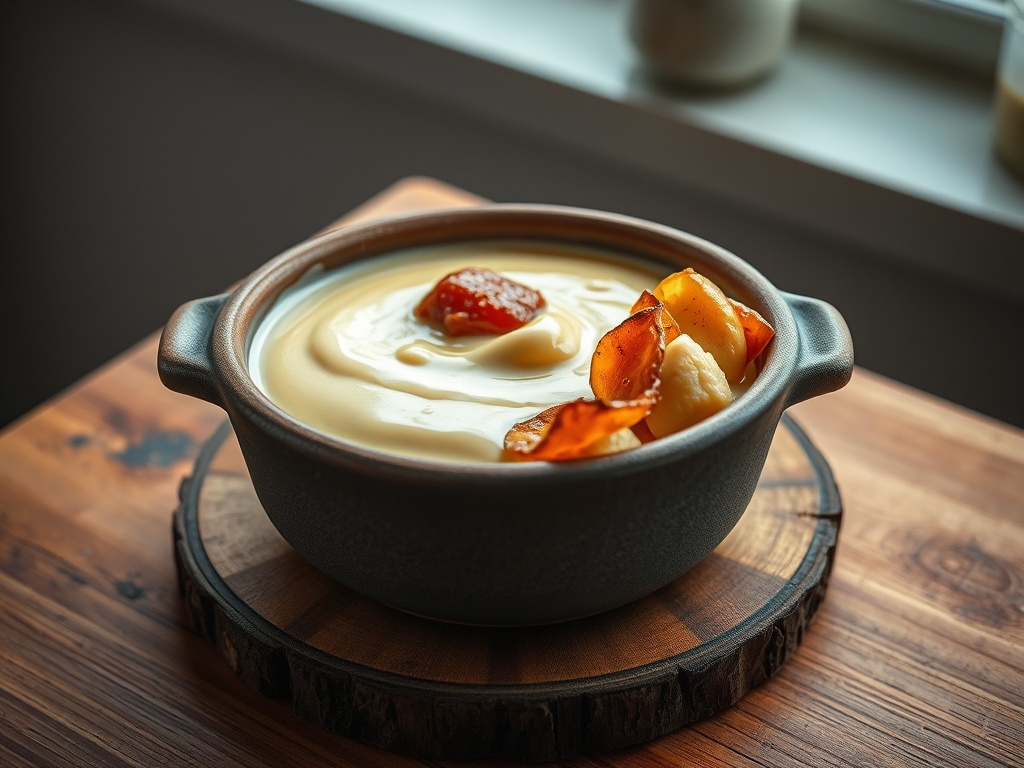
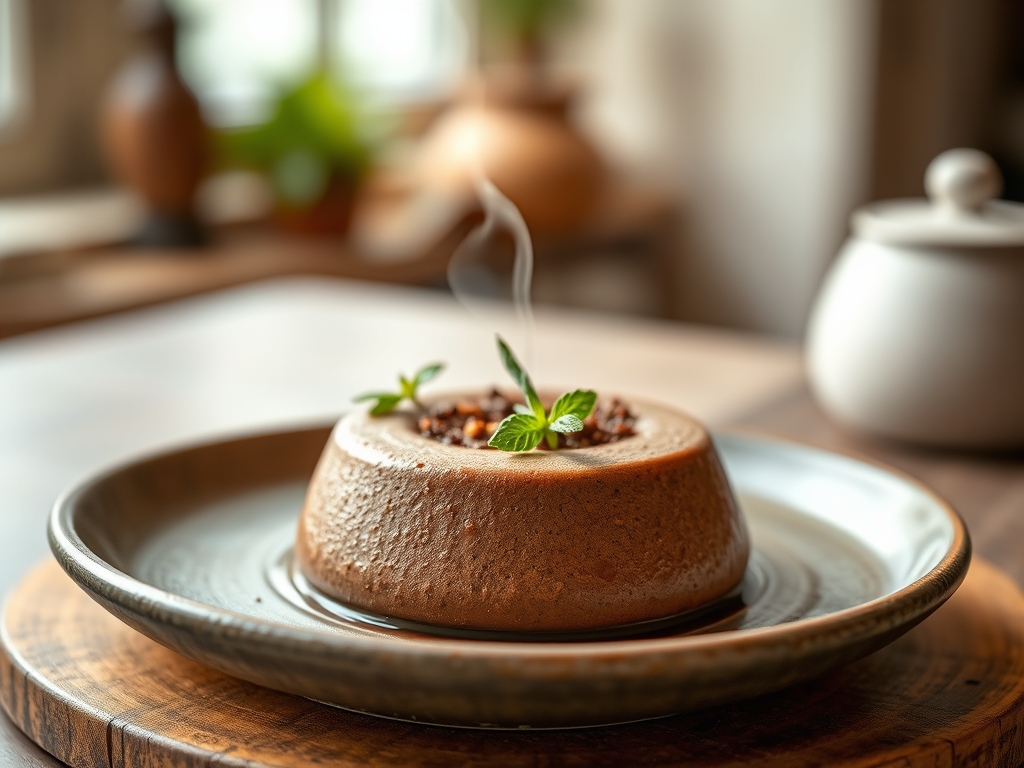
Forget the limp, sugary puddles masquerading as dessert in mediocre bistros. We are here to discuss the structural integrity of the ultimate culinary suspension. Mousse au Chocolat is not merely a recipe; it is a high-stakes engineering project involving the delicate stabilization of atmospheric air within a lipid-heavy matrix. When you dive a spoon into a world-class mousse, you are witnessing a miracle of surface tension and molecular bonding. The goal is a texture that is simultaneously dense and ethereal; a substance that feels like a velvet cloud but carries the punch of a high-percentage cacao bar. To achieve this, we must master the art of the emulsion and the precision of the aeration phase. We are hunting for that perfect "snap" of the air bubbles as they collapse against the palate, releasing a tidal wave of piquant dark chocolate. If your current output resembles a heavy ganache or a weeping foam, your infrastructure is failing. It is time to audit your process, recalibrate your temperatures, and reclaim the glory of this French masterpiece.
THE DATA MATRIX
| Metric | Specification |
|---|---|
| Prep Time | 25 Minutes |
| Execution Time | 4 Hours (Chilling Required) |
| Yield | 6 Servings |
| Complexity | 7/10 |
| Estimated Cost per Serving | $2.15 |
THE GATHERS
Ingredient Protocol:
- 225g / 8oz Bittersweet Chocolate (Minimum 70% cacao solids).
- 45g / 3 tbsp Unsalted European Butter (High fat content is non-negotiable).
- 4 Large Pasture-Raised Egg Yolks (Room temperature).
- 6 Large Pasture-Raised Egg Whites (Cold for stability).
- 30g / 2 tbsp Granulated Superfine Sugar.
- 2ml / 0.5 tsp Flaked Sea Salt.
- 5ml / 1 tsp Pure Vanilla Extract.
- 120ml / 0.5 cup Heavy Cream (Minimum 36% milk fat).
Section A: Ingredient Quality Audit:
The primary failure point in Mousse au Chocolat is the selection of "baking chips." These contain stabilizers and waxes designed to resist melting; they will sabotage your viscous flow. Use only professional-grade couverture chocolate. If your chocolate seizes, it is likely due to a single drop of stray moisture introducing "clumping" at the molecular level. To fix a seized mass, whisk in a teaspoon of boiling water or neutral oil to restore the emulsion. Furthermore, if your cream has a fat content below 36%, it will lack the structural scaffolding to hold air. Audit your dairy; if it is ultra-pasteurized, it may require a longer whip time to reach stiff peaks.
THE MASTERCLASS
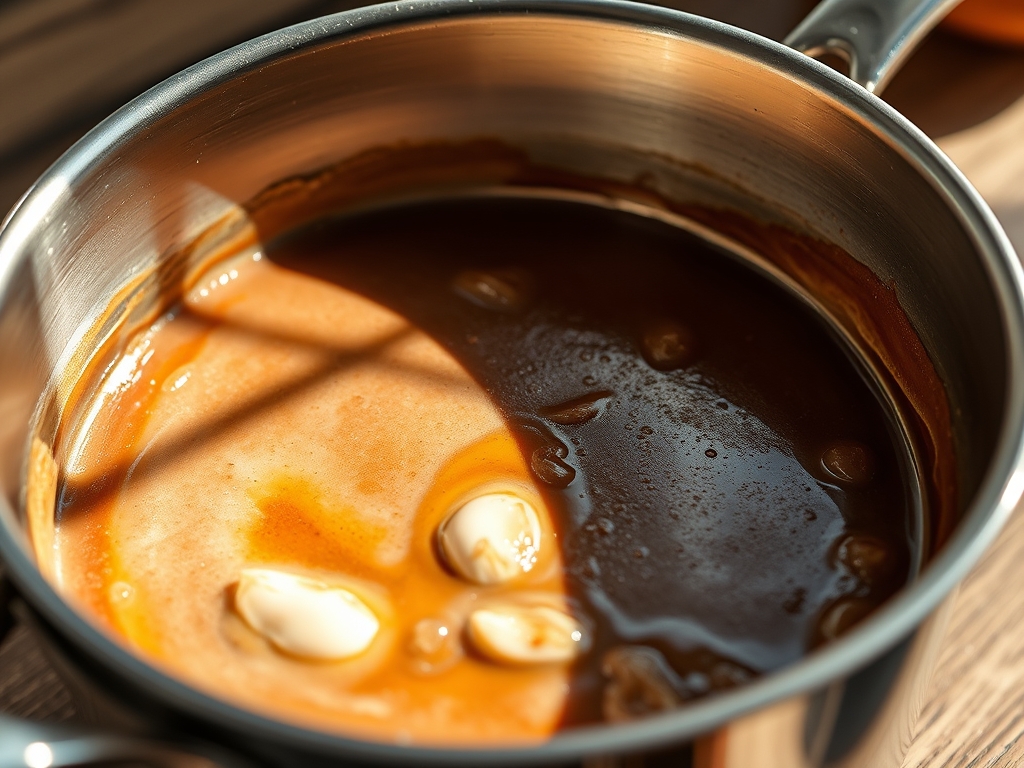
1. The Lipid Liquefaction
Utilize a stainless steel saucier over a water bath (bain-marie) to melt the chocolate and butter. Ensure the base of the pan does not touch the water. Stir gently with a silicone spatula until the mixture is glossy and uniform. Pro Tip: Maintaining a temperature between 110F and 115F prevents the cocoa butter from separating. If the mixture exceeds 130F, the proteins will denature and the texture will become grainy.
2. The Yolk Integration
Remove the chocolate from the heat source and allow it to cool slightly. Whisk in the egg yolks one by one, followed by the vanilla and sea salt. The salt acts as a flavor bridge, heightening the piquant notes of the cacao. Pro Tip: Use a digital scale to ensure yolk volume is consistent. Yolks add lecithin, which acts as the primary emulsifier to bind the water-based whites with the fat-based chocolate.
3. The Protein Scaffolding
In a copper or glass bowl, whip the egg whites. Start at a low speed to create small, uniform bubbles before increasing to high. Gradually rain in the sugar once soft peaks form. Continue until the whites are glossy and hold a firm, upright shape. Pro Tip: A bench scraper can be used to clean the sides of the bowl, ensuring no un-whipped protein remains at the base. This "meringue" is the structural skeleton of your mousse.
4. The Fold Procedure
This is the critical phase where most infrastructure collapses. Add one-third of the whites to the chocolate to "lighten" the base. Then, gently fold the remaining whites into the mixture using a large metal spoon or spatula. Move in a figure-eight motion to aerate the mass without crushing the bubbles. Pro Tip: Stop the moment no white streaks remain. Over-mixing leads to "deflation," resulting in a dense, rubbery texture rather than a foam.
5. The Stabilization Chill
Portion the mixture into glass ramekins and refrigerate for at least four hours. This allows the saturated fats to crystallize, locking the air bubbles into a permanent matrix. Pro Tip: Cover the vessels with parchment paper rather than plastic wrap to prevent condensation from dripping onto the surface, which would create unsightly "pockmarks" on the finish.
Section B: Prep & Timing Fault-Lines:
The most common human error is the "Temperature Gap." If the chocolate is too cold when the whites are added, it will solidify into "flecks" upon contact. If it is too hot, it will cook the egg proteins instantly, creating a chocolate omelet. Your target window for integration is 85F to 90F. Additionally, if you whip your cream or whites too far in advance, they will undergo "syneresis," where the water begins to leak out of the protein structure. Whip and fold in one continuous sequence.
THE VISUAL SPECTRUM
Section C: Thermal & Visual Troubleshooting:
Observe the Masterclass photo; the surface should exhibit a matte sheen with visible, microscopic air pockets. If your mousse appears "sweaty" or has a liquid layer at the bottom, your emulsion has broken, likely due to over-whipping the cream or insufficient folding. A dull, greyish tint indicates the chocolate was overheated (bloom). If the color is uneven, you have failed to achieve a homogenous fold. To rescue a broken mousse before it sets, gently whisk in a tablespoon of warm heavy cream to re-emulsify the fats, though some aeration will be lost.
THE DEEP DIVE
Macro Nutrition Profile:
A standard serving of this technical mousse delivers approximately 320 calories. It is high in healthy fats (24g) and contains a surprising amount of iron and magnesium from the dark cacao. Protein sits at roughly 6g per serving.
Dietary Swaps:
- Vegan: Replace egg whites with aquafaba (chickpea brine) and use coconut cream. The aquafaba must be whipped with cream of tartar for structural integrity.
- Keto: Substitute the granulated sugar with an erythritol-monk fruit blend. Ensure the chocolate is 85% cacao or higher to minimize net carbs.
- GF: Naturally gluten-free, but ensure your vanilla extract is not grain-alcohol based if sensitivity is extreme.
Meal Prep & Reheating Science:
Mousse au Chocolat is a "cold-set" molecular structure. Never reheat it, as the air bubbles will expand and burst, leaving you with a puddle of oil. It can be stored for up to three days. For longer storage, freeze it; the high fat content allows it to transition into a "semifreddo" state without developing large ice crystals.
THE KITCHEN TABLE
Why is my mousse grainy?
Graininess usually stems from "seized" chocolate or overcooked egg yolks. Ensure no steam enters the chocolate bowl and keep temperatures below 120F. If the butter was cold when added, it may also form tiny un-melted beads.
Can I use milk chocolate instead?
You can, but the infrastructure changes. Milk chocolate has more sugar and milk solids, making it softer. You must reduce the butter by half and increase the chilling time to six hours to ensure the lower-melting-point fats stabilize.
How do I get more "loft" in the foam?
Ensure your equipment is surgically clean. Any trace of fat or yolk in the egg whites will prevent the protein chains from linking. Use a copper bowl or a pinch of cream of tartar to chemically reinforce the bubble walls.
My mousse is too dense. What happened?
You likely over-folded the mixture or the chocolate was too heavy. When folding, use a "cut and lift" motion. If you stir in circles, you are effectively degassing the foam, turning your aerated masterpiece into a heavy, viscous cream.