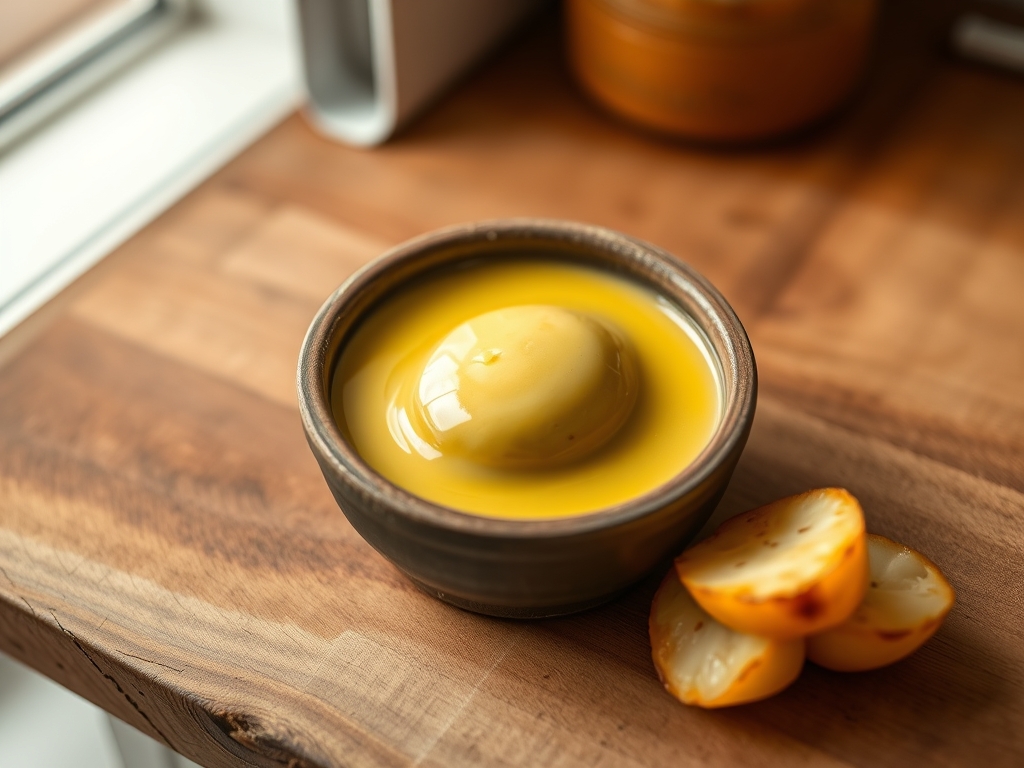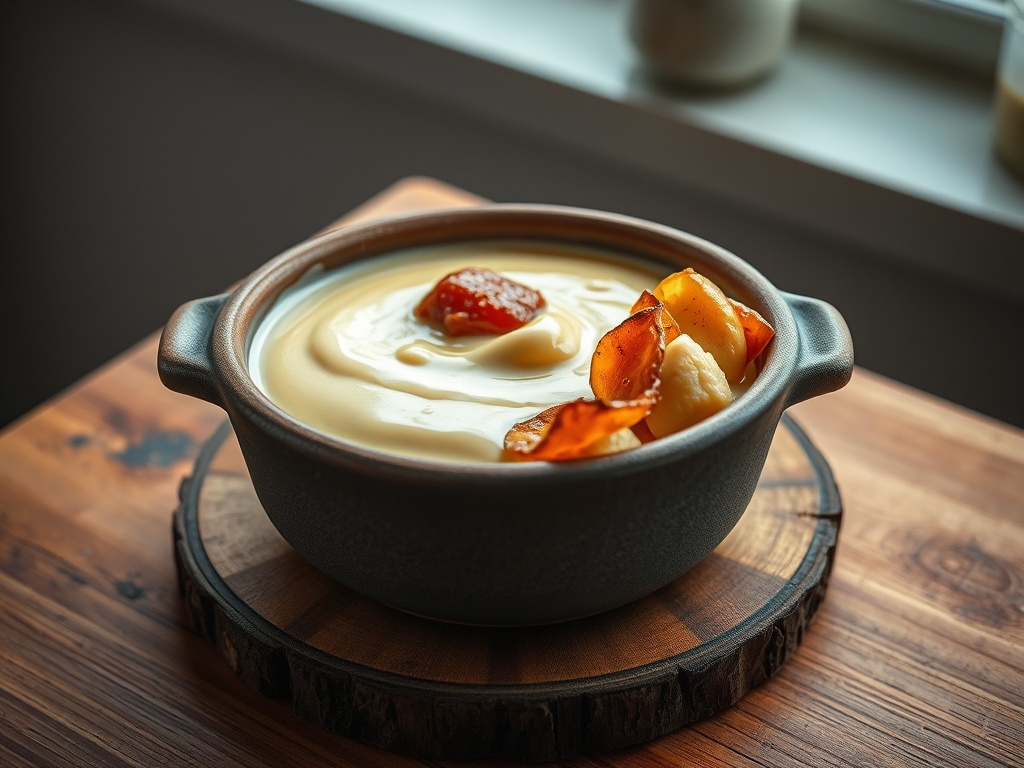
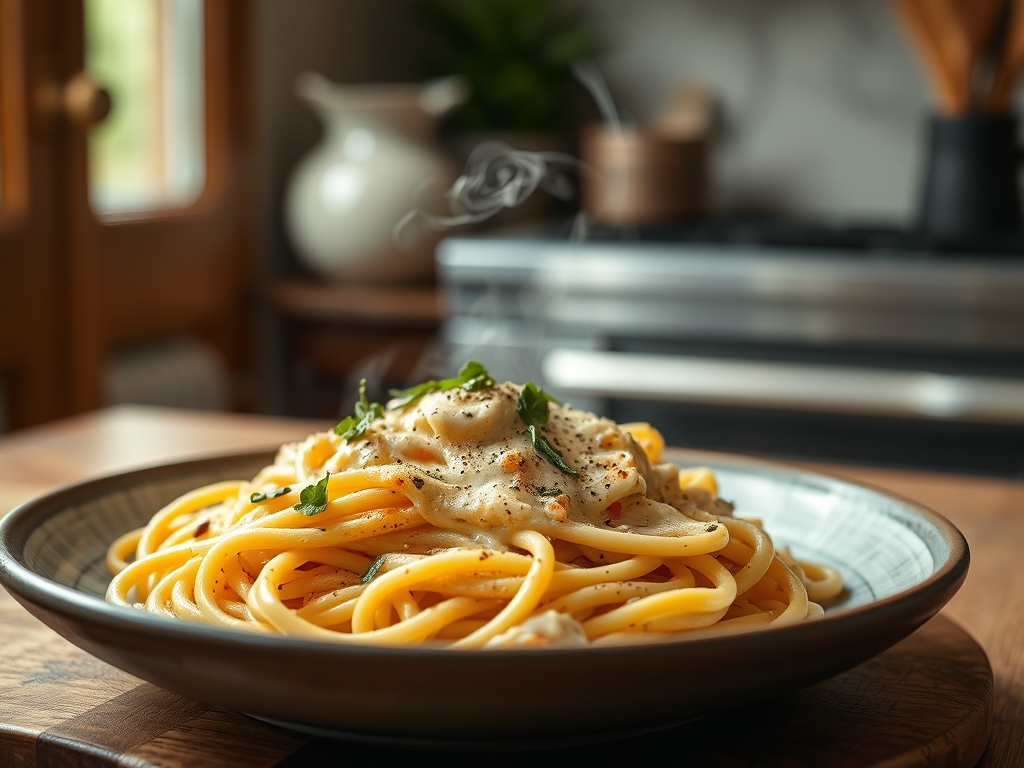
Listen closely because the culinary world is littered with the coagulated remains of failed ambitions. We are not here to make a mediocre bowl of noodles; we are here to engineer a masterpiece of fluid dynamics. The quest for a truly Creamy Pasta Carbonara is a high-stakes gamble against the laws of thermodynamics. One degree too high and you have scrambled eggs with bacon. One degree too low and you have a watery, tepid mess that offends the very soul of Italian gastronomy. We demand a sauce that is viscous, glossy, and impossibly rich. It must cling to every strand of pasta like a velvet glove, delivering a piquant punch of aged Pecorino and the smoky, rendered fat of cured pork. This is not just dinner; it is an audit of your ability to manage heat, moisture, and fat. If you are looking for cream in the ingredient list, you are in the wrong kitchen. We achieve creaminess through the violent, beautiful marriage of starch water and protein. Let us begin the calibration.
THE DATA MATRIX
| Metric | Specification |
|---|---|
| Prep Time | 15 Minutes |
| Execution Time | 12 Minutes |
| Yield | 4 Servings |
| Complexity (1-10) | 8 (Precision Required) |
| Estimated Cost per Serving | $4.50 – $6.00 |
THE GATHERS
Ingredient Protocol:
- 400g / 14 oz Dried Spaghetti or Bucatini (Bronze-die extruded preferred)
- 200g / 7 oz Guanciale or thick-cut Pancetta, cubed
- 4 Large Egg Yolks plus 1 Whole Egg (Room temperature)
- 100g / 1 cup Pecorino Romano, freshly grated
- 50g / 0.5 cup Parmigiano Reggiano, freshly grated
- 10g / 2 tsp Coarsely cracked Black Peppercorns
- 5ml / 1 tsp Sea Salt (For pasta water calibration)
Section A: Ingredient Quality Audit:
The primary failure point in most carbonara attempts is the quality of the lipid source. If your Guanciale is sliced too thin, it will incinerate before the fat can properly render. Ensure a 1cm cube for optimal surface area. If using pre-grated cheese, abort the mission immediately. Pre-grated products are coated in cellulose to prevent clumping, which will effectively sabotage your emulsion, resulting in a grainy, sandy texture. Use a microplane to achieve a snow-like consistency that melts upon contact with residual heat. If your eggs are cold from the refrigerator, they will shock the emulsion. Temper them by placing the bowl near the stove to reach ambient temperature before integration.
THE MASTERCLASS
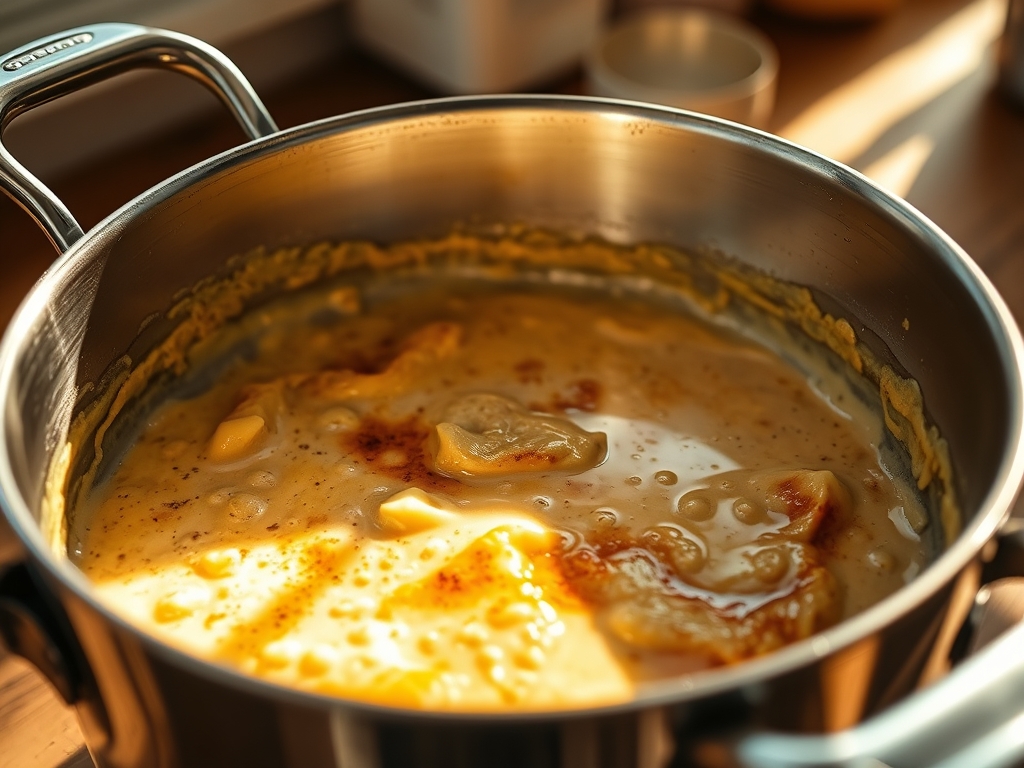
Step-by-Step Execution:
1. The Lipid Extraction
Place your cubed Guanciale into a cold saucier or heavy-bottomed skillet. Set the heat to medium-low. We are not searing; we are extracting. Allow the fat to render slowly until the pork is golden and crisp but still possesses a chewy core.
Pro Tip: Starting with a cold pan ensures the fat liquefies before the exterior of the meat burns. This liquid gold is the base of your emulsion. Use a bench scraper to keep the bits moving and prevent localized hot spots.
2. The Pepper Infusion
Once the fat is liquid, add your cracked black peppercorns directly into the hot oil. Toast them for 60 seconds until fragrant. This process allows the essential oils of the pepper to infuse into the fat, distributing flavor more evenly than if added at the end.
Pro Tip: Use a mortar and pestle rather than a pre-set grinder. Large, irregular shards of pepper provide "piquant" bursts of heat that cut through the heavy fats of the cheese and egg.
3. The Starch Calibration
Boil your pasta in a large pot of water salted to 1% salinity. Do not follow the package instructions for "Al Dente." Subtract two minutes from the recommended time. We will finish the cooking process in the pan.
Pro Tip: Use a digital scale to measure your salt. Proper salinity is vital for the structural integrity of the pasta and the seasoning of the final sauce. The pasta water is your primary emulsifying agent; it must be saturated with starch.
4. The Protein Matrix
While the pasta boils, whisk your egg yolks, whole egg, and grated cheeses in a stainless steel bowl. Whisk vigorously to aerate the mixture slightly. This creates a stable base that is less likely to break when heat is applied.
Pro Tip: Adding one whole egg (including the white) provides extra moisture and proteins that help stabilize the emulsion, preventing the yolks from curdling instantly when they hit the hot pan.
5. The Emulsion Event
Reserve 250ml of pasta water. Drain the pasta and add it directly to the pan with the Guanciale and fat. Toss violently. Remove the pan from the heat source entirely. This is the "Kill Zone." Wait 30 seconds for the pan temperature to drop to approximately 65C (150F). Pour in the egg and cheese mixture while whisking or tossing constantly.
Pro Tip: If the pan is too hot, the eggs will scramble. If it is too cool, the cheese won't melt. Slowly stream in small amounts of the reserved pasta water to deglaze the pan and create a viscous, creamy coating.
Section B: Prep & Timing Fault-Lines:
The most common human error is the "Panic Pour." When the pasta is ready, the cook rushes the egg integration while the pan is still at searing temperatures. You must respect the thermal ceiling of an egg yolk. If you see white clumps forming, your "Creamy Pasta Carbonara" has become a pasta omelet. To fix a dry sauce, add pasta water one tablespoon at a time. The starch acts as a bridge between the fat and the water, creating a homogenous fluid. If the sauce is too thin, continue to toss the pasta over the lowest possible heat setting, but do not let it simmer.
THE VISUAL SPECTRUM
Section C: Thermal & Visual Troubleshooting:
Referencing the Masterclass photo, your final product should exhibit a "high-gloss" finish. This is a visual indicator of a successful emulsion. If the sauce looks dull or matte, you lack sufficient fat or moisture; add a splash more pasta water and a drizzle of high-quality olive oil. If you see "beading" (droplets of oil separating from the sauce), the emulsion has broken. To repair, add a teaspoon of hot pasta water and whisk frantically to re-incorporate. The color should be a vibrant, pale gold. If it looks grey, your pepper was ground too fine. If it looks white, you have under-toasted your Guanciale.
THE DEEP DIVE
Macro Nutrition Profile:
A standard serving of this engineered Carbonara contains approximately 850 calories. It is heavy in lipids (45g) and proteins (35g), with carbohydrates (70g) providing the fuel. This is a high-energy density meal intended for recovery or significant caloric requirement.
Dietary Swaps:
- Vegan: Replace Guanciale with smoked King Oyster mushrooms and use a "cream" made of soaked cashews, nutritional yeast, and black salt (Kala Namak) for the sulfuric egg scent.
- Keto: Replace pasta with shirataki noodles or roasted spaghetti squash. Ensure the squash is squeezed dry to prevent diluting the sauce.
- GF: Use high-quality brown rice or corn-based pasta. Note that GF pasta water often has less starch; you may need to whisk a teaspoon of cornstarch into the water to mimic the binding properties.
Meal Prep & Reheating Science:
Carbonara is a "live" emulsion and does not reheat well in a microwave, which vibrates water molecules and breaks the protein bonds. To reheat, use a double boiler (bain-marie). Add a splash of water or milk and whisk gently over indirect steam until the sauce loosens and regains its viscous nature.
THE KITCHEN TABLE
Why is my carbonara grainy?
This is usually caused by using pre-shredded cheese or overheating the eggs. The proteins in the cheese clump together when they hit high heat without enough starch water to keep them suspended in the emulsion.
Can I use bacon instead of Guanciale?
You can, but the flavor profile shifts from funky and herbal to sweet and smoky. Ensure the bacon is thick-cut so it doesn't vanish into the sauce. Avoid "maple" flavored varieties at all costs.
Why add the pasta water at the end?
The starch in the water acts as an emulsifier. It binds the fat from the pork and cheese to the water, creating that signature "creamy" texture without needing actual dairy cream.
What if my sauce is too watery?
Keep tossing! The mechanical action of tossing the pasta incorporates air and encourages the cheese to melt into the water. If it remains thin, your egg-to-water ratio was skewed toward the liquid. Add more cheese.