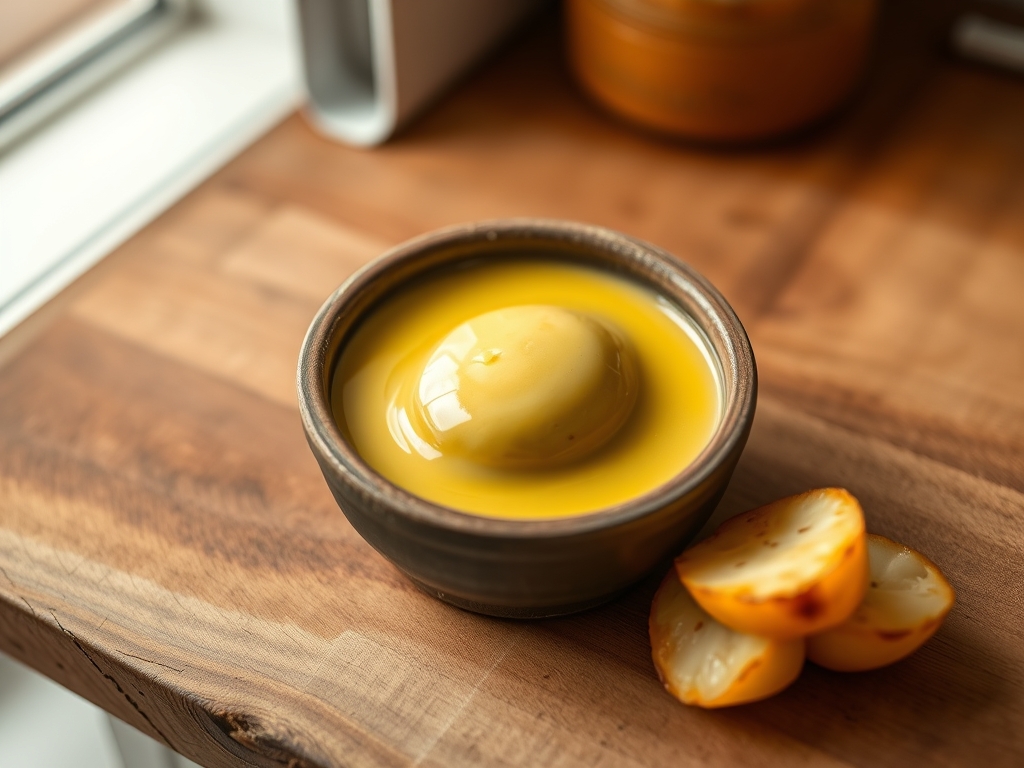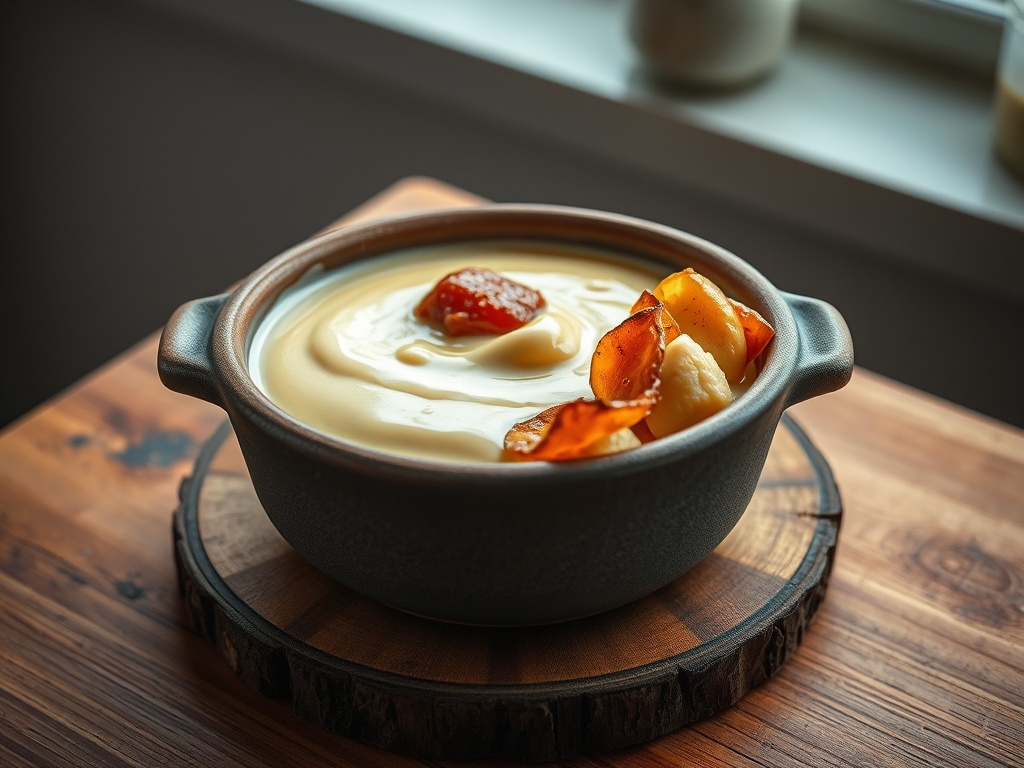
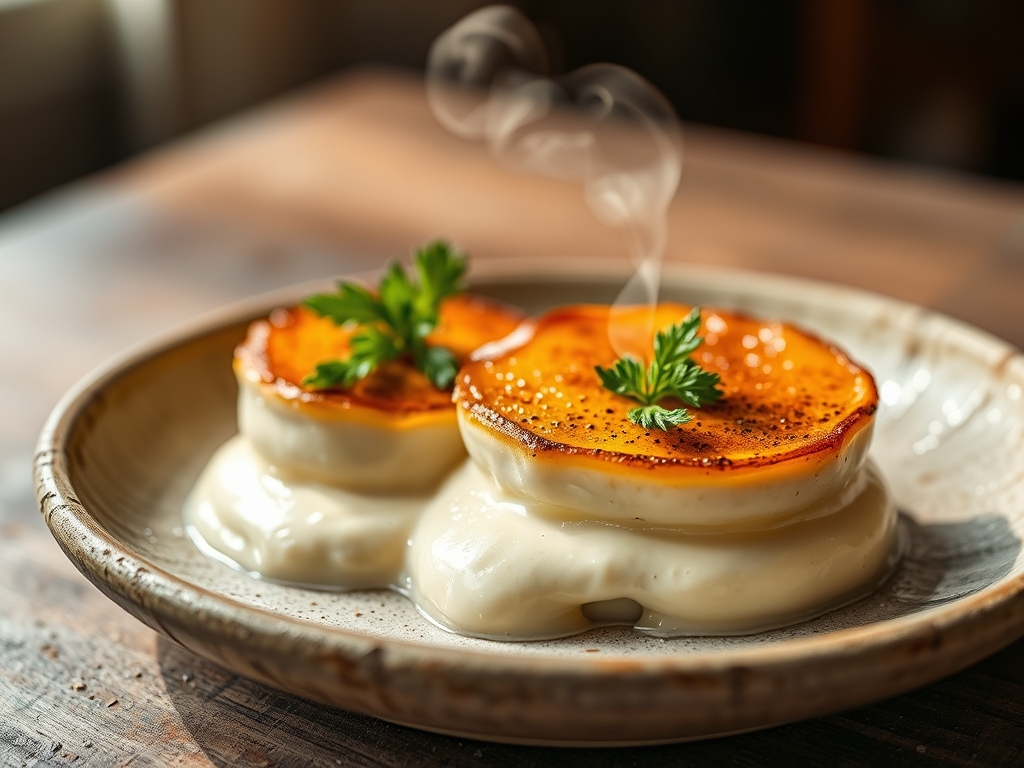
Imagine a world where the structural integrity of your dessert hinges on a microscopic dance between bovine proteins and amylopectin chains. We are not just making pudding here; we are engineering a semi-solid emulsion capable of defying gravity and resisting the dreaded "weeping" that plagues amateur kitchens. Pastry Cream Stability is the holy grail of the patisserie world. It is the difference between a tart that holds its sharp, clean edges and a soggy mess that collapses under the weight of a single raspberry. When you plunge your whisk into that golden pool of yolks and sugar, you are initiating a high-stakes chemical reaction. You want a texture that is silky yet resolute; a custard that feels like velvet on the tongue but stands like a fortress on the plate. If your cream is runny, your starch failed to gelatinize. If it is rubbery, you over-polymerized your proteins. We are here to audit your technique and ensure your dairy fills achieve maximum structural performance every single time.
THE DATA MATRIX
| Metric | Specification |
|---|---|
| Prep Time | 15 Minutes |
| Execution Time | 20 Minutes (plus 4 hours cooling) |
| Yield | 750ml (approx. 3 cups) |
| Complexity (1-10) | 6 |
| Estimated Cost per Serving | $0.85 |
THE GATHERS
Ingredient Protocol:
- 500ml / 2 cups Whole Milk (minimum 3.5% milkfat)
- 100g / 0.5 cup Granulated Sugar
- 45g / 0.33 cup Cornstarch (Non-GMO preferred)
- 4 Large Egg Yolks (approx. 72g)
- 50g / 3.5 tbsp Unsalted European-style Butter (cold, cubed)
- 10ml / 2 tsp Pure Vanilla Bean Paste
- 2g / 0.25 tsp Fine Sea Salt
Section A: Ingredient Quality Audit:
The primary failure point in dairy fills is often the raw material. If your milk is "Ultra-Pasteurized," the proteins have already been denatured by extreme heat, which can lead to a thinner consistency and poor Pastry Cream Stability. Technical fix: Use standard pasteurized milk for better protein bonding. If your yolks are pale, your cream will lack that signature golden hue. Fix: Source pasture-raised eggs for higher carotenoid content. Finally, check your cornstarch for moisture absorption; if it is clumpy, it has already begun to hydrate, which will throw off your ratios. Sift it twice to ensure maximum surface area for the viscous transformation.
THE MASTERCLASS
1. The Dairy Infusion
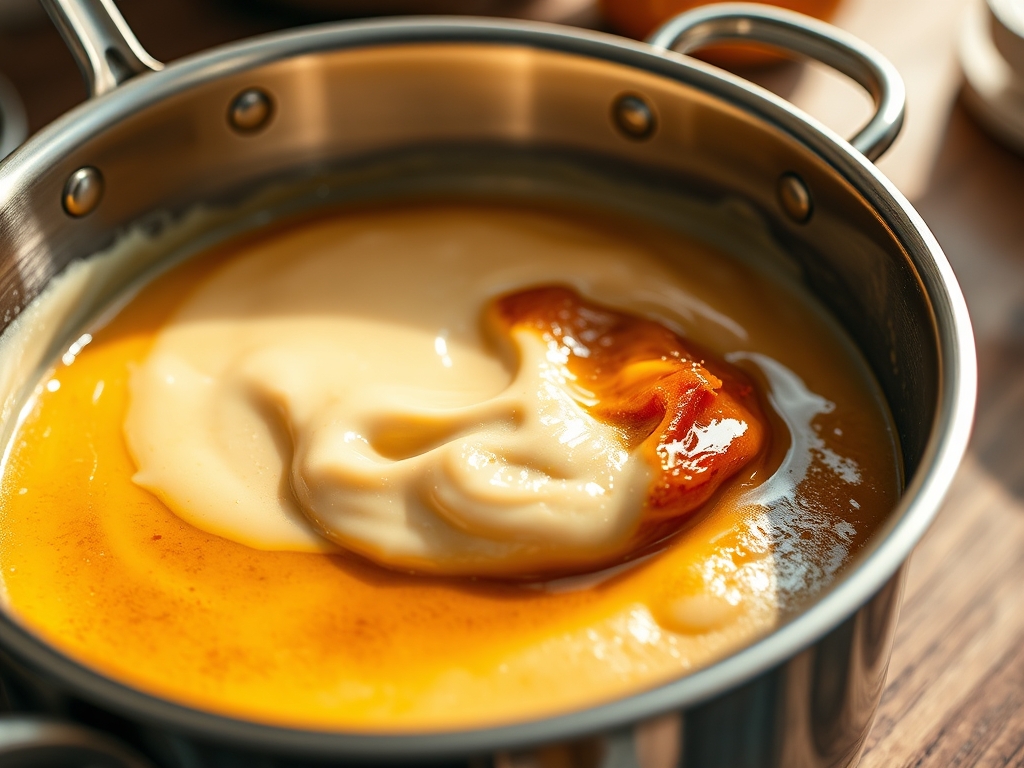
Combine the milk and half of the sugar in a heavy-bottomed saucier. Heat over medium flame until it reaches a gentle simmer. Do not let it boil vigorously; you want to infuse the liquid with heat without scorching the lactose.
Pro Tip: Using a saucier with rounded edges prevents the starch from getting trapped in corners, ensuring a homogenous mixture. The sugar prevents a skin from forming on the milk surface by disrupting the protein-to-protein bonds.
2. The Starch-Yolk Matrix
While the milk heats, whisk the remaining sugar, cornstarch, and egg yolks in a stainless steel bowl until the mixture is pale and thick. This is the "blanchir" stage. You are looking for a ribbon consistency where the mixture falls back on itself slowly.
Pro Tip: Use a digital scale for your cornstarch. Even a 5-gram deviation can turn your custard from a silky cream into a dense, gelatinous block. Accuracy is the foundation of structural integrity.
3. The Tempering Bridge
Slowly stream one-third of the hot milk into the egg mixture while whisking constantly. This gradually raises the temperature of the yolks without curdling them. Once tempered, pour the egg mixture back into the saucier with the remaining milk.
Pro Tip: This is a thermal transition. If you dump the eggs into the hot milk too fast, you will render the proteins into scrambled eggs. Slow integration is the only path to a smooth emulsion.
4. The Gelatinization Event
Cook the mixture over medium heat, whisking aggressively. Once it starts to thicken and large bubbles "burp" to the surface, continue cooking for exactly 60 to 90 seconds. This is critical to deactivate the amylase enzyme in the yolks which would otherwise break down the starch over time.
Pro Tip: Use a silicone whisk to reach every millimeter of the pan. The "burping" indicates that the starch has reached its full thickening potential and the enzymes are neutralized.
5. The Lipid Finish
Remove from heat and immediately whisk in the cold, cubed butter and vanilla paste. The butter adds a luxurious mouthfeel and a glossy sheen, while the salt acts as a flavor catalyst to aerate the sweetness.
Pro Tip: Cold butter creates a "mounting" effect (monter au beurre), which stabilizes the emulsion. Use a bench scraper to clean your workspace while the cream is still hot to prevent stubborn sugar deposits.
Section B: Prep & Timing Fault-Lines:
The most common human error is the "Early Exit." If you stop whisking the moment the cream thickens, the starch remains raw and the flavor will be chalky. Conversely, the "Thermal Overrun" happens when you leave the cream in the hot pan after it is finished. This continues to cook the eggs, leading to a sulfurous aroma. Technical fix: Immediately transfer the finished cream to a shallow glass tray to increase the surface area for rapid cooling.
THE VISUAL SPECTRUM
Section C: Thermal & Visual Troubleshooting:
Look at the Masterclass photo: notice the mirror-like sheen and the way the cream holds a soft peak without drooping. If your cream looks dull or matte, you likely omitted the butter or used a low-fat dairy substitute. If you see tiny white specks, those are undissolved starch granules or overcooked egg bits. Solution: Pass the hot cream through a fine-mesh "chinois" or sieve before cooling. If the color is greyish, you used an aluminum pan which reacted with the egg yolks. Always use stainless steel or copper with a non-reactive lining to maintain that vibrant, sunny yellow hue.
THE DEEP DIVE
Macro Nutrition Profile:
A standard 100g serving contains approximately 220 calories, 12g of fat, 24g of carbohydrates, and 4g of protein. The high fat content from the yolks and butter is essential for the stabilization of the starch matrix.
Dietary Swaps:
For a Vegan alternative, substitute whole milk with full-fat oat milk and use agar-agar or arrowroot powder instead of egg yolks. For a Gluten-Free version, cornstarch is naturally safe, but ensure it is certified gluten-free to avoid cross-contamination. Keto versions require swapping sugar for allulose and using xanthan gum as a thickener, though the texture will be significantly more "elastic."
Meal Prep & Reheating Science:
Pastry cream does not reheat well once set; the heat will cause the starch bonds to weep moisture (syneresis). For meal prep, store in an airtight container with plastic wrap pressed directly onto the surface to prevent a skin. It will maintain its molecular structure for up to 72 hours in a refrigerator set to 4 degrees Celsius.
THE KITCHEN TABLE
Why is my pastry cream grainy?
Graininess usually stems from undissolved sugar or overcooked egg proteins. Whisking the sugar and yolks immediately upon contact prevents the sugar from "burning" the yolks. Always strain the finished cream through a fine-mesh sieve for a professional, silky finish.
Can I freeze pastry cream for later?
Freezing is generally discouraged. The ice crystals rupture the starch cells, leading to a broken, watery mess upon thawing. If you must freeze it, you will need to re-emulsify it with a high-speed blender after it thaws completely.
How do I fix a runny custard?
If it is still hot, whisk in a small "slurry" of cornstarch and cold milk, then bring it back to a boil for one minute. If it is already cold, you cannot easily fix it without compromising the delicate texture.
What is the best way to flavor it?
Infuse your milk with citrus zest, cinnamon sticks, or coffee beans during the initial heating phase. For extracts or alcohols, always add them at the very end after removing the cream from the heat to preserve their volatile aromatic compounds.