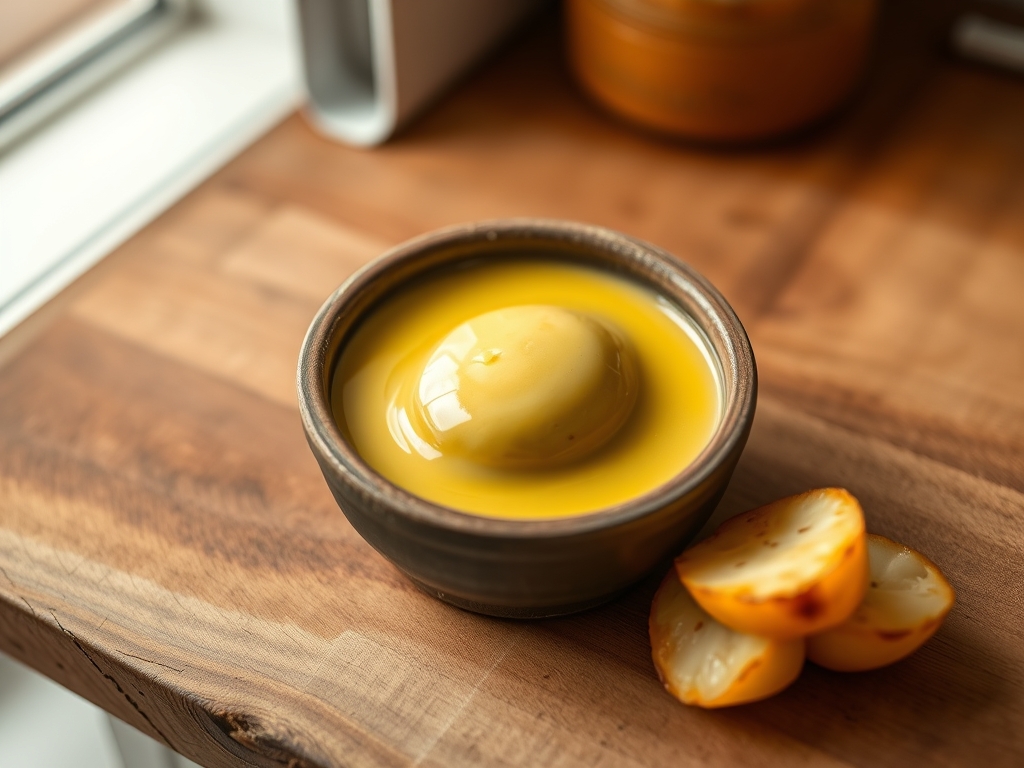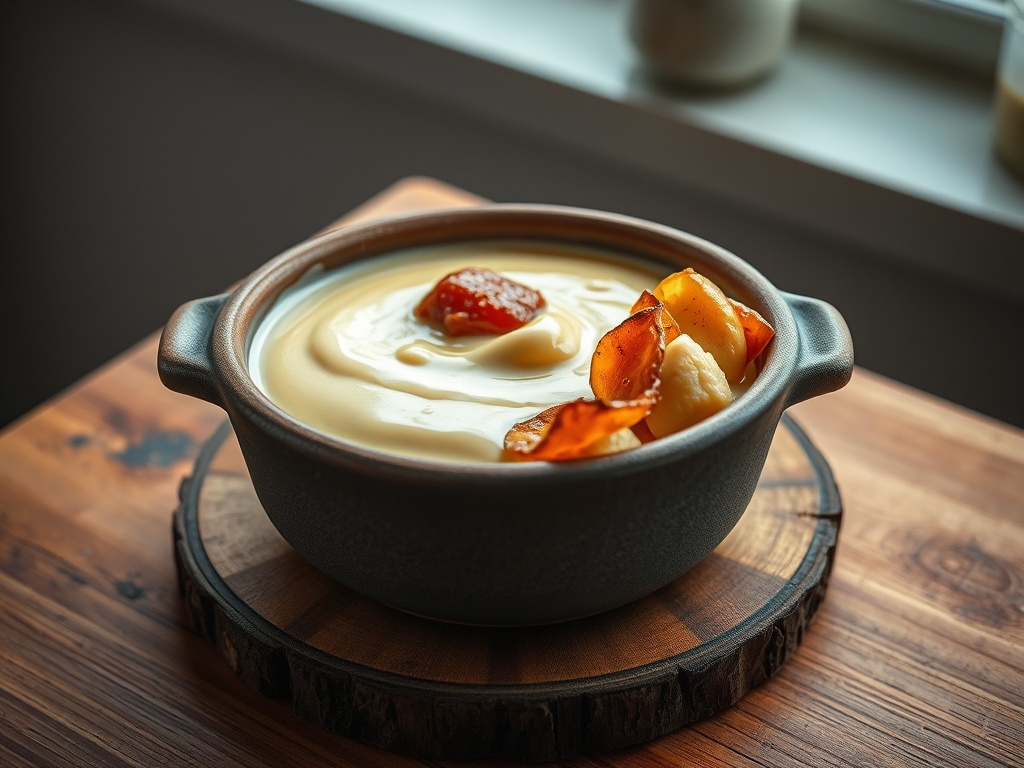
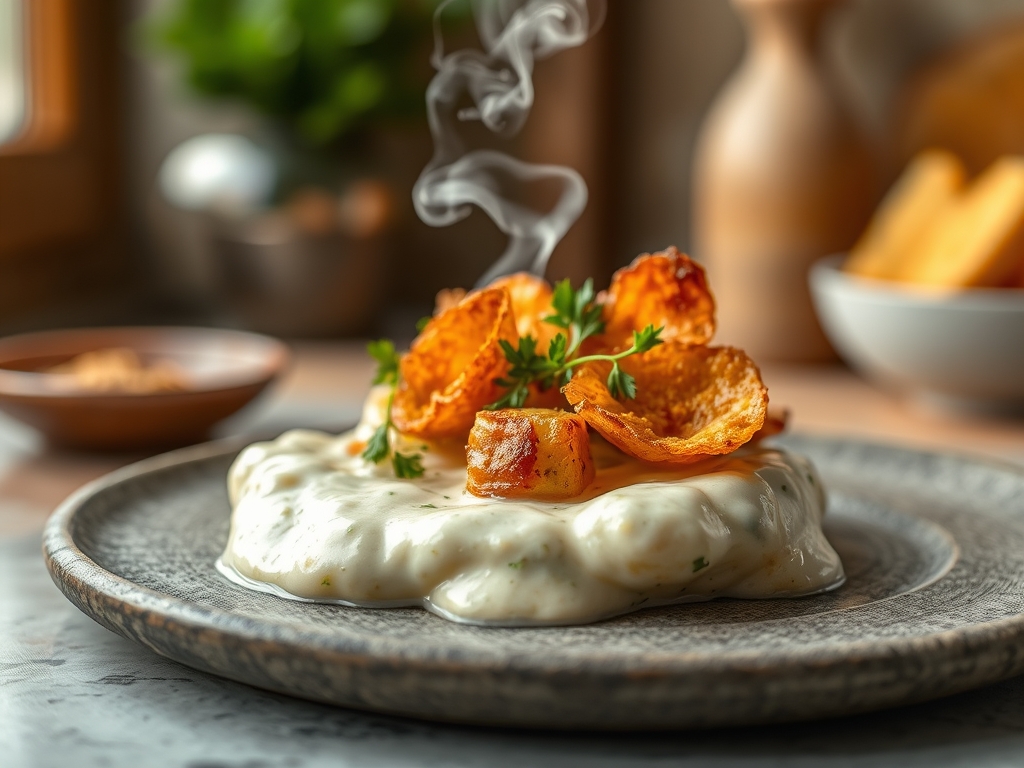
Imagine a world where the golden, shatter-crisp crust of a beer-battered cod meets a sauce so thin it slides off the plate like a failed science experiment. That is a culinary tragedy we are here to prevent. We are entering the high-stakes arena of emulsion stability where the primary metric of success is Tartar Sauce Viscosity. This is not just a condiment; it is a structural component of the seafood experience. If your sauce lacks the body to cling to a hot protein, you have failed the audit. We are looking for a thick, luxurious suspension of fats and acids that can withstand the thermal shock of fried fish without weeping or breaking. To achieve this, we must respect the physics of the egg yolk and the geometry of the oil droplet. We are building a microscopic fortress of flavor where every caper and cornichon is suspended in a perfect, creamy matrix. Let us calibrate our scales and sharpen our knives; it is time to engineer the perfect piquant dip.
THE DATA MATRIX
| Metric | Data Point |
|---|---|
| Prep Time | 15 Minutes |
| Execution Time | 5 Minutes |
| Yield | 475ml / 2 Cups |
| Complexity (1-10) | 4 |
| Estimated Cost per Serving | $0.45 |
THE GATHERS
Ingredient Protocol:
- 250ml / 1 cup High-Quality Neutral Oil (Grapeseed or Avocado)
- 1 Large Egg Yolk (Room Temperature)
- 15ml / 1 tbsp Dijon Mustard
- 30ml / 2 tbsp Fresh Lemon Juice
- 50g / 1/4 cup Finely Minced Cornichons
- 20g / 2 tbsp Drained Non-pareil Capers (Roughly Chopped)
- 15g / 1 tbsp Fresh Dill (Minced)
- 5g / 1 tsp Kosher Salt
- 2g / 1/2 tsp White Pepper
Section A: Ingredient Quality Audit:
The most common failure point in emulsion stability is the temperature of the lipid and the emulsifier. If your egg yolk is straight from the refrigerator, its proteins are too tightly coiled to effectively aerate and bond with the oil. Technical fix: Place the whole egg in a bowl of warm water for five minutes before cracking. Furthermore, if your capers are too wet, the excess brine will introduce uncontrolled moisture that threatens your Tartar Sauce Viscosity. Always pat your aromatics dry with a lint-free kitchen towel before incorporating them into the base. If the oil is old or oxidized, it will impart a metallic tang that no amount of lemon can mask; always audit your oil for neutral scent profile before beginning the whisking phase.
THE MASTERCLASS
Step-by-Step Execution:
1. The Primary Emulsion Base
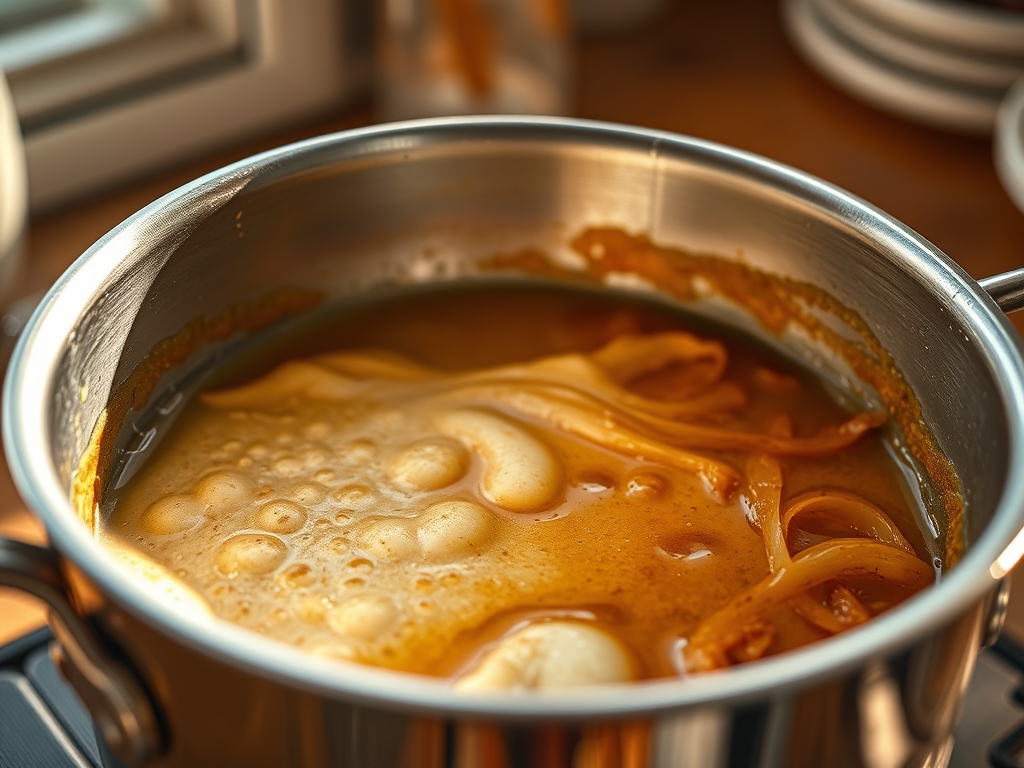
Begin by placing your egg yolk, Dijon mustard, and lemon juice into a heavy-bottomed stainless steel bowl or a saucier. Whisk these components together until they are fully homogenous and slightly pale. This creates the chemical foundation for the emulsion.
Pro Tip: Use a digital scale to measure your ingredients by weight rather than volume for 100% reproducibility. The mustard acts as a secondary emulsifier, containing mucilage that helps stabilize the oil droplets as they are introduced.
2. The Slow Lipid Integration
While whisking vigorously with a balloon whisk, begin adding your oil drop by drop. Do not rush this. You are looking to break the oil into microscopic spheres that are then coated by the egg yolk lecithin. Once a thick "nucleus" has formed, you can transition to a thin, steady stream.
Pro Tip: If the mixture looks oily or "shaggy," stop adding oil immediately and whisk in a teaspoon of warm water to reset the viscous tension before continuing.
3. Folding the Aromatics
Once you have achieved a stiff, mayo-like consistency, switch to a bench scraper or a silicone spatula. Gently fold in your minced cornichons, capers, and dill. Do not over-work the sauce at this stage, as mechanical agitation can sometimes cause a fragile emulsion to weep.
Pro Tip: Use the bench scraper to ensure you are incorporating the herbs from the bottom of the bowl, preventing flavor pockets and ensuring a uniform distribution of the relish.
4. The Final Calibration
Taste the sauce and adjust the seasoning with salt and white pepper. The white pepper is essential here to maintain a clean visual aesthetic without the black specks associated with standard pepper. Cover and refrigerate for at least thirty minutes to allow the flavors to infuse.
Pro Tip: Cold temperatures actually increase Tartar Sauce Viscosity by firming up the fat molecules. Always perform your final texture audit after the sauce has chilled.
Section B: Prep & Timing Fault-Lines:
Timing is everything when dealing with raw egg emulsions. If you whisk too slowly, the oil will pool and separate. If you add the oil too fast, the emulsion will "break," resulting in a greasy soup. Temperature control is equally vital; if the kitchen is too hot, the fats will become too fluid to hold their shape. If your sauce breaks, you can rescue it by starting with a fresh egg yolk in a clean bowl and slowly whisking the broken mixture into it as if it were the oil. This is a labor-intensive but necessary recovery protocol for any high-level kitchen auditor.
THE VISUAL SPECTRUM
Section C: Thermal & Visual Troubleshooting:
Observe the Masterclass photo above. You should see a pale, ivory base with vibrant green flecks of dill and darker green chunks of cornichon. If your sauce appears yellow, your egg-to-oil ratio is too high or your mustard was too dark. If the sauce looks dull or grey, your herbs were likely wet when chopped, causing the chlorophyll to bleed into the emulsion. The texture should be thick enough to hold a "peak" when the spoon is lifted. If it levels out instantly, your Tartar Sauce Viscosity is too low. To fix a thin sauce, you can whisk in a small amount of pre-made, high-density mayonnaise to act as a stabilizer, though this is considered a "cheat" in professional audits.
THE DEEP DIVE
Macro Nutrition Profile:
A standard 30ml serving contains approximately 180 calories, 19g of fat, 1g of protein, and less than 1g of carbohydrates. This is a high-density lipid delivery system designed for flavor, not caloric restriction.
Dietary Swaps:
- Vegan: Replace the egg yolk with 30ml of aquafaba (chickpea canning liquid) and use a high-speed blender to ensure the proteins denature sufficiently to hold the oil.
- Keto: This recipe is naturally keto-compliant; simply ensure your Dijon mustard contains no added sugars or honey.
- GF: Naturally gluten-free, but always audit your mustard source for cross-contamination.
Meal Prep & Reheating Science:
Never reheat this sauce. Heat is the enemy of a cold emulsion; it will cause the fats to render out and the proteins to scramble. For meal prep, store in an airtight glass container for up to five days. The acidic environment provided by the lemon juice and vinegar in the capers acts as a natural preservative, but the fresh dill will begin to lose its aromatic potency after 72 hours. To refresh a stored sauce, give it a quick whisk to re-incorporate any minor moisture migration.
THE KITCHEN TABLE
Why is my tartar sauce runny?
This usually occurs due to improper oil integration or excess moisture from the pickles. Ensure your aromatics are bone-dry and your oil is added in a slow, disciplined stream to maintain the required Tartar Sauce Viscosity.
Can I use a food processor?
Absolutely. A food processor makes the emulsion process nearly foolproof. Use the small hole in the pusher attachment to "drip-feed" the oil into the spinning blade for a perfectly stable, thick result every time.
How do I fix a sauce that is too salty?
Do not add more oil. Instead, increase the volume of the base by adding a little more egg yolk and a splash of unsalted cream. This dilutes the sodium concentration without compromising the structural integrity of the emulsion.
What is the best oil for this audit?
Neutrality is key. Avoid extra virgin olive oil, as its heavy polyphenols can create a bitter aftertaste when emulsified. Grapeseed oil is the gold standard for its clean finish and high stability at room temperature.