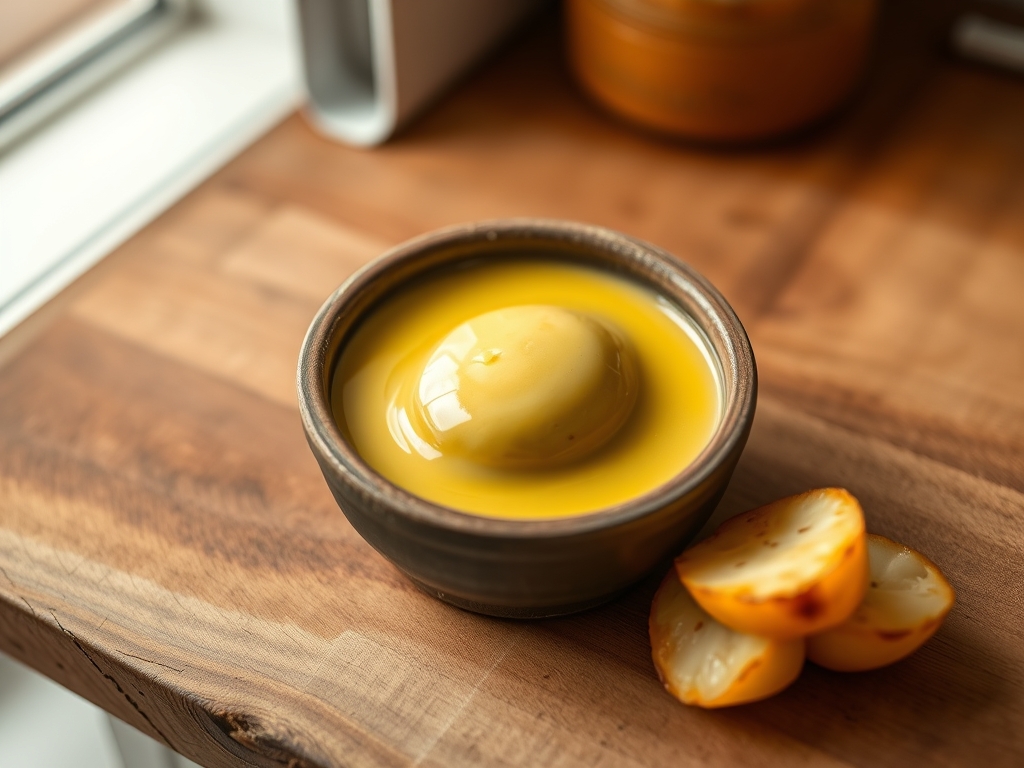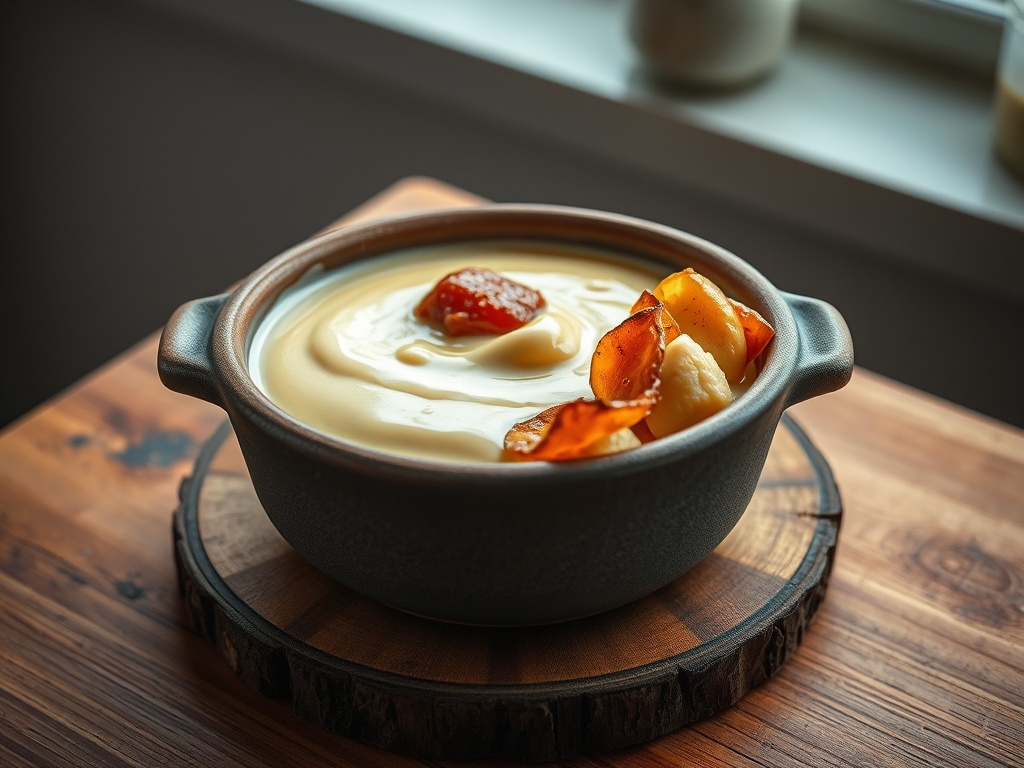
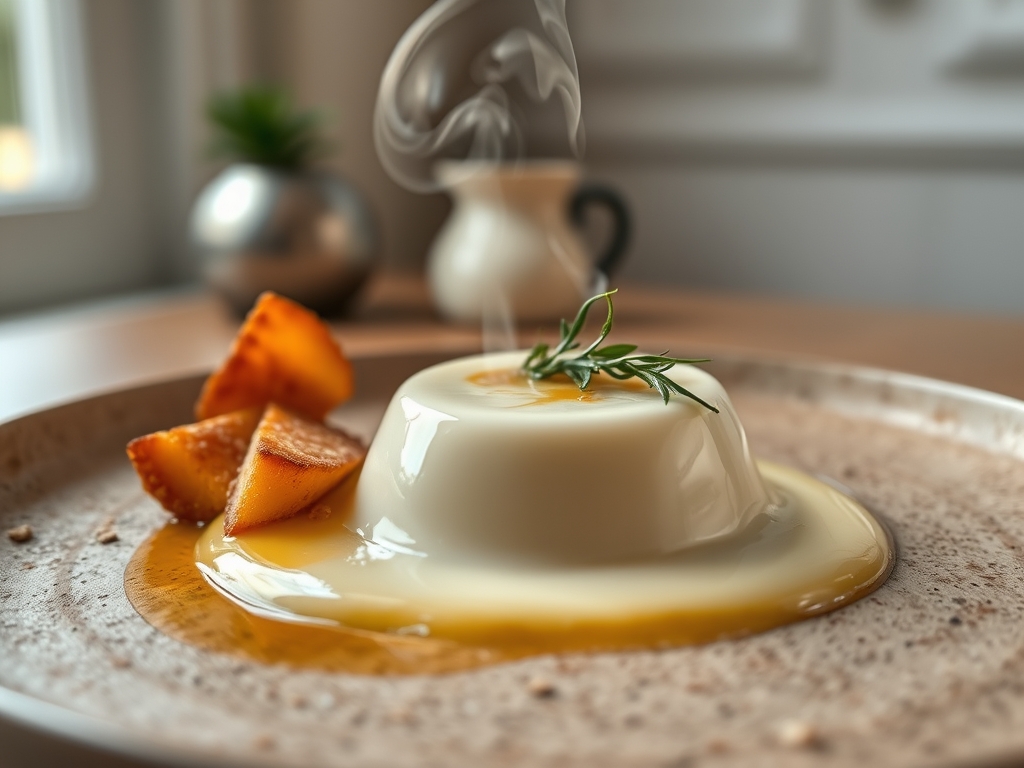
Listen closely because the physics of dessert is non-negotiable. We are not merely making pudding; we are engineering a suspension of lipids within a protein lattice. The goal is the legendary Panna Cotta Wobble. This is that precise, kinetic frequency where the cream defies gravity just long enough to shimmy on the plate before melting into a viscous silk on the tongue. If your gel is stiff, you have manufactured a rubber tire. If it is runny, you have served a bowl of cold soup. We are aiming for the structural "sweet spot" where the gelatin dairy crosslinking creates a fragile, temporary solid. This requires a ruthless commitment to temperature control and a deep respect for the bloom. We are about to audit your dairy infrastructure to ensure that every mold released is a triumph of culinary architecture. Strap in; we are moving from amateur agitation to professional molecular stabilization.
THE DATA MATRIX
| Metric | Specification |
|---|---|
| Prep Time | 15 Minutes |
| Execution Time | 6 Hours (Setting Time) |
| Yield | 6 Servings |
| Complexity (1-10) | 4 |
| Estimated Cost per Serving | $1.25 |
THE GATHERS
Ingredient Protocol:
- 500ml / 2 cups Heavy Cream (minimum 36% milkfat)
- 100ml / 0.4 cup Whole Milk
- 100g / 0.5 cup Granulated Sugar
- 10g / 3 tsp Powdered Gelatin (Gold Grade preferred)
- 45ml / 3 tbsp Cold Water (for blooming)
- 1 Vanilla Bean (split and scraped)
- 2g / 0.25 tsp Fine Sea Salt
Section A: Ingredient Quality Audit:
The primary failure point in cream gels is the hydrocolloid quality. If your gelatin is ancient, its Bloom strength has degraded; replace it or your Panna Cotta Wobble will be a Panna Cotta Collapse. Furthermore, if you use "Ultra-Pasteurized" cream, the proteins have already been denatured by extreme heat, which can lead to a "grainy" mouthfeel. Infuse your cream with a high-quality vanilla bean rather than synthetic extract; the lipids in the cream will carry the complex aromatic compounds of the bean far more effectively. If your dairy smells "flat," a tiny pinch of salt is the technical fix to render the hidden sweetness of the lactose more perceptible to the palate.
THE MASTERCLASS
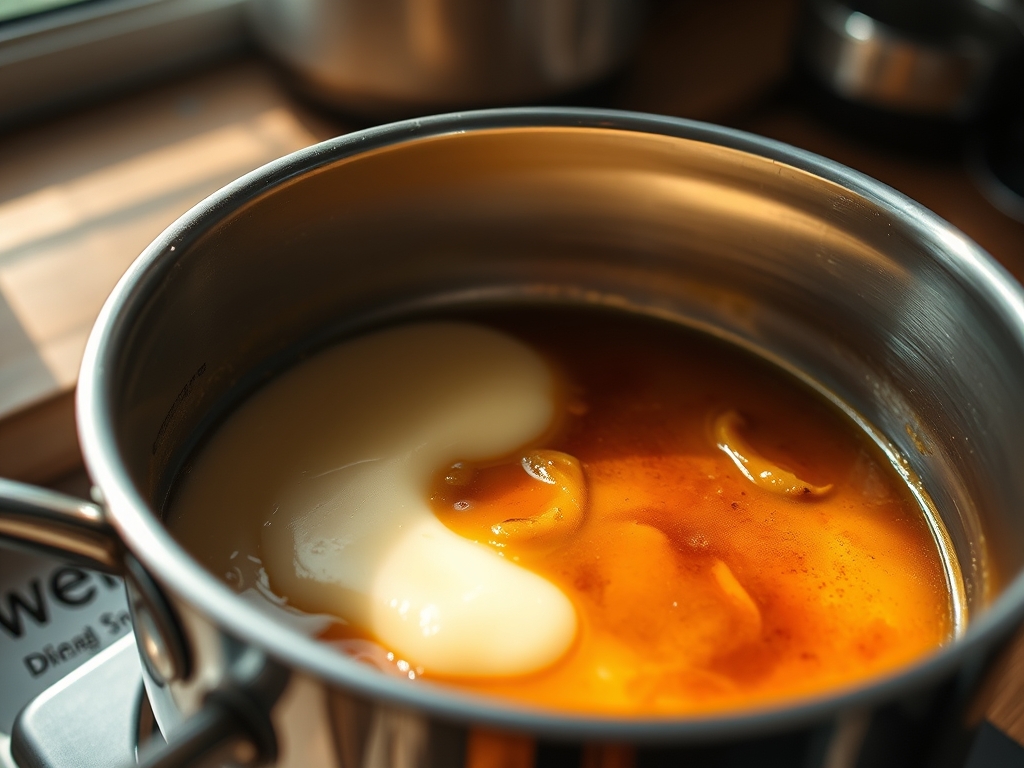
1. Hydrate the Structural Lattice
Begin by sprinkling your gelatin over the cold water in a small ramekin. Do not dump it in a clump; aerate the powder as it falls to ensure every granule has access to moisture. Let this sit for ten minutes until it resembles a firm sponge.
Pro Tip: Use a digital scale for this. Volumetric measurements for gelatin are notoriously inaccurate. If you are off by even two grams, you lose the wobble and gain a gummy bear.
2. Thermal Dairy Extraction
In a heavy-bottomed saucier, combine the cream, milk, sugar, and vanilla. Heat over medium-low. You are not looking for a rolling boil; you want a gentle simmer to infuse the vanilla and dissolve the sugar.
Pro Tip: Use a silicone spatula to scrape the bottom constantly. If the milk solids scorch, the Maillard reaction will introduce bitter notes that ruin the clean dairy profile.
3. The Gelatin Integration
Remove the cream from the heat once it reaches 175 degrees Fahrenheit. Drop the bloomed gelatin into the hot liquid. Whisk gently until no translucent shards remain.
Pro Tip: Do not whisk vigorously. You do not want to aerate the mixture and create bubbles. Bubbles are the enemy of a smooth surface. A fine-mesh sieve is your best friend here; pour the mixture through it into a clean pitcher to catch any undissolved gelatin or vanilla woody bits.
4. Shock and Stabilize
Place your pitcher in an ice bath and stir gently until the liquid is cool to the touch but not yet setting. This ensures the vanilla seeds remain suspended throughout the gel rather than sinking to the bottom of the mold.
Pro Tip: Use an infrared thermometer to track the descent. You want to pour into your molds at approximately 80 degrees Fahrenheit. This "cool pour" prevents the fats from separating, ensuring a homogenous texture.
5. The Controlled Cure
Pour the mixture into lightly oiled ramekins or glass vessels. Transfer to the refrigerator for at least six hours. Cover them with plastic wrap only after they have reached fridge temperature to prevent condensation from dripping onto the surface.
Pro Tip: A bench scraper can be used to level off the tops of the molds if you are filling them to the absolute brim for a flush finish.
Section B: Prep & Timing Fault-Lines:
The most common human error is the "Panic Pull." If you attempt to unmold the gel before the gelatin dairy crosslinking is complete, the internal structure will fail. If your kitchen is running hot, the setting time will increase exponentially. Always audit your refrigerator's internal temperature; it should be 38 degrees Fahrenheit or lower. If the gel is too firm, you likely overheated the gelatin. Gelatin loses its thickening power if boiled aggressively; keep it under 190 degrees Fahrenheit at all times.
THE VISUAL SPECTRUM
Section C: Thermal & Visual Troubleshooting:
Look at the Masterclass photo above. Notice the "translucent matte" finish on the side of the cream. If your panna cotta looks "shiny" or "sweaty," it has experienced thermal shock or was unmolded too quickly using high heat. If you see a yellow layer at the top, your emulsion has broken; this happens when the cream is boiled too hard or not stirred during the cooling phase. To fix a dull color, ensure you are using high-fat dairy. Lower fat percentages result in a greyish, translucent appearance rather than the brilliant, opaque white of a professional gel. If you see tiny black specks, those are the vanilla seeds; if they are all at the bottom, you skipped the ice bath stir.
THE DEEP DIVE
Macro Nutrition Profile:
A standard serving contains approximately 320 calories, 28g of fat, 18g of carbohydrates, and 4g of protein. This is a lipid-heavy profile designed for satiety and mouth coating.
Dietary Swaps:
- Vegan: Replace gelatin with 2g of Agar-Agar and use full-fat coconut milk. Note that Agar-Agar creates a "brittle" gel rather than a creamy one.
- Keto: Swap granulated sugar for an Allulose or Erythritol blend. The structural integrity remains largely unchanged.
- GF: Naturally gluten-free, but ensure your vanilla bean paste or extract does not use a grain-alcohol base if sensitivity is extreme.
Meal Prep & Reheating Science:
You cannot "reheat" panna cotta without destroying the lattice. However, you can store it for up to five days. To maintain molecular structure, keep it in an airtight container to prevent the cream from absorbing "fridge odors" like onions or old leftovers. The fats in the cream are highly absorbent.
THE KITCHEN TABLE
Why is my panna cotta grainy?
This usually indicates the sugar did not fully dissolve or the gelatin was not properly bloomed. Ensure the liquid reaches 175 degrees Fahrenheit and use a fine-mesh sieve to filter the mixture before pouring into molds.
How do I get it out of the mold?
Dip the base of the ramekin into hot water for exactly five seconds. Run a thin offset spatula around the edge. Invert onto a plate and give it one sharp, vertical shake to break the vacuum.
Can I use fresh pineapple or kiwi?
No. These fruits contain bromelain and actinidain; enzymes that digest proteins. They will literally eat your gelatin lattice, leaving you with a puddle of liquid. Always cook these fruits first to denature the enzymes.
What is the best dairy ratio?
A 5:1 ratio of heavy cream to whole milk provides the ideal balance of structural stability and "melt-in-the-mouth" sensation. Too much milk weakens the Panna Cotta Wobble and makes the dish taste thin.